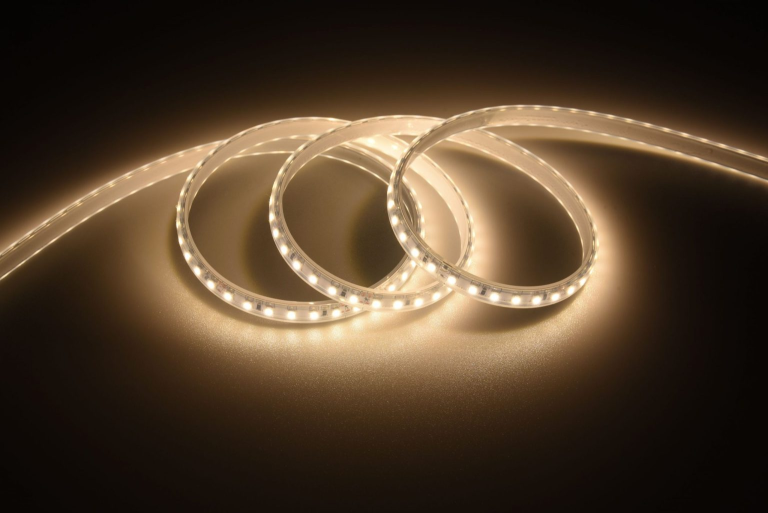
Hospitality interiors often contain curves, niches, counters, shelving, ceiling details, wall features, and furniture that are difficult to illuminate with conventional rigid fixtures. Flexible linear lighting can follow these forms and create continuous visual lines without making the luminaire itself the dominant design element.
The Illuminating Engineering Society highlights hospitality projects where concealed linear lighting contributes to atmosphere and architectural emphasis. One hotel restaurant, for example, used hidden LED tape to highlight architectural forms while keeping the lighting subtle.
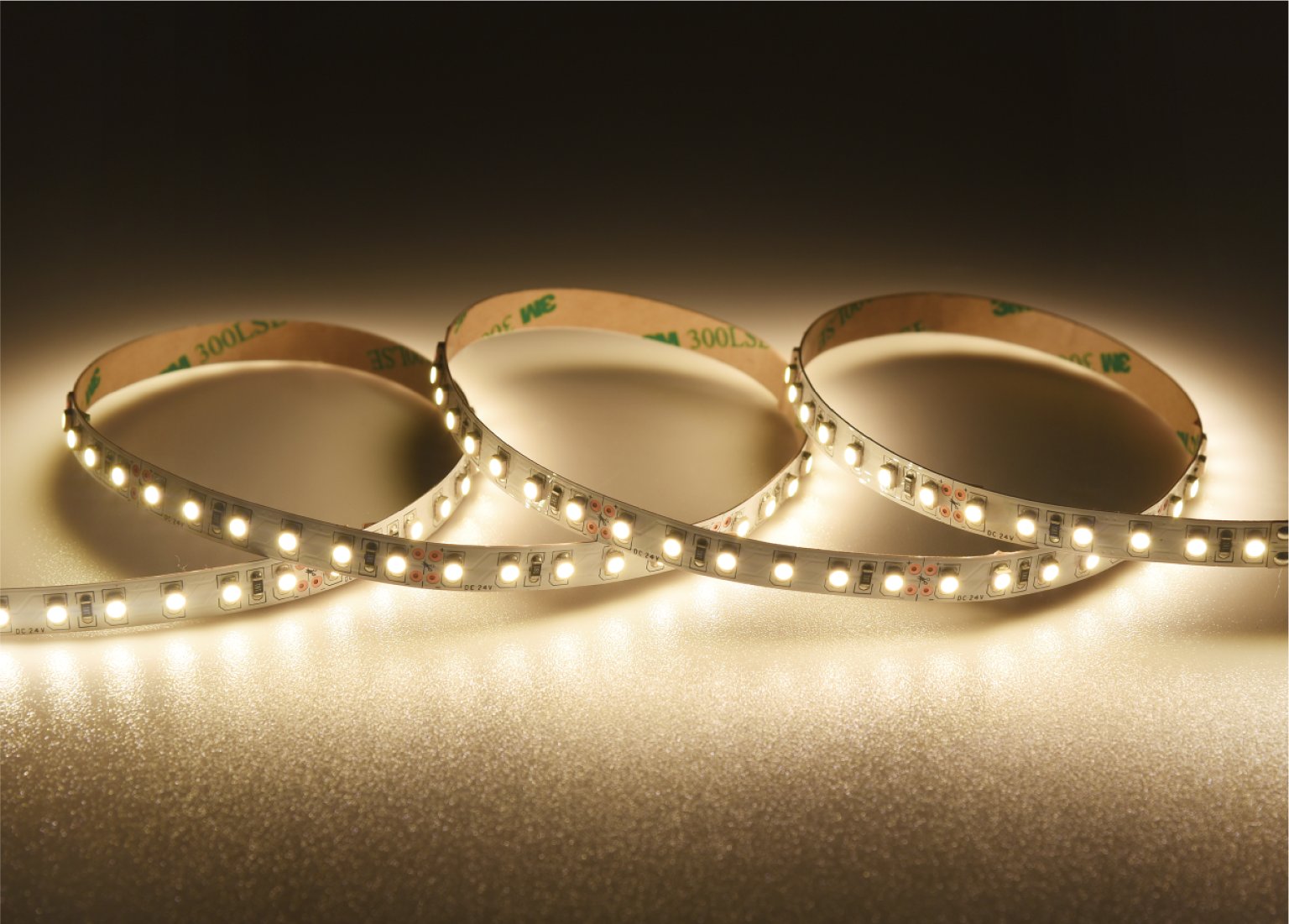
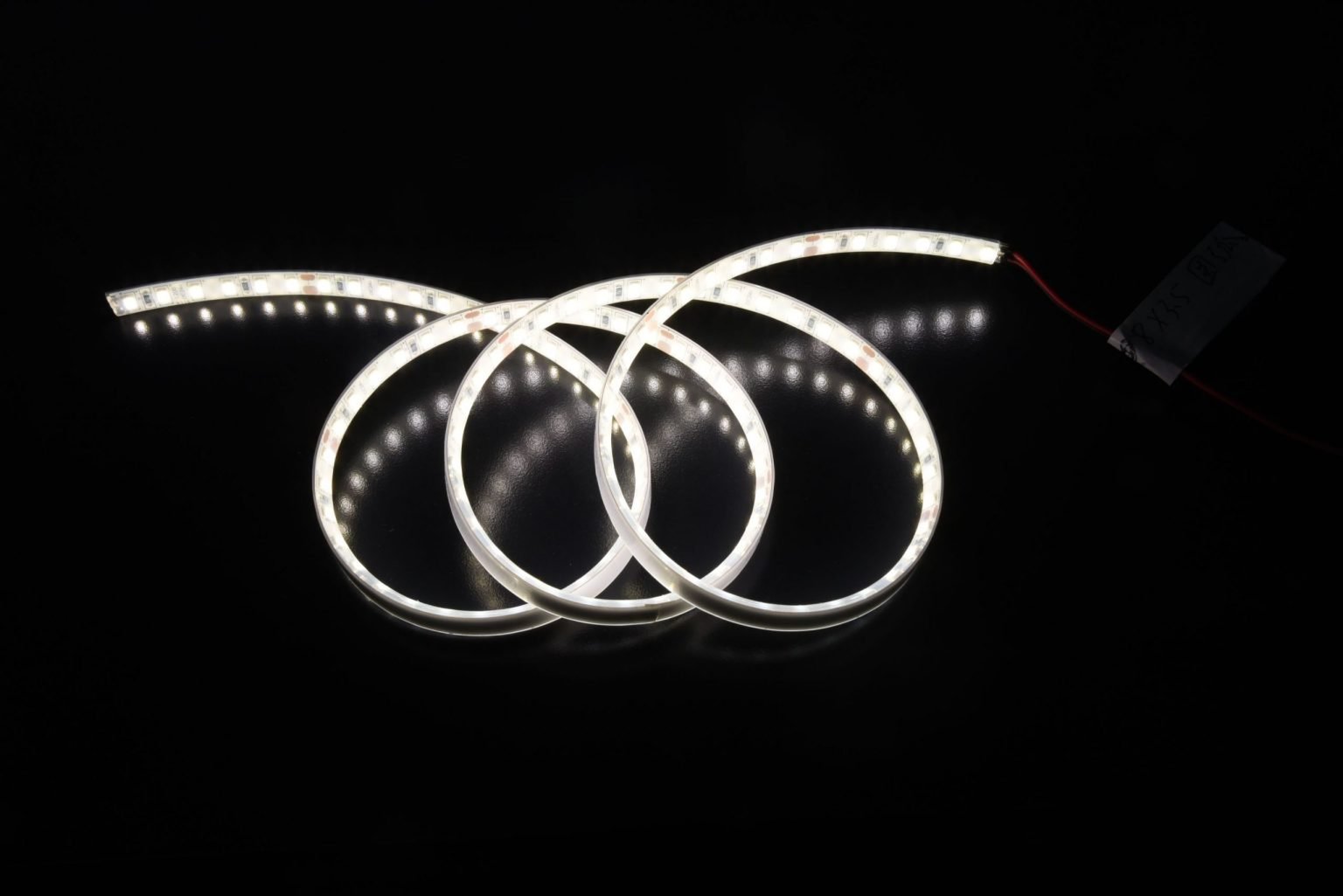
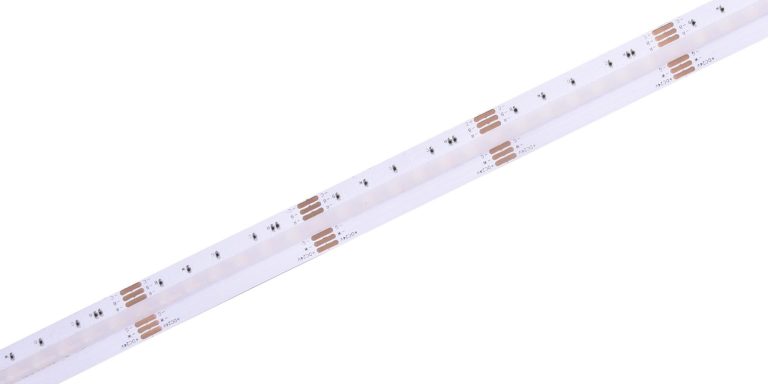
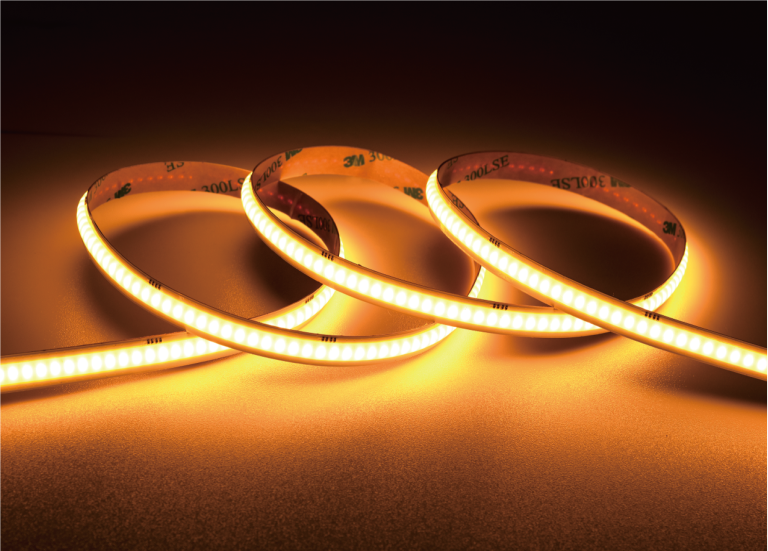
For contractors and lighting designers, flexible silicone LED strip lights can therefore serve as an architectural layer rather than only a functional light source. They can be considered for coves, under-counter details, headboards, shelving, bars, reception desks, and decorative ceiling elements where a continuous effect is desirable.
Create Different Atmospheres Through Dimming
Hospitality spaces rarely operate under one lighting condition throughout the day. A restaurant may need stronger illumination during preparation and cleaning, then a much lower level during dinner service. Hotels can similarly require different settings for guestrooms, corridors, lounges, and public areas.
This makes dimming an important consideration when selecting a dimmable linear LED light. The ability to adjust output gives operators and designers greater control over ambience without changing the physical fixture. U.S. Department of Energy research also identifies restaurants, hotel lobbies, guestrooms, and other hospitality environments as relevant applications for controllable LED lighting.
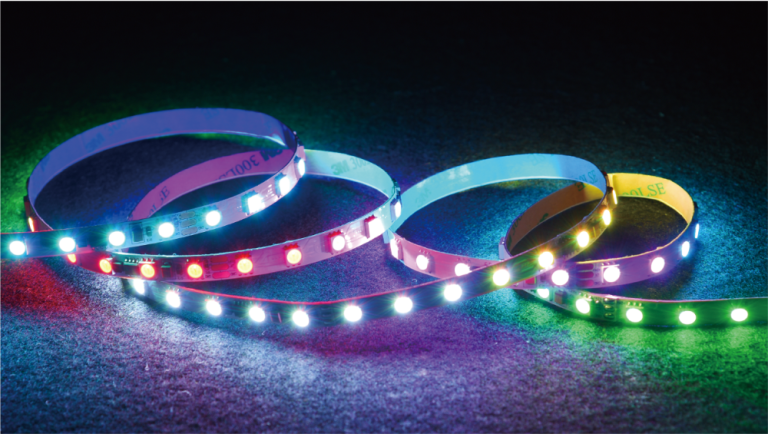
Control compatibility should be confirmed before specification. Depending on the system, lighting controls may involve technologies such as 0–10V, DALI, DMX, or wireless protocols. The DOE notes that control architecture becomes particularly important when both intensity and color need to be adjusted.
Use Linear Lighting Where Architecture Needs Emphasis
Good hospitality lighting often combines ambient, task, accent, and decorative layers. Linear lighting can contribute to this strategy by emphasizing architectural edges rather than competing with focal points such as artwork, furniture, food presentation, or reception features.
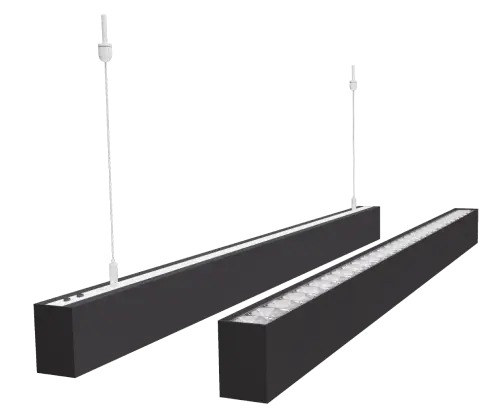
A dimmable linear LED light can be particularly useful around bars, dining areas, display shelving, corridors, and reception zones where lighting levels may need to change according to operating conditions. IES project examples show how linear fixtures and concealed LED systems can help establish visual hierarchy while maintaining the intended character of hospitality interiors.
For project buyers, the key is to specify the desired lighting effect first. A fixture should not be selected simply because it can fit into a narrow space. Beam distribution, brightness, appearance, control requirements, and installation details should all be reviewed together.
Consider Installation and Maintenance Requirements
Hospitality projects often involve tight installation schedules and many repeated lighting locations. A lighting system that simplifies connection and positioning can therefore reduce practical difficulties during installation.
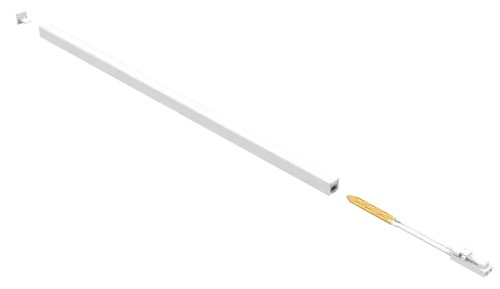
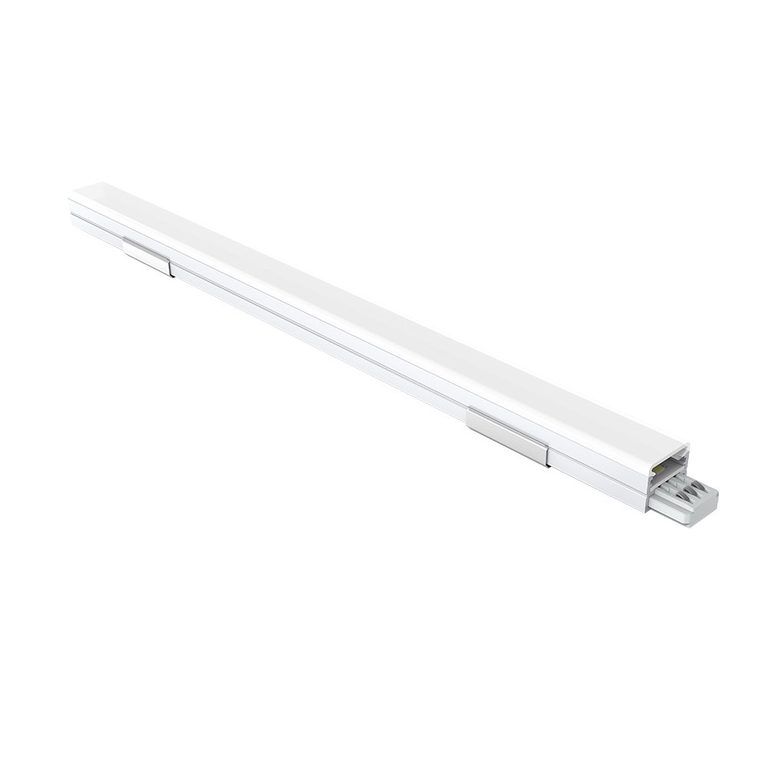
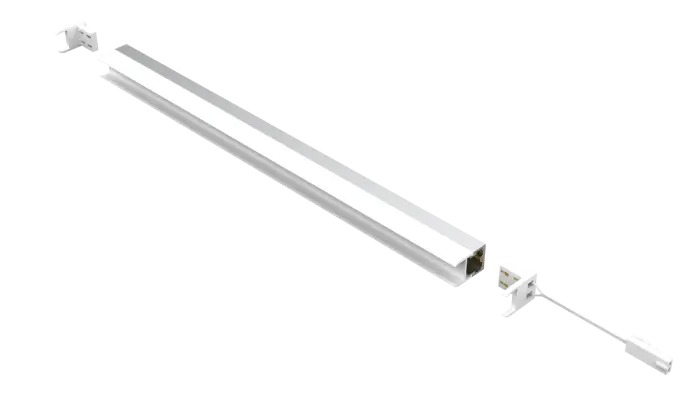
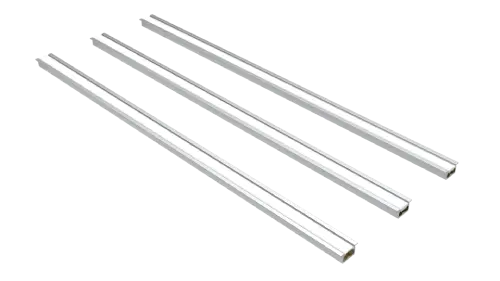
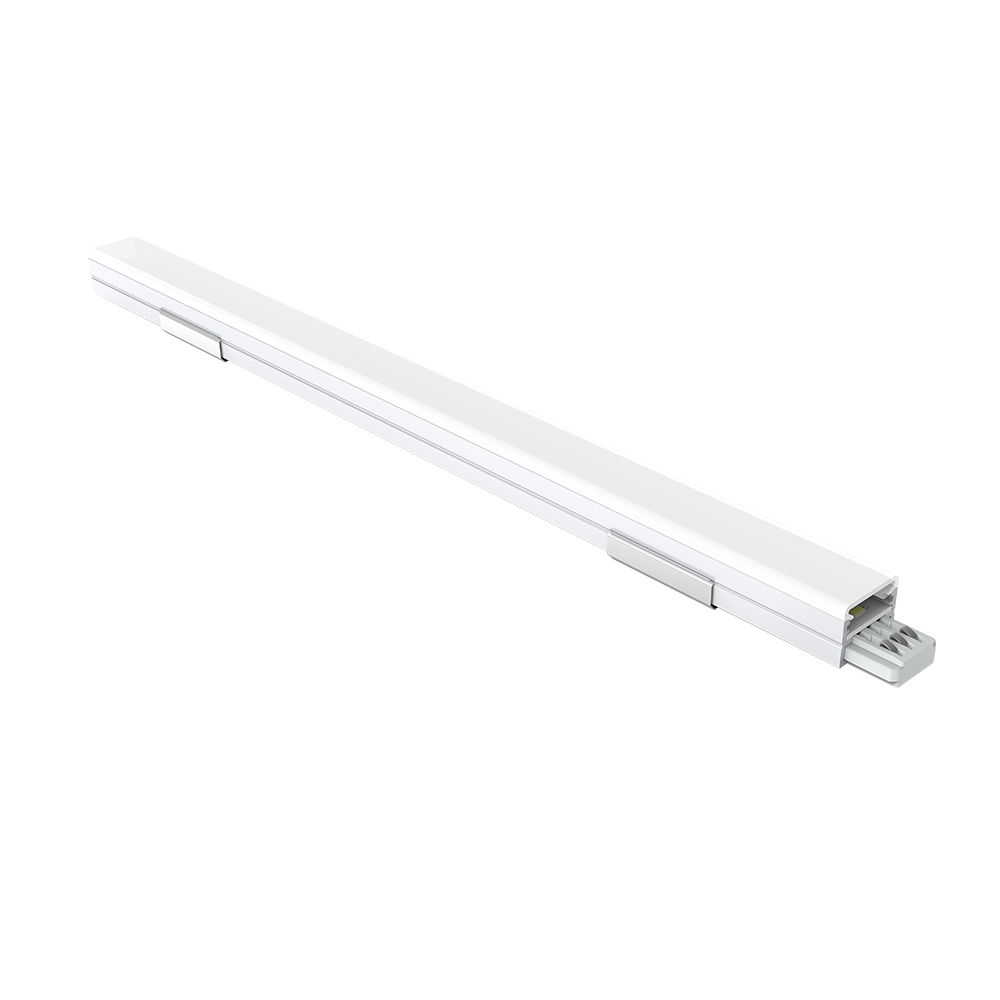
Our Needle G02 Series takes a different but complementary approach to flexible linear lighting. It is a DC 24V CCT tunable and dimmable system developed for retail, display, and integrated lighting applications. Its ultra-slim aluminum housing is designed for discreet illumination, while the magnetic structure supports both installation and input and connection.
The all-magnetic design means the connection process is integrated into the fixture concept rather than treated only as a mounting function. For project teams working with integrated displays, architectural details, or frequently adjusted layouts, this can make installation and handling more convenient.
Match Material and Form to the Application
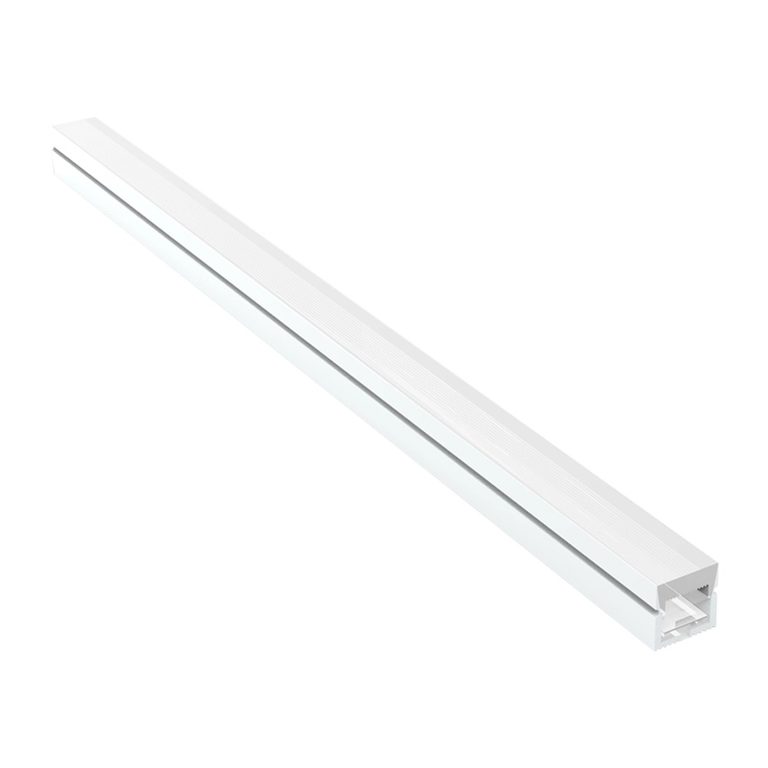
When specifying flexible silicone LED strip lights, buyers should consider more than flexibility. Silicone construction can be relevant where the product needs to follow particular forms or where the project calls for a specific surface appearance. However, the exact material, bending capability, dimensions, protection level, and installation method should be verified from the manufacturer’s technical documentation.
The same principle applies to any dimmable linear LED light. A visually slim fixture may look suitable on paper but still require careful review of power supply arrangements, connection details, control compatibility, and available installation space.
For hospitality procurement, these technical checks help prevent a common problem: selecting a visually appropriate product that later proves difficult to integrate into the complete lighting system.
Build Lighting Around Guest Experience
Lighting has a direct role in how hospitality spaces are perceived. Restaurants may use lower light levels and warmer effects to create intimacy, while public areas may require stronger illumination for circulation and activity. IES case studies demonstrate how lighting levels, color temperature, and control strategies can be adjusted between different hospitality zones.
This is where flexible silicone LED strip lights can become valuable design tools. Their linear form can remain concealed while contributing to ceiling details, furniture, displays, or architectural edges. Rather than illuminating everything equally, designers can use them selectively to establish depth, direction, and visual focus.
Make the Specification Work for the Whole Project
For hospitality buyers, the best linear lighting choice is rarely determined by one specification. Flexibility, profile size, dimming, color tuning, installation method, control compatibility, and the intended visual effect should be assessed as a complete system.
We at LEDIA Lighting support this project-oriented approach with the Needle G02 Series, combining a super-thin aluminum housing with multi-optic design and an all-magnetic installation and connection structure. Its DC 24V CCT tunable and dimmable configuration is suited to retail, display, and integrated lighting applications where discreet, adaptable linear illumination is required.
Our flexible silicone LED strip lights can be an effective option where curved or concealed architectural lighting is required, while a purpose-designed linear system such as ours can address projects prioritizing slim integration and convenient magnetic connection. By matching the lighting technology to each hospitality zone, project teams can achieve both practical performance and a coherent interior experience.