Starting a lighting project involves more than choosing attractive products at competitive prices. Distributors, contractors, furniture manufacturers, and developers must coordinate technical requirements, installation details, budgets, and delivery schedules. A clear purchasing process helps buyers compare offers fairly and avoid costly changes. When evaluating wholesale lighting fixtures, begin with the application, then review specifications, supplier capability, and total project value.
Define the Project Before Requesting Quotes
Start by documenting where the lighting will be used and what it must accomplish. Offices, retail stores, hospitality spaces, and residential developments have different expectations for brightness, color appearance, operating hours, and installation methods. Record the number of lighting points, approximate dimensions, mounting conditions, and any design constraints. Photos, drawings, and a fixture schedule help suppliers understand the scope.
Separate essential requirements from preferences. For example, a project may require a particular color temperature, dimming method, or local safety certification, while finish options or packaging details may allow flexibility. A clear brief enables each LED supplier to quote against the same requirements instead of making assumptions that produce incomparable prices.
Compare Technical Specifications, Not Product Names
Product names and catalogue images rarely provide enough information for a purchasing decision. Compare input voltage, power consumption, lumen output, efficacy, color temperature, CRI, beam distribution, dimensions, IP rating, and control compatibility where relevant. Confirm that the specifications apply to the exact model and configuration being quoted.
For larger installations, request photometric files or lighting calculations to check whether the proposed quantity and spacing can meet the design target. Also review driver details, connectors, mounting accessories, and replacement procedures. When comparing wholesale lighting fixtures, a lower unit price should not outweigh missing technical information or a mismatch with site conditions.
Consider Installation Time and Material Waste
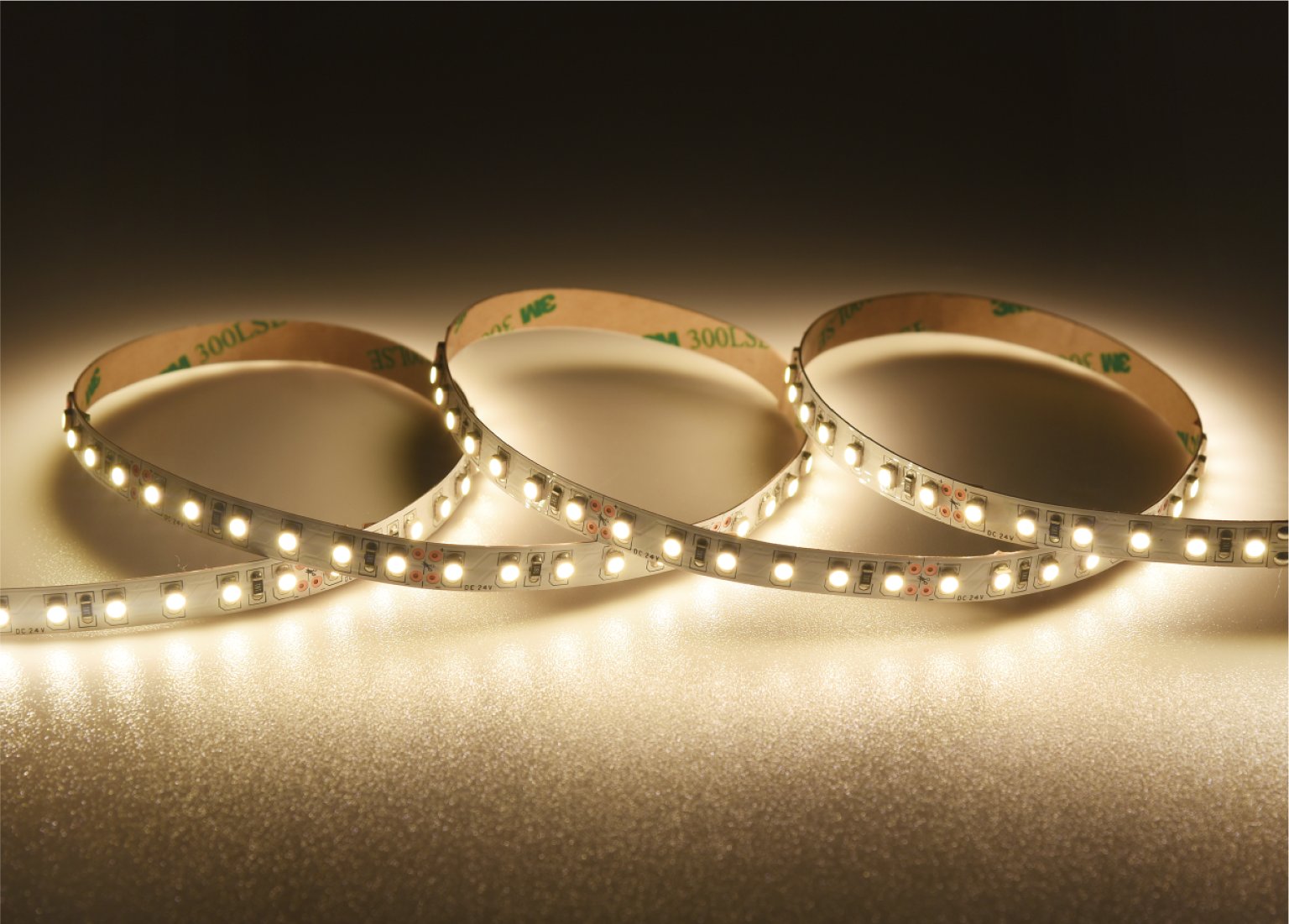
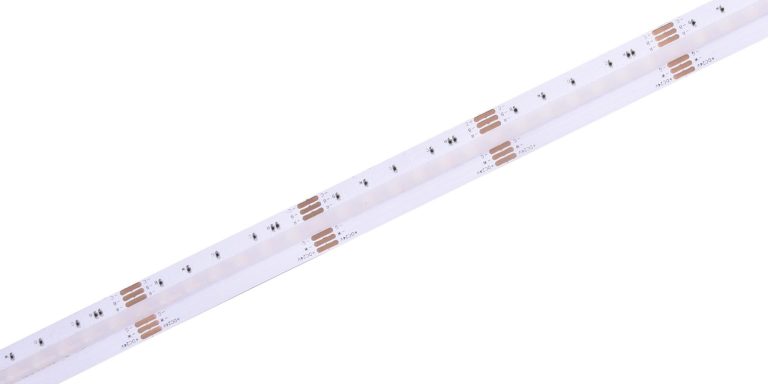
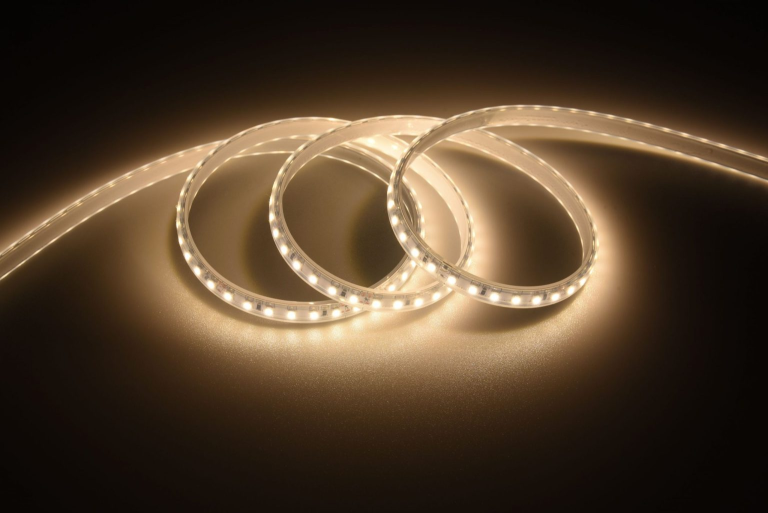
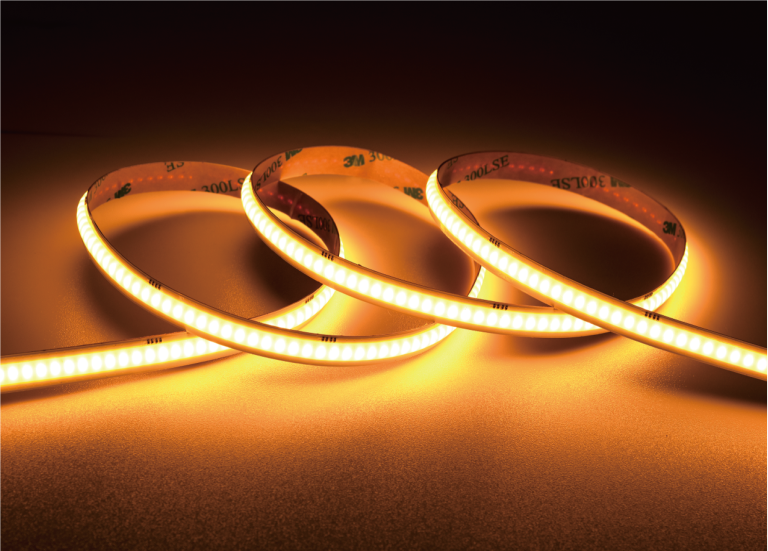
Installation efficiency can influence the overall project budget, particularly when many lighting points or custom furniture dimensions are involved. Fixed-length products can create joints and offcuts when furniture dimensions vary. A free cut LED strip may simplify fitting, but buyers should check its cutting instructions and whether site work requires special tools.
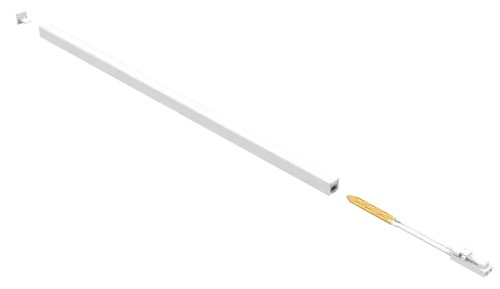
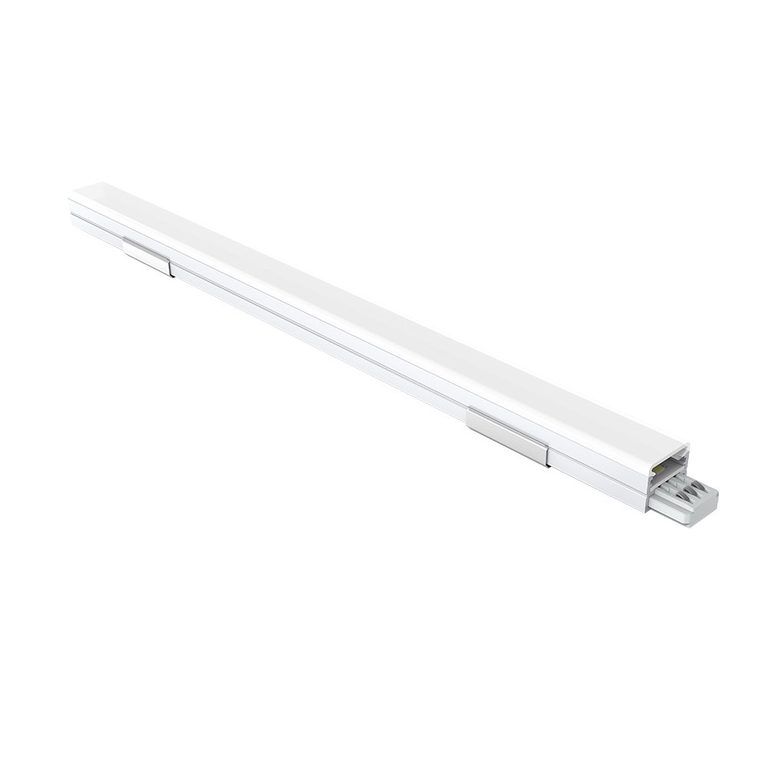
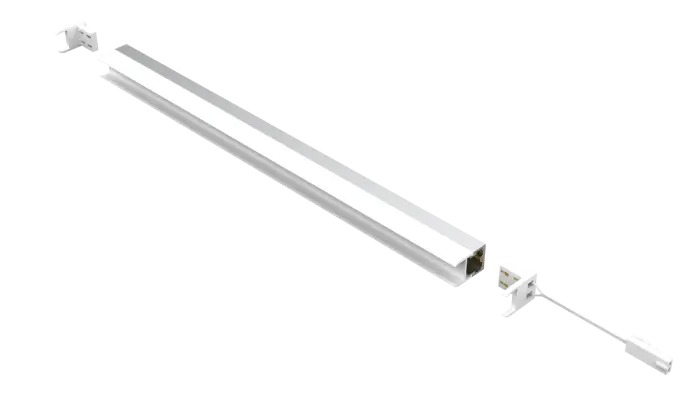
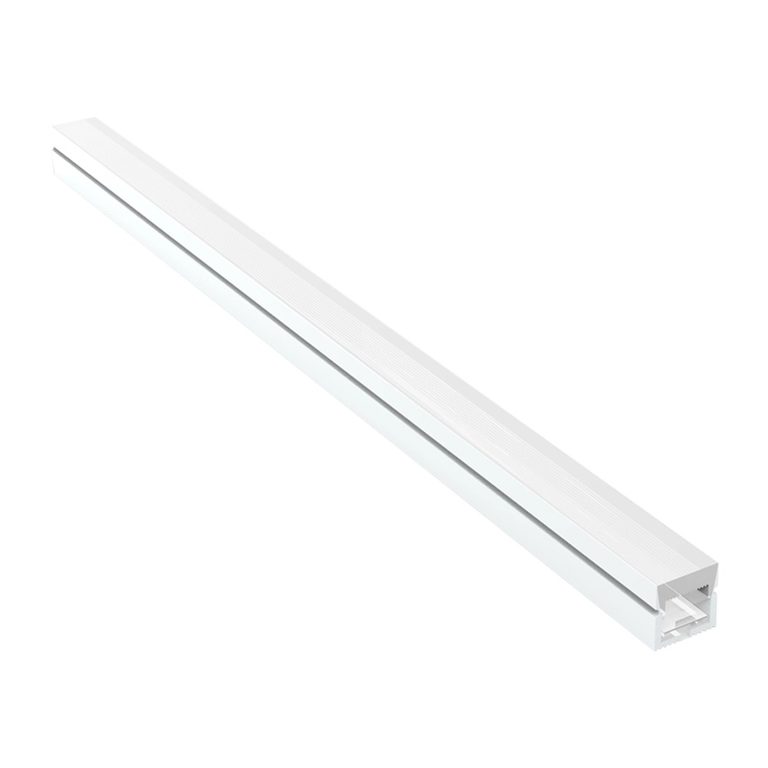
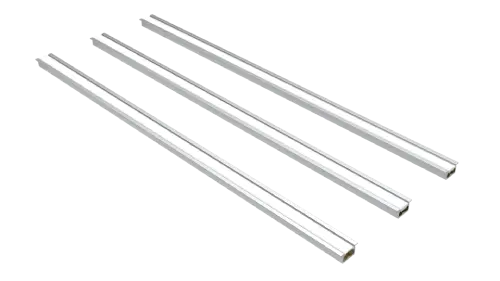
At LEDIA Lighting, we offer our Built-in Aluminum Strip Light F Series for whole-house furniture lighting and retail applications. Its patented quick plug-in terminal supports convenient connection, while the design is free-cutting and soldering-free. Supplied in lengths up to 3 meters, it can be cut to suit different installation requirements, helping reduce unnecessary waste and labor during fitting.
Match the Product to the Application
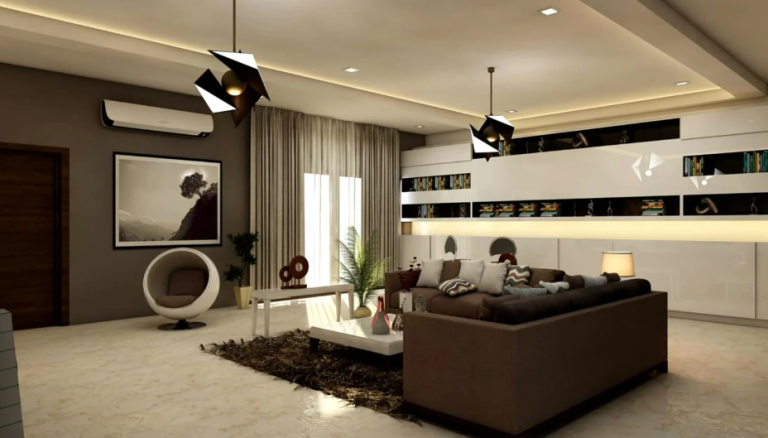
A suitable product should fit the physical space as well as the lighting objective. Built-in furniture applications often need discreet profiles that integrate with cabinetry, while retail displays may require adjustable color appearance to present different merchandise and materials. Buyers should check profile dimensions, installation clearances, connection direction, and access for future maintenance before approving a sample.
The F Series uses a two-wire CCT arrangement to create different lighting atmospheres for varied scenarios and preferences. It is suitable for wardrobes, closets, kitchen cabinets, other built-in furniture, and retail settings. For a free cut LED strip, confirm the cutting instructions and connection method before planning installation.
Evaluate the Supplier and the Supply Process
A dependable supplier should provide clear product documentation, answer technical questions, and explain how quality is controlled between sample approval and bulk delivery. Ask about production capacity, lead times, order quantities, packaging, inspection procedures, and the handling of defects or warranty claims. Check whether certifications are relevant to the exact product and the destination market rather than relying on a general company statement.
For project orders, approve a sample before mass production and keep its specification as the reference for color, finish, dimensions, and connection details. Confirm carton labeling, accessory quantities, and delivery milestones in writing. Document each free cut LED strip configuration in the purchase order. A capable LED strip supplier should also clarify installation limitations, cutting guidance, and compatible components so contractors are not left to resolve avoidable questions on site.
Compare Total Cost, Not Just the Quoted Price
The purchase price is only one part of the project cost. Include drivers, connectors, profiles, mounting hardware, wiring, freight, duties, installation labor, expected waste, and maintenance access in the comparison. A product that costs slightly more but installs faster or fits the design with less modification may offer better value across the project.
For wholesale lighting fixtures, ask suppliers to state what is included in the quotation and identify optional accessories separately. Compare lead times and replacement arrangements as well as payment terms. If the project will be delivered in phases, confirm whether the same product specification and appearance can be maintained across later orders.
Build a Clear Purchasing Plan
A successful lighting purchase begins with a complete project brief, a consistent specification, and a realistic review of installation and delivery requirements. Buyers should compare samples, verify documentation, and assess the supplier’s ability to support the project beyond the initial quotation. These steps make procurement more predictable and help prevent product mismatches.
At LEDIA Lighting, we provide lighting products for different commercial and residential applications, including the F Series built-in aluminum strip light. Its quick plug-in terminal, cut-to-length and soldering-free design, maximum length of 3 meters, and two-wire CCT function address practical furniture and retail installation needs. When selecting a free cut LED strip, project teams can share their drawings and requirements with us to identify a suitable configuration before confirming an order.