RGB COB LED strips are becoming an attractive option for commercial lighting projects that require flexible color control and smooth illumination. For distributors, lighting contractors, interior designers, and project specifiers, understanding their construction, performance, and installation requirements is essential before making purchasing decisions. By comparing RGB and RGBW configurations, evaluating technical specifications, and considering application conditions, buyers can select suitable products for different architectural and decorative lighting requirements.
Understanding How RGB COB LED Strips Work
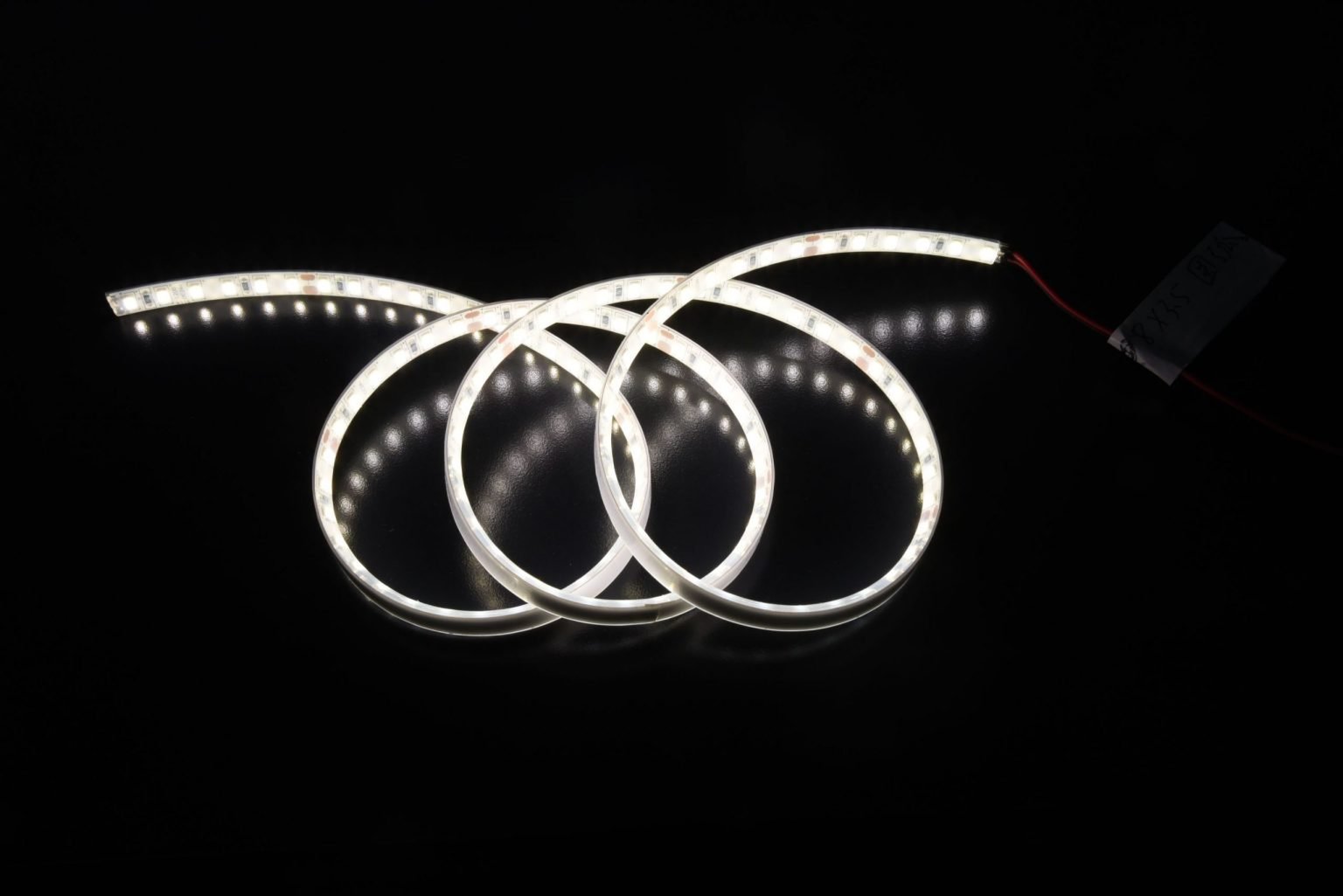
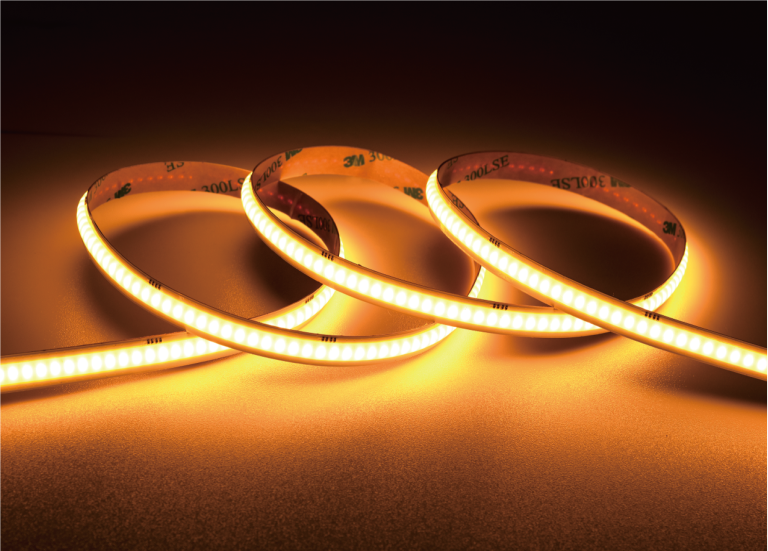
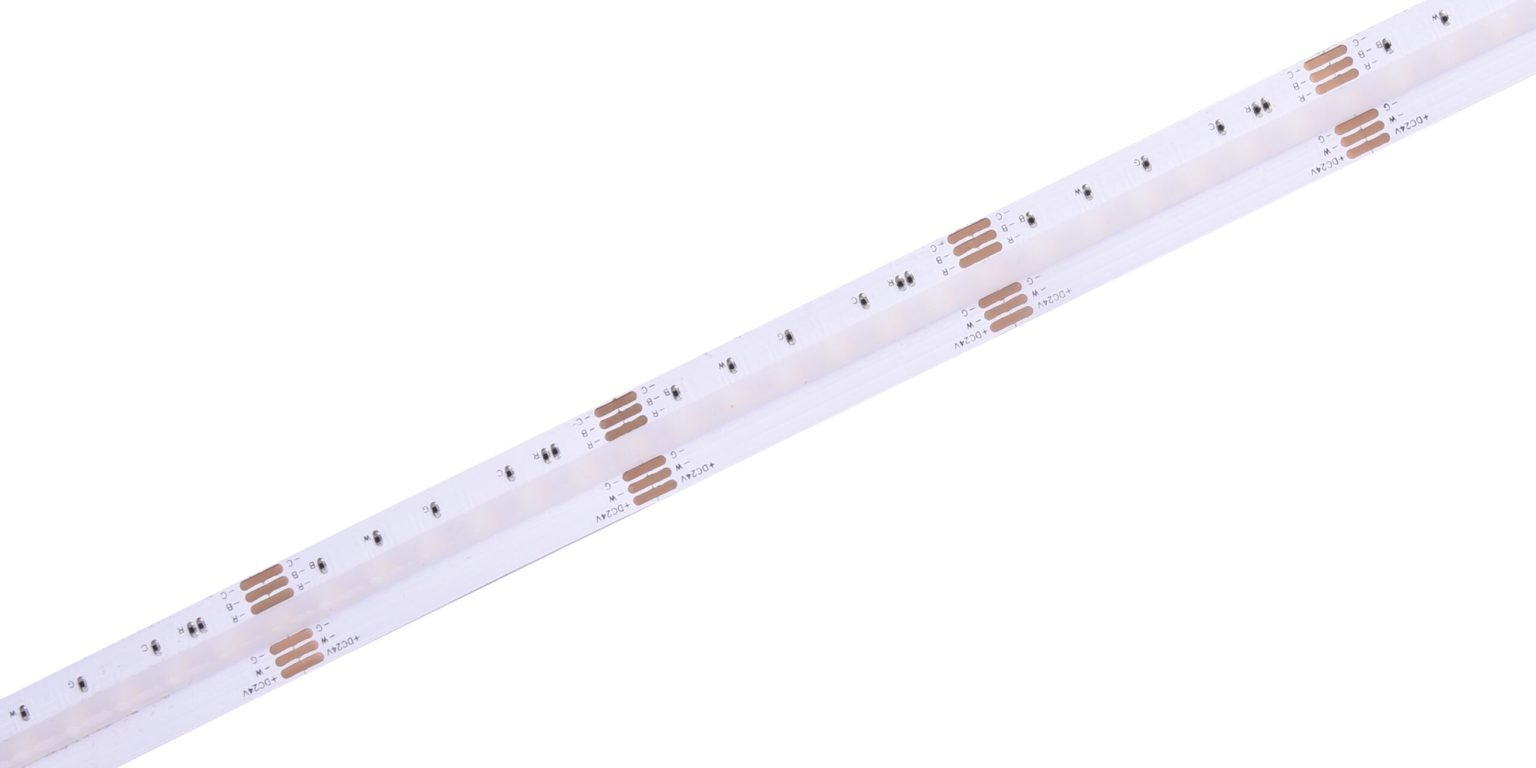
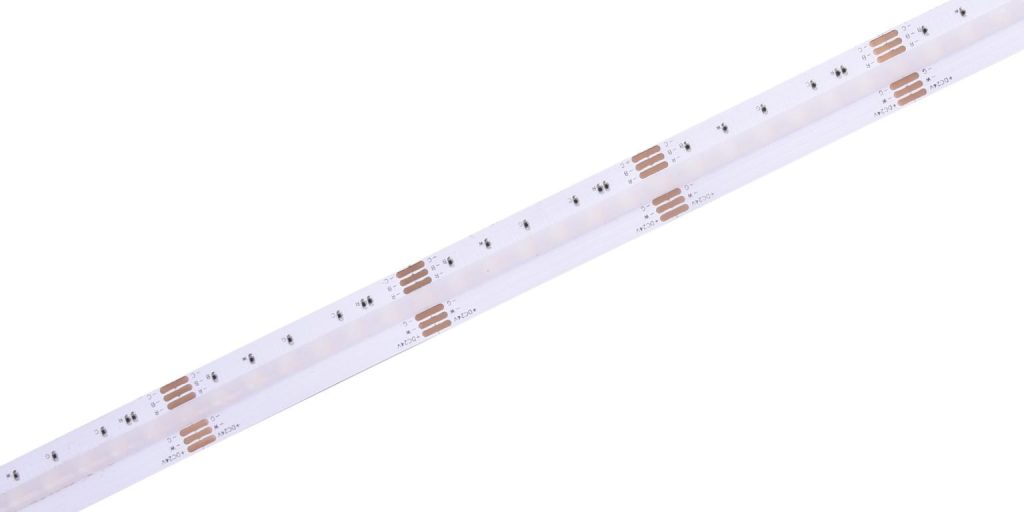
COB stands for Chip on Board, a technology in which multiple LED chips are mounted closely together on a circuit board and covered by a continuous light-emitting layer. Unlike conventional surface-mounted designs, this construction produces a more uniform luminous appearance with fewer visible bright spots.
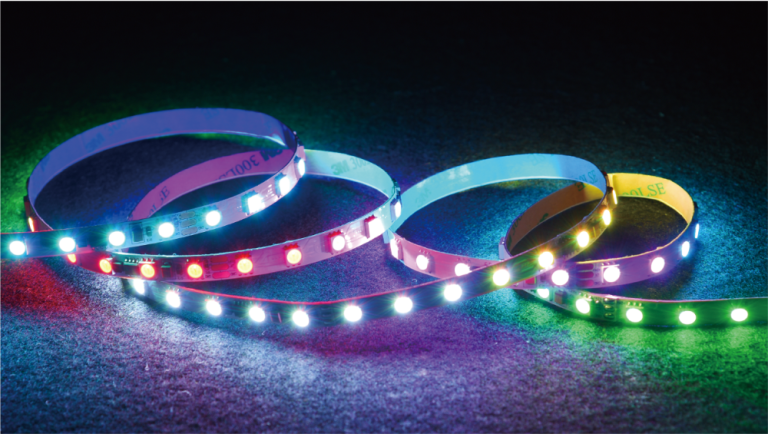
RGB technology combines red, green, and blue light sources. By adjusting the output of these three channels through a compatible controller, users can create different colors and dynamic lighting effects. Combining RGB color mixing with COB construction makes these strips suitable for applications where both visual continuity and color flexibility matter.
Compared with standard LED strip lights, COB products are particularly useful in installations where the light source remains visible or is positioned close to reflective surfaces. Their continuous appearance can help create cleaner lighting effects without requiring heavily diffused profiles.
RGB vs. RGBW: Which Configuration Should Buyers Choose?
RGB and RGBW are related technologies, but they serve slightly different purposes. An RGB strip produces colors by mixing red, green, and blue channels. Although these channels can create a range of colors, producing consistent, high-quality white light may be challenging.
An RGBW configuration adds a dedicated white LED channel. This allows users to switch between colorful lighting effects and a separate white-light output. For hospitality spaces, retail displays, and residential environments, this additional flexibility can be valuable.
An RGBW COB LED strip is worth considering when a project requires both decorative colors and practical white illumination. Buyers should evaluate the required white color temperature, color rendering, brightness, and control compatibility rather than assuming every RGBW product delivers the same performance.
Key Specifications to Evaluate Before Purchasing
Color rendering and luminous efficacy
CRI indicates how accurately a light source reveals object colors compared with a reference source. For retail displays, showrooms, and interior environments, CRI80+ may meet general requirements, while CRI90+ or CRI95+ can be preferable when more accurate color presentation is important.
Luminous efficacy, measured in lumens per watt, indicates how efficiently a product converts electrical power into visible light. Buyers should compare efficacy alongside total lumen output and application requirements instead of selecting products based on one specification alone.
Brightness and uniformity
A high-density COB arrangement helps create continuous illumination, but brightness still depends on chip configuration, electrical input, and product design. Standard LED strip lights may show individual LED points in exposed installations, whereas COB construction offers a smoother visual effect.
Cutting flexibility and dimensions
Project installations frequently involve corners, cabinets, shelves, and irregular architectural features. Buyers should check the cutting interval, strip width, thickness, and minimum bending diameter before confirming a model. A smaller cutting unit can simplify precise installation, particularly in customized furniture and narrow spaces.
Protection and durability
The IP rating should match the installation environment. IP20 is generally intended for dry indoor locations, while IP65, IP67, and IP68 options offer different levels of protection against dust and water exposure. Buyers should also verify connection sealing and installation conditions.
Controller, Power Supply, and Installation Considerations
Selecting the correct power supply and controller is just as important as choosing the strip itself. RGB products require controllers that support three color channels, while an RGBW COB LED strip needs a compatible four-channel control system. Voltage, current capacity, and connection arrangements must match the selected product.
For power planning, calculate the total load by multiplying the strip’s rated power per meter by the installed length. The power supply should provide sufficient capacity with an appropriate operating margin. Longer installations may also require additional power injection points to reduce voltage drop and maintain consistent brightness.
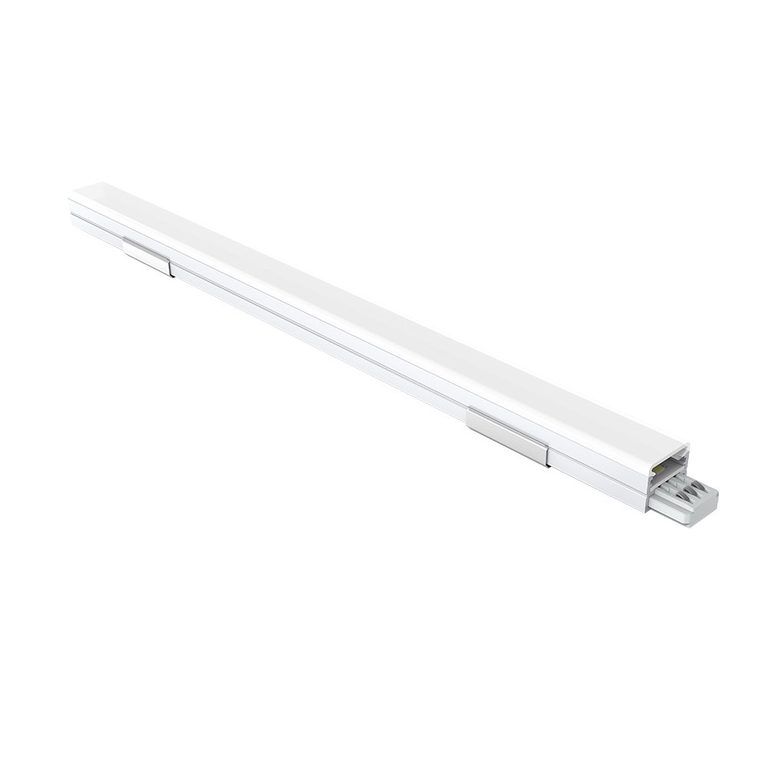
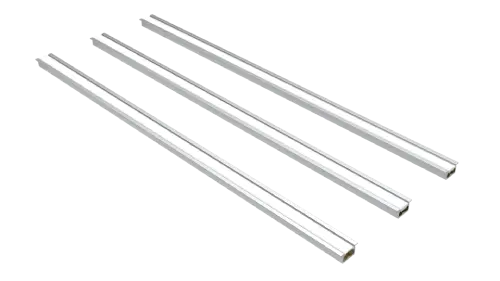
Installation conditions deserve equal attention. The mounting surface should be clean, dry, and suitable for the strip’s adhesive backing. Aluminum profiles can provide mechanical protection and help dissipate heat. For waterproof versions, installers should pay particular attention to cut ends, connectors, and cable entry points.
Buyers should also confirm whether the project requires remote control, smartphone operation, programmed color transitions, or integration with a building control system. These requirements influence controller selection and wiring design. Testing a representative sample before bulk installation can help identify compatibility problems early.
Where RGB COB LED Strips Deliver Practical Value
Retail and commercial displays: Retail environments frequently use colored lighting to emphasize products, create visual themes, and attract customer attention. COB strips provide a continuous appearance along display shelves, counters, and decorative edges. When selecting between RGB and white-light options, buyers should consider whether product color accuracy or promotional effects are the priority.
Hospitality and residential interiors: Hotels, restaurants, bars, and residential projects often combine ambient lighting with decorative effects. RGB solutions support changing scenes for different activities, while an RGBW COB LED strip can provide an additional white-light channel for more functional illumination.
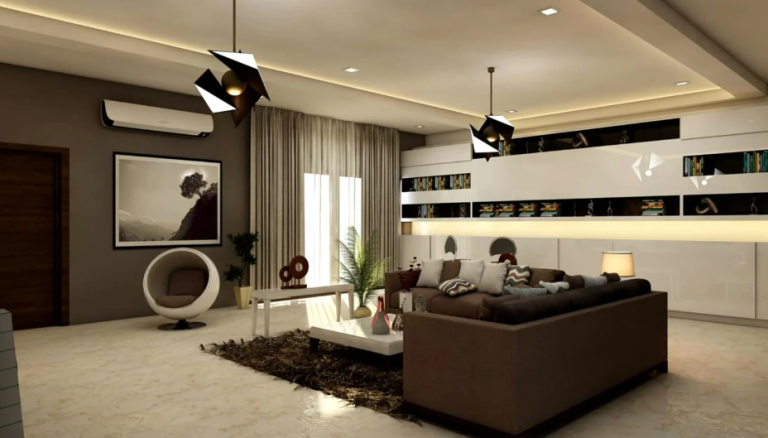
Architectural and decorative applications: Recessed details, coves, furniture edges, and display structures can benefit from narrow, flexible lighting products. Their uniform output helps create visually consistent lines, particularly where the lighting installation is directly visible.
For projects requiring straightforward white illumination rather than color-changing effects, standard LED strip lights remain a practical alternative. Comparing both product categories helps buyers avoid paying for control functions that their applications do not need.
Why Product Selection Should Include Manufacturer Evaluation
A product’s specifications are only part of the purchasing decision. Project buyers should also examine manufacturing consistency, customization capabilities, quality control, delivery arrangements, and after-sales support. These factors become especially important when ordering large quantities or supplying multiple project locations.
At LEDIA Lighting, we provide COB Free Cut Series options designed for different indoor lighting requirements. Our COB products feature uniform, dot-free illumination and super-narrow designs, making them suitable for office, residential, retail, and decorative applications.
Our product specifications include CRI80+, CRI90+, and CRI95+ options, with selected configurations achieving luminous efficacy of up to 120 lm/W. We also offer IP20, IP65, IP67, and IP68 protection options, together with a three-year warranty. Buyers can evaluate these characteristics according to their project requirements and installation environments.
When comparing standard LED strip lights with COB alternatives, procurement teams should request detailed product datasheets, sample units, and confirmation of cutting specifications. For color-changing applications, they should separately verify the availability of RGB or RGBW configurations and their controller compatibility. This prevents assumptions about features that may differ between models.
Making the Right Choice for Your Lighting Project
Choosing an RGB COB solution involves balancing lighting quality, color flexibility, installation requirements, and long-term reliability. Buyers should assess the complete system, including the strip, controller, power supply, and mounting accessories, before placing bulk orders.
At LEDIA Lighting, we aim to support diverse project needs through flexible COB lighting options. Whether your application requires continuous decorative illumination or an RGBW COB LED strip for combined color and white-light functions, matching product specifications to the intended environment is the foundation of a successful lighting project.