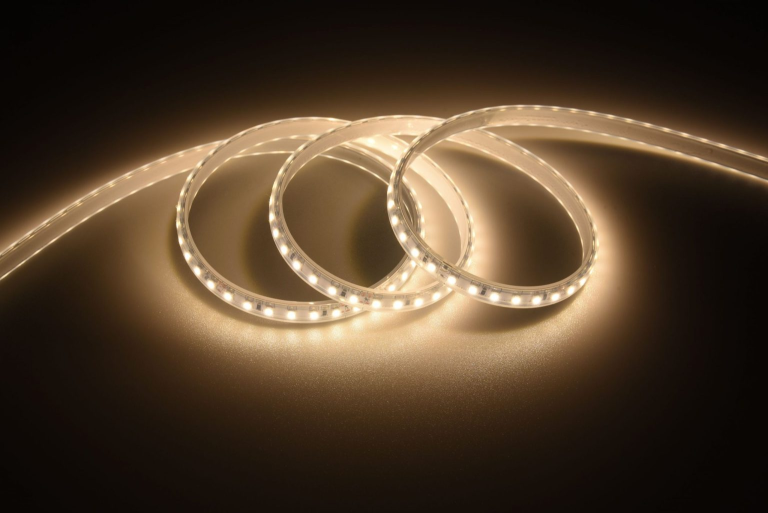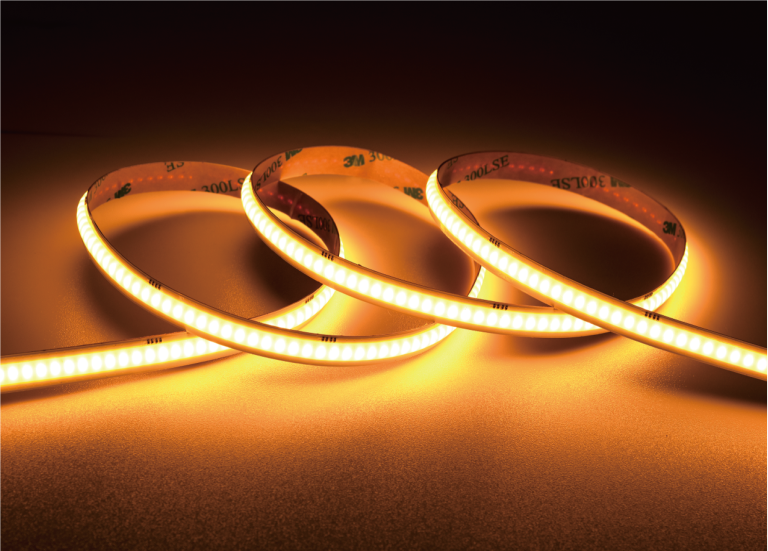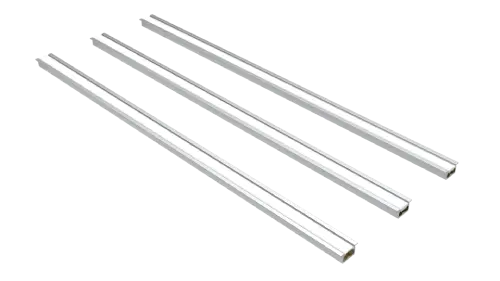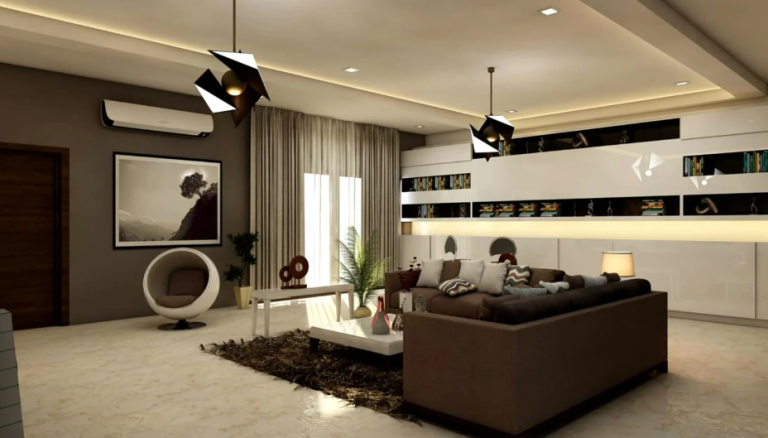
Flush-mounted lighting suits commercial interiors where the light source should support the design rather than dominate it. For furniture makers, retail fit-out contractors, distributors, and project specifiers, an integrated linear detail can refine shelves, wardrobes, counters, and display units. Aluminum strip light combines a defined mounting structure with a discreet appearance and practical installation benefits.
Buyers should assess the substrate, recess dimensions, strip size, thermal conditions, wiring, and maintenance access. A well-matched system can simplify installation; poor planning can lead to rework.
A Cleaner Finish for Furniture and Retail Displays
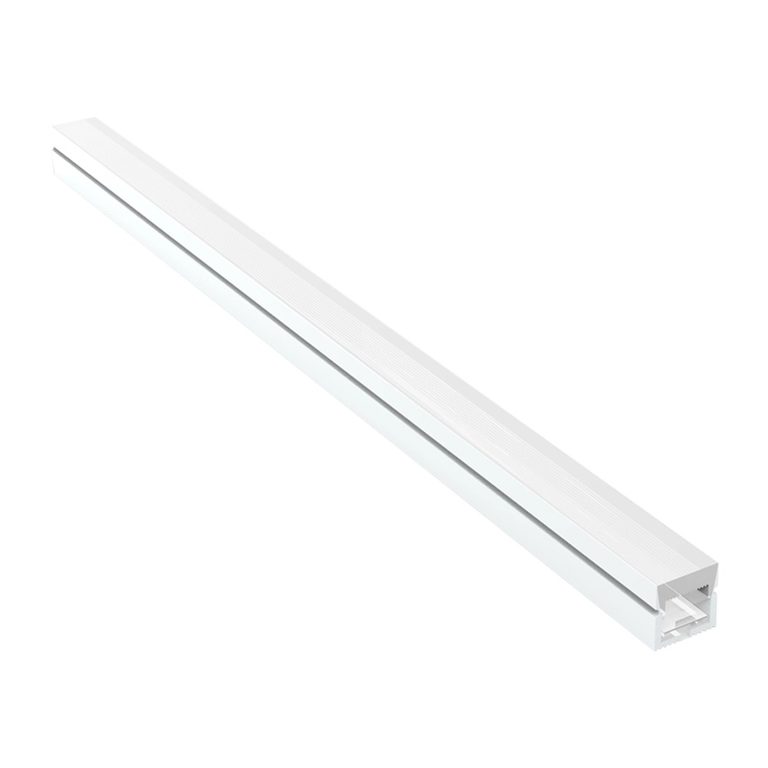
A flush installation places the channel within a prepared groove, so less of the housing projects from the surface. A recessed LED profile can make the light line feel integrated. This works beneath cabinets, inside wardrobes, along shelves, or around showcases. Compared with exposed tape, an aluminum strip lighting system gives installers a controlled edge and a purpose-built location for the light source.
A tidy light line can draw attention to merchandise and make displays easier to read without adding a bulky fixture. In furniture, integrated lighting preserves the intended lines of the joinery.
Thermal Management and Mechanical Support
LED strips convert some electrical energy into heat. An aluminum housing can conduct heat away from the strip’s circuit board and spread it across a larger surface, supporting thermal management when the strip is correctly attached. This matters in enclosed furniture, where airflow may be limited. Results depend on strip wattage, profile dimensions, contact quality, and the surrounding installation.
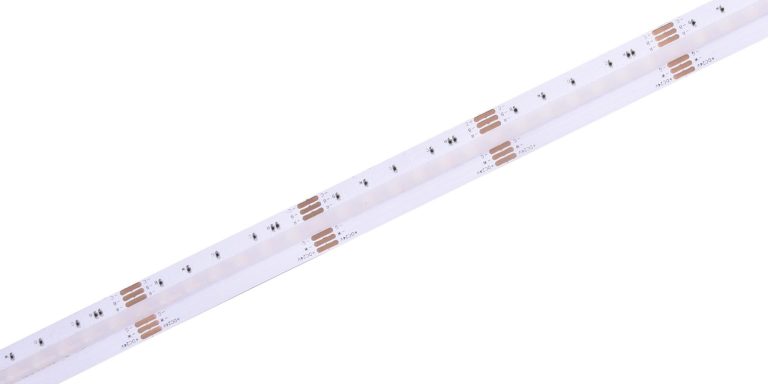
A recessed LED profile also provides a stable base for mounting the strip. The channel helps keep the tape aligned and can reduce direct handling or accidental contact. Aluminum alone does not guarantee a particular service life: the strip, adhesive, driver, ambient temperature, and installation method also influence performance.
Plan the Recess Before Ordering
Start with dimensions. Confirm the profile’s external width and height, the internal space for the LED tape, and the required groove width and depth. Include any flange, end cap, connector, or cable exit. A recessed LED profile that fits the strip but not the prepared opening may sit proud of the surface or require adjustments to finished furniture.
Substrate thickness matters too. A narrow cabinet panel may not allow enough depth without weakening the material. For retail projects, coordinate routing with joinery drawings and the production sequence. A sample section made from the actual panel material can help confirm fit before full production begins.
Match Light Quality to the Application
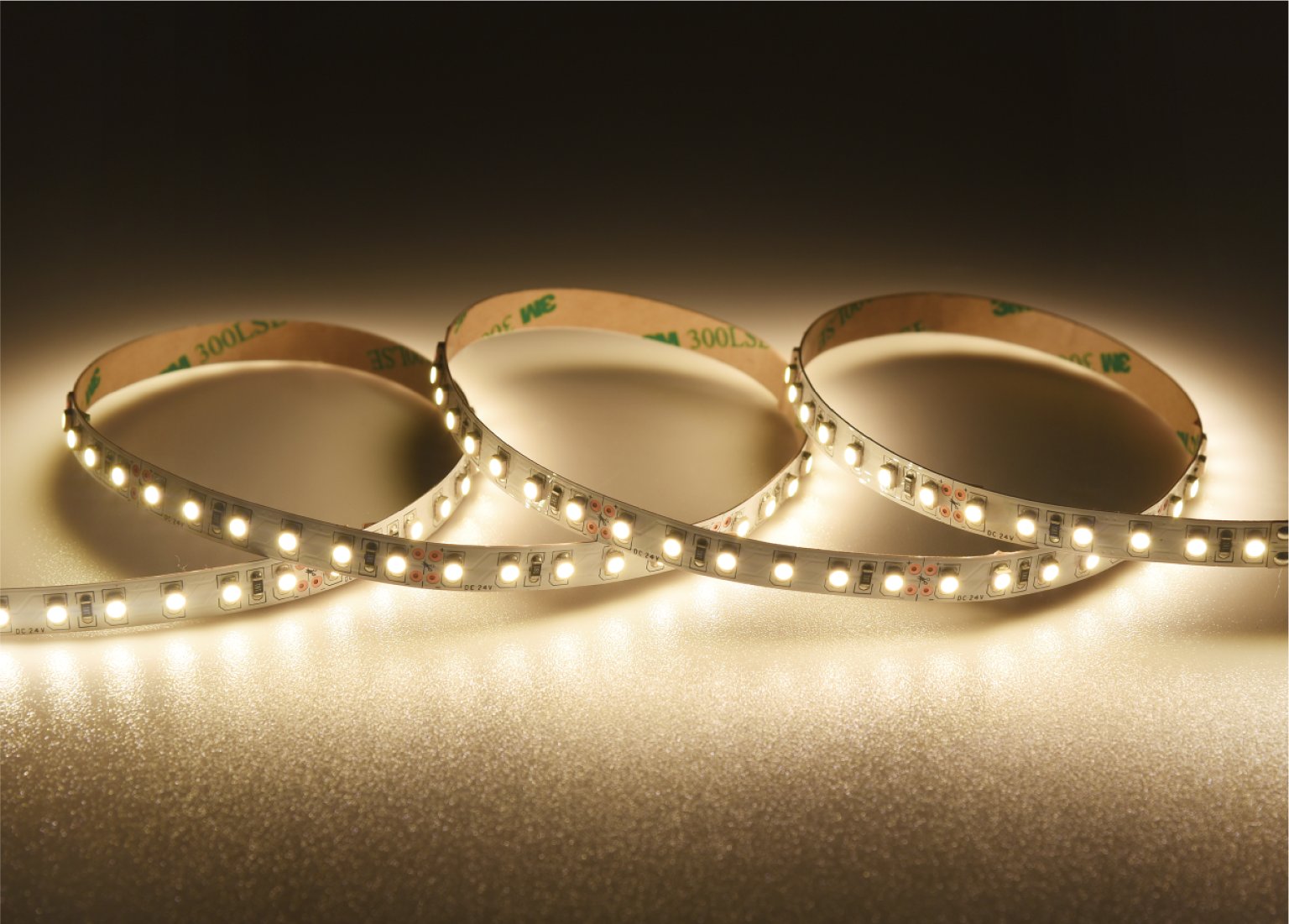
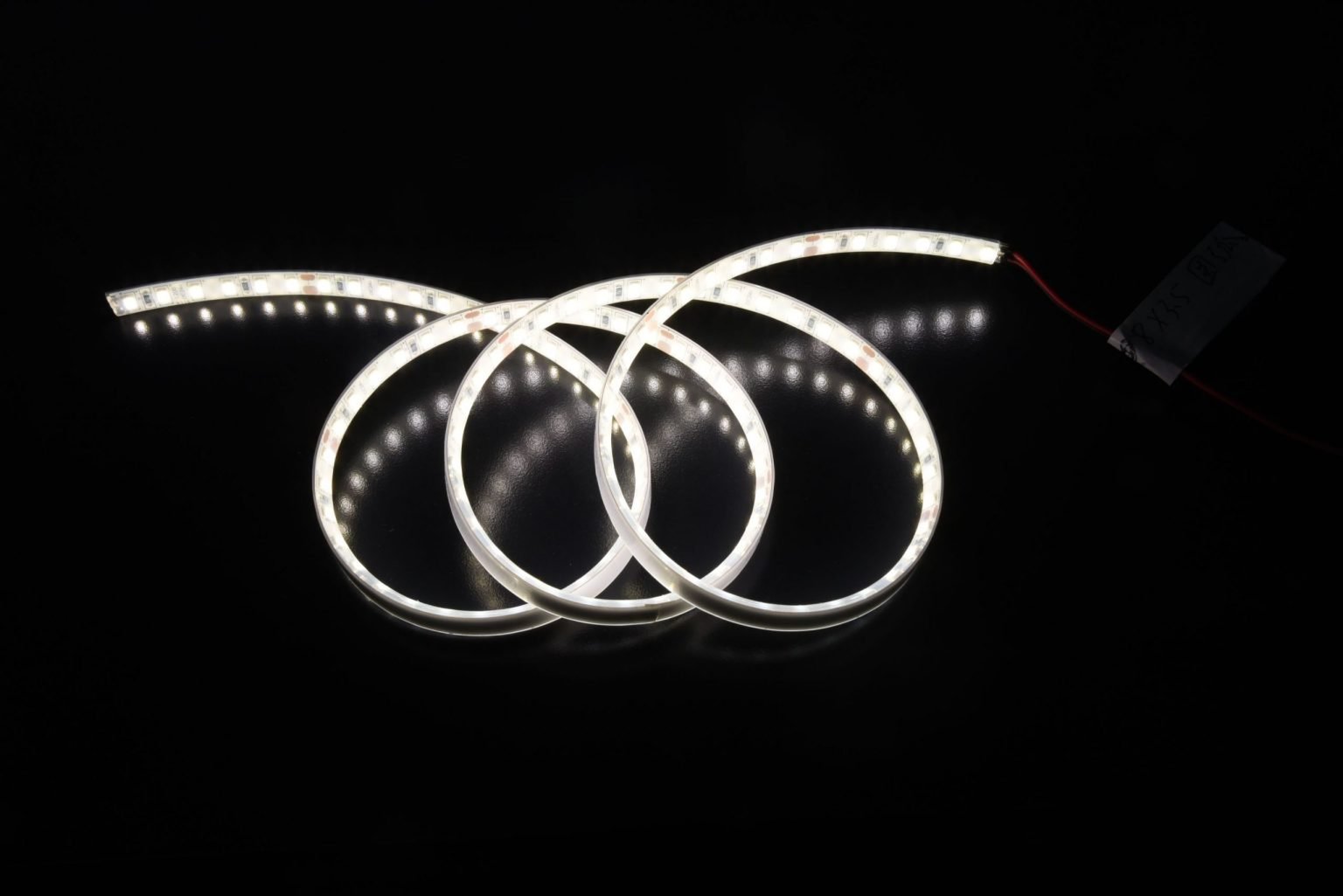
The channel is only one part of the optical system. LED density, output, color temperature, viewing angle, and diffuser type influence the final appearance. A diffuser can soften visible LED points, but does not guarantee a continuous line. Assess the strip, housing, and cover together.
For showcases, the priority may be product visibility and accurate color appearance. Wardrobe and cabinet lighting may call for comfortable illumination without distracting bright spots. Testing a sample under representative conditions is more reliable than selecting components from separate specification sheets.
Installation Efficiency and Custom Lengths
Labor and repeatability matter when a project includes many cabinets or display bays. A system prepared to the required length and connected without complex on-site soldering may help installers work consistently. Buyers should confirm permitted cutting points, connector compatibility, wiring methods, and the manufacturer’s instructions for the planned configuration.
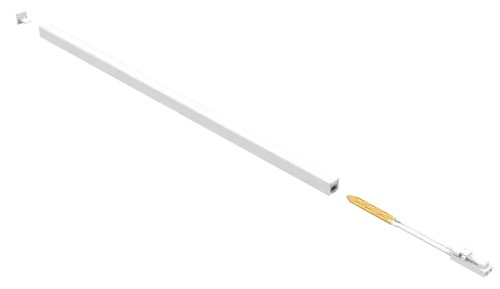
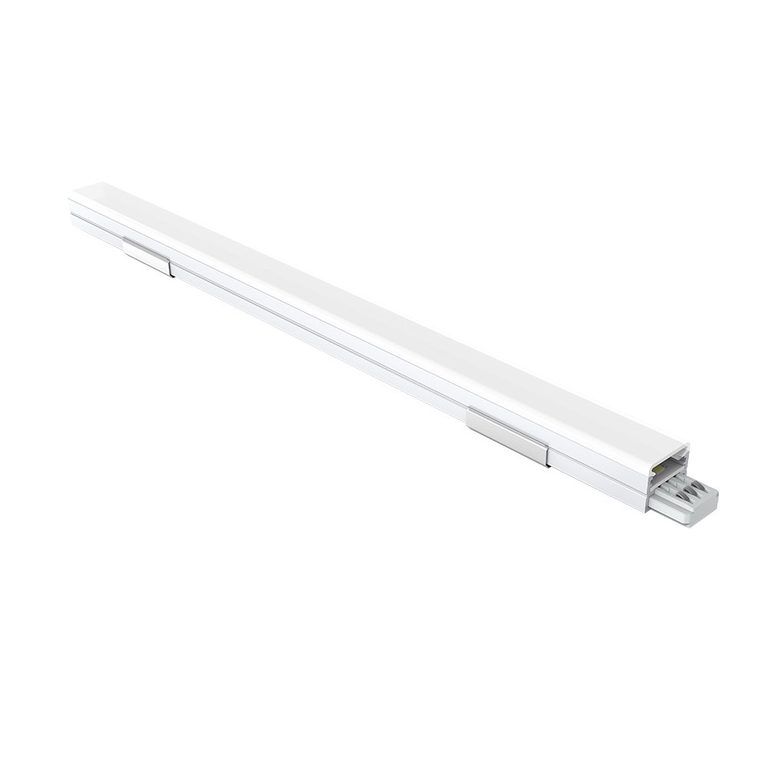
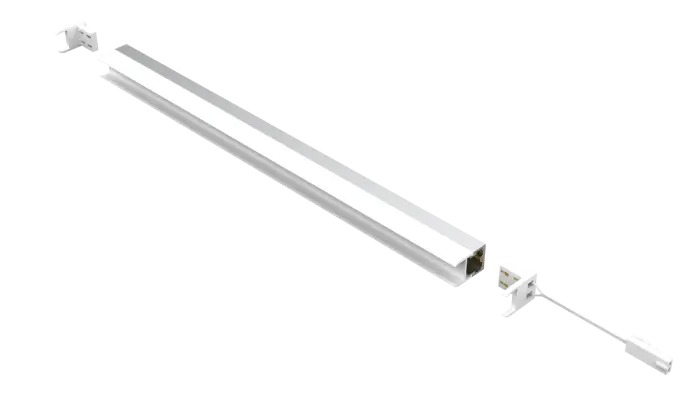
Our F02 built-in aluminum strip light is designed for furniture and retail lighting. Its patented quick plug-in design supports free cutting and soldering-free installation, helping teams adapt lengths to different applications. The slim aluminum housing provides a built-in format, while its heat-dissipation function supports the LED PCB. Uses include under-cabinet lighting, closets, wardrobes, and showcases.
When evaluating the system, request current product drawings, cutting guidance, connection details, and samples. These checks confirm suitability for the furniture and installation workflow. Do not assume every strip can be cut at any point; follow product-specific instructions.
Check Maintenance, Wiring, and Environmental Conditions
A flush finish should not make servicing difficult. Confirm how the diffuser or light source can be accessed, where the driver will sit, and whether connectors remain reachable after assembly. Plan cable routes before fabrication to avoid visible wiring, tight bends, or last-minute drilling. For larger installations, verify voltage drop and power-supply sizing.
An aluminum housing is not automatically waterproof, dustproof, or suitable for damp locations. If a display may encounter moisture, cleaning chemicals, or frequent handling, verify the ratings of the strip, connections, power supply, and enclosure as a system. Choose a recessed LED profile for documented dimensions and performance, not appearance alone.
Specify for the Finish and the Whole Project
Aluminum channels work best when appearance, thermal role, dimensions, and installation method are considered together. For repeat furniture production or retail fit-outs, early coordination can reduce cutting errors and support consistent assembly. Compare suppliers on drawings and connection methods, not price alone.
At LEDIA Lighting, we develop lighting solutions for furniture and retail applications, including the F02 built-in aluminum strip light. Its free-cutting and soldering-free plug-in design can help teams create integrated linear lighting with less complicated on-site work. Confirming the recess, strip specification, wiring, and service plan before ordering helps buyers select aluminum strip lighting that meets design intent and project requirements.