SMD LED strips suit commercial and architectural projects because they combine compact construction, flexible installation, and varied output. For distributors, contractors, designers, and procurement teams, understanding the technology helps translate a catalogue into a practical specification. A knowledgeable LED strip supplier can help verify these details. Buyers should assess brightness, color quality, spacing, controls, protection, and manufacturer support. These factors affect visual results and installation reliability.
What Are SMD LED Strips?
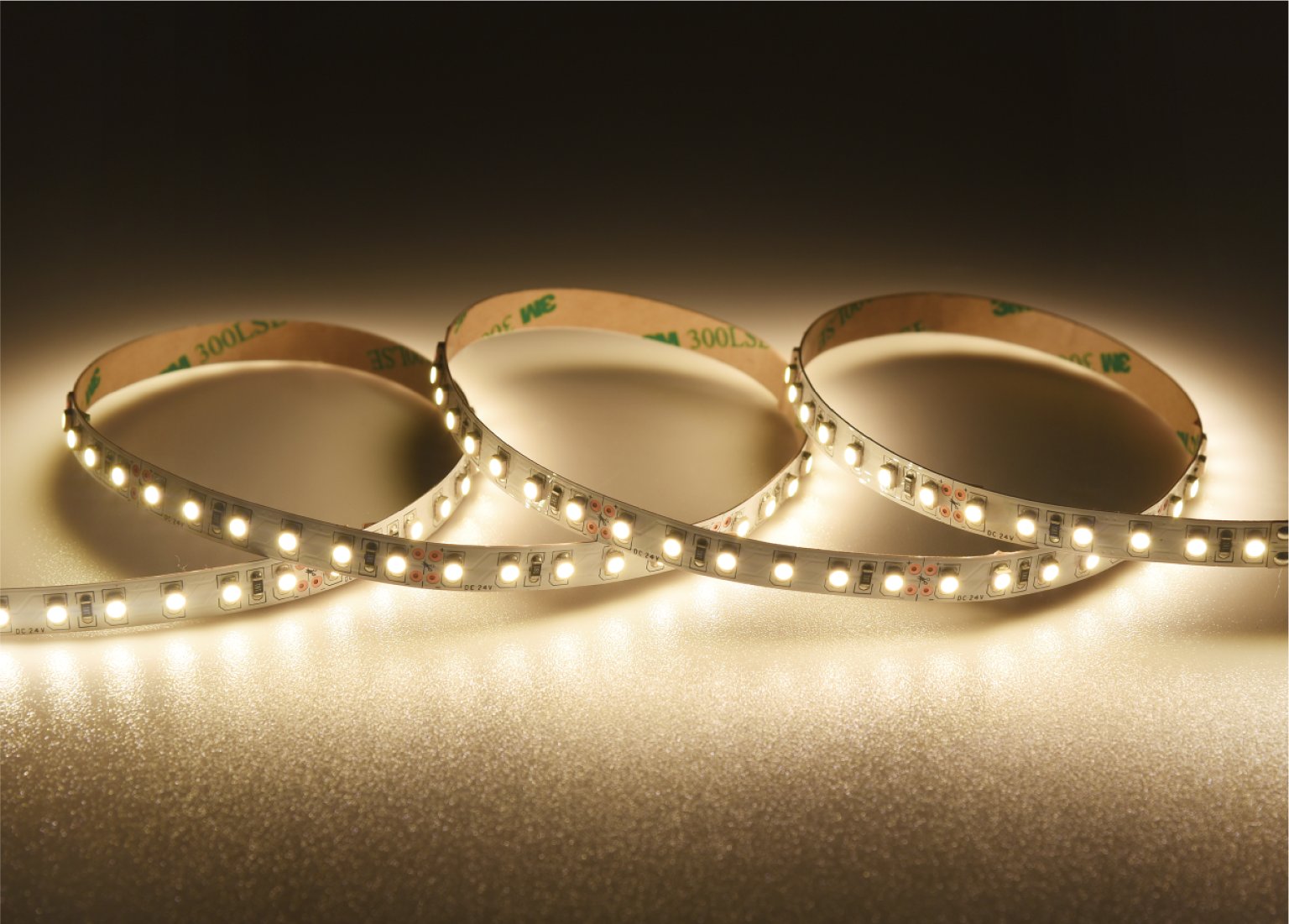
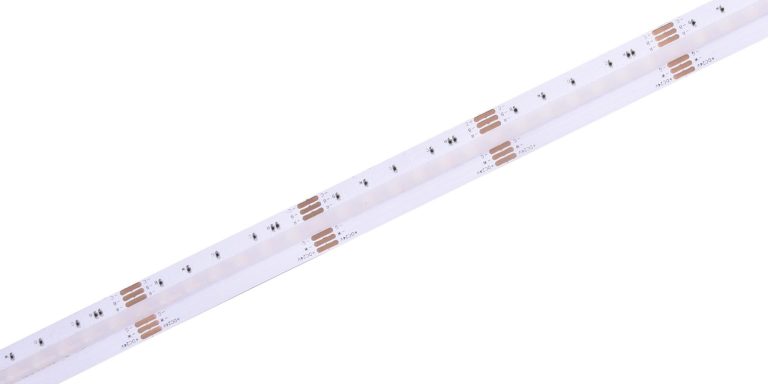
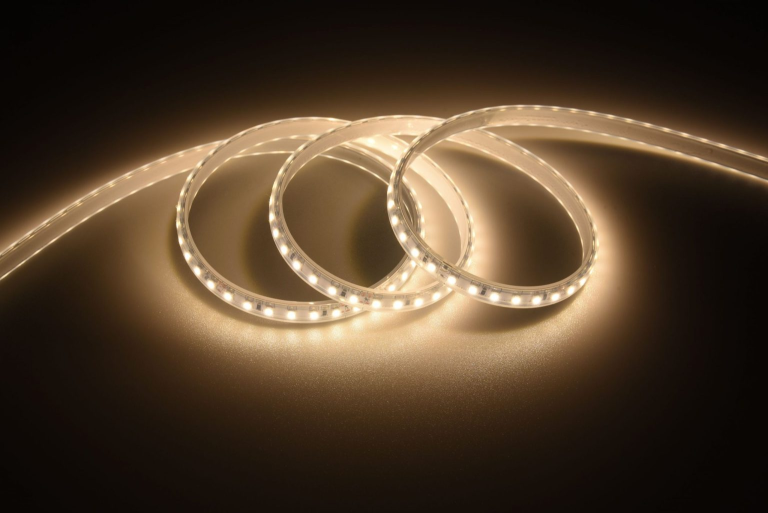
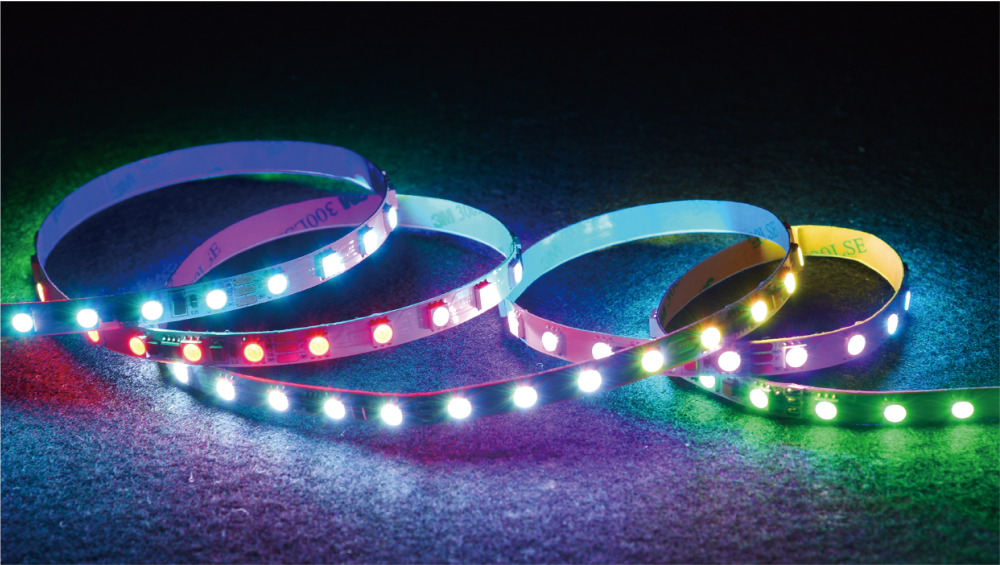
SMD stands for Surface-Mounted Device. In an SMD LED strip, individual LED packages are mounted directly onto a flexible printed circuit board. The board carries conductive paths and components that distribute electrical power. Strips can be cut at designated points and installed along suitable surfaces, profiles, or architectural details.
Package sizes serve different purposes. The 2835 is common in white-light applications, while 5050 packages are often selected for color-changing designs because they can accommodate multiple chips. Package size alone does not determine brightness or quality; efficiency, current, thermal management, and layout also matter.
Standard SMD Strips and Digital Options
A conventional SMD strip generally operates as one lighting zone: connected LEDs change brightness or color together. Digital or addressable strips add control chips that allow individual LEDs or defined groups to display different colors and effects. This supports animated patterns, chasing effects, and programmable displays.
Our LEDIA Lighting Digital Series is designed for programmable LED strip applications, including SPI-controlled and magic LED strips. It features high-quality 2835 and 5050 SMD LEDs, full-color programmable output, addressable control, and support for multiple controllers. A conventional strip may suit continuous accent lighting, while a digital strip is more appropriate when a design calls for dynamic sequences.
Specifications Buyers Should Compare
LED density and light distribution
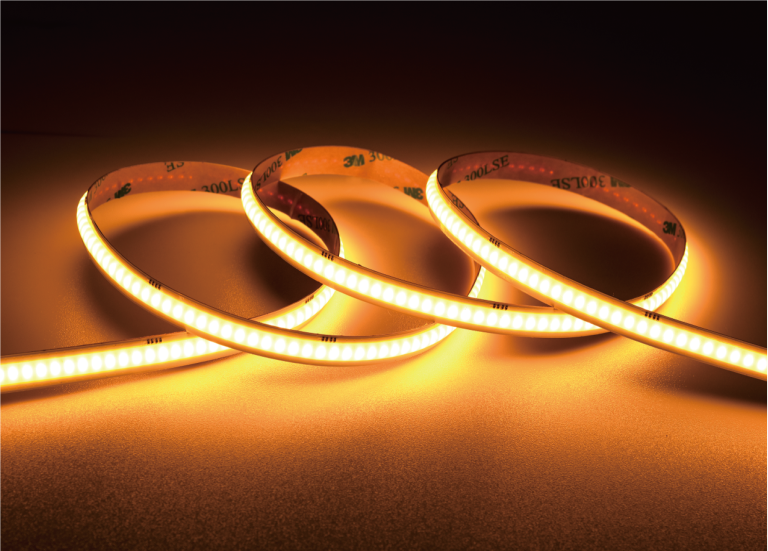
LED density, expressed as LEDs per meter, affects source spacing and the illuminated surface. Higher density can reduce visible gaps in shallow profiles or behind diffusers. Review installation distance and diffuser type rather than assuming the highest density is necessary.
Brightness and power
Check luminous output, power consumption per meter, operating voltage, and maximum run length together. High-output strips may need larger power supplies and careful voltage-drop planning. Longer runs may require power injection at multiple points. A qualified LED strip supplier should provide clear electrical data for sizing drivers and wiring.
Color and control compatibility
For digital projects, confirm the signal protocol, control IC, data direction, pixel resolution, and controller compatibility. SPI systems are not universally interchangeable, so the controller must support the strip’s protocol. Also determine whether the project needs RGB, RGBW, or single-color output before procurement.
Ingress protection
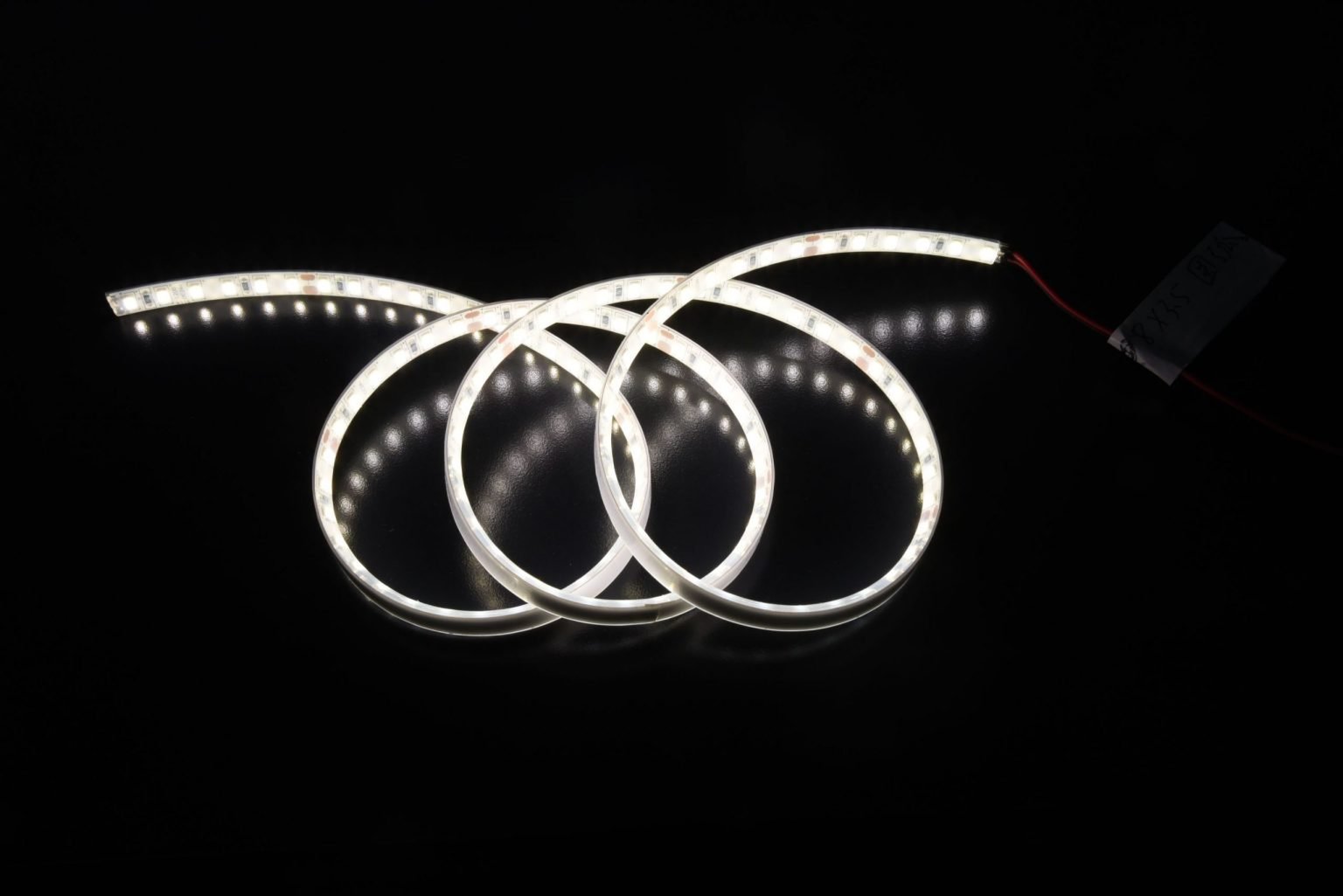
The IP rating should match the installation environment. IP20 is generally used in dry indoor locations, while IP65 and IP67 versions provide different levels of protection against dust and water. Verify the rating of the complete assembly, including connectors and cut ends.
Planning Installation and System Integration
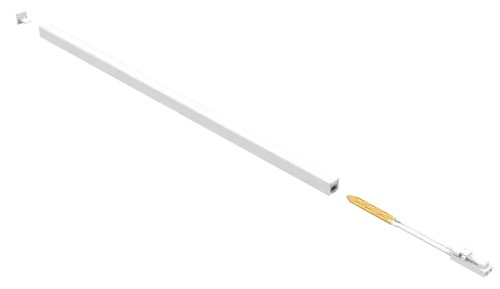
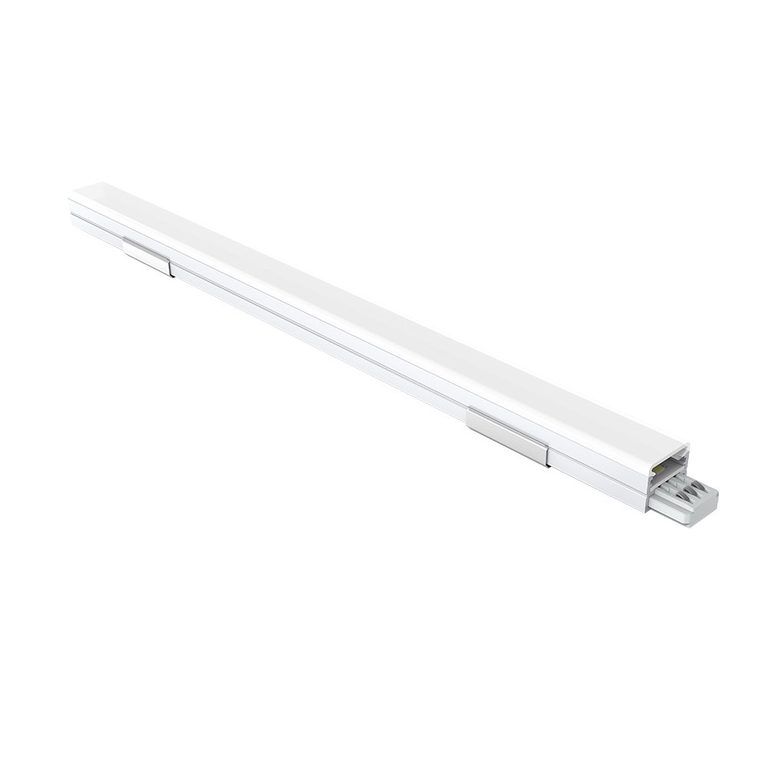
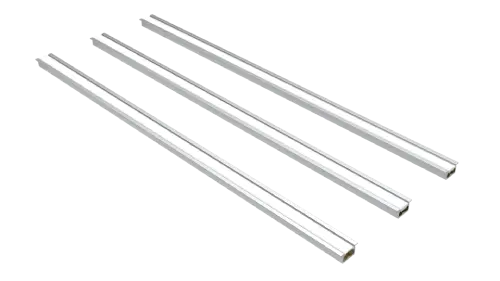
Before ordering, confirm strip width, cutting interval, bending limits, mounting surface, and wiring space. Cut only at marked points. Aluminum profiles support installation and heat management, while diffusers soften individual light points.
Select power supplies and controllers as one system. Calculate the load from watts per meter and total length, then allow suitable capacity for reliable operation. For digital products, plan data connections and controller locations alongside power wiring. Test a sample section for color, effects, brightness, and signal stability before installing the full quantity.
Where Digital SMD Strips Add Value
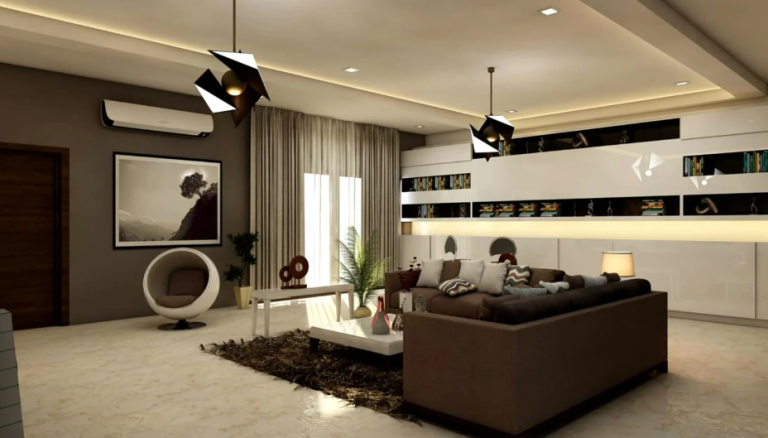
Addressable lighting is useful when a project needs more than static illumination. Retail displays can use programmed effects to highlight promotions or product zones. Hotels, restaurants, and entertainment venues can create changing scenes, while architectural installations can use flowing colors to emphasize building outlines and landscape features.
Our Digital Series supports decoration lighting projects requiring high brightness, full-color output, and programmable effects. Options include IP20, IP65, and IP67 versions, allowing buyers to match protection requirements to the site. As an LED strip light manufacturer, we recommend confirming installation conditions and control plans early, particularly for projects with multiple zones or synchronized effects.
Choosing a Reliable Manufacturing Partner
Buyers should also evaluate each LED strip light manufacturer’s production consistency, material checks, electrical testing, documentation, customization, lead times, and after-sales support. Request datasheets and samples, and confirm delivered models match approved specifications, especially for repeat orders.
When evaluating an LED strip supplier, consider whether technical teams can explain controller matching, power planning, cutting limits, and waterproof installation. A capable partner identifies specification gaps before production. Clarify warranty terms and defect-handling procedures.
At LEDIA Lighting, we provide SMD strip options for decorative and project-based applications. We work to support buyers seeking an experienced LED strip light manufacturer. Our Digital Series combines 2835 and 5050 SMD LED choices with addressable, full-color, programmable functions and multiple-controller support. We encourage buyers to match product configuration, protection level, and control requirements to actual site conditions.
Build a Better-Specified Lighting Project
Understanding SMD technology helps buyers make decisions based on performance rather than package labels alone. Check LED density, electrical ratings, color capabilities, control protocols, and IP protection to reduce compatibility risks. Working with an experienced LED strip supplier also helps validate technical details before installation. For programmable effects, choose a compatible digital system and test it before deployment. LEDIA Lighting can support project discussions with our Digital Series options and product information.