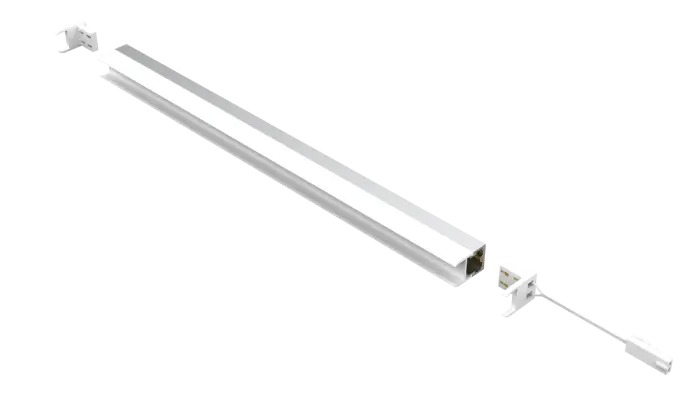
LED strip lighting is a practical choice for projects that need compact, adaptable illumination without bulky fixtures. It is used in homes, offices, retail spaces, hospitality interiors, and decorative installations. Understanding the basic differences between strip types, protection levels, and performance options makes product selection more straightforward. This guide introduces standard LED strip lights, explains common applications, and considers when a PVC neon light may be a better fit.
How LED Strip Lighting Works
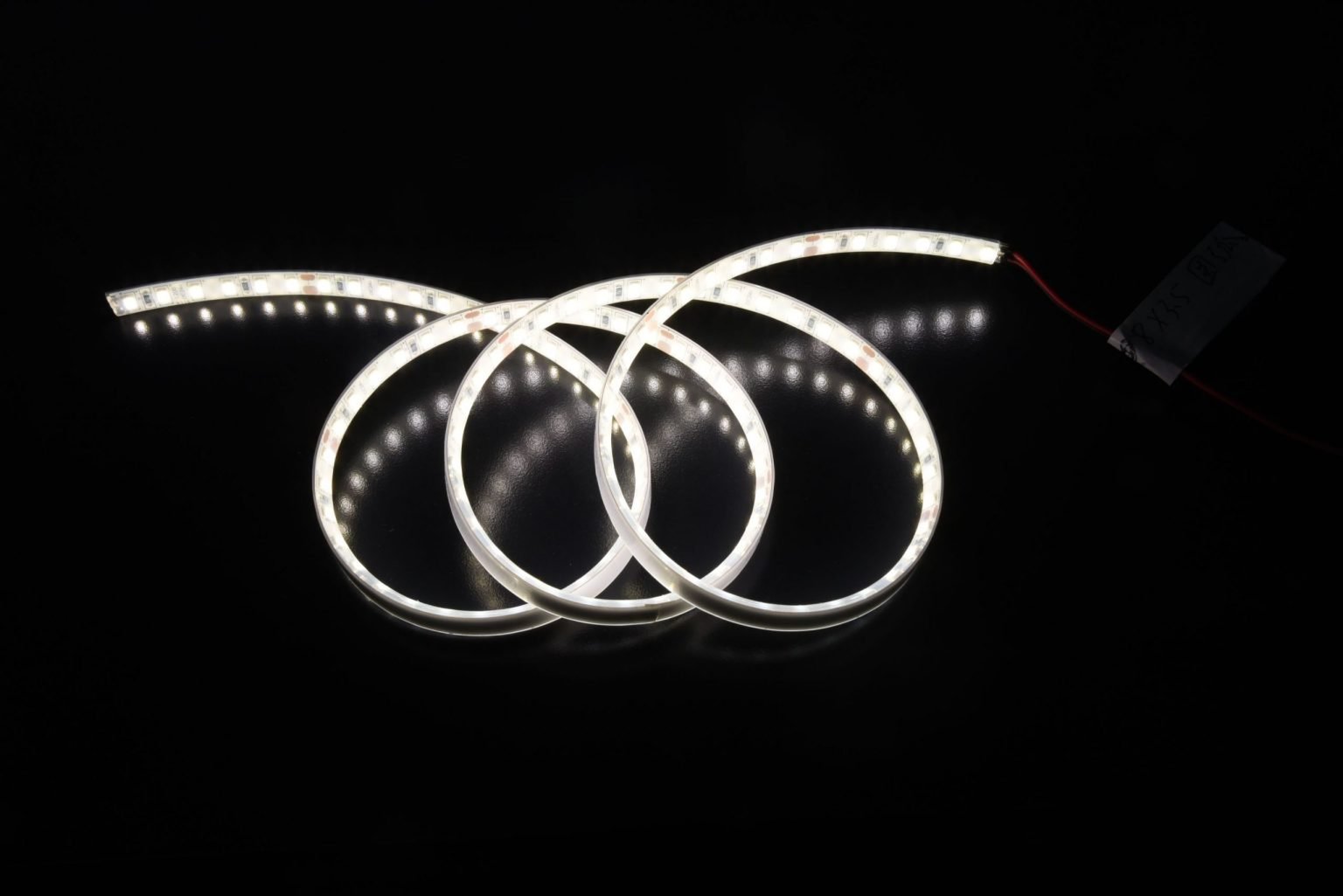
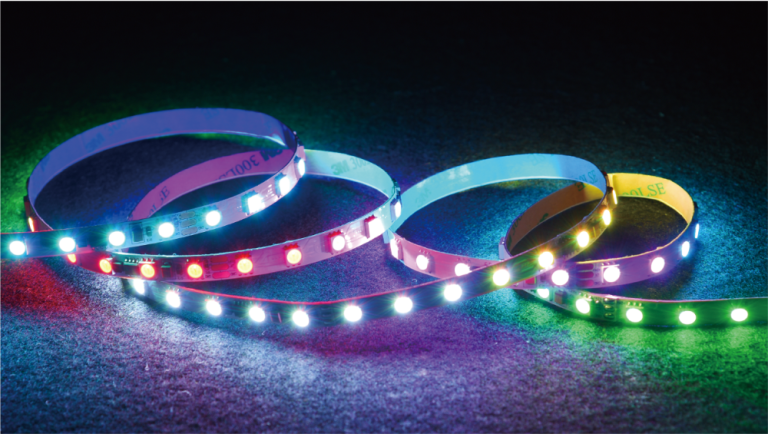
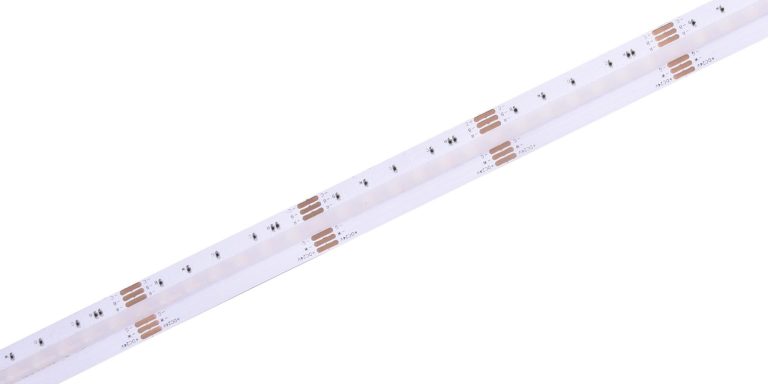
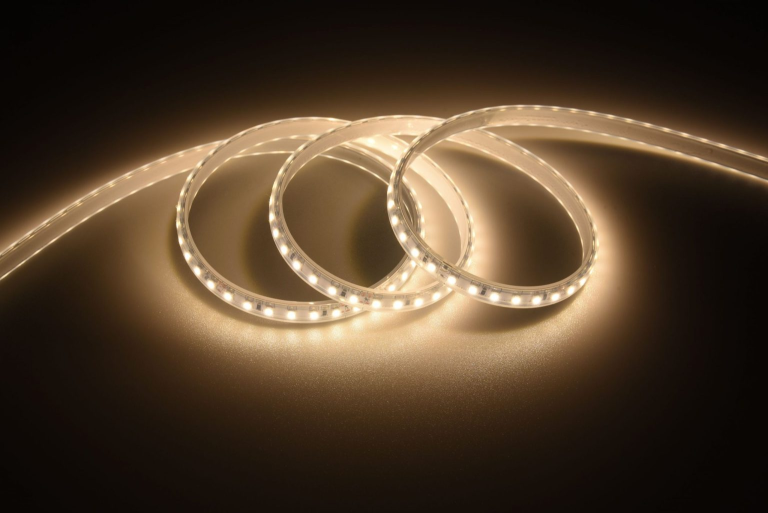
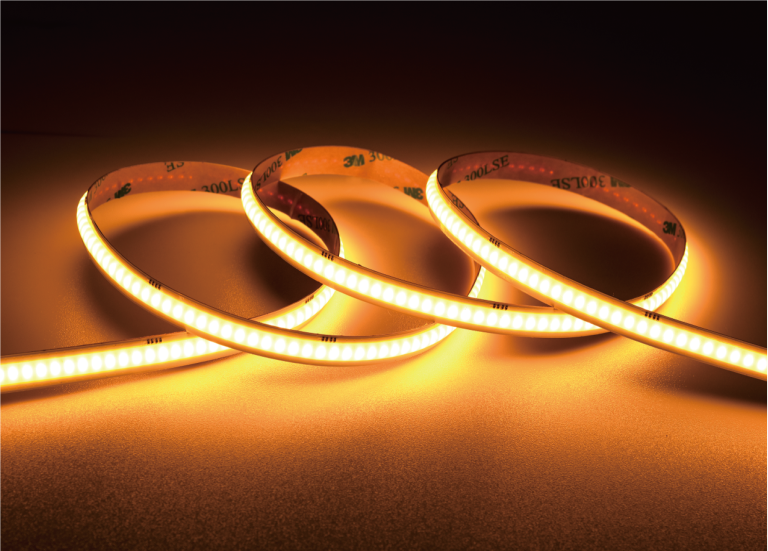
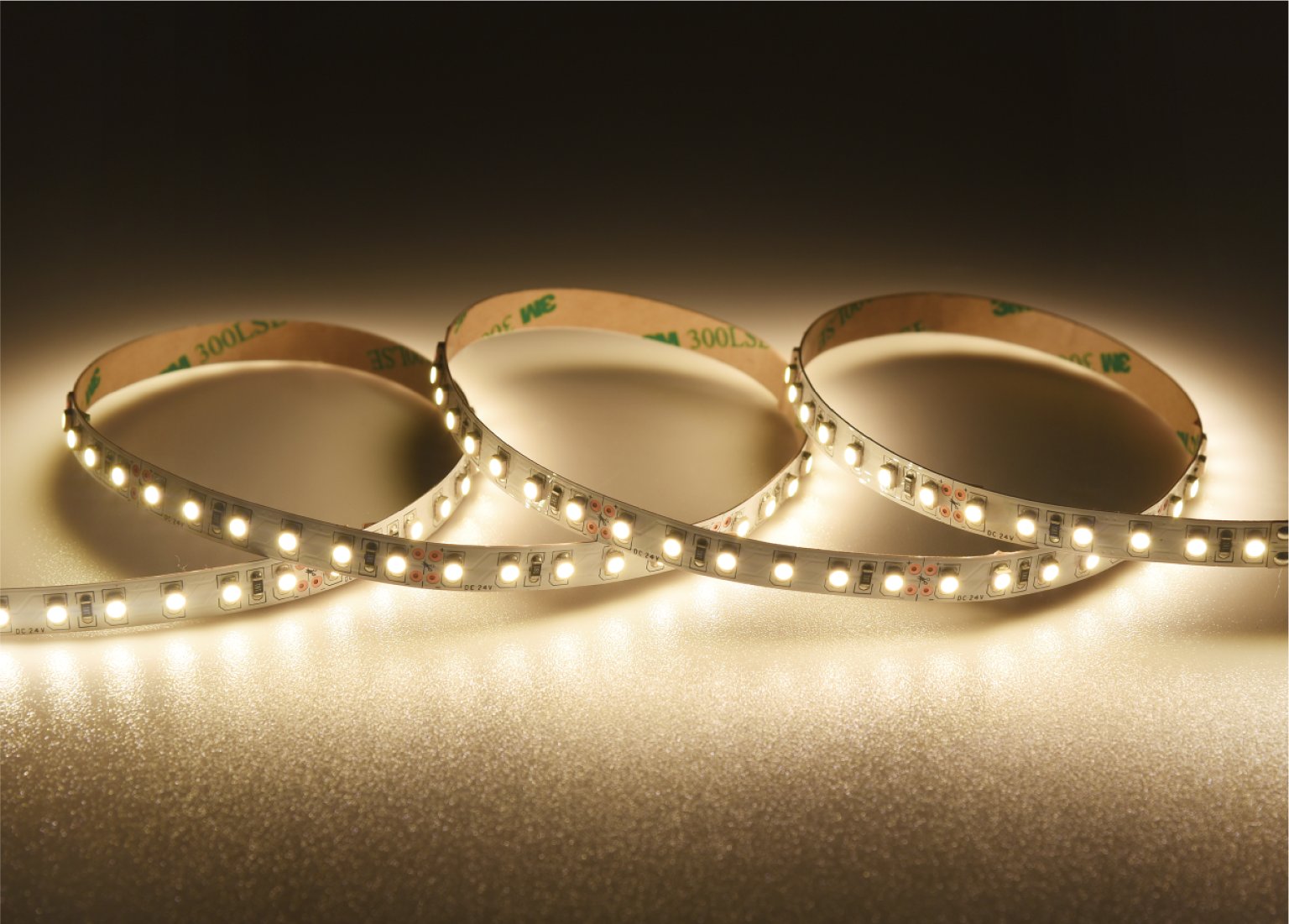
A typical LED strip is a flexible circuit board populated with surface-mounted LEDs and electrical components. It can be installed along shelves, inside cabinets, beneath counters, or within coves and profiles. Because the strip is supplied in defined lengths and can be cut at marked intervals, installers can adapt it to many layouts.
These products are available in different LED packages, densities, power levels, color temperatures, and color-rendering options. The 2835 and 5050 SMD formats are common choices, but the package alone does not determine brightness or quality. Buyers should compare the complete specification, including lumens per meter, watts per meter, CRI, operating voltage, and cutting interval.
Check Brightness, Efficiency, and Color Quality
Lumen output describes the amount of visible light produced, while efficacy expresses how efficiently electrical power is converted into light. Higher efficacy is not automatically the best choice; brightness, visual comfort, and operating schedules matter too.
Color Rendering Index (CRI) indicates how faithfully a light source reveals colors. CRI80+ is often suitable for general ambient or utility lighting, while CRI90+ or higher may be preferred for retail merchandise, artwork, and materials where color appearance is important. Confirm the required color temperature as well, since warm white and cool white create different visual impressions.
Choose the Right Protection Rating
The installation environment should guide the strip’s protection level. IP20 products are generally intended for dry indoor locations where they are not exposed to water. Higher-rated options can provide protection against dust and moisture, but the exact meaning depends on the rating and construction.
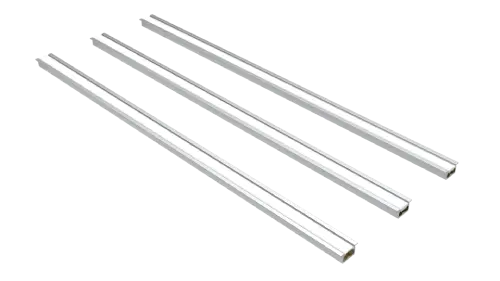
For kitchens, bathrooms, covered outdoor areas, or other damp locations, check the manufacturer’s IP rating, installation instructions, and any restrictions on joints or cut ends. An IP rating does not make every product suitable for immersion, pressure washing, or harsh chemicals. Connectors, end caps, profiles, and sealing methods are part of the system.
Everyday Applications Across Different Spaces
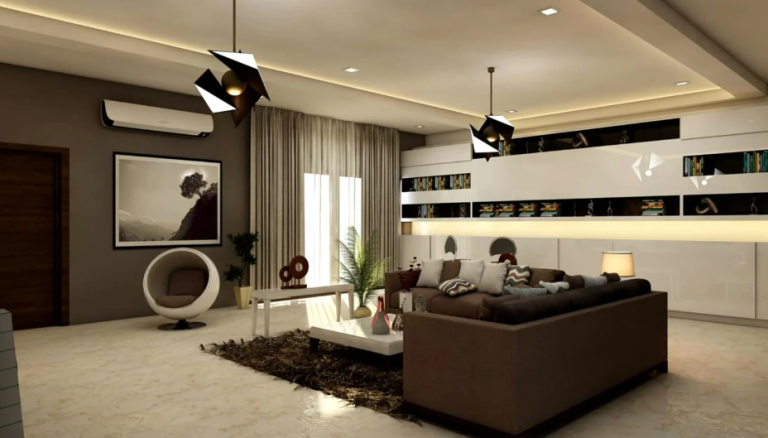
In residential projects, strips can provide task lighting beneath kitchen cabinets, low-level illumination along stairs, or soft indirect light in ceiling coves. In offices, they can illuminate storage, reception details, and joinery, provided the layout controls glare.
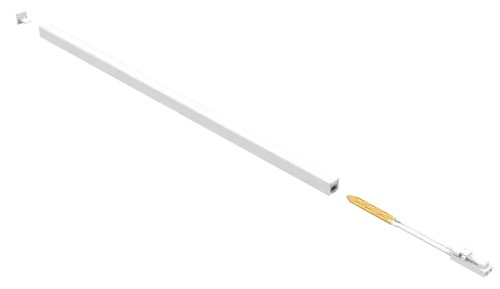
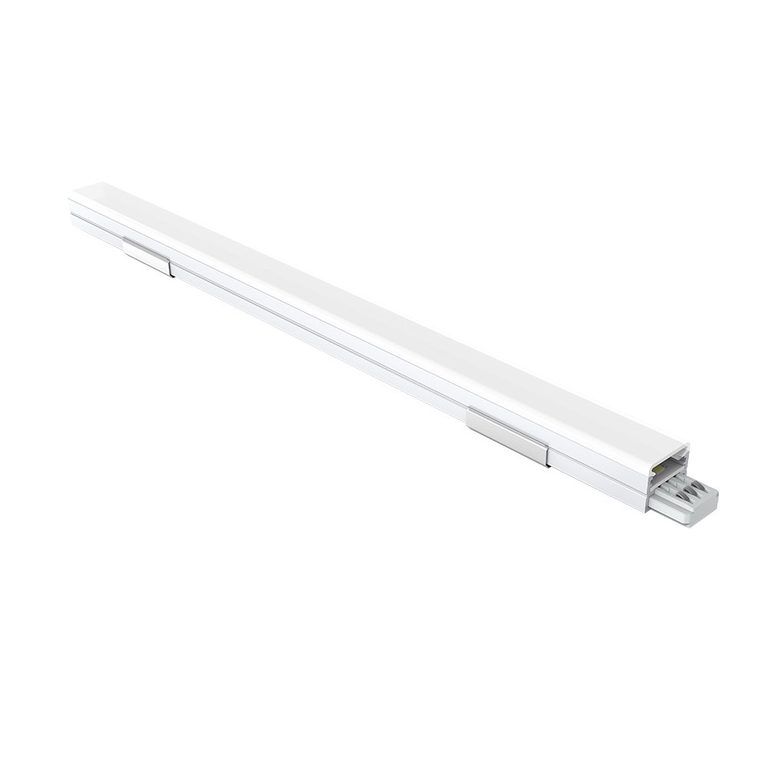
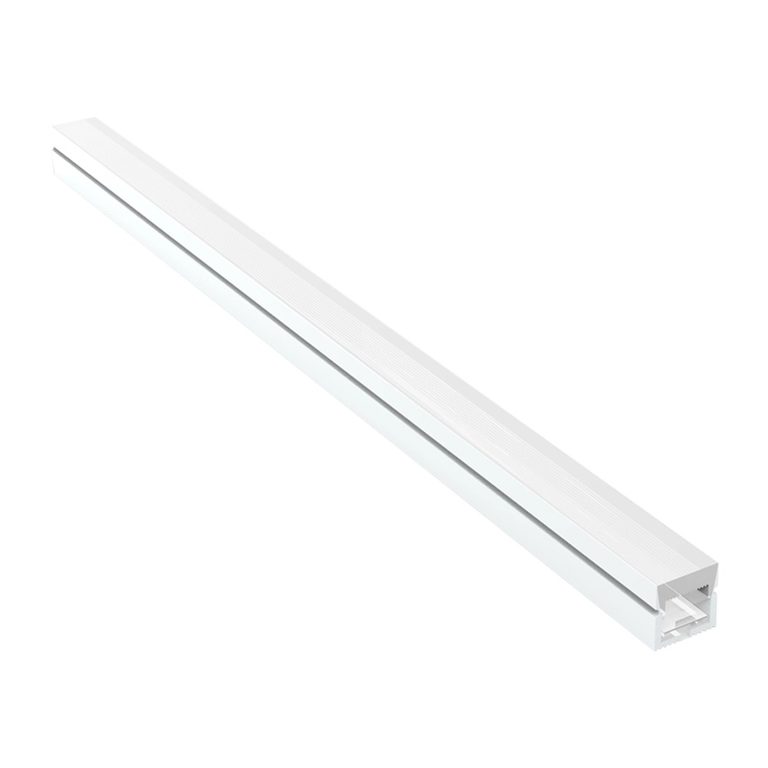
Retail and hospitality projects use strips to highlight shelves, display niches, bar fronts, and architectural features. Standard LED strip lights are especially useful where a continuous line of light is needed in a concealed location. For exposed decorative outlines or signage, a PVC neon light may offer a more uniform, tube-like appearance than a bare strip. The two products serve related but different design purposes.
Plan the Power Supply and Installation
Before ordering, calculate the required strip length and total wattage. Multiply the product’s rated watts per meter by the planned length, then select a compatible power supply with suitable capacity and follow the manufacturer’s recommended reserve. Match the supply voltage to the strip’s rated DC voltage; never assume that visually similar products share the same electrical requirements.
Check maximum run length, cable size, feed points, and voltage-drop guidance. Cut only at the marked positions and use compatible connectors. Prepare a clean mounting surface, observe the minimum bend radius, and avoid twisting the strip. Test the lighting before securing covers or closing access panels.
Exploring LEDIA Lighting’s Classic Series
At LEDIA Lighting, our Classic Series is designed for office, residential, retail, and decorative lighting applications. We use high-quality 2835 and 5050 SMD LEDs and offer configurations with CRI80+ efficacy of up to 110 lm/W and CRI90+ efficacy of up to 90 lm/W. CRI80+, CRI90+, and CRI95+ options help project teams align color quality with the intended space.
The series includes IP20, IP65, IP67, and IP68 options, with a three-year warranty. Exact electrical and photometric details vary by model, so we recommend checking the relevant product datasheet before specifying voltage, power, cutting interval, and output. For projects requiring an exposed linear accent, our PVC neon light range uses PVC extrusion. Confirm its input and protection requirements separately rather than treating it as interchangeable with a low-voltage strip.
Make Selection Easier with a Clear Project Brief
A useful lighting brief records the application, installation location, required brightness, color temperature, CRI, protection rating, strip length, and available power. It should also identify whether the strip will be concealed or directly visible, and whether dimming or other controls are needed. These details help suppliers recommend a suitable configuration and reduce revisions during installation.
Standard LED strip lights can address many everyday lighting needs when their specifications match the environment and design intent. A PVC neon light is worth considering when the project calls for a more continuous, diffused decorative line, especially in visible outlines. At LEDIA Lighting, we help project partners compare available configurations and select products according to practical installation and performance requirements.