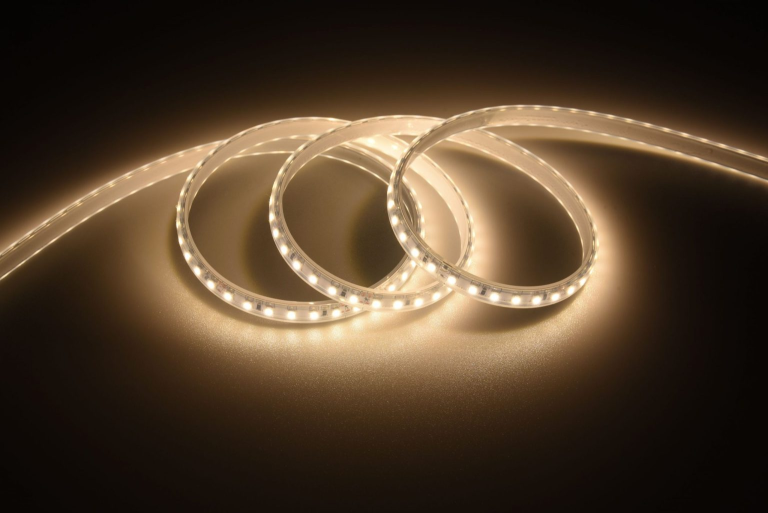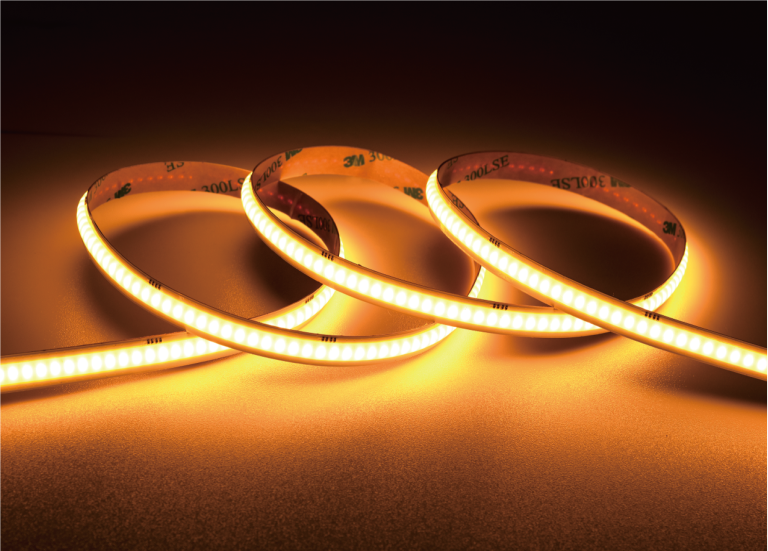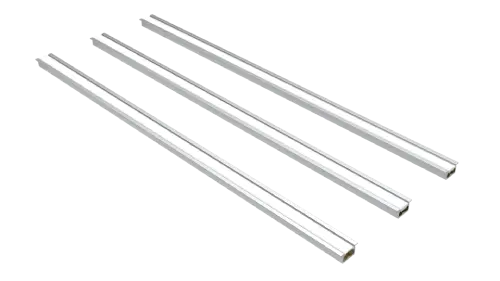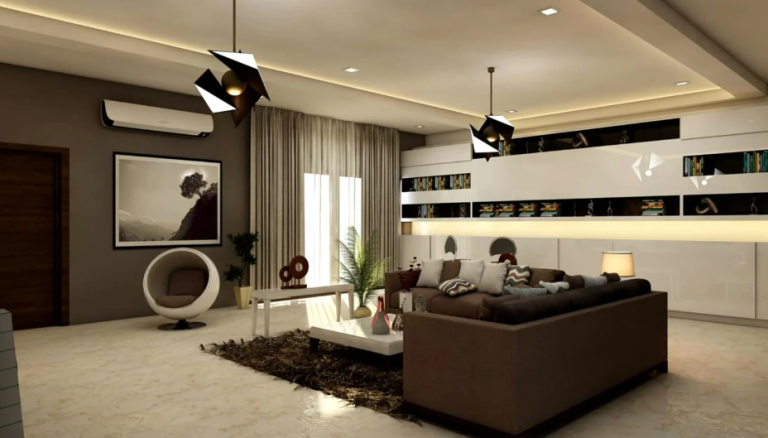
Retail displays do more than present products: they communicate quality, support visual merchandising, and help customers compare colors and details. Lighting therefore needs to be discreet without compromising what shoppers see. For lighting designers, shopfitters, contractors, and distributors, choosing the right slim linear light means balancing color quality, beam distribution, installation constraints, and control options. This guide explains the key considerations and introduces a practical solution from LEDIA Lighting.
Why High CRI Matters in Product Displays
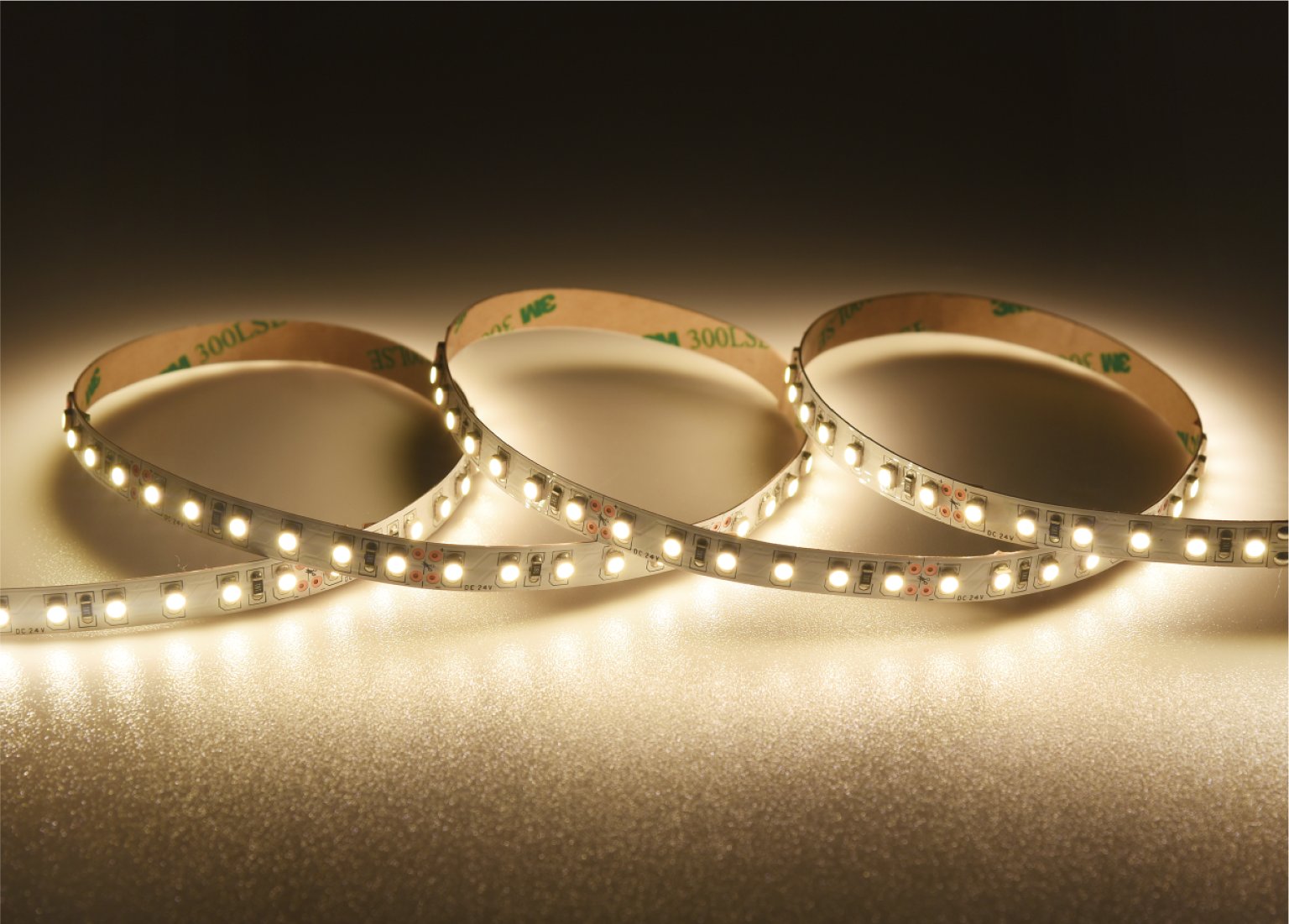
The Color Rendering Index (CRI) indicates how accurately a light source reveals colors compared with a reference source. A rating above Ra90 is a useful starting point for displays where color fidelity matters, including fashion, cosmetics, furniture, and premium merchandise. Under lower-quality light, fabrics, finishes, and packaging may appear different from their intended colors.
CRI is not the only measure of color quality. For demanding applications, project teams can also request R9 data for saturated reds or TM-30 metrics for a broader view of color rendition. The best choice depends on the merchandise and the client’s visual priorities. A sample review under the proposed lighting remains valuable before approving a large installation.
Keep the Fixture Discreet Without Losing Performance
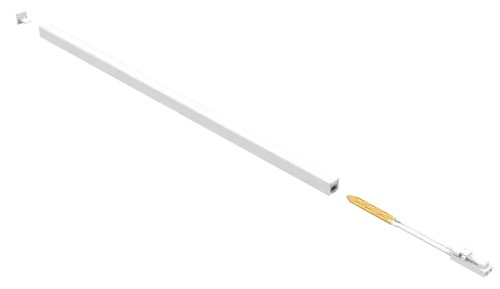
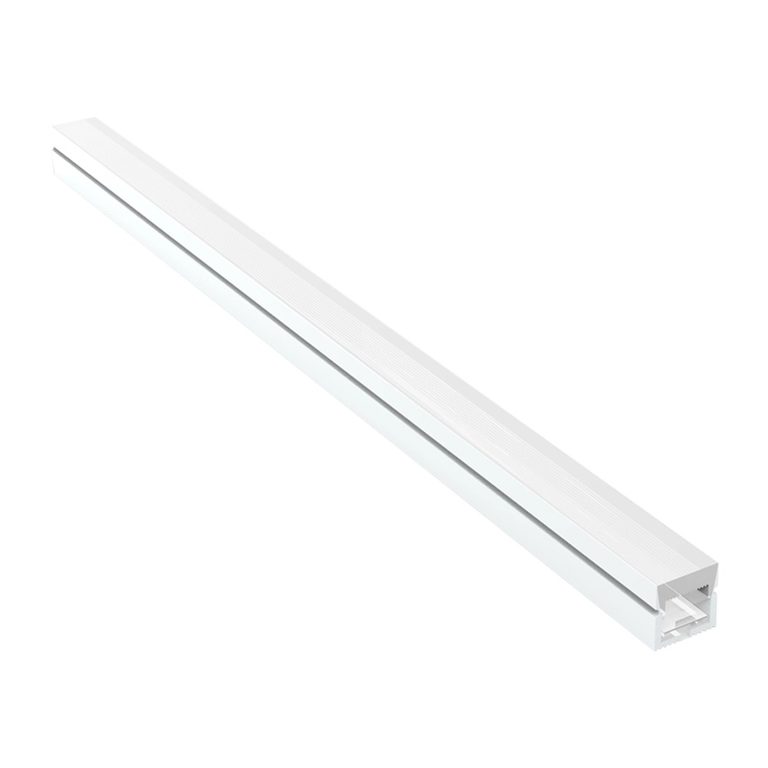
A narrow profile can fit beneath shelves, inside display cabinets, along furniture edges, or within architectural details. A well-selected slim linear light reduces the visual presence of the fixture, allowing attention to remain on the merchandise rather than the hardware.
However, a compact body should not be selected by appearance alone. Confirm the dimensions, mounting clearance, light output, thermal design, and optical distribution. Check whether the fixture creates bright spots, shadows, or reflections on glossy packaging and glass. A mock-up using the actual shelf material and product samples can reveal issues that drawings may not show.
Plan Brightness and Color Temperature Separately
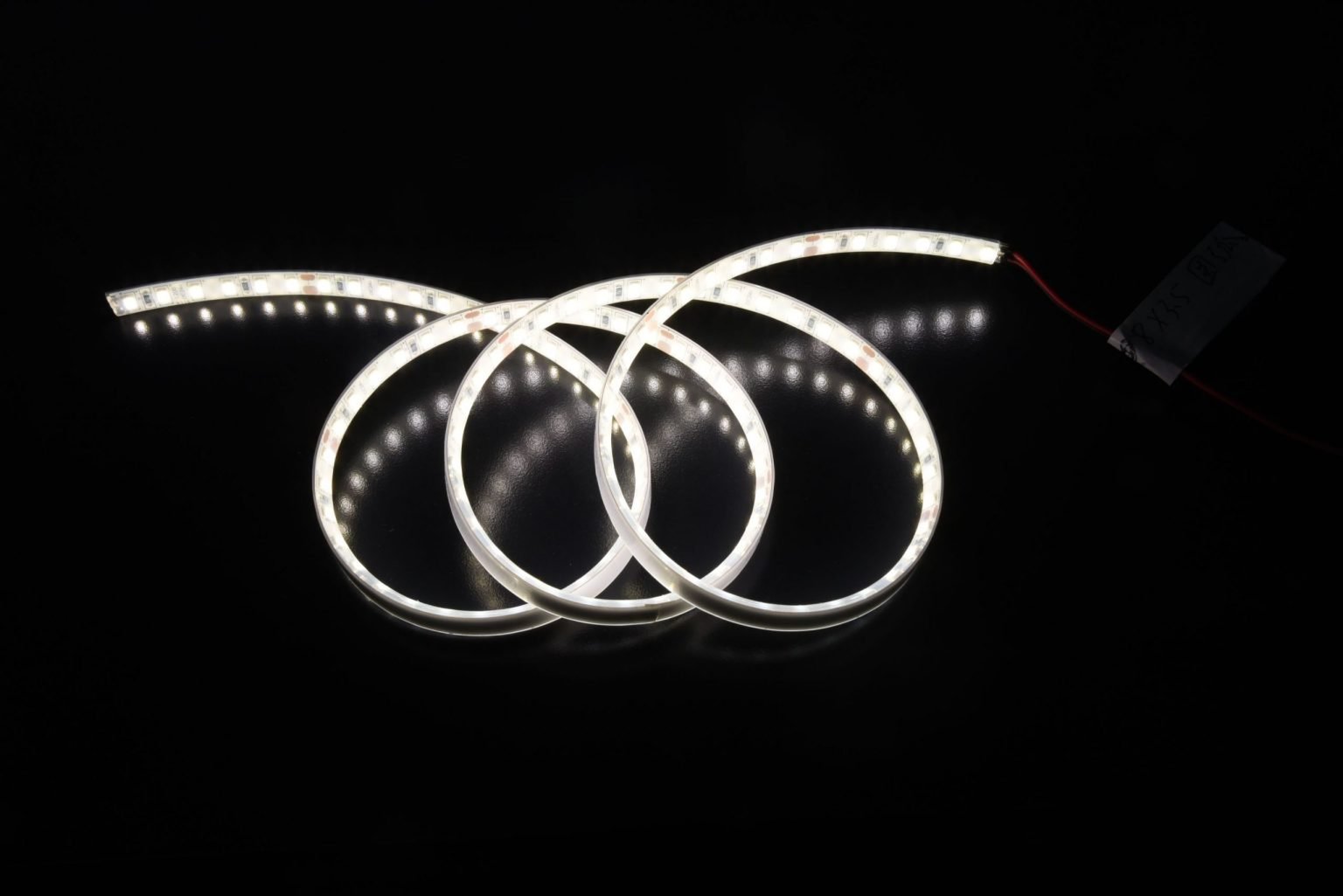
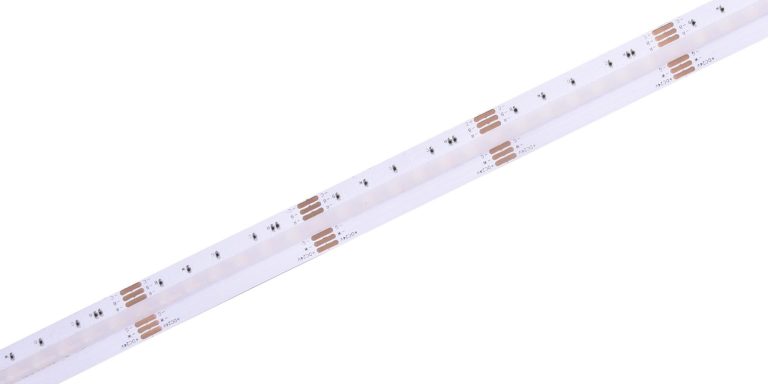
Brightness and correlated color temperature (CCT) serve different purposes. Dimming changes light intensity, while CCT adjustment changes the apparent warmth or coolness of white light. A display may need stronger illumination during business hours and a softer setting for evening ambience. A tunable-white system can also help teams adapt the appearance of a space to different merchandise or brand requirements.
When specifying a dimmable linear LED light, identify the required control method early. Confirm compatibility among the fixture, driver, dimmer, and control system rather than assuming that all dimming products work together. If CCT adjustment is also required, state whether it should operate independently from brightness. Clear control schedules help electrical contractors and integrators avoid costly changes during installation.
Check the Electrical and Installation Details
Before procurement, confirm the rated input voltage, power consumption, driver requirements, wiring method, and maximum connected load. For low-voltage systems, verify the DC output and polarity. Long cable runs can cause voltage drop, so follow the manufacturer’s guidance on feed points and maximum run lengths.
Also review how sections connect and how the fixture will be maintained. Magnetic mounting or free-connection structures may simplify positioning and replacement, but installers still need to check the specified accessories and connection limits. Allow access to drivers and control components, and document circuit groups for future servicing. A neat installation begins with coordinated shop drawings, not last-minute adjustments on site.
Balance Accent Light, Uniformity, and Glare
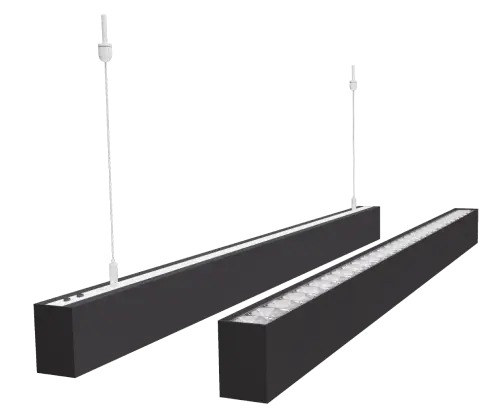
Linear lighting usually works best as one layer within a broader display scheme. Combine it thoughtfully with ambient illumination and directional accent lighting, so products stand out without creating harsh brightness contrasts. Check viewing angles, diffuser placement, and reflections from glass or polished surfaces.
A dimmable linear LED light can help fine-tune output after installation, but it cannot correct poor positioning or unsuitable optics. Specify a dimmable linear LED light only after confirming the required light distribution and control compatibility. Test the display from customer viewpoints.
Where the Needle G02 Series Fits
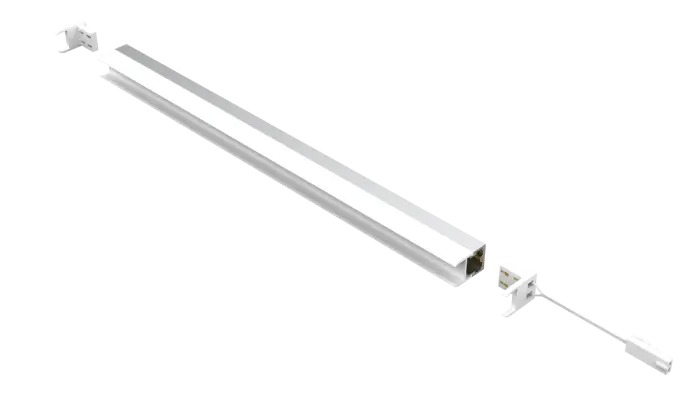
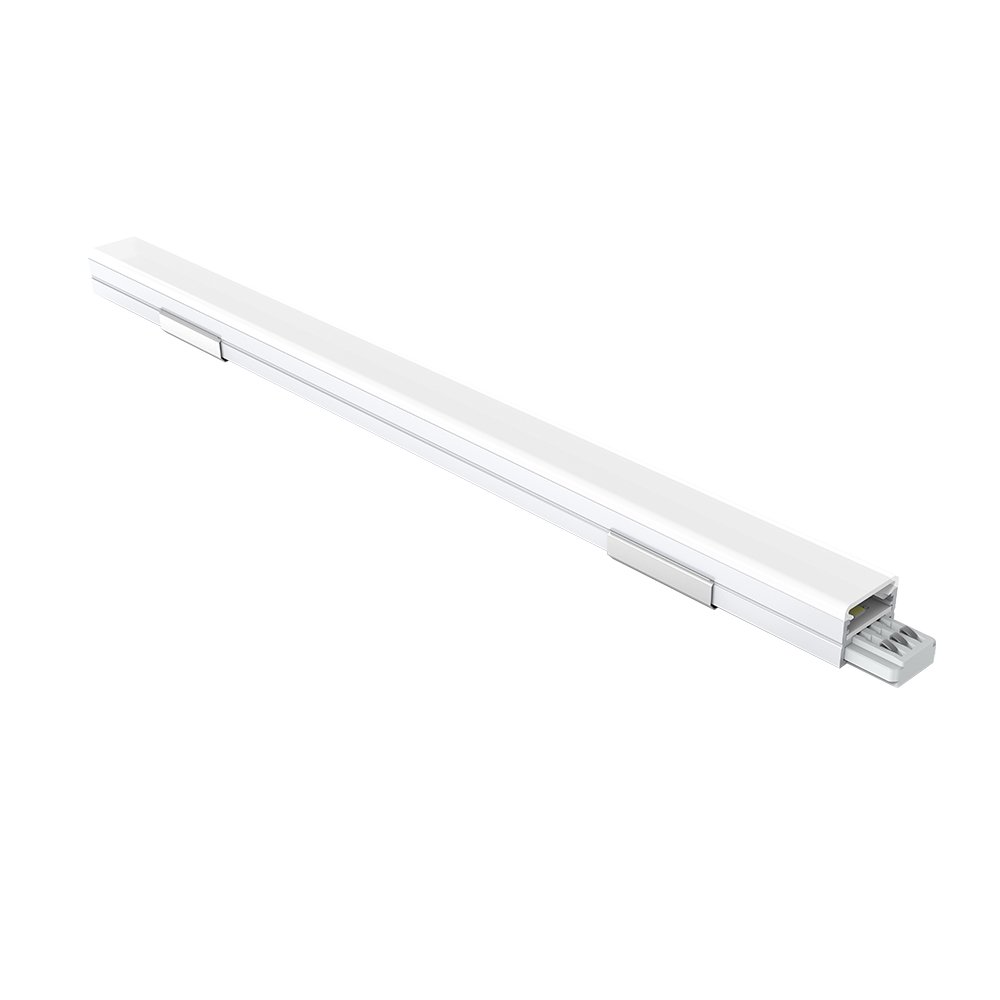
At LEDIA Lighting, we offer the Needle G02 Series as a DC 24V CCT-tunable and dimmable linear lighting solution for retail, display, and integrated applications. Its magnetic structure supports convenient installation and connection, while its ultra-slim profile helps keep the lighting hardware discreet within furniture and display details.
The G02 is specified with CRI greater than Ra90, making it relevant to projects where product colors and surface finishes need accurate presentation. Its adjustable CCT and dimming functions give project teams options for changing the lighting atmosphere and intensity. As with any dimmable linear LED light, the final configuration should be checked against the selected controller, dimmer, power supply, and project wiring plan.
For distributors and contractors, the product’s combination of a low-profile form, magnetic connection approach, and adjustable white light can be considered for shelving, cabinets, retail fixtures, and other integrated lighting layouts. We recommend reviewing samples and confirming the exact configuration before final specification.
Turn Display Requirements into a Clear Specification
A successful high-CRI display begins with the merchandise, not the fixture catalogue. Define the required color quality, CCT range, brightness levels, optical distribution, mounting space, and control behavior. Then evaluate a sample in the intended environment and verify electrical compatibility before ordering.
At LEDIA Lighting, we work with project partners to identify linear lighting options that align with their application and installation requirements. By assessing these details early, teams can select a slim linear light that supports accurate product presentation, a clean appearance, and practical long-term operation.