Furniture lighting has become an important part of modern interior design, helping manufacturers create products that are both practical and visually appealing. From illuminated wardrobes to softly lit kitchen cabinets, integrated lighting improves visibility while adding a refined appearance. Silicone strip lighting offers furniture manufacturers, designers, and contractors a flexible solution that combines attractive illumination with convenient installation and customization.
What Is Silicone Furniture Strip Lighting?
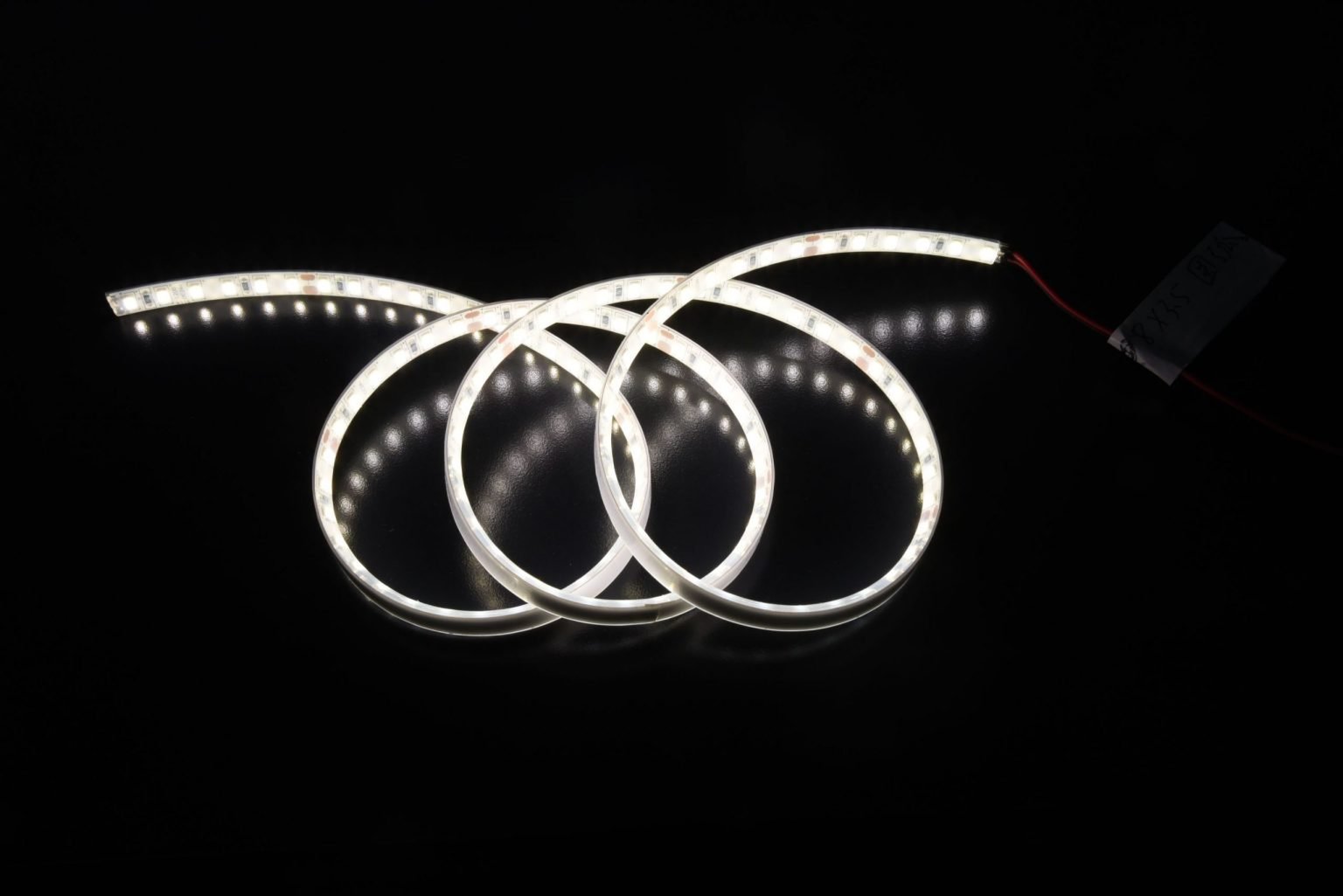
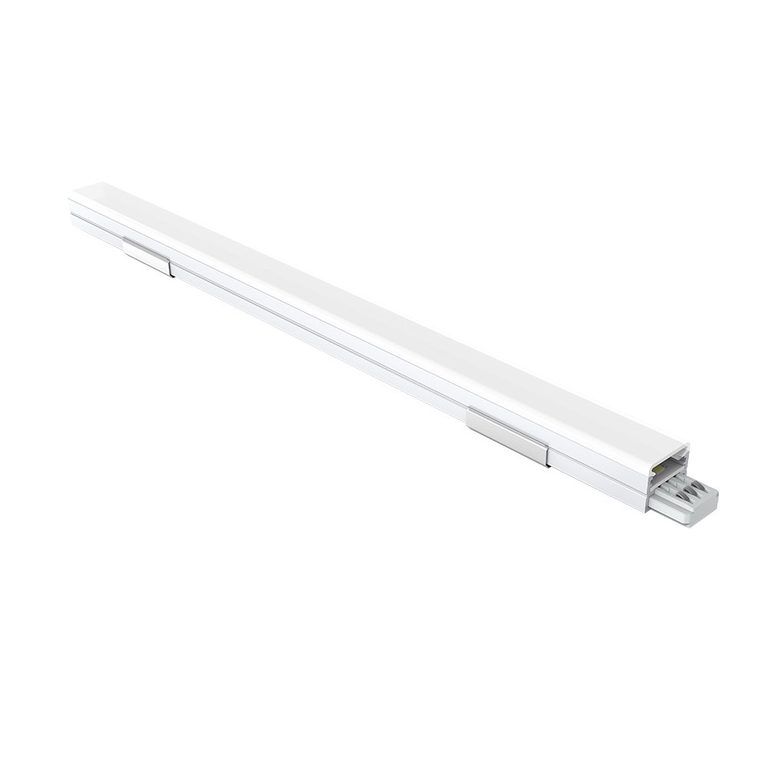
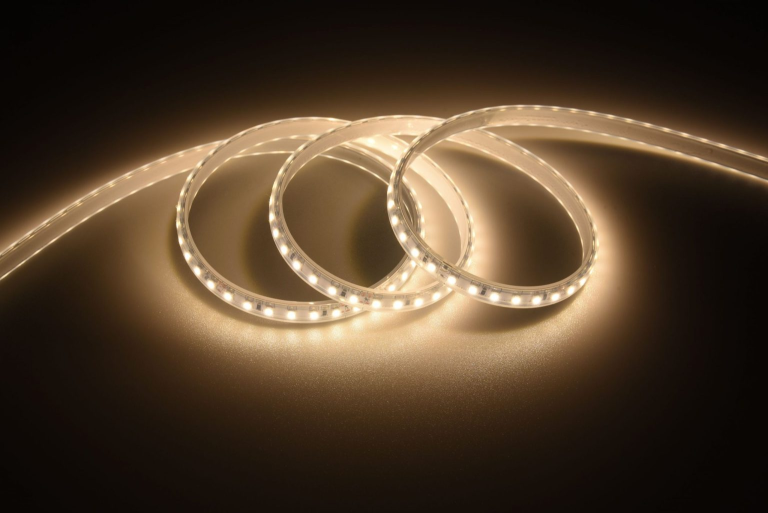
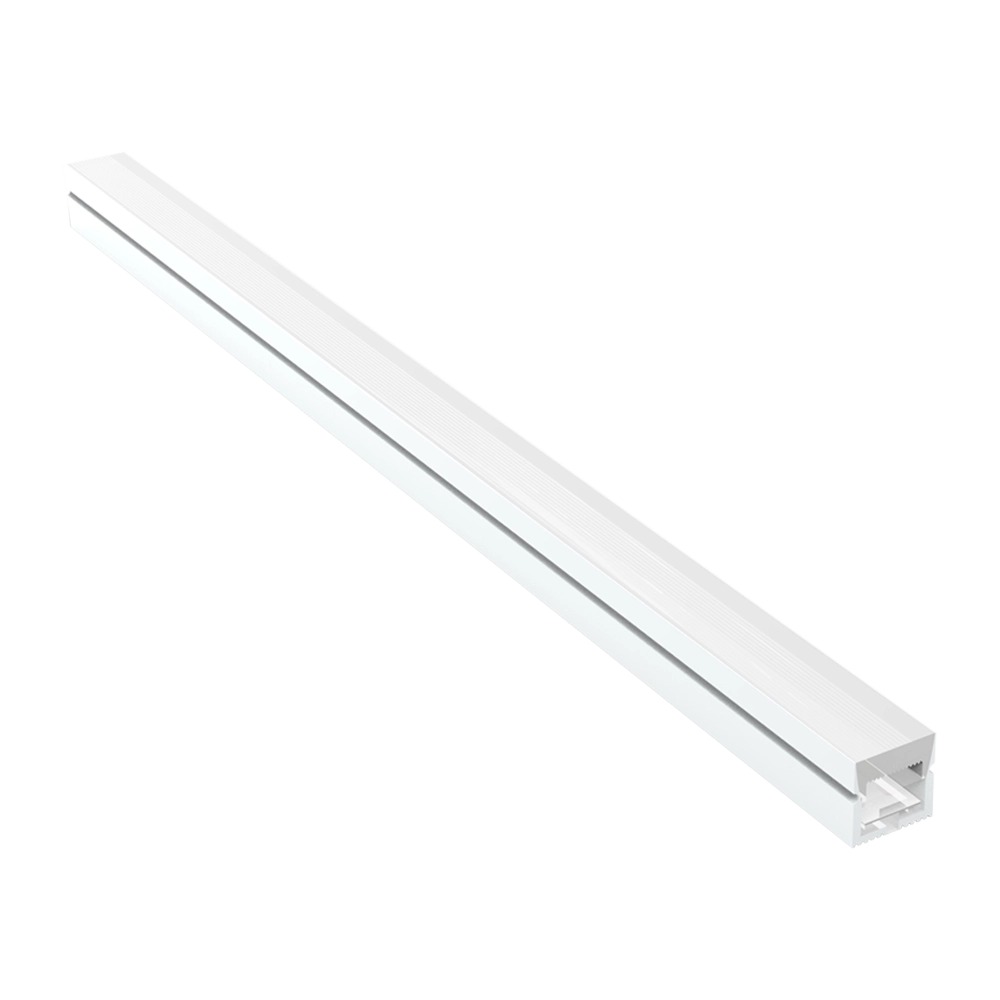
Silicone furniture strip lighting is a flexible lighting solution enclosed in a silicone outer layer. Unlike traditional rigid lighting components, it can follow different furniture shapes and fit into narrow spaces. The silicone covering also creates a smooth, continuous appearance, making the light source look more integrated with the furniture.
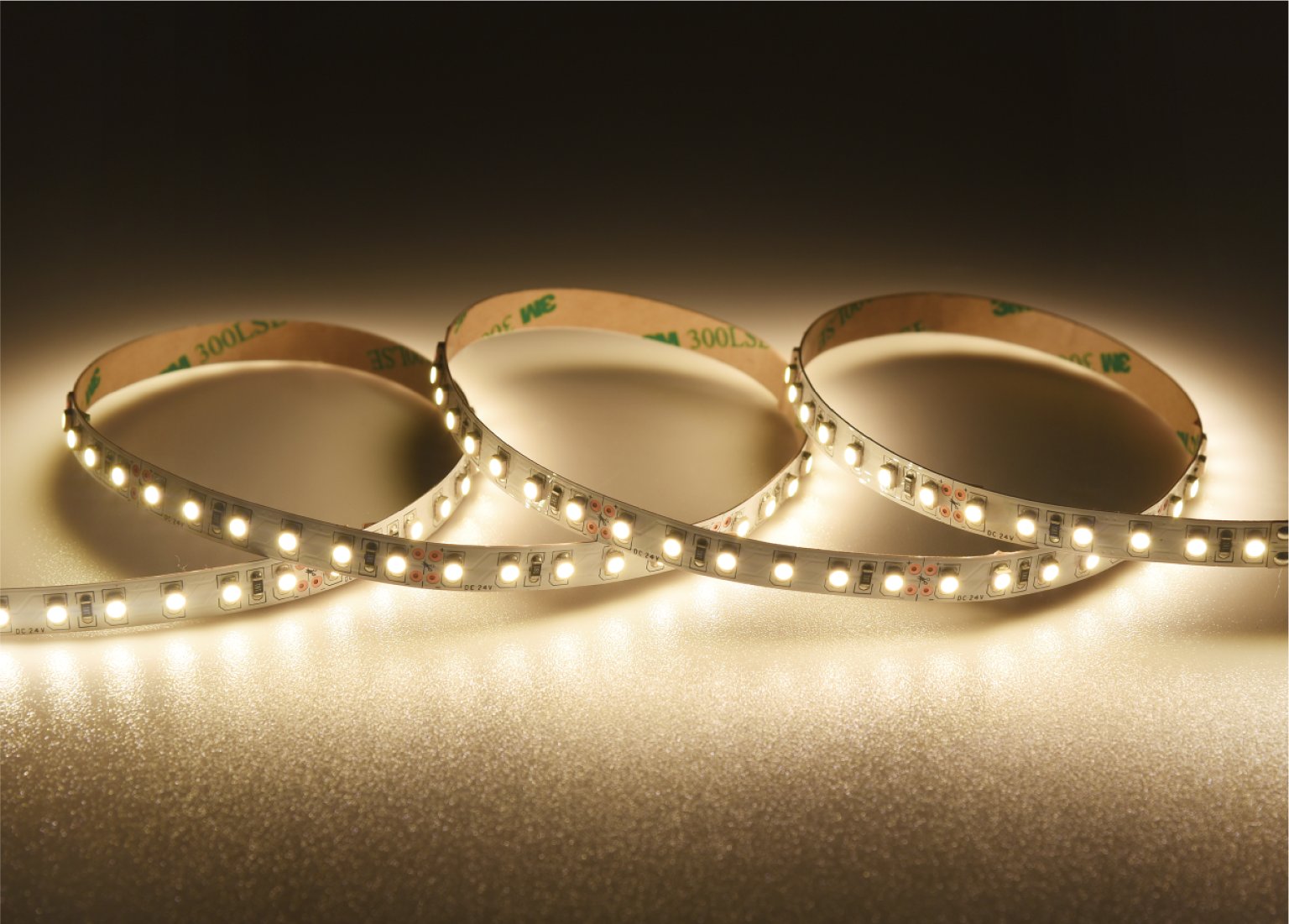
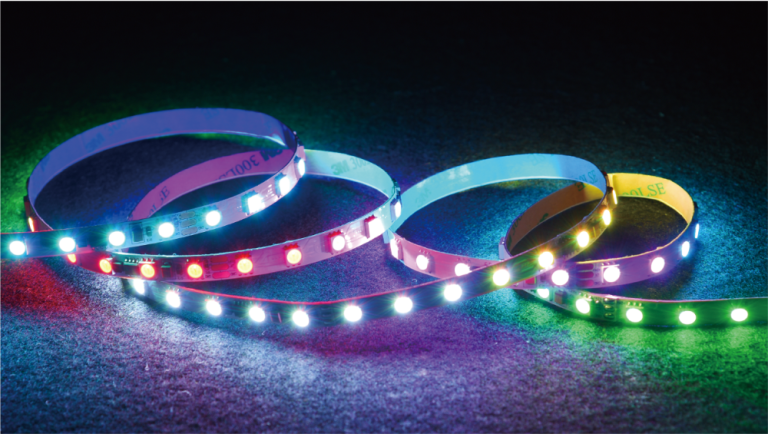
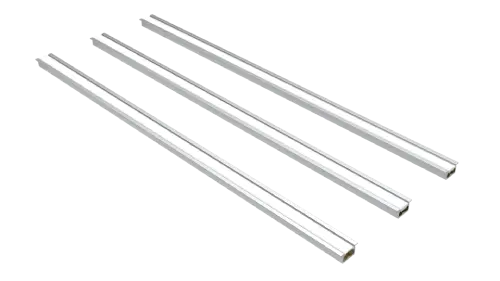
For manufacturers exploring LED light strips for furniture, this design offers an alternative to conventional LED strips installed inside separate aluminum channels. Depending on the product, silicone strips can be built directly into cabinets or other furniture structures, reducing the number of installation components required.
The result is practical illumination that complements the furniture rather than appearing as an additional accessory.
Why Choose Silicone Lighting for Furniture?
One major advantage of silicone lighting is its flexibility. Furniture comes in many shapes and sizes, and lighting components must accommodate different layouts. Flexible strips can be adapted to straight sections, corners, and other installation requirements, making them suitable for various built-in applications.
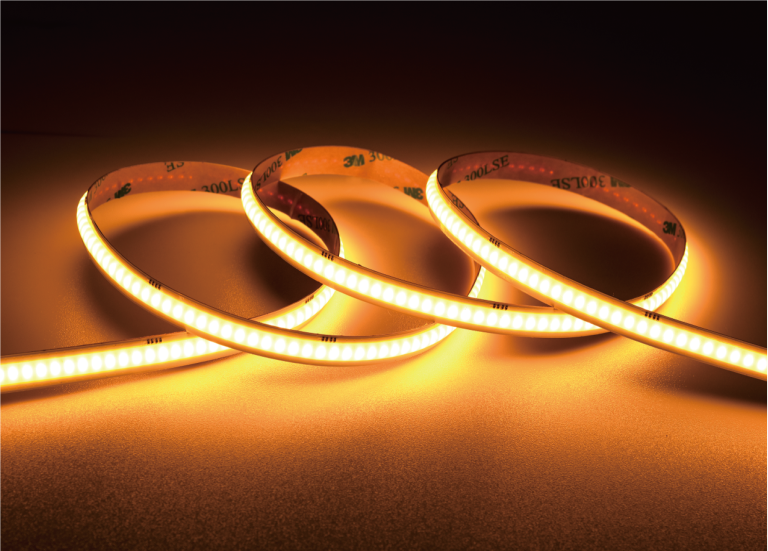
Another benefit is the continuous lighting effect. Individual LED points can sometimes create visible bright spots, particularly when viewed directly. Silicone extrusion helps diffuse the light, producing a smoother, more uniform appearance that works well in wardrobes, display cabinets, and kitchen furniture.
Durability is another consideration. Quality silicone materials can resist yellowing and help maintain their appearance over time. For furniture manufacturers, this supports a consistent visual finish throughout the product’s service life.
Where Can Silicone Strip Lighting Be Used?
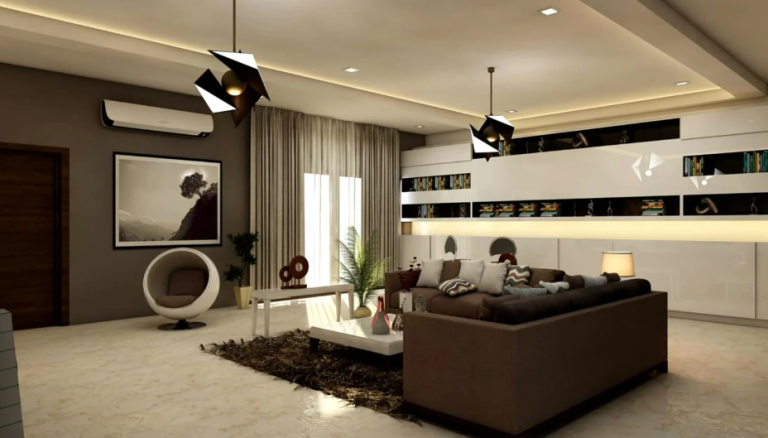
Wardrobes and closets are natural applications because integrated lighting makes clothing, shoes, and accessories easier to locate. A strip placed along a cabinet side or beneath a shelf can illuminate storage without taking up valuable space. Kitchen cabinets offer another opportunity, especially where lighting is needed inside cupboards or along built-in sections.
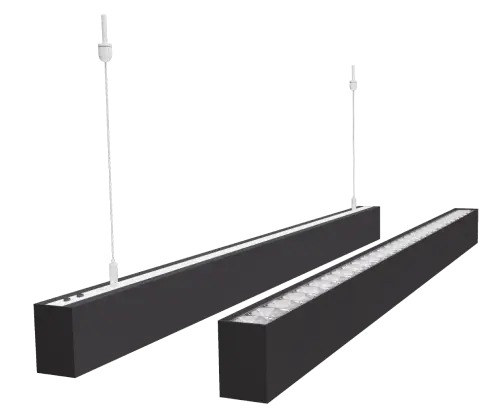
Display cabinets, bookcases, and retail furniture can also benefit. A continuous light line can draw attention to products, highlight shelf edges, and create visual depth. In these settings, linear LED fixtures can provide functional illumination while supporting a coordinated furniture design.
What Should Buyers Consider Before Choosing a Product?
Start with the installation location. Measure the available space, check groove or mounting dimensions, and decide where the power cable will exit. A product designed for built-in installation may not suit a surface-mounted application. Manufacturers should confirm these details during furniture design rather than leaving them until final assembly.
Next, consider the required light effect. A softer glow may be preferable for visible cabinet edges, while stronger task lighting may be needed for work surfaces. Review brightness, color temperature, and color consistency with samples. Evaluate the complete assembly, since the diffuser changes how light looks.
Electrical compatibility is equally important. Check whether the system uses 12V or 24V power, and select a compatible driver and controller. Plan cable routing, connection points, and maintenance access. If a project needs dimming or adjustable lighting, confirm that the controller and driver support those functions together.
Buyers should also clarify cutting rules. Some products can be cut only at marked intervals, while others offer greater length flexibility. Confirm the manufacturer’s instructions before trimming, and use compatible connectors to avoid unreliable joints. These checks help project teams specify LED light strips for furniture with fewer surprises during production and installation.
How LEDIA Lighting Makes Installation More Convenient
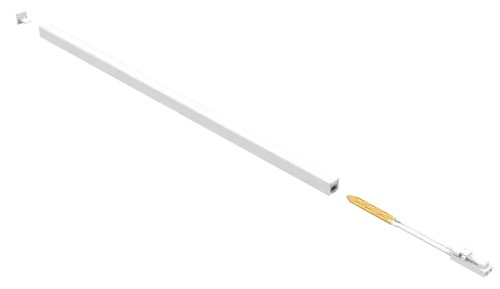
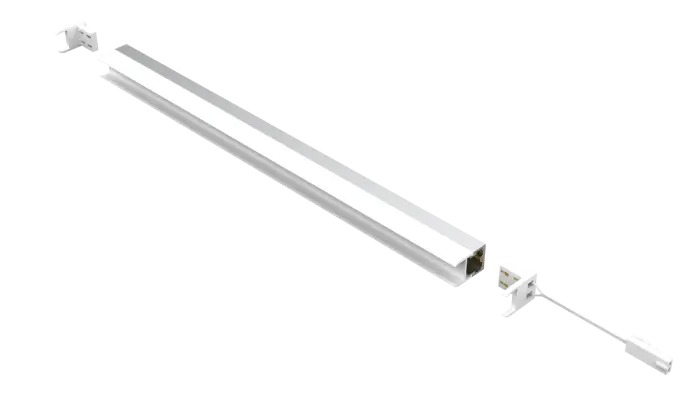
At LEDIA Lighting, we offer the Built-in Silicone Light E01 for whole-house cabinet applications. This 12V/24V back-lit silicone strip uses a patented quick plug-in terminal, allowing welding-free connections. Its design does not require separate aluminum profiles, helping simplify installation and reduce the number of components furniture makers need to manage.
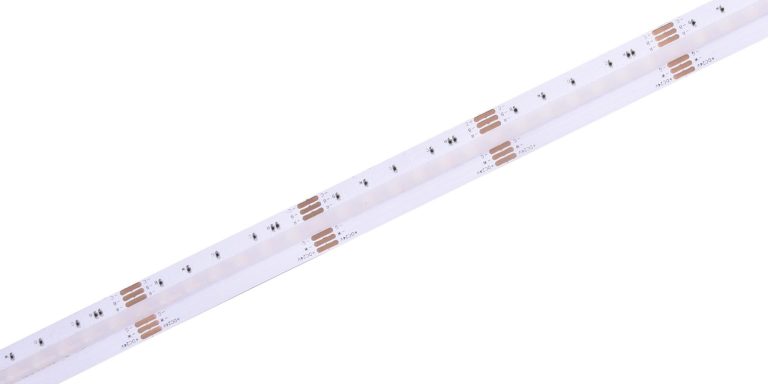
The E01 uses a double-color silicone extrusion to create a smooth neon-style lighting effect. Its silicone material is designed to resist yellowing, while the strip can be cut to the required length for different installation needs. Supplied in a whole roll, it allows installers to prepare sections according to the project, helping reduce offcuts and labor.
We also provide flexibility in system configuration. Drivers, controllers, and terminals can be combined with the strip to suit different applications and user preferences. This makes the E01 suitable for wardrobes, closets, kitchen cabinets, and other built-in furniture. For furniture makers evaluating LED light strips for furniture, this can reduce assembly steps. It also offers an alternative to separate linear LED fixtures.
Plan the Lighting as Part of the Furniture
Successful furniture lighting begins before production. Designers, cabinet manufacturers, and installers should coordinate strip location, dimensions, wiring route, power supply, and control method. A sample installation can help teams assess the light appearance and confirm that the selected components fit the furniture construction.
Create Better Integrated Furniture Lighting
Silicone strip lighting gives furniture manufacturers a practical way to combine useful illumination with a clean, built-in appearance. By reviewing installation space, light quality, electrical requirements, and control options early, project teams can select a system that suits both the furniture design and its intended use.
At LEDIA Lighting, we help customers explore integrated solutions such as our Built-in Silicone Light E01. Its flexible cutting, quick plug-in connection, and configurable components support different cabinet applications. For manufacturers seeking LED light strips for furniture or comparing linear LED fixtures, choosing a well-matched system can make installation more efficient and the finished product more cohesive.