Well-planned workspace lighting supports visual comfort, improves task visibility, and helps businesses make better use of interior space. Offices, commercial studios, meeting rooms, and fitted workstations all require lighting that suits their daily activities. Recessed linear fixtures offer a practical way to integrate illumination into ceilings, walls, and furniture while maintaining a clean architectural appearance. For project contractors, interior designers, and lighting distributors, selecting the right system involves balancing installation requirements, light distribution, energy use, and maintenance.
Why Recessed Linear Lighting Works in Modern Workspaces
Modern workplaces combine different activities, from computer-based tasks and paperwork to meetings and collaborative work. A single overhead light source may not provide suitable illumination for every area. Linear lighting creates an elongated distribution that can follow desks, workbenches, corridors, and architectural features.
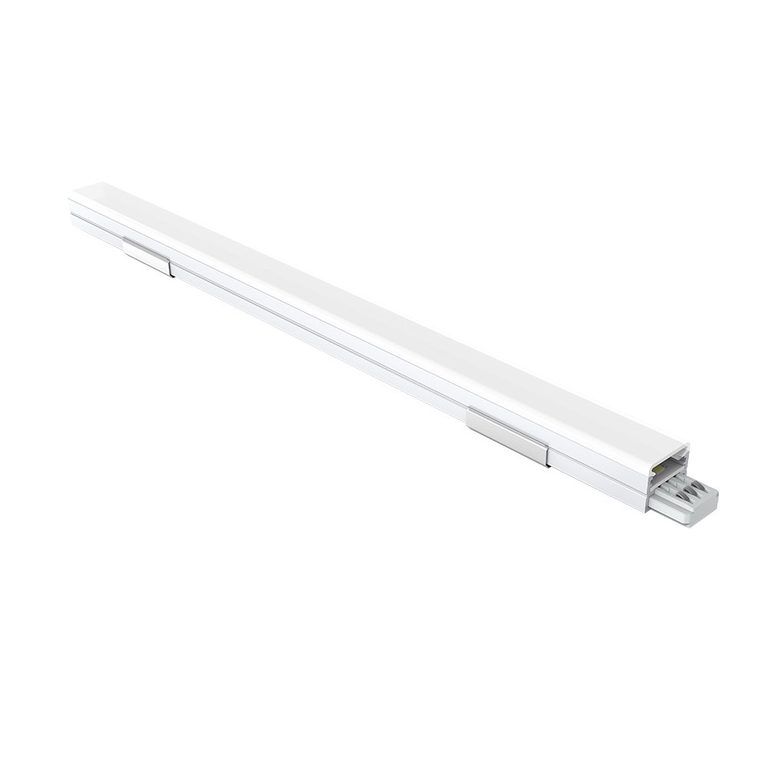
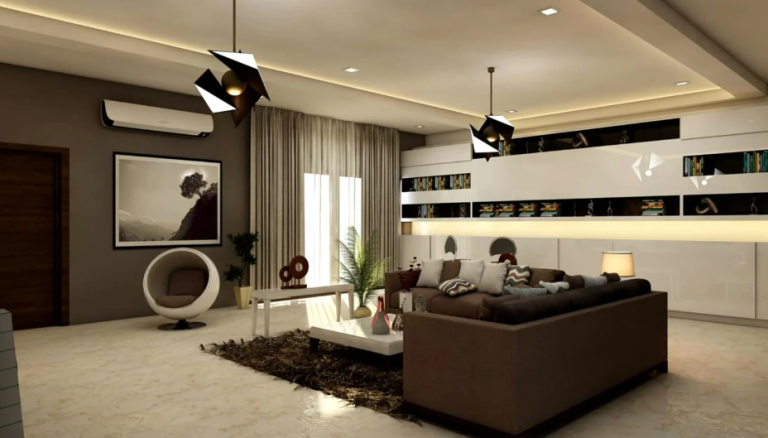
A properly specified linear light fixture can provide general illumination across a defined area while complementing the ceiling layout. Recessed installation also reduces the visual prominence of the housing, making it suitable for offices where a coordinated interior appearance matters.
Unlike decorative lighting that mainly serves an aesthetic purpose, workplace fixtures should be selected according to their optical performance, mounting conditions, and intended tasks. Combining general lighting with localized task lighting can create a more adaptable environment.
Choosing Between Recessed and Suspended Installation
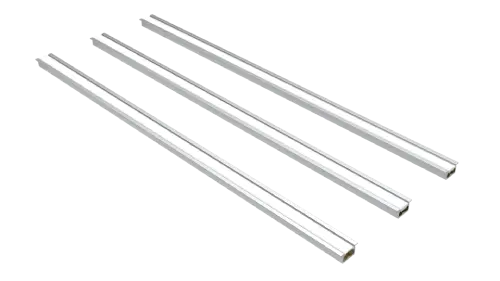
Recessed and suspended systems address different architectural and functional requirements. Recessed fixtures sit within prepared ceiling openings, creating an integrated appearance. They are particularly useful in offices with coordinated ceiling grids, limited visual clutter, or established architectural plans.
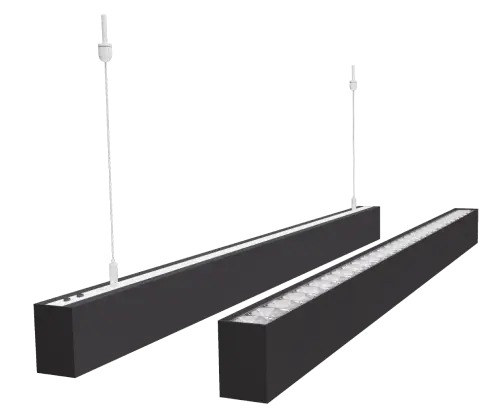
A suspended linear LED fixture hangs below the ceiling and can provide direct or indirect illumination, depending on its optical design. This configuration is useful in open-plan offices, conference rooms, and spaces with exposed ceilings. It also offers flexibility when ceiling recesses are unavailable or when the lighting needs to be positioned closer to work surfaces.
When comparing both options, buyers should consider ceiling height, structural support, available installation depth, cable routing, and maintenance access. The decision should reflect the building conditions rather than appearance alone.
Match Light Distribution to Workplace Activities
Lighting quality depends on more than fixture placement. Brightness, uniformity, color rendering, and glare control all influence how effectively employees can perform visual tasks. Reading documents, checking product details, and working with computer screens may require different illumination conditions.
When specifying a linear light fixture, buyers should review photometric data, including light output, beam distribution, and glare ratings. Excessive brightness or poorly positioned fixtures can create uncomfortable reflections on computer monitors. Diffusers and suitable optical designs can help distribute light more evenly.
For offices, a combination of ambient illumination and localized task lighting is often more practical than relying entirely on overhead fixtures. Lighting designers should also consider daylight availability and workstation orientation when developing the layout.
Consider Ceiling Structure and Installation Requirements
Before selecting recessed products, contractors should examine the ceiling construction. Plasterboard ceilings, suspended ceiling grids, and concrete structures have different installation requirements. Available ceiling depth determines whether a fixture can accommodate its housing, driver, and wiring.
A suspended linear LED fixture may be a suitable alternative when the ceiling cannot accommodate recessed equipment. However, suspension points, mounting accessories, and electrical connections must be coordinated with the building structure.
For recessed applications, accurate opening dimensions and cable positions help prevent installation delays. Buyers should also confirm whether the selected products support continuous arrangements, individual sections, or customized lengths. These details are particularly important for large commercial projects involving multiple workstations or interconnected office areas.
Integrate Lighting Into Built-in Workspace Furniture
Ceiling lighting is only one part of a complete workspace solution. Cabinets, storage units, shelving, and built-in desks may also require localized illumination. Integrated lighting makes stored materials easier to locate and improves visibility in areas that receive limited natural light.
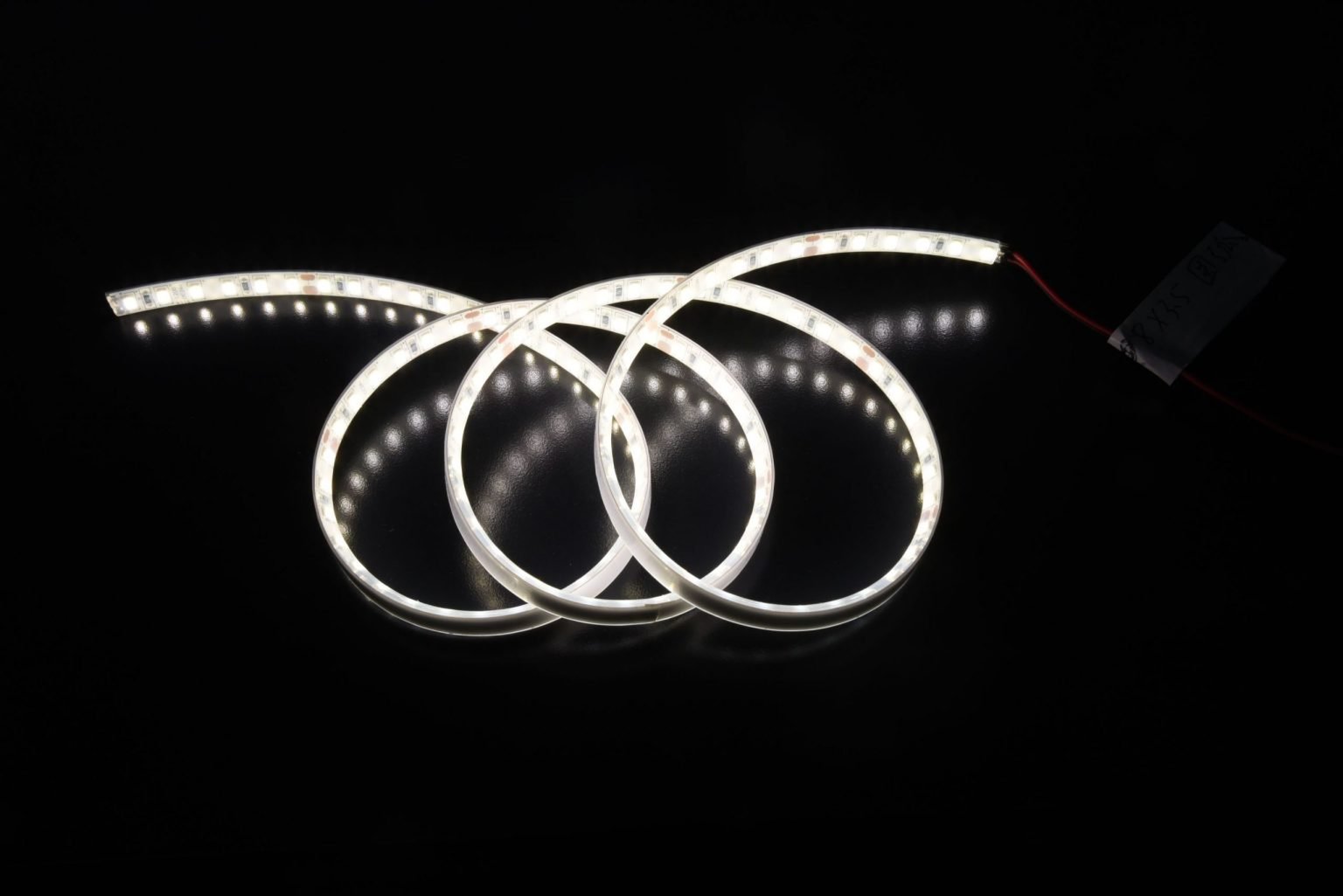
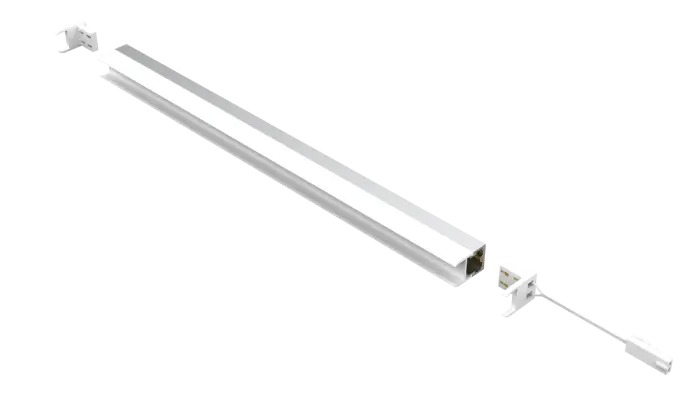
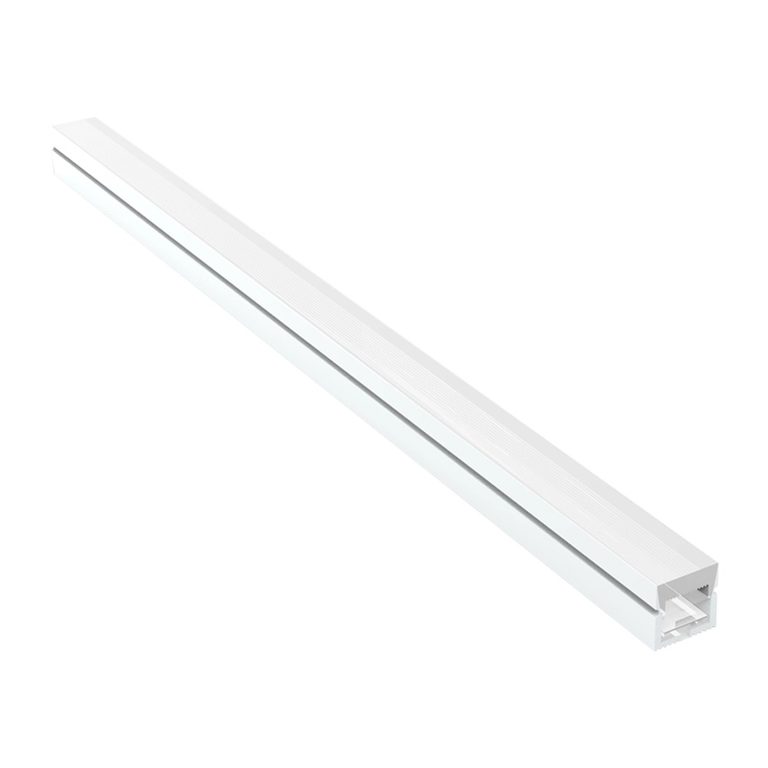
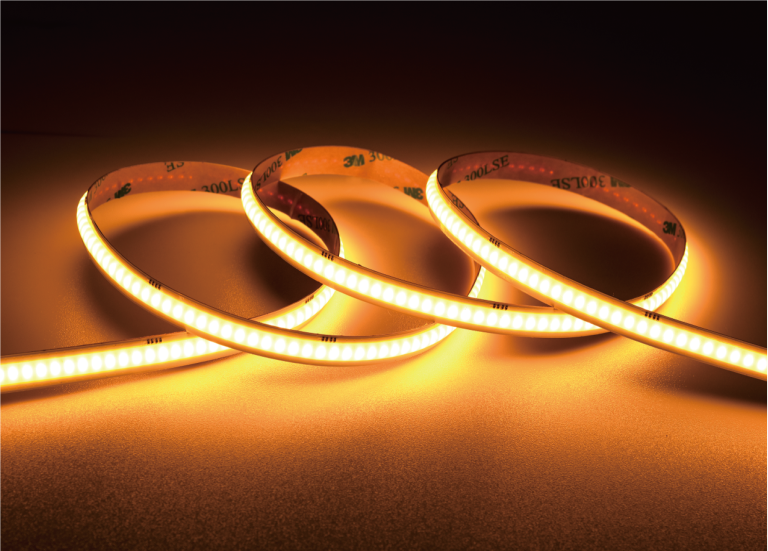
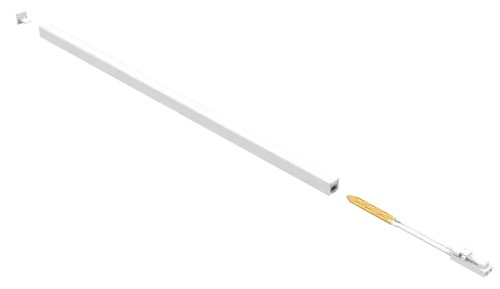
Our Built-in Silicone Light E13 offers an additional option for these applications. Designed for whole-house cabinets and built-in furniture, it features a 12V/24V back-lit silicone construction with a patented quick plug-in terminal. Its welding-free installation eliminates the need for aluminum profiles, simplifying integration into suitable furniture structures.
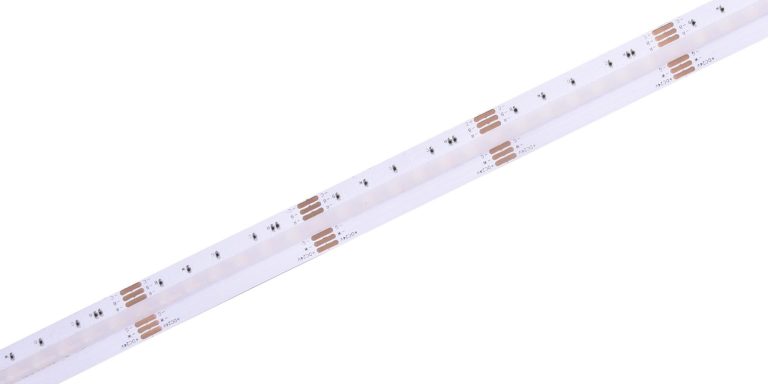
The E13 features double-color silicone extrusion that produces a uniform neon-style lighting effect. Its anti-yellowing and eco-friendly material characteristics support its intended furniture applications. Another practical advantage is its ability to be cut to the required length, accommodating different cabinet dimensions and installation layouts.
Supplied in whole rolls, the product can help reduce material waste and installation labor. Drivers, controllers, and terminals can also be combined according to different application requirements. For office furniture manufacturers and commercial interior contractors, this flexibility supports customized lighting arrangements.
Evaluate Energy Efficiency and Maintenance
Operating costs are important considerations for facility managers and commercial property owners. When evaluating lighting equipment, buyers should compare efficacy, rated power, expected operating hours, driver performance, and warranty conditions.
A suitable linear light fixture can contribute to efficient workplace illumination when its output matches the actual lighting requirements. Avoiding unnecessary over-illumination and using appropriate controls can also help manage electricity consumption.
Maintenance deserves equal attention. Recessed equipment should remain accessible for inspection and replacement. Drivers should be positioned where technicians can reach them without extensive ceiling removal. For furniture-integrated products, installers should consider how connections and control components can be accessed after cabinetry is completed.
A suspended linear LED fixture may offer more straightforward access in some open-ceiling environments, although its suspension hardware and electrical connections still require periodic inspection.
Plan Controls and Lighting Flexibility
Different workspace activities may require different lighting levels throughout the day. Meeting rooms, individual offices, and collaborative areas benefit from lighting controls that allow occupants or facility managers to adjust illumination according to actual use.
Dimming systems, occupancy sensors, and daylight-responsive controls can help reduce unnecessary operation. However, buyers should verify compatibility between the fixtures, drivers, controllers, and building management systems before purchasing.
A suspended linear LED fixture with suitable dimming capabilities can support flexible lighting arrangements in shared spaces. Similarly, localized furniture lighting can be configured with compatible controllers to address specific requirements.
For large projects, coordinating control strategies during the design stage helps avoid incompatible components and expensive modifications after installation.
Create More Functional Workspaces With Integrated Lighting
Practical workspace lighting requires a coordinated approach to fixture selection, architectural integration, light distribution, and maintenance. Recessed systems provide a streamlined appearance, while suspended installations offer flexibility where ceiling conditions make recessed mounting unsuitable. Furniture-integrated lighting adds another layer of functionality to storage and workstation areas.
At LEDIA Lighting, we develop lighting solutions for different commercial and interior applications. Our Built-in Silicone Light E13 combines flexible cutting, quick plug-in connections, and customized control options for built-in furniture. By considering both architectural and functional requirements, buyers can create lighting systems that support everyday workplace activities while maintaining a consistent interior design.