Retail displays compete for attention while needing to present merchandise accurately and make shopping spaces comfortable. LED strip lighting can add discreet illumination to shelves, niches, counters, signage, and architectural details, but a successful installation requires more than choosing a bright strip. Retailers, lighting designers, fit-out contractors, and procurement teams should consider color quality, visual uniformity, mounting conditions, electrical design, and long-term supply before selecting an LED strip supplier.
Define the Display’s Purpose Before Selecting a Strip
Start by identifying what each display needs to achieve. A jewelry case may require controlled highlights that reveal detail, while a grocery shelf needs consistent illumination across product labels. Clothing displays benefit from color fidelity, and decorative niches may prioritize a subtle glow.
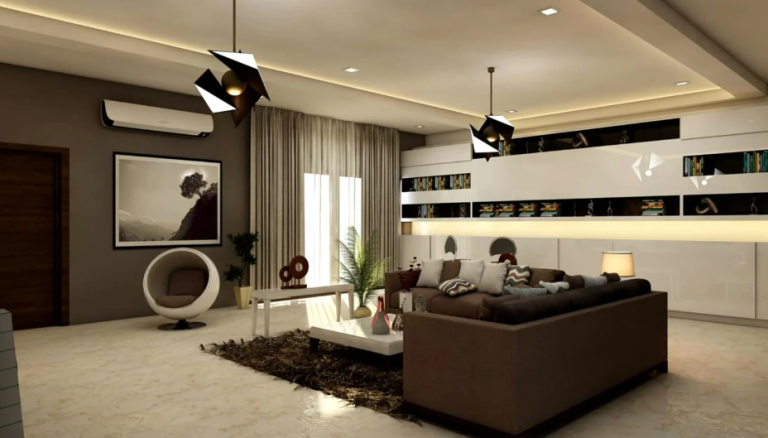
Map the display dimensions, viewing angles, and shelf materials. Consider whether the strip will be directly visible or concealed behind a diffuser or shelf lip. This early assessment helps a wholesale LED strip light buyer specify the correct profile, brightness, and accessories.
Prioritize Color Rendering and Consistent Appearance
Color quality can influence how shoppers judge apparel, cosmetics, food, and other merchandise. Color rendering index (CRI) indicates how faithfully a light source reveals object colors compared with a reference source. For products where color accuracy matters, project teams often evaluate CRI 90 or higher and may review additional measures such as R9 or TM-30 data.
Correlated color temperature (CCT) also affects the character of a display. Warm white can create an inviting atmosphere, while neutral white may suit contemporary retail environments and product inspection. Keep CCT consistent within connected display zones. Ask an LED strip supplier for samples and photometric data so stakeholders can assess the light against actual merchandise and finishes.
Use Dot-Free Illumination for a Refined Finish
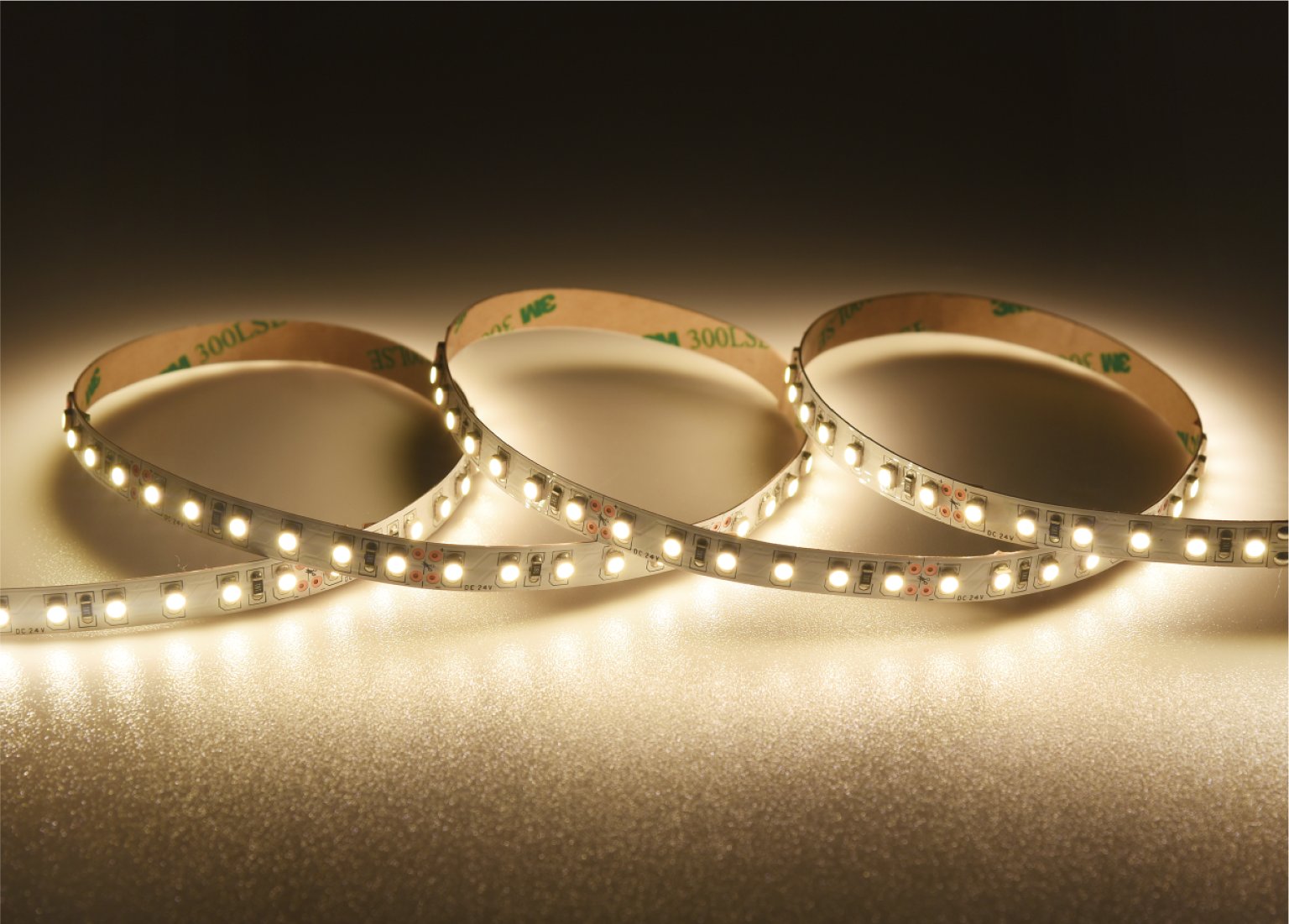
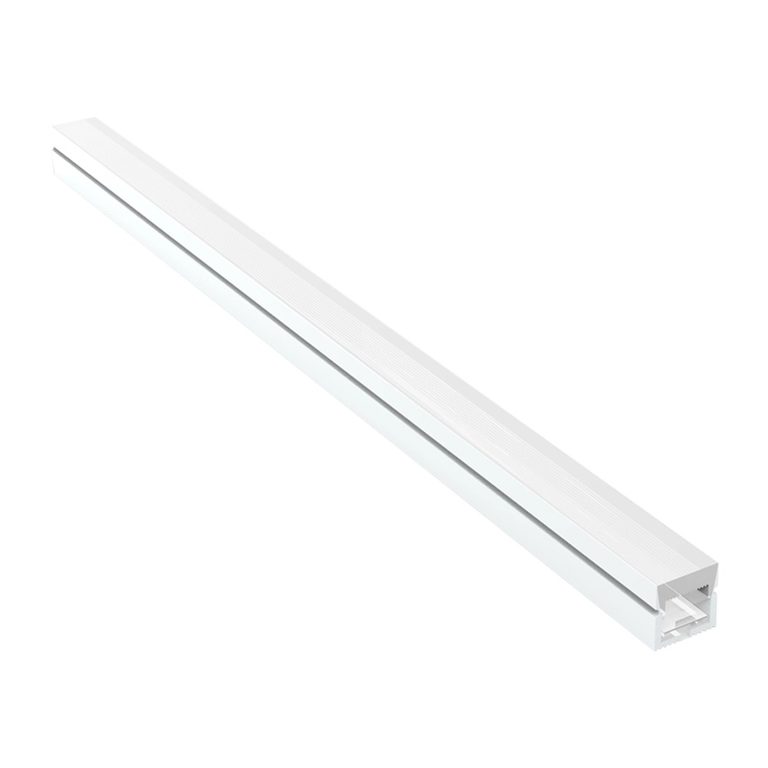
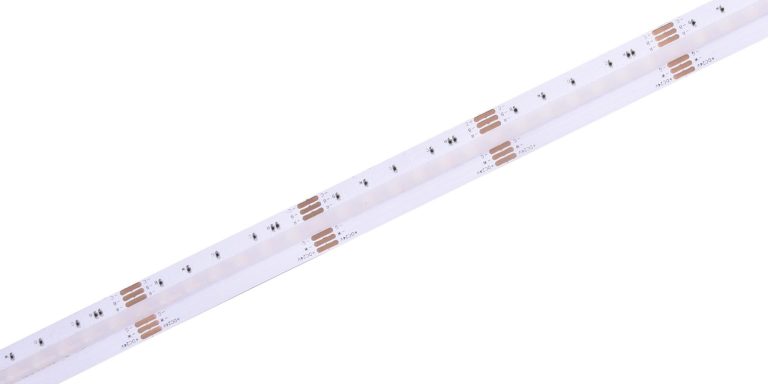
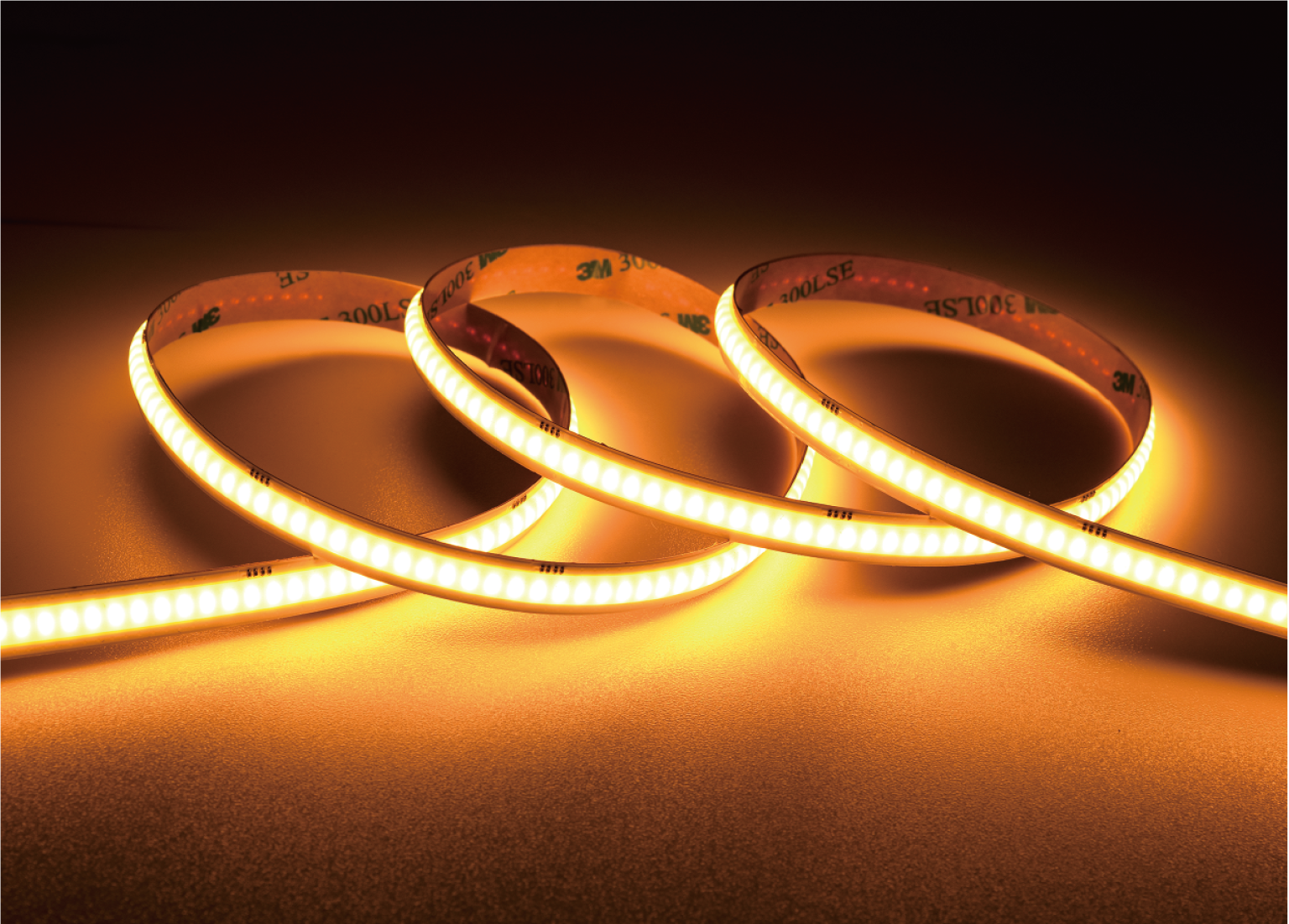
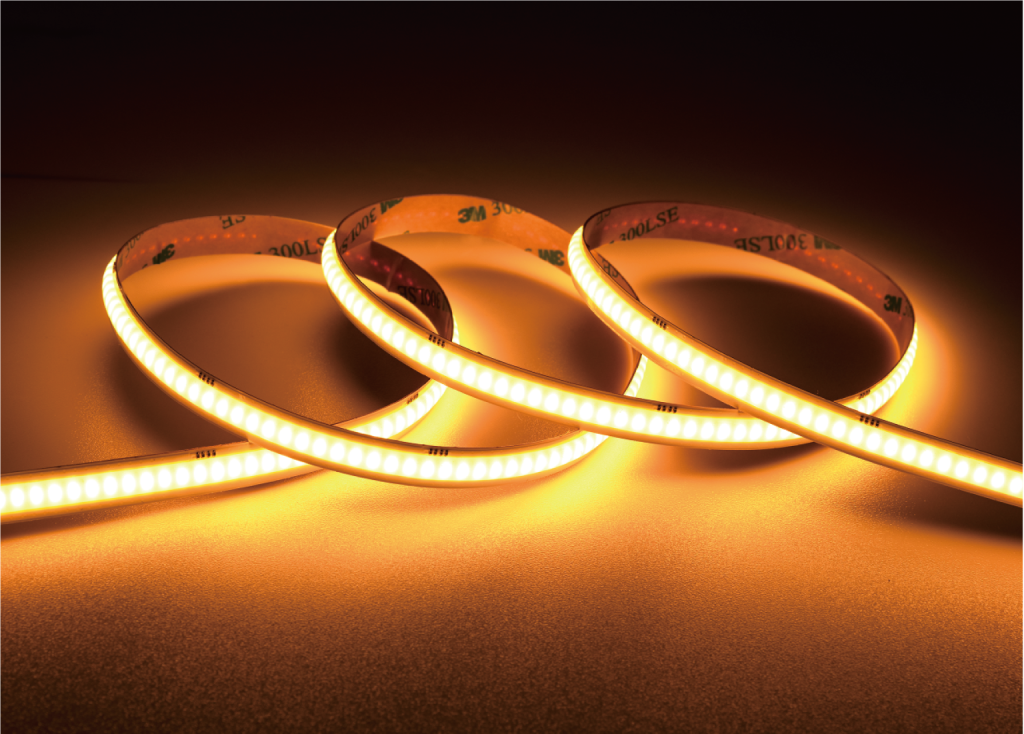
Visible LED points can distract from merchandise, particularly when strips are installed close to glossy surfaces or viewed directly. COB technology places many LED chips along a continuous emitting surface, helping create a more uniform, dot-free appearance. This can be useful beneath shelves, inside display cabinets, and along narrow architectural details where a smooth line of light is preferred.
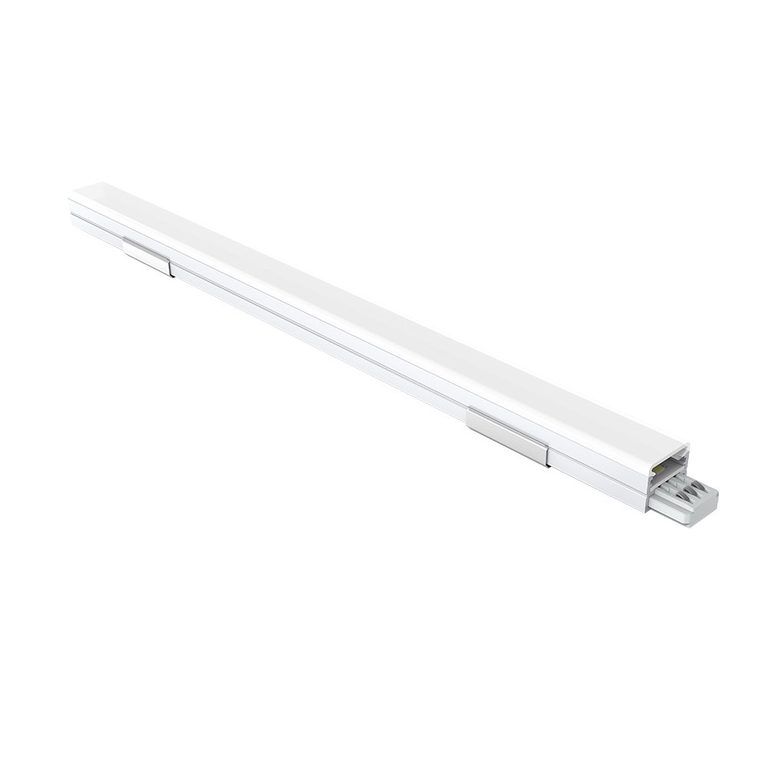
Our COB Digital Series is designed for uniform, dot-free illumination and a super-narrow form factor. It offers CRI 80+, 90+, and 95+ options, with CRI90+ efficacy reaching up to 120 lm/W. For buyers comparing a wholesale LED strip light, these features provide a starting point for matching visual quality and energy performance to the display brief.
Match Waterproofing and Construction to the Installation
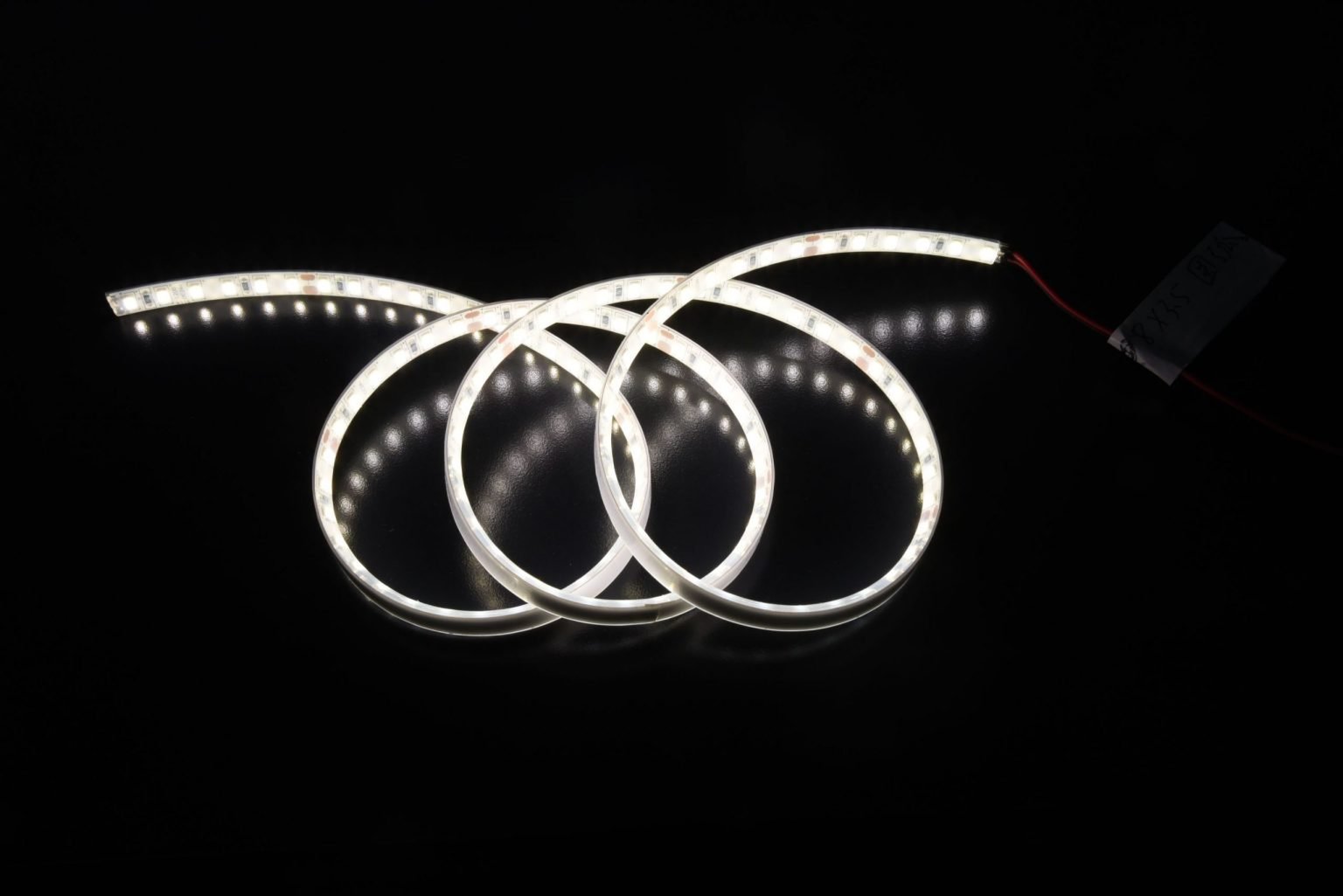
Retail environments include dry indoor shelving as well as areas exposed to cleaning, humidity, or occasional splashes. Select ingress protection according to the actual installation conditions, not simply because a higher IP rating sounds preferable. Our COB Digital Series is available in IP20, IP65, IP67, and IP68 options. Confirm the rating of the complete assembly, including connectors, power supplies, and end treatments.
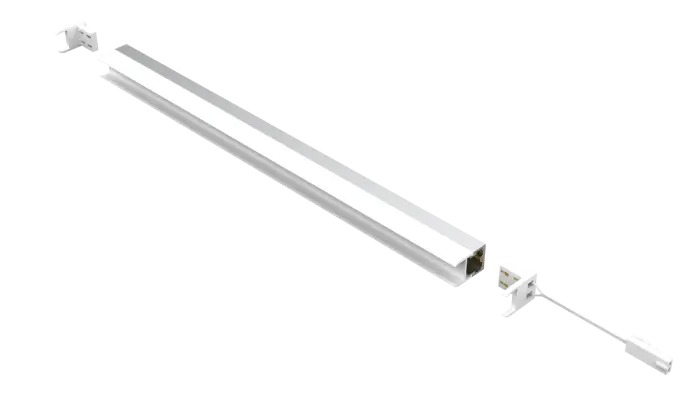
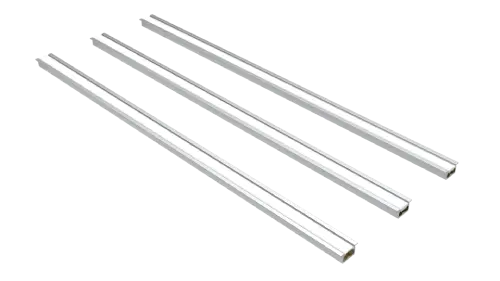
A narrow strip may fit into shallow shelving or compact display profiles, but the available space must also accommodate wiring, heat management, and maintenance access. Aluminum channels can help provide a neat mounting surface and manage heat. Check the manufacturer’s installation instructions and avoid enclosing a strip in a way that prevents appropriate thermal dissipation.
Plan Brightness, Glare, and Power Together
Higher lumen output does not automatically create a better display. Excessive brightness can cause glare on glass, polished metal, packaging, or screens. Use the strip’s position, shielding, diffusion, and dimming controls to balance accent lighting with ambient illumination. A mock-up is particularly valuable when displays contain reflective products or transparent cases.
Electrical planning should cover input voltage, watts per meter, total run length, driver capacity, cable sizing, voltage drop, and feed locations. Confirm whether dimming is required and ensure the driver and control method are compatible. A wholesale LED strip light order should be based on approved specifications to avoid inconsistent installations across store branches.
Evaluate the Supplier’s Project Support
For multi-site retail programs, product consistency and repeat availability matter as much as the initial sample. Ask an LED strip supplier about production control, binning, testing, documentation, warranty terms, lead times, and how changes to components are communicated. A dependable LED strip supplier should also explain how it supports samples, custom requirements, and technical questions during installation.
At LEDIA Lighting, we support retail and decorative lighting applications through our LED strip range and manufacturing capabilities. Our COB Digital Series combines a narrow design, dot-free illumination, optional CRI levels, and multiple waterproof configurations. The series carries a three-year warranty. We work with customers to review application conditions and identify product options that align with project requirements.
Build a Display Lighting Specification That Lasts
A dependable retail lighting scheme begins with the merchandise and the display environment, then connects optical performance with installation and procurement details. Evaluate color rendering, CCT, uniformity, glare, IP rating, thermal conditions, controls, and maintenance before approving a product. Use samples and documented specifications to keep decisions consistent between design teams, contractors, and purchasing departments.
When sourcing wholesale LED strip lights, look beyond unit price and assess the supplier’s ability to maintain product consistency and support future orders. We help customers compare suitable strip lighting options for retail and decorative projects, turning display requirements into a practical specification that supports a polished presentation and reliable operation.