Choosing the right LED strip lighting involves more than comparing brightness and purchase prices. For commercial lighting distributors, contractors, architects, and project developers, material construction, waterproof performance, flexibility, optical quality, and long-term durability all influence product suitability. These factors become particularly important in outdoor architectural projects and moisture-prone environments. Understanding the differences between available products helps buyers make informed procurement decisions and select lighting solutions that meet their installation requirements.
Material Construction: Silicone, PU, or PVC
The first factor to examine is the protective material surrounding the LED strip. Different materials offer different levels of flexibility, environmental resistance, and durability. Traditional PU coatings and PVC jackets can provide basic protection, but their performance may vary under prolonged exposure to sunlight, temperature changes, and moisture.
A silicone LED strip light is often considered for projects requiring flexibility and reliable environmental protection. Silicone offers good resistance to ultraviolet radiation and maintains its flexible properties across a broad temperature range. These characteristics make it suitable for applications where lighting products face changing environmental conditions.
Buyers should also distinguish between surface coatings, hollow silicone sleeves, and solid silicone extrusion. These constructions provide different protection levels and mechanical characteristics. Understanding the manufacturing method is essential before comparing products based solely on material descriptions.
Waterproof Performance and Environmental Protection
Waterproof capability is another important purchasing consideration. Lighting installations around swimming pools, showers, saunas, and outdoor building outlines may encounter splashing water, humidity, or prolonged moisture exposure.
However, buyers should not assume that every waterproof product offers the same protection. IP ratings indicate resistance to dust and water ingress under specified testing conditions. The actual protection level depends on the product construction, end sealing, connectors, and installation quality.
When evaluating a silicone strip light, buyers should request the relevant IP rating and supporting test documentation. They should also confirm whether the complete installation, including cut ends and electrical connections, maintains the required protection level.
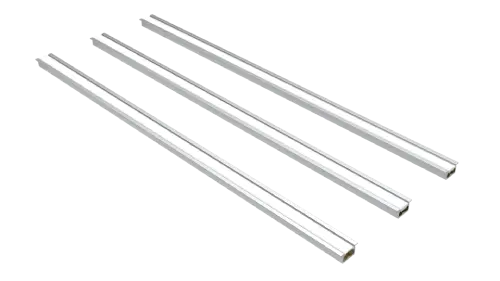
For demanding projects, selecting a suitable extrusion structure and checking its sealing details can help reduce the risk of moisture-related failures.
UV Resistance and Long-Term Appearance
Outdoor lighting products are frequently exposed to direct sunlight. Over time, ultraviolet radiation can cause certain protective materials to discolor, become brittle, or lose their original appearance. Such deterioration can affect both the visual quality and reliability of an installation.
Silicone is generally valued for its UV stability, making it an attractive option for architectural outlines, advertising displays, and other exterior applications. Nevertheless, buyers should examine actual material test results rather than assuming that every silicone formulation performs identically.
For projects where appearance must remain consistent over several years, ask suppliers about accelerated UV testing, weather resistance, and yellowing performance. These details help procurement teams assess whether a product is appropriate for its intended operating environment.
Flexibility, Bending, and Installation Convenience
Installation conditions can differ significantly between projects. Building outlines may include curves and corners, while advertising light boxes may require consistent lighting across specific dimensions. Buyers should therefore compare the flexibility and bending characteristics of different strip designs.
A flexible silicone LED strip light can accommodate curved installations more easily than rigid lighting products. However, the permitted bending direction and minimum bending radius should still be checked to avoid damaging internal components.
The product’s cross-sectional shape also matters. A flat lighting surface can provide a wide beam angle, while a solid silicone body can create a smooth, continuous appearance. For installers, freely cuttable designs offer additional convenience, provided cutting is performed at designated points and the exposed ends are properly resealed when waterproof protection is required.
Optical Quality and Lighting Appearance
Material selection should not overshadow optical performance. Buyers also need to consider light transmission, beam angle, surface smoothness, and visual consistency.
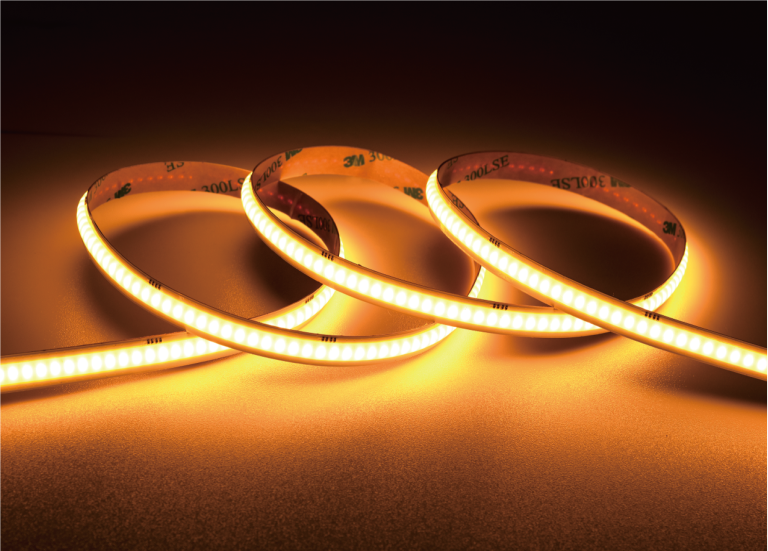
A clear protective body can help maintain light output while creating a distinctive appearance. Diffusion characteristics influence how evenly light is distributed and whether individual LED points remain visible. For architectural applications, a wide beam angle may be preferable when the objective is to illuminate a broader surface.
When comparing a silicone strip light, project teams should request product samples or lighting data to evaluate the actual visual effect. Checking the appearance from different viewing angles can also help determine whether the product meets the design requirements.
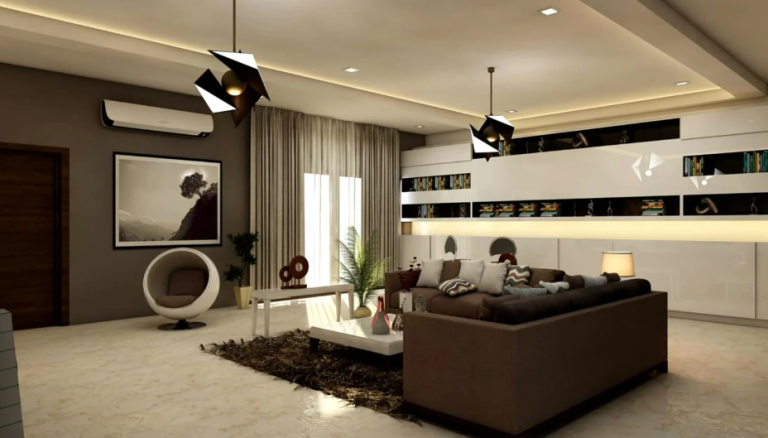
These considerations are particularly relevant to advertising light boxes and building outlines, where consistent illumination contributes directly to the overall presentation.
Safety, Durability, and Maintenance Requirements
Commercial buyers should evaluate product safety alongside performance. Fire resistance, electrical protection, material stability, and installation compatibility can all influence whether a lighting product is suitable for a particular project.
For example, lighting installed in saunas and shower rooms must be selected according to the actual temperature, moisture exposure, electrical safety requirements, and applicable local regulations. A waterproof construction alone does not establish suitability for every wet or high-temperature environment.
Maintenance is equally important. Products with durable protective structures may reduce the frequency of replacement caused by environmental deterioration. Buyers should ask about warranty coverage, operating conditions, inspection requirements, and the availability of replacement components.
It is also important to confirm the compatibility of the LED strip, power supply, connectors, and dimming equipment before finalizing procurement.
Product Dimensions, Voltage, and Project Compatibility
Technical specifications determine whether a product can integrate smoothly into an existing lighting design. Buyers should compare operating voltage, dimensions, power consumption, cutting intervals, and installation accessories.
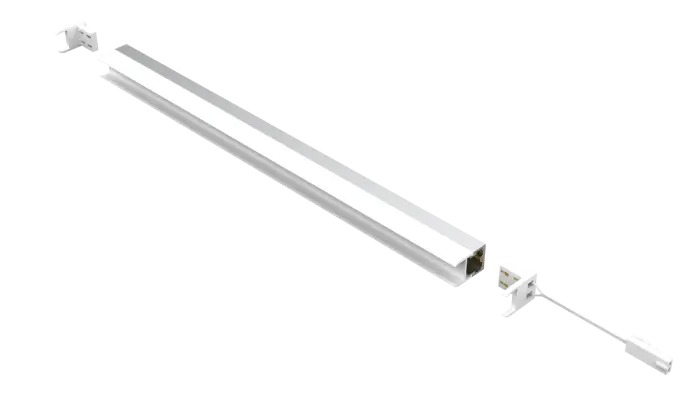
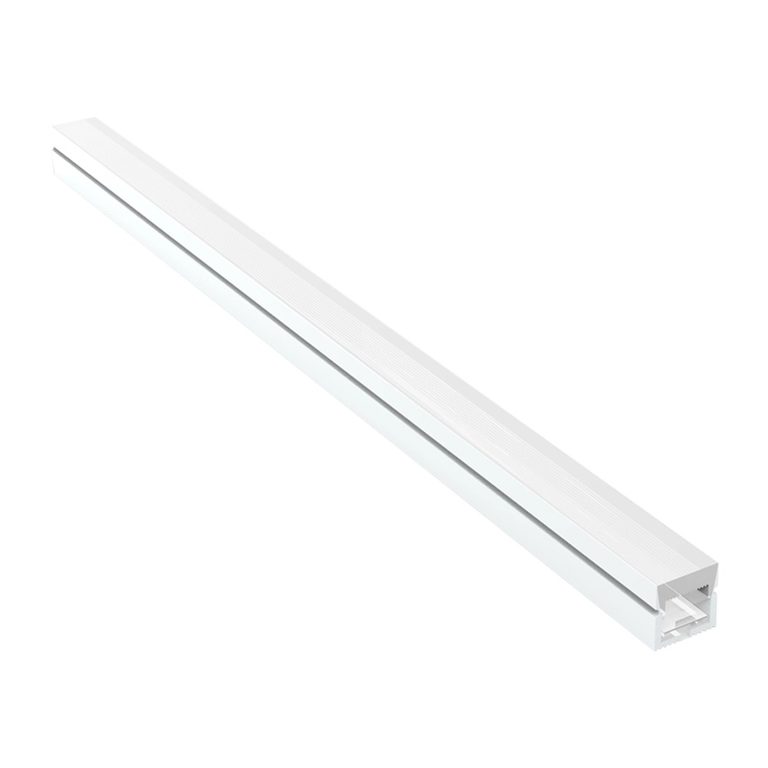
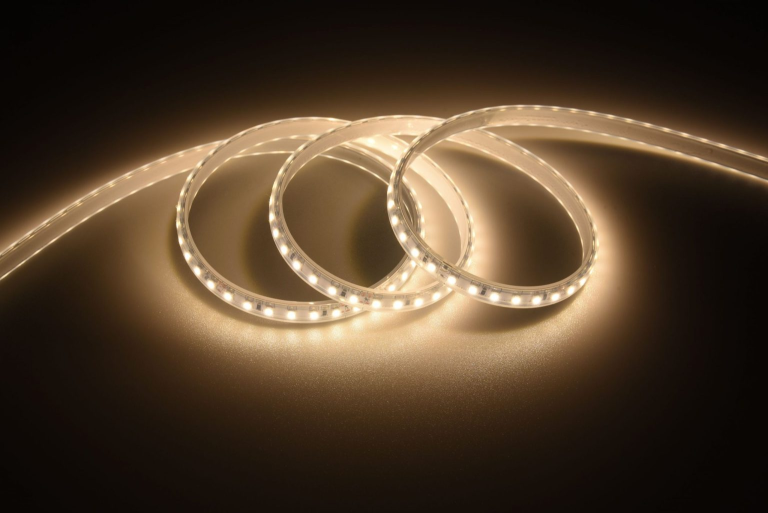
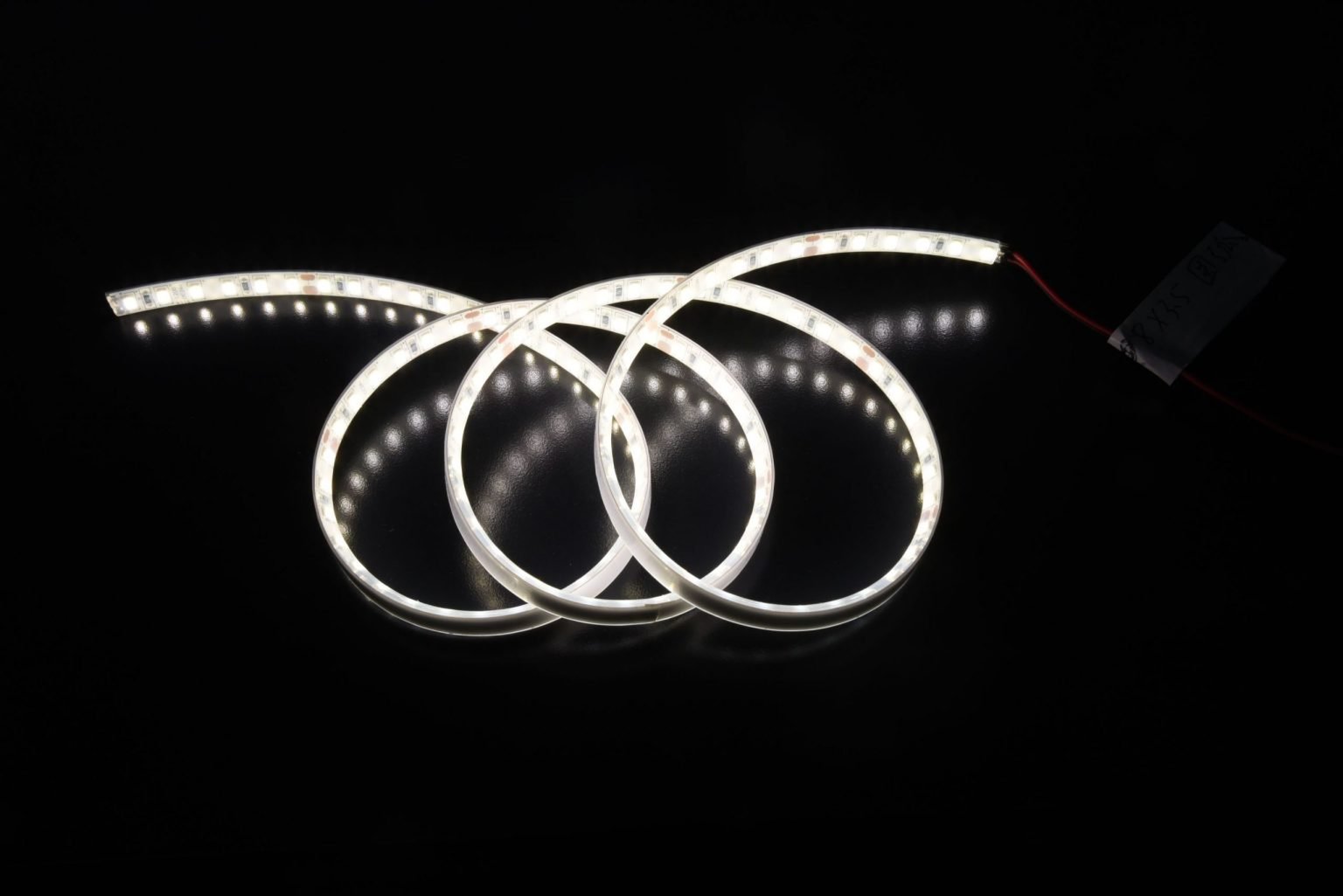
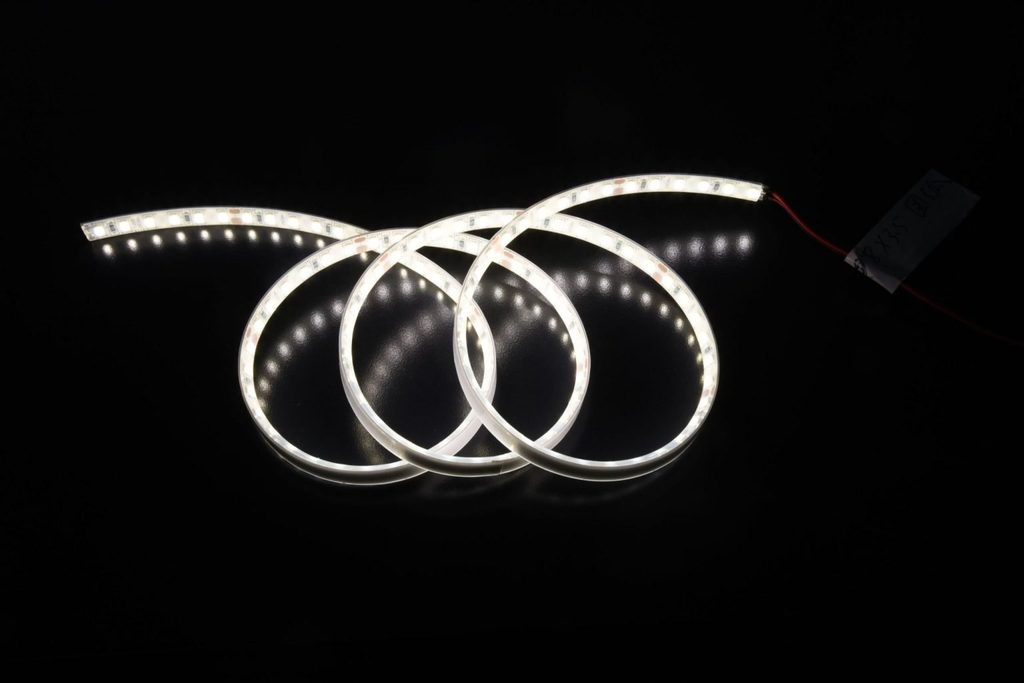
Our LD-FR-SJT-DC24V-XXXX-120-10\*4mm Solid Arc silicone extrusion strip features a 24V DC configuration and a 10 × 4 mm cross-section. Its distinctive solid structure, flexible construction, and flat lighting surface make it suitable for projects requiring both visual quality and adaptable installation.
The product also features a smooth crystal-like light body and a wide beam angle. Its machine-extruded silicone structure provides a unified profile, while its freely cuttable design supports convenient project customization. Buyers should confirm cutting instructions and electrical requirements before installation.
Supplier Capability and Product Consistency
Price is important, but supplier reliability also affects the total cost of ownership. For distributors and contractors managing multiple projects, inconsistent material quality or delayed deliveries can disrupt installation schedules and increase operational expenses.
We focus on providing silicone extrusion lighting solutions with attention to product quality and delivery efficiency. Our LD-FR-SJT-DC24V-XXXX-120-10\*4mm model is designed with UV resistance of up to five years without yellowing under the specified conditions, waterproof performance, and fire-resistant properties.
When evaluating suppliers, buyers should request samples, technical documentation, quality-control information, and delivery estimates. These checks help establish whether a manufacturer’s production capabilities align with project schedules and performance expectations.
Choosing the Right Silicone Solution for Your Project
Selecting the right lighting product requires balancing material quality, waterproof protection, UV resistance, optical performance, and installation convenience. A silicone LED strip light may offer advantages for demanding indoor and outdoor applications, but buyers should always verify specifications against actual project conditions. By comparing these factors and assessing supplier capabilities, businesses can make more reliable purchasing decisions. At LEDIA Lighting, we provide flexible silicone extrusion solutions, including our Solid Arc model, to support diverse architectural and commercial lighting requirements. Our silicone strip light solutions are designed to combine practical installation features with durable protective construction.