Hospitality lighting has to respond to spaces that rarely serve one purpose throughout the day. A hotel lobby may shift from bright daytime circulation to a quieter evening atmosphere, while a restaurant can require different visual conditions during preparation, dining, and late service. That makes flexibility more valuable than simply adding more light.
For project teams, the real question is not whether linear lighting looks modern. It is whether the selected system can give designers and operators enough control to shape the environment without creating unnecessary installation complexity. Magnetic linear light systems can be considered within that broader decision, particularly where layouts or lighting scenes may need to change.
Why Hospitality Projects Need More Than Fixed Linear Illumination
A hospitality project is rarely designed around one permanent visual condition. Guest expectations, operating schedules, furniture arrangements, and spatial functions can all influence how illumination should feel.
Fixed-output fixtures can work well in straightforward areas, but they provide less flexibility once the lighting brief becomes more dynamic. Designers may need softer illumination in guest-facing areas while retaining sufficient visibility for circulation, service, or cleaning.
That is where a dimmable linear LED light becomes relevant. Rather than treating brightness as a fixed specification, the project can incorporate adjustable output into the lighting strategy. The value is particularly apparent when one space needs to support different activities without replacing its physical fixtures.
Magnetic systems add another layer to this concept. Their appeal comes from treating the lighting arrangement as a configurable system rather than an entirely permanent installation. However, the exact mechanical connection method, fixture compatibility, electrical architecture, and accessory range still need to be confirmed against the selected product.
Where Magnetic Linear Systems Fit Into the Lighting Plan
Hospitality designers should start with the spatial function rather than the fixture name. Reception counters, corridors, display areas, guest rooms, restaurants, and retail-adjacent zones can have very different lighting objectives.
A magnetic linear light may be worth investigating where the project benefits from adaptable positioning or a coordinated fixture system. The decision should follow the architectural layout and the required lighting scenes, rather than assuming that magnetic mounting automatically makes a system appropriate.
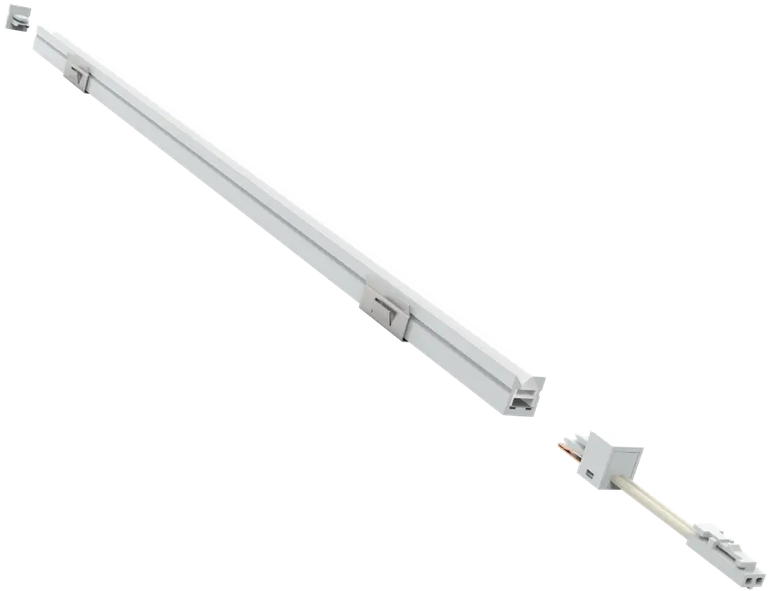
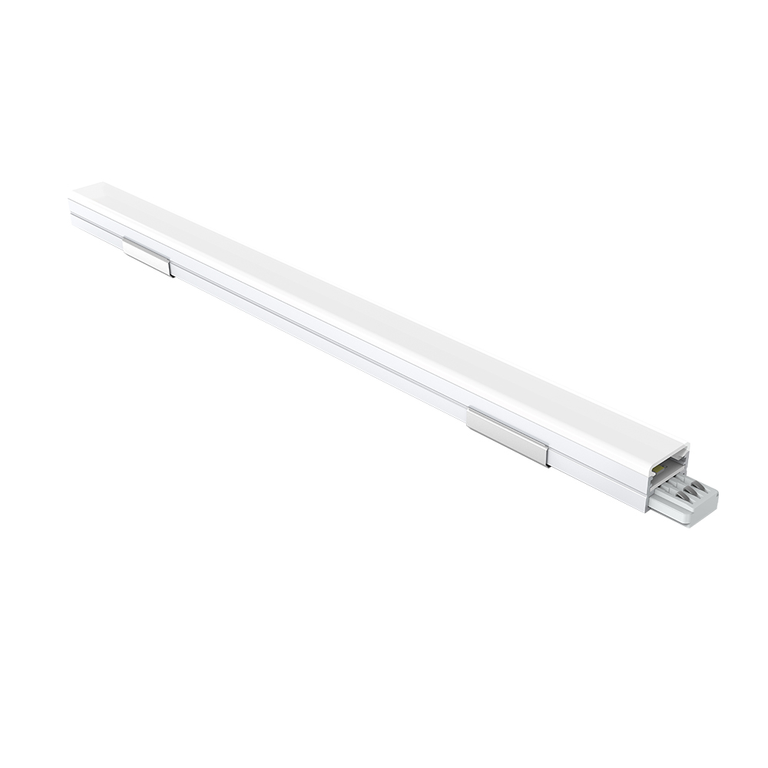
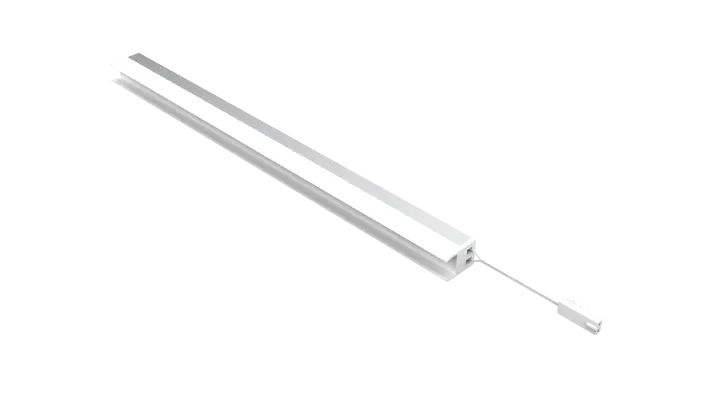
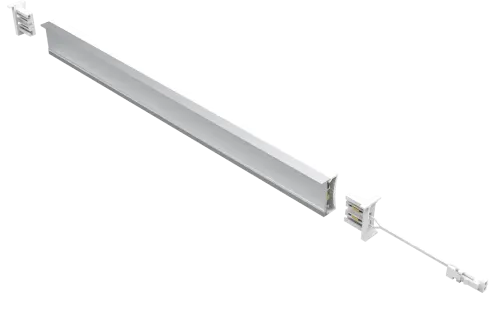
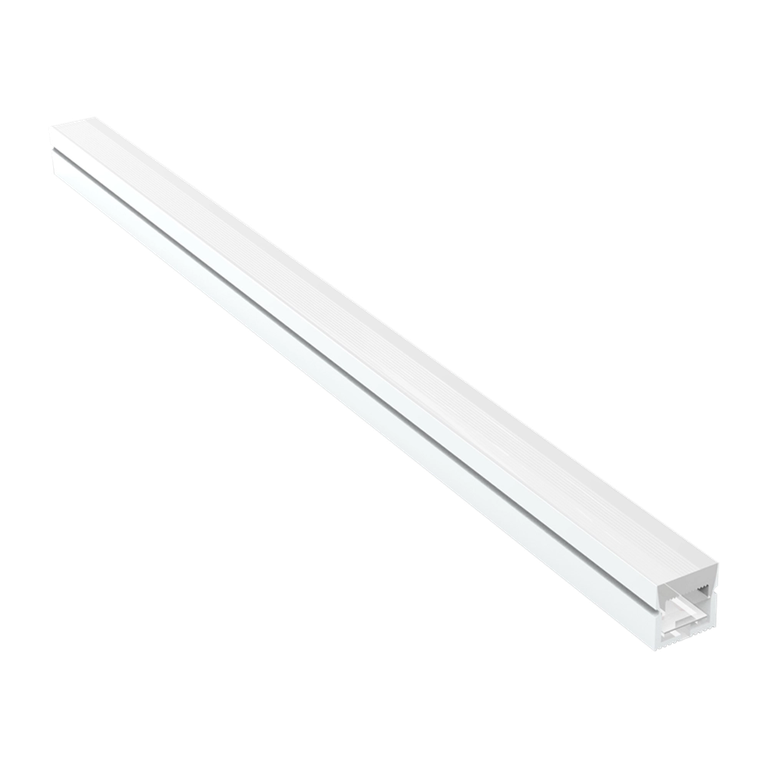
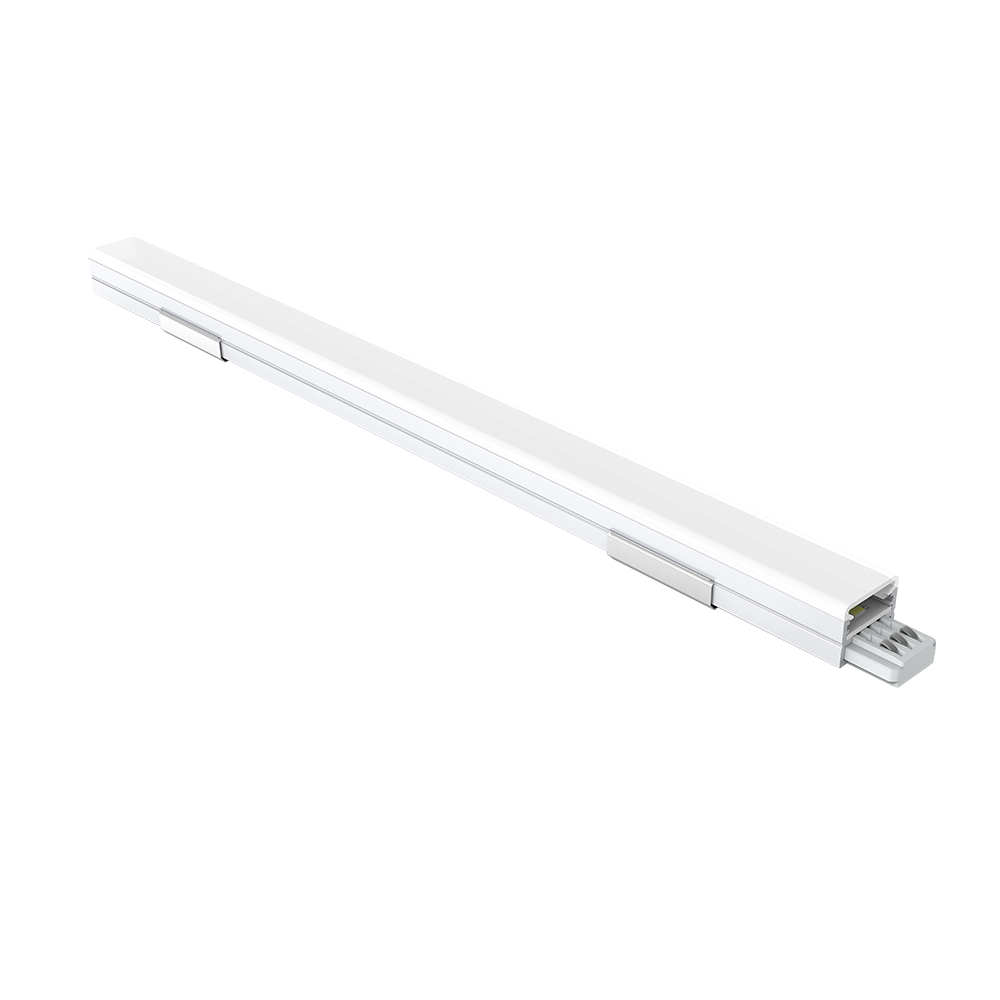
At LEDIA Lighting, we ground our selection process in the real-world installation context. We identify products like the Needle G02 Series, configured as a DC 24V CCT-tunable and dimmable free-connection option, to provide project teams with a concrete example of advanced lighting control inside a compact footprint.
That distinction matters. A supplied product page should be used to verify what a particular fixture actually provides; magnetic mounting should not be assumed simply because magnetic lighting is the subject of the project.
Control Matters as Much as the Fixture
Brightness is only one part of creating a hospitality environment. Color temperature can also influence how a space is presented, particularly where the desired atmosphere changes between operating periods.
CCT-tunable equipment can give designers another adjustable parameter. Instead of specifying one color temperature and accepting it throughout the installation, a tunable system can provide greater control over the intended lighting character, subject to the actual range and control method of the selected product.
The Needle G02 reference specifically identifies CCT tuning and dimming as product functions, alongside its DC 24V configuration. For a project team, those details are more useful than a generic statement that the fixture is “smart” or “flexible.”
We would therefore review the control architecture alongside the fixture schedule. A dimmable linear LED light is only useful at project scale when the dimming method, controller, driver arrangement, wiring, and commissioning requirements are compatible with the intended system.
Planning the System Around the Space
Hospitality projects benefit from resolving lighting details before installation begins. Ceiling construction, joinery, furniture, service access, power distribution, and architectural sightlines can all affect the final arrangement.
A useful specification exercise is to map each lighting zone against four questions: where is illumination required, how often might the lighting condition change, who controls it, and how accessible is the equipment after installation?
Those answers help distinguish genuinely flexible requirements from situations where a conventional fixed linear installation may be sufficient.
The electrical architecture also deserves attention. The referenced Needle G02 product uses a DC 24V configuration, so the project team should verify the appropriate power-supply arrangement and ensure the complete installation is designed around the manufacturer’s stated requirements rather than treating the fixture in isolation.
A Practical Specification Route for Hospitality Projects
Specification should begin with the room or zone, not the product catalogue. Define the intended visual effect, operating conditions, control requirements, and physical constraints before comparing fixtures.
Next, separate confirmed product characteristics from assumptions. If a product is described as CCT tunable, confirm its actual adjustment range and control interface. If dimming is required, verify the applicable dimming method and system components. If magnetic mounting is required, confirm the mechanical interface specifically.
This is also where our team at LEDIA Lighting would examine whether the proposed configuration matches the project’s installation workflow. A hospitality contractor may value connection simplicity, while a designer may prioritize control flexibility. Both requirements need to work within the same specification.
Procurement teams should then compare the complete system rather than judging a fixture from its unit price alone. Drivers, controllers, connectors, mounting components, installation labor, commissioning, and future accessibility can all affect the practical project outcome.
Making Flexibility Part of the Lighting Strategy
The strongest case for flexible linear lighting is not that every hospitality space needs a movable fixture. It is that some environments genuinely benefit from being able to adjust illumination as the space changes.
Magnetic linear light can therefore be evaluated as part of a broader adaptable-lighting strategy, but only after its mechanical and electrical characteristics have been verified for the project.
For hospitality applications requiring adjustable brightness or color temperature, the product specification becomes particularly important. A dimmable linear LED light with clearly defined control characteristics can support a more deliberate lighting strategy than a fixed-output solution, provided the complete system is correctly integrated.
Our view at LEDIA Lighting is straightforward: specify the lighting behavior first, then select the hardware that can reliably deliver it. For contractors, engineers, and hospitality developers, that approach keeps the focus on the finished environment rather than on a fixture category alone.