Retail lighting has a job beyond making a display visible. It can draw attention to a product, define a display feature, or create a particular atmosphere around a brand. That makes the visual character of the light especially important when a display uses color as part of its design.
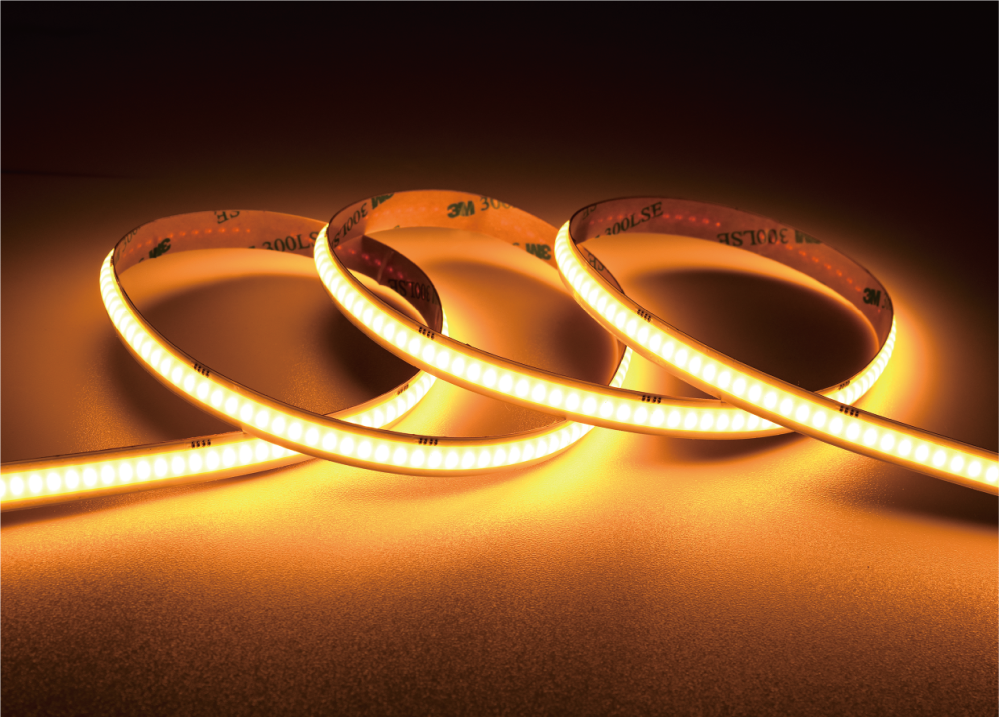
RGB COB LED strips bring two ideas together: color-changing LED technology and a more continuous-looking light source. For retail buyers, the useful question is not whether the technology sounds advanced. It is whether that combination creates a better result for the particular display.
We approach that decision by looking at the display first, then deciding whether the lighting effect justifies the selected strip format.
Why Retail Displays Need More Than a Line of Light
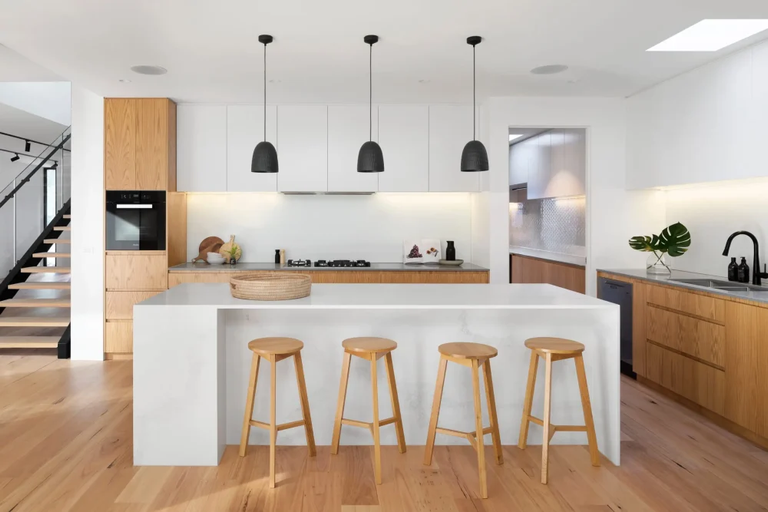
A shelf, display cabinet, niche, or feature wall may require lighting that blends into the structure rather than appearing as a row of individual points.
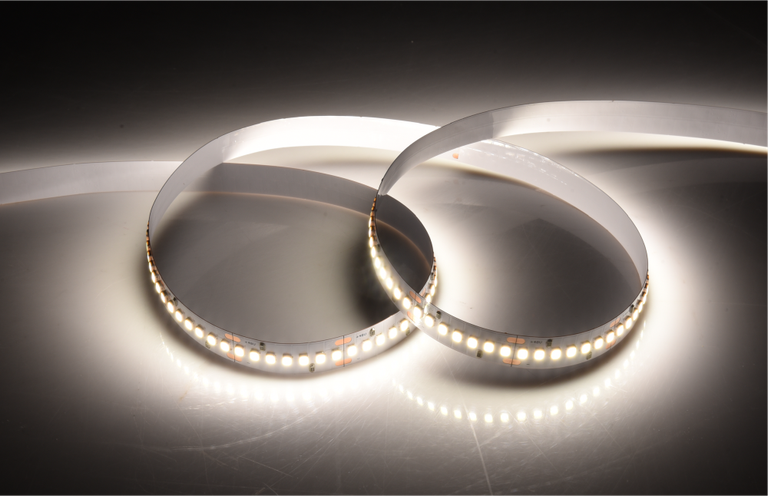
That distinction becomes noticeable when the light source is installed close to the viewer. Individual LED points can become visually distracting when the strip is exposed or when the installation geometry makes the light source easy to see.
Color adds another layer. A retailer may want a display to change its visual character for different campaigns, product launches, or environments. RGB technology makes color variation possible, while the strip’s optical construction determines how that color appears along the illuminated line.
For a project buyer, therefore, the first decision should be about the desired visual result. If the display simply needs discreet white illumination, a conventional product may be sufficient. If changing color and a continuous appearance are central to the design, RGB COB becomes more relevant.
What Changes When RGB and COB Work Together?
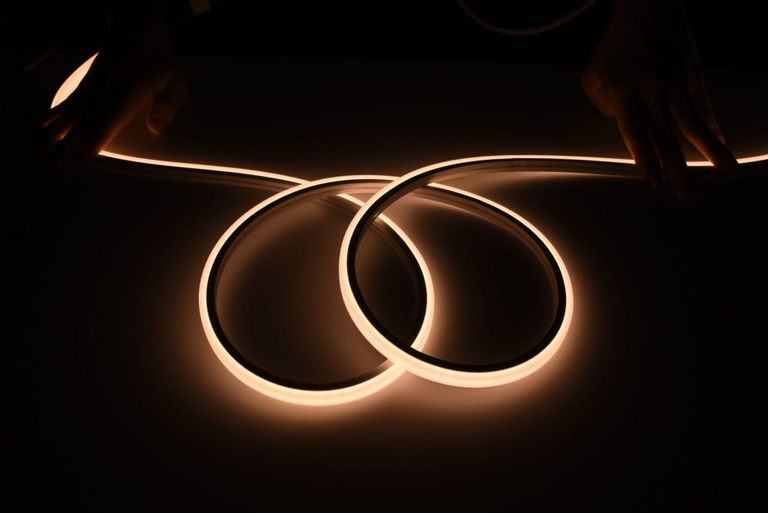
COB, or chip-on-board, places LED chips closely together on the circuit board. The practical effect buyers notice is the potential for a more continuous-looking line of illumination compared with a strip where individual LED packages are more visually apparent.
RGB refers to the use of red, green, and blue light sources to create different colors through controlled combinations. Put the two concepts together and the product can provide color-changing illumination while maintaining a visually smoother appearance.
LEDIA Lighting’s strip-light category includes both regular strip products and COB-related options, illustrating that LED strip lighting encompasses several different constructions rather than one universal format. LEDIA Lighting strip light range
For retail displays, that distinction matters most when the strip itself may be visible or when the lighting needs to produce a clean line around an architectural detail.
Where a Continuous Light Effect Matters Most
Some retail installations are designed around a strong visual line. Shelving, counters, display frames, signage features, and recessed details can all use linear illumination to guide attention.
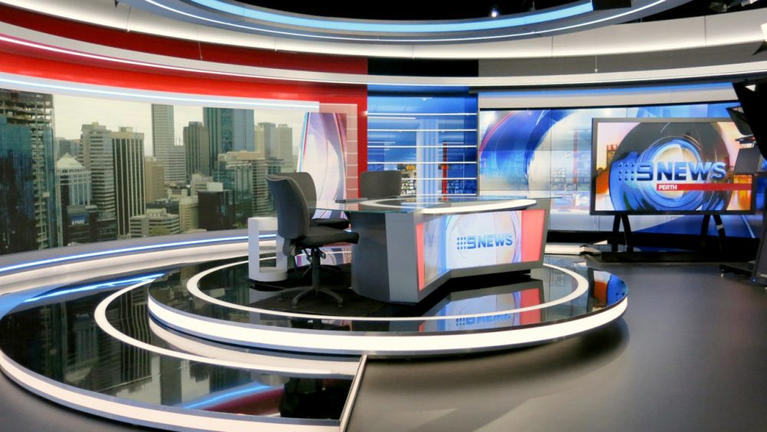
An RGB COB strip can make sense in these situations when the project needs both color variation and a smoother visual appearance. The lighting can become part of the display language rather than simply serving as background illumination.
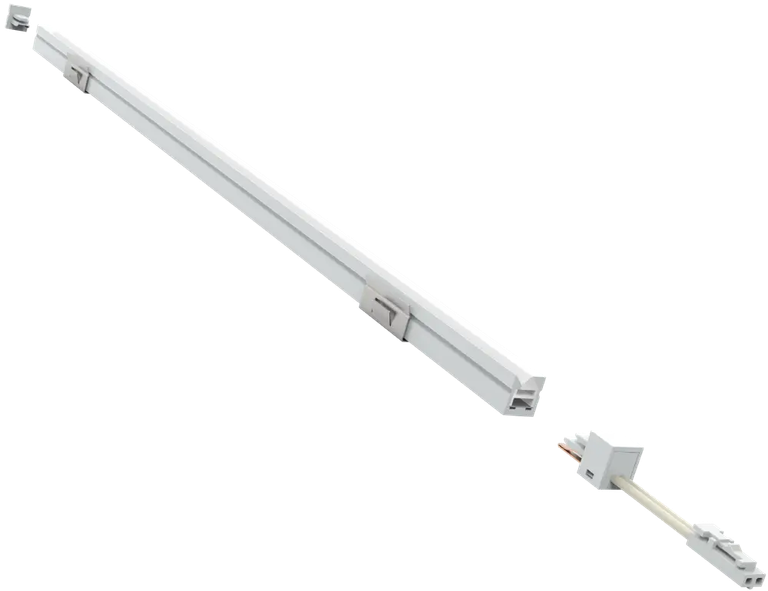
Position also matters. A strip hidden behind a diffuser may already produce a sufficiently continuous effect, reducing the need to select a particular strip construction solely for appearance. An exposed strip has less opportunity to conceal differences between individual LED components.
We would therefore evaluate the viewing distance and mounting position before specifying the product. A lighting effect that looks impressive from several metres away may need a different solution when customers can inspect it from only a short distance.
This is also where a standard LED strip lights option can remain useful. Not every retail project needs RGB color control or the particular visual characteristics associated with COB construction.
When a Conventional Strip Is the More Practical Choice
Technology should follow the display requirement, not the other way around.
A conventional strip can be appropriate when the lighting is concealed, the display only requires one color, or the project prioritizes straightforward linear illumination. LEDIA Lighting’s regular strip range provides a reference point for these more conventional installations. LEDIA Lighting regular strip lights
Cost, control requirements, installation space, and the intended visual effect can all influence the decision. Adding RGB capability where no color-changing function is required can introduce unnecessary complexity to an otherwise simple lighting system.
The same reasoning applies when comparing standard LED strip lights with an RGB COB product. Rather than asking which technology is generally better, compare the two against the display’s actual requirements.
If the project needs a simple concealed accent, conventional strip lighting may be the sensible answer. If color and visual continuity are central to the design, RGB COB deserves closer evaluation.
What PVC Construction Changes at the Installation Stage
Material construction becomes relevant once the strip moves from the product catalogue to the physical installation.
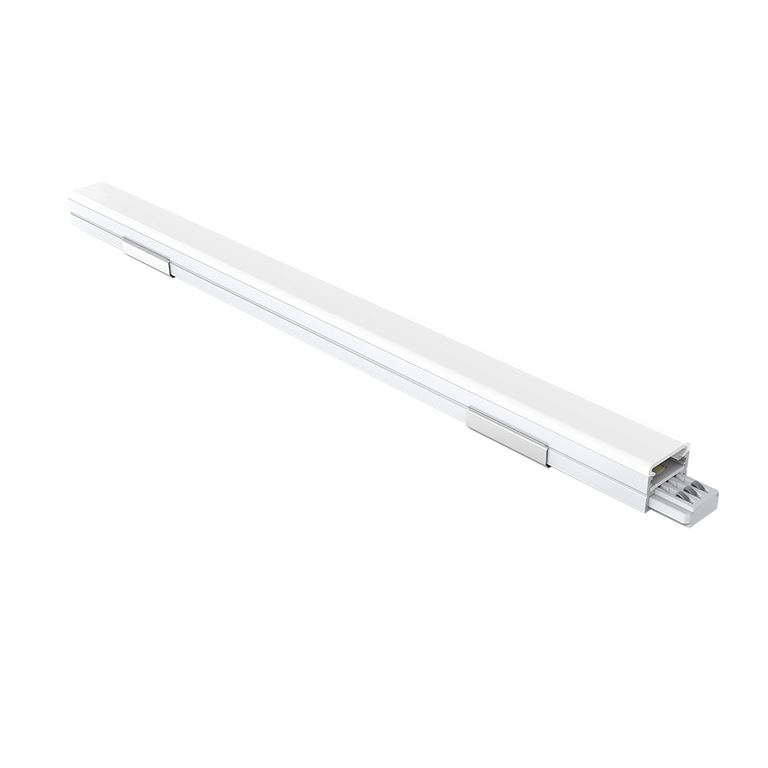
PVC is commonly encountered in flexible strip-light constructions, and a PVC LED strip light may be considered when the project requires a flexible format that can follow the intended installation path.
The buyer should still check the specific construction rather than assuming that every PVC product has the same properties. Dimensions, flexibility, environmental requirements, electrical configuration, and mounting conditions should be confirmed against the project.
Our regular strip-light category includes products using different constructions and configurations, reinforcing the need to evaluate the complete product specification rather than relying on one material description. LEDIA Lighting regular strip-light category
For retail displays, this can be especially important around curved furniture, narrow recesses, or areas where the strip has to follow a defined architectural path.
How We Would Specify the Strip for a Retail Project
A PVC LED strip light may be a practical choice when physical flexibility, easy installation, and the construction requirements of the project are the main considerations.
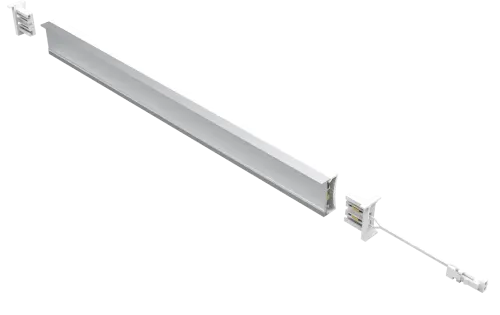
Its flexible PVC housing allows the strip to adapt to different installation conditions, making it suitable for applications where the lighting needs to follow curves, corners, or irregular surfaces. It can also be a good fit when the strip itself is partially visible or when the project places greater emphasis on straightforward installation and reliable everyday illumination.
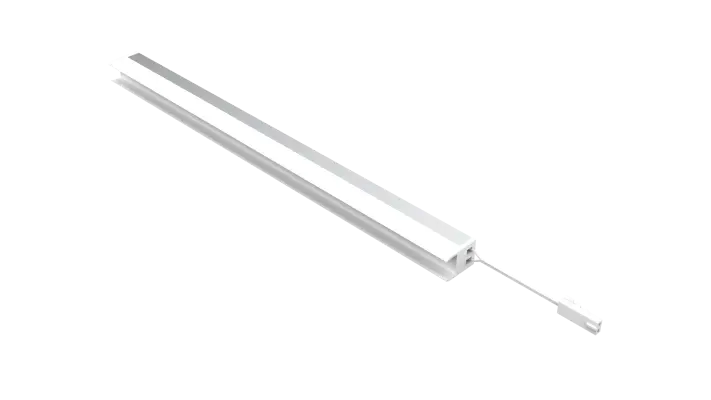
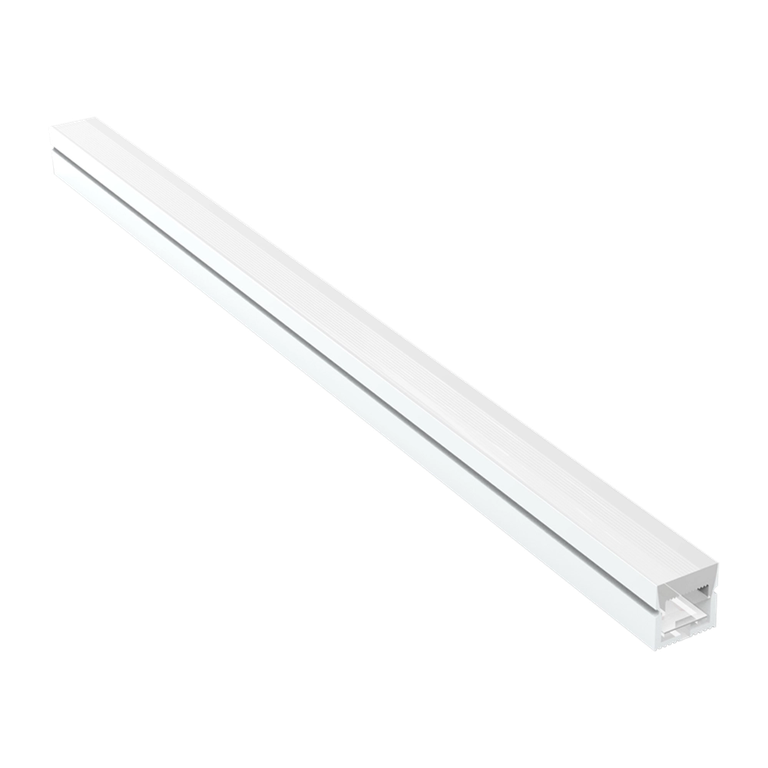
An RGB COB LED strip, on the other hand, becomes more compelling when color-changing effects and a smooth, continuous appearance are both important to the design. COB technology uses closely arranged LEDs to create a more uniform light-emitting surface, helping reduce the visible dotting often associated with conventional LED strips.
Combined with RGB color control, it provides greater flexibility for creating different colors, moods, and dynamic lighting effects. This makes RGB COB strips particularly suitable for decorative, architectural, retail, hospitality, and other applications where both visual quality and lighting flexibility matter.
Project buyers can use LEDIA Lighting’s strip-light range to compare different product formats before narrowing the specification for a particular display. Reviewing the available categories first makes it easier to identify which construction is worth discussing further for the installation.
RGB COB earns its place when the display design calls for both dynamic color and a smoother illuminated line. Where the lighting is concealed, fixed in one color, or intended simply to provide accent illumination, a conventional strip may achieve the required result without introducing additional functionality.
A practical specification can therefore start with the visual target and work backward. Consider the viewing distance, decide whether color changes are part of the display concept, check how the strip will be positioned, and then compare suitable constructions. Once those points are settled, choosing between RGB COB and a conventional strip becomes a project decision rather than a technology preference.