Commercial lighting projects rarely need the same light level at every moment. A retail display may need stronger illumination during operating hours, while a hospitality or furniture environment may call for a softer atmosphere later in the day. The specification challenge is therefore not simply finding a dimmable fixture; it is deciding what the lighting needs to change and how that change will be controlled.
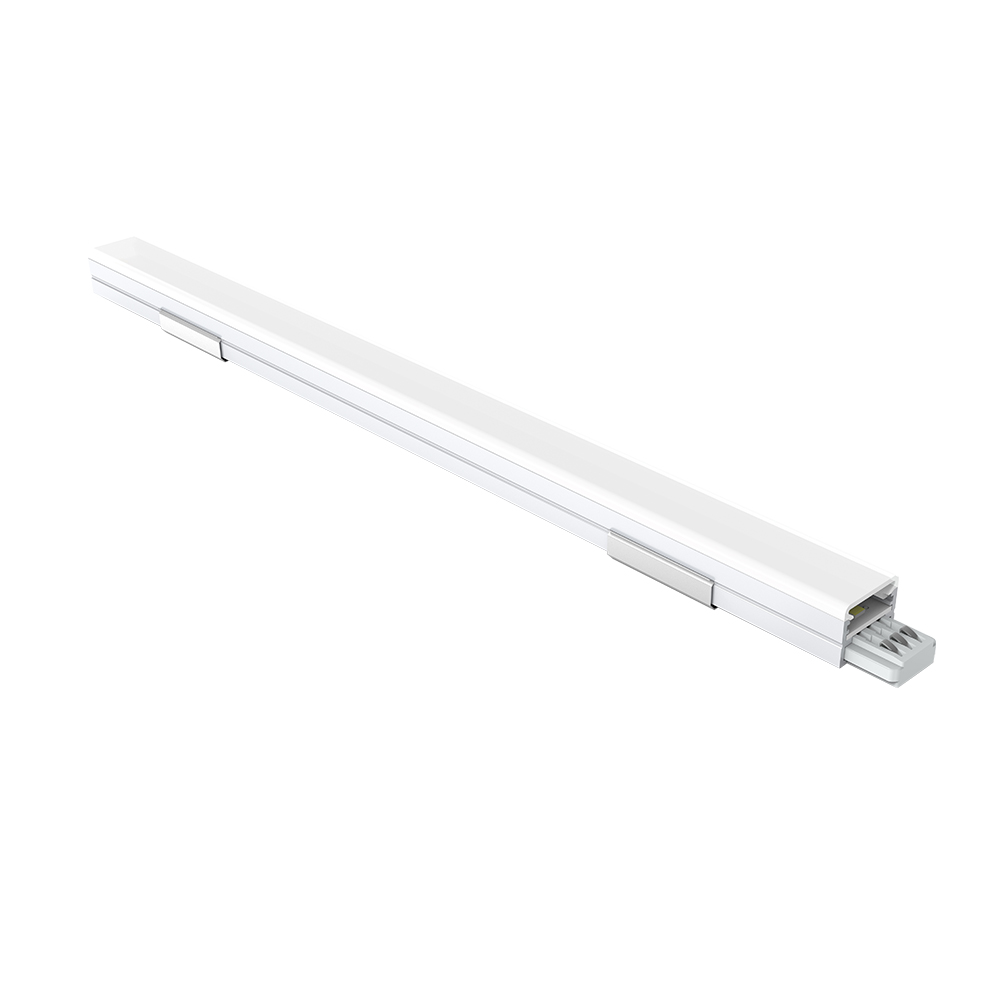
By breaking down key requirements like brightness, color temperature, connection options, aesthetic visibility, and mounting flexibility from the outset, the entire selection process becomes significantly more streamlined.
Define What Needs to Change Before Choosing the Light
A useful specification begins with the desired lighting behavior. Does the project only need the output to become brighter or darker, or should the color temperature change as well?
Dimming controls light intensity. CCT adjustment changes the apparent warmth or coolness of the light. Those functions solve different problems, so combining them in a specification without defining their roles can create confusion for contractors and control-system integrators.
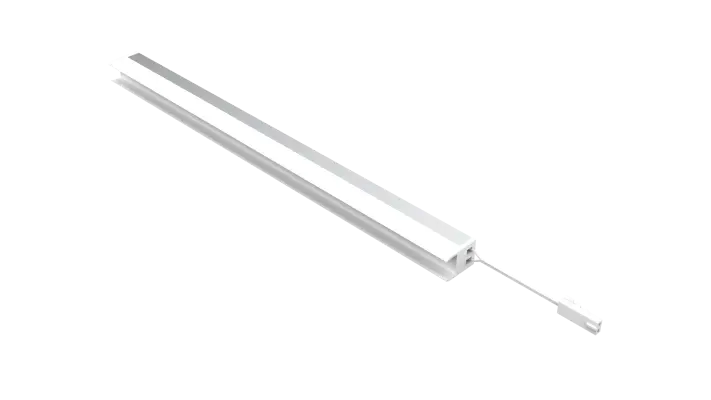
The Needle G02 Series provides both capabilities. Its product information identifies Triac dimming and CCT changeability, with stepless color-temperature adjustment intended for different commercial scenarios.
For us at LEDIA Lighting, that distinction is an early project checkpoint. We first establish the required lighting behavior, then determine which control arrangement can deliver it.
Separate Dimming From Color Adjustment
A common specification mistake is treating adjustable color temperature as simply another form of dimming. It is not. A space can remain at the same brightness while its color temperature changes, or its brightness can change while its color temperature remains fixed.
Commercial projects may therefore benefit from defining the two requirements independently. A designer might specify one setting for general operation and another for a presentation, display, or evening scene. The actual requirements should come from the intended use rather than from the presence of a particular feature on a product sheet.
Needle G02 offers stepless CCT adjustment, while its product information specifies CRI greater than Ra90. These characteristics can be relevant where the visual appearance of merchandise, furniture, materials, or finishes needs to remain convincing under changing lighting conditions.
The same principle applies to an RGB CCT LED strip specification. The project team should define exactly which color-control behavior is required rather than assuming that every adjustable-color product provides the same functionality.
Check the Control Method at the Specification Stage
Dimming should be resolved before procurement, because the control method affects the overall electrical arrangement. A contractor needs to know what type of dimmer or control interface will be used rather than discovering compatibility questions after the lighting has arrived.
The G02 product page states that its Triac dimming is compatible with most wall dimmers. For a project using this system, that published characteristic provides a starting point, but we would still verify the actual dimmer, driver arrangement, wiring, and project control requirements before final approval.
That verification becomes more important when several lighting sections are controlled together. The specification should identify which circuits are independently dimmed, which areas share a control zone, and whether CCT adjustment is operated separately from brightness.
An RGB CCT LED strip may involve a different control architecture altogether, so the phrase “dimmable” should never be treated as sufficient technical information by itself.
Treat Connection Flexibility as Part of the Installation Plan
Installation efficiency can influence the suitability of a linear lighting system just as much as its optical characteristics. Commercial projects often involve repeated lighting sections, different fixture lengths, and restricted installation spaces.
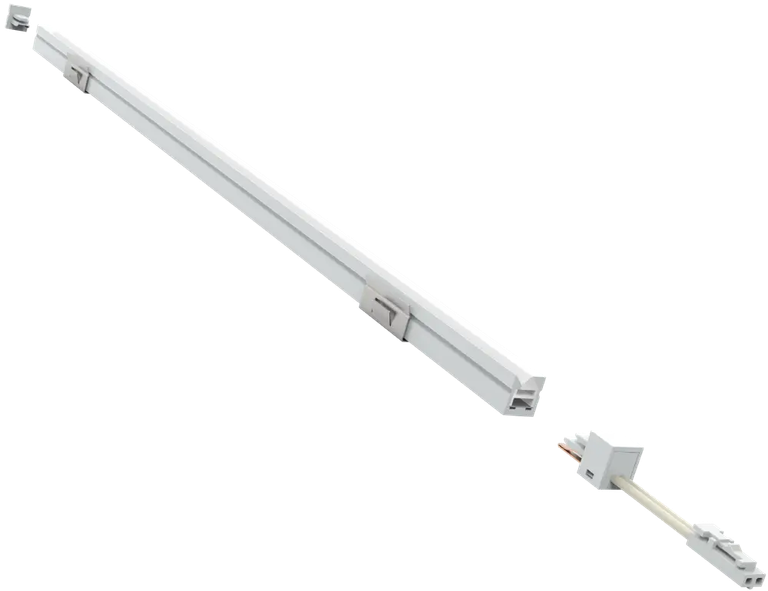
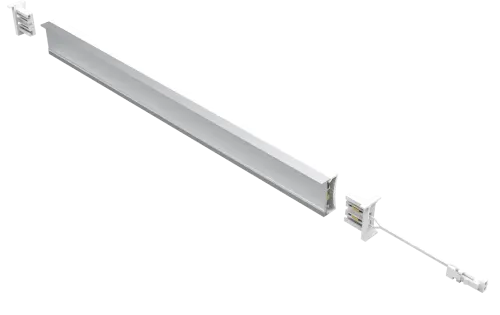
Needle G02 uses magnetic installation and magnetic input and connection. Its product information also describes multiple light-bar sizes and connectors that allow users to create different connection arrangements.
That flexibility can be valuable during project planning because the installer has more options for arranging individual sections. We would consider the actual furniture, display, or architectural layout before deciding how those sections should be connected.
A modular connection approach is especially worth examining during shop-drawing development. Establishing connection locations before fabrication can reduce the need for improvised solutions on site.
Use the Physical Design to Protect the Visual Intent
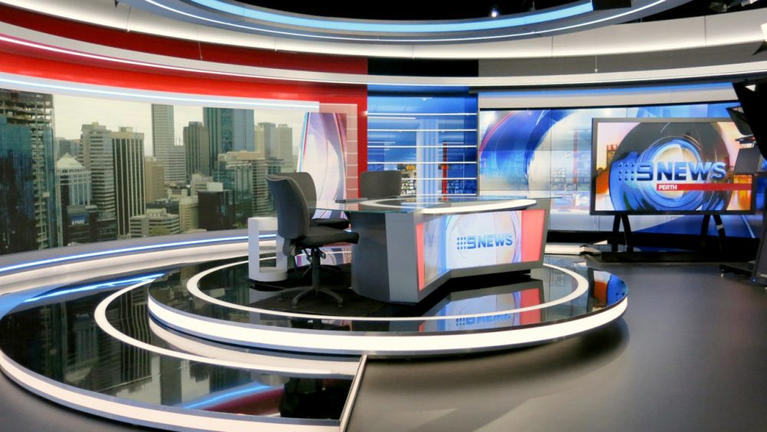
Dimmability does not compensate for a fixture that becomes visually intrusive after installation. In architectural and retail environments, the physical form of the lighting needs to support the intended appearance.
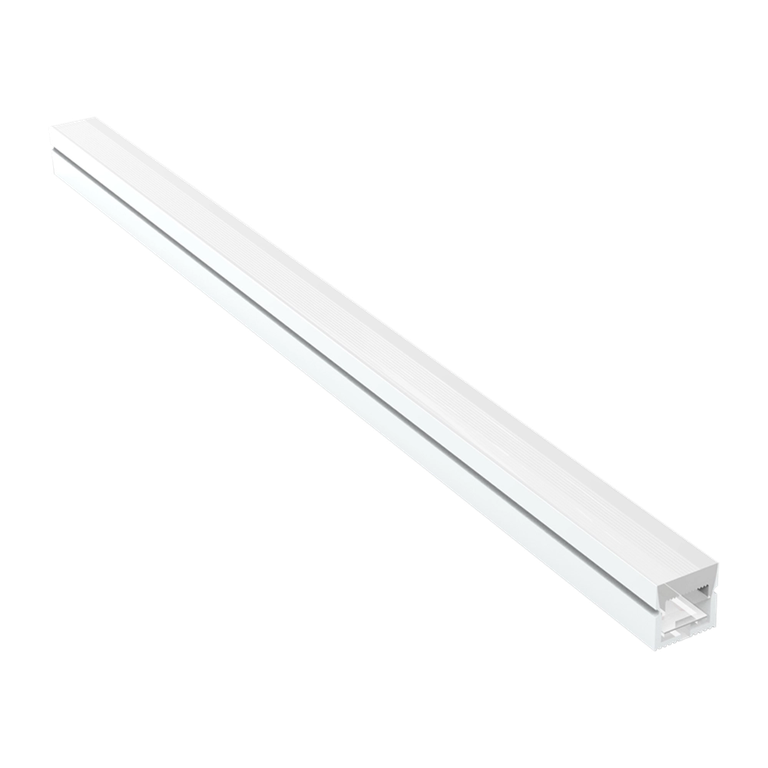
The G02 Series uses a slim aluminum housing and describes its light bar, connector, and controller as having an extra-thin design intended to reduce product visibility. Its aluminum housing is also identified as supporting heat dissipation for the LED PCB.
We therefore look at physical visibility alongside control functionality. A lighting system may need to disappear into a shelf, display structure, or furniture detail rather than become a prominent object within the design.
Optics matter as well. The product page identifies multiple optics, so the specification should consider how the light needs to be distributed within the actual installation rather than evaluating dimming capability in isolation.
Build the Specification Around the Project Workflow
Once the lighting behavior is established, we translate it into procurement information. The specification should identify the required light output behavior, whether CCT adjustment is needed, the control method, connection arrangement, physical dimensions, and installation conditions.
LEDIA Lighting approaches this as a system decision rather than a single-feature selection. The G02 combines CCT adjustment, Triac dimming, magnetic installation and connection, multiple connector options, a slim form, and aluminum housing in one linear lighting system.
That does not automatically make it appropriate for every project. Instead, those characteristics give the project team specific points to verify against the design brief.
A good starting specification should leave little ambiguity for the next party in the workflow. Designers should define the intended lighting behavior; engineers should verify control and electrical compatibility; contractors should understand connection and installation requirements; and purchasing teams should have a clear product configuration to source.
At LEDIA Lighting, we find that this project-first approach makes dimmable linear LED light easier to evaluate. Rather than beginning with a catalogue feature, we begin with the behavior the finished space must deliver. From there, brightness control, CCT adjustment, physical integration, and connection flexibility become practical specification decisions instead of isolated product features.