Buying strip lighting for a new project is rarely a matter of choosing the lowest quotation. A contractor or project buyer has to make sure the product matches the drawings, installation conditions, required appearance, quantities, and delivery schedule. We therefore treat wholesale purchasing as a specification exercise first and a price negotiation second.
What Should a New Project Buyer Put in the First RFQ?
A useful RFQ gives suppliers enough information to quote the same product concept. Start with the application: cove lighting, shelving, architectural details, signage, furniture, or another defined location.
Next, provide the required run lengths and approximate total quantity. Add the desired light color, voltage, dimensions, installation environment, and control requirements if they have already been established in the design.
Buyers comparing LED strip lights wholesale should also indicate whether standard products are acceptable or whether the project requires customized lengths, dimensions, colors, or construction. The more clearly these variables are identified, the less likely it is that different suppliers will quote fundamentally different products.
Why “Price per Meter” Can Mislead a Wholesale Buyer
A low unit price is attractive, but it does not automatically represent the better project purchase. Two quotations can show different prices per meter because the products have different specifications or because one quotation excludes components required for installation.
We recommend comparing the complete commercial package rather than isolating the strip price. Check the product specification, quantity, cutting arrangement, accessories, power requirements, packaging, delivery terms, and customization charges.
The quotation should also make clear which items are standard and which require additional production. That distinction becomes particularly useful when a project contains several lighting zones with different requirements.
Which Strip Construction Actually Fits the Drawing?
The product needs to follow the design rather than force the design to accommodate the product. Dimensions matter wherever the strip must fit inside a profile, recess, cabinet, channel, or other limited space.
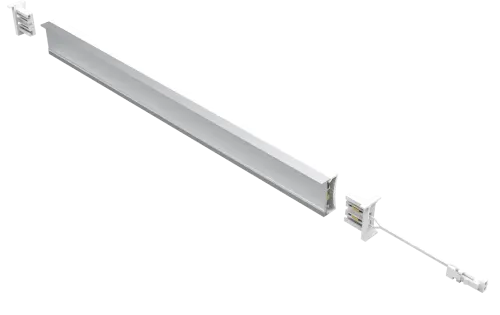
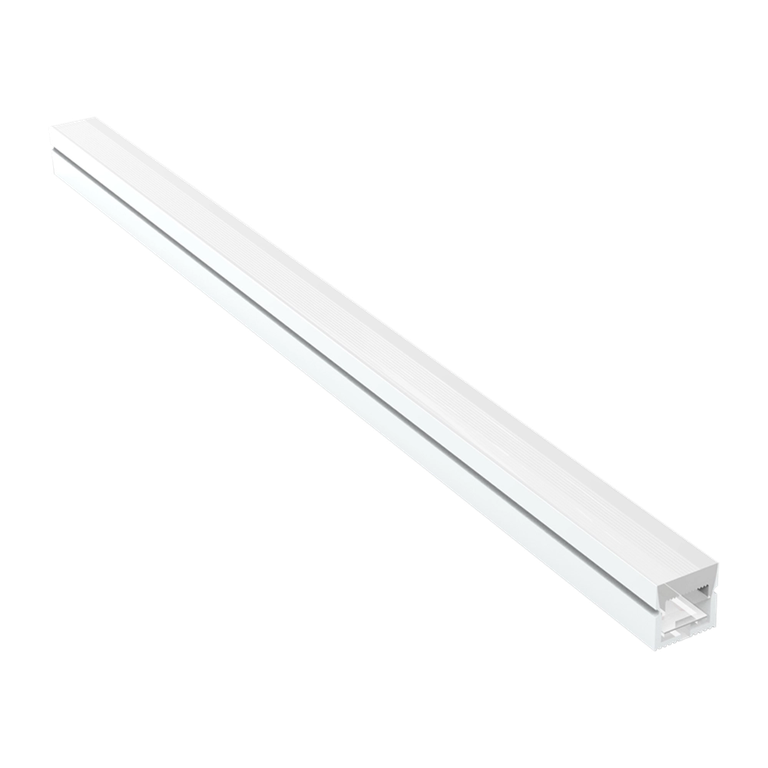
Our silicone LED strip lights portfolio includes different silicone constructions and dimensions, so buyers should check the exact model instead of assuming that every silicone strip has the same physical characteristics. Product information on our site shows options including hollow and solid silicone formats. LEDIA Lighting product information
Environmental requirements also belong in the specification. If the strip will be exposed to moisture, dust, cleaning, or outdoor conditions, the buyer should verify the relevant product rating and construction from the selected model’s technical documentation.
This is where a drawing review can prevent an expensive mistake: a strip may look suitable in a catalog but still be unsuitable once its physical dimensions and installation conditions are checked against the actual detail.
Where Should Custom Requirements Be Fixed Before Production?
Customization should be settled before the purchase order becomes a manufacturing instruction. Waiting until production has started makes even small changes more disruptive.
A buyer should identify the exact requirements that differ from the standard product, such as length, dimensions, color specification, connection arrangement, or other project-specific details. Samples are especially useful when appearance or physical fit must be approved by several project stakeholders.
LEDIA Lighting describes a customization workflow covering consultation, design, sample confirmation, mass production, delivery, and after-sales service. That sequence is useful for buyers because it establishes a clear point at which the customized specification should be approved before volume manufacturing begins.
MOQ should be discussed at the same stage. A custom requirement may have different production conditions from a standard catalog order, so the buyer needs to understand the minimum quantity, sample process, production timing, and commercial effect before committing the project quantity.
What Must Be Confirmed Before the First Batch Ships?
The pre-shipment check should focus on whether the manufactured goods still match the approved project specification.
Keep the approved product code or model, dimensions, required quantity, customized details, packaging arrangement, and sample reference together in the purchasing record. If the project uses several versions of strip lighting, label them clearly rather than relying on similar product names.
Installers also need information that connects the delivered material with the project drawings. Lengths, locations, connections, and associated components should be coordinated before materials reach the site.
For a multi-phase project, this documentation becomes even more valuable. The first shipment establishes a physical reference that can be checked against later production rather than relying only on an old quotation.
How Do You Know a Supplier Can Support the Whole Project?
A new project may require more than one shipment, so supplier capability should be evaluated against the project’s likely purchasing pattern.
Ask how the supplier handles customized production, sampling, testing, packaging, delivery coordination, and repeat orders. A supplier that can answer these questions clearly gives the buyer more control over the project schedule.
We operate over 20 production lines with an estimated monthly strip output of 1.5 million meters at LEDIA Lighting, supported by automated manufacturing processes and an in-house testing laboratory.
These figures are useful context, but they should not replace project-specific verification. Buyers should still confirm the capacity, lead time, and production arrangement for their own order.
What Should Stay in the Approved Product Record?
The final purchasing record should be detailed enough for another project team member to understand exactly what was approved.
Ensure the final model, dimensions, lighting specs, quantities, custom requirements, approved sample, accessories, and technical documentation are kept together with the supplier quotation and final purchase order.
For future phases, this prevents a common procurement problem: ordering a visually similar replacement that does not actually match the original installation.
The goal of LED strip lights wholesale procurement is therefore not simply to secure volume pricing. It is to create a controlled link between the project drawing, approved product, manufacturing instruction, and delivered material.
A buyer-friendly process starts before the first quotation arrives. Define the project information suppliers need, compare complete specifications rather than isolated meter prices, settle custom details before production, and document the approved configuration.
Once those steps are in place, purchasing becomes much easier to manage—and the risk of discovering a specification problem after installation is significantly reduced.