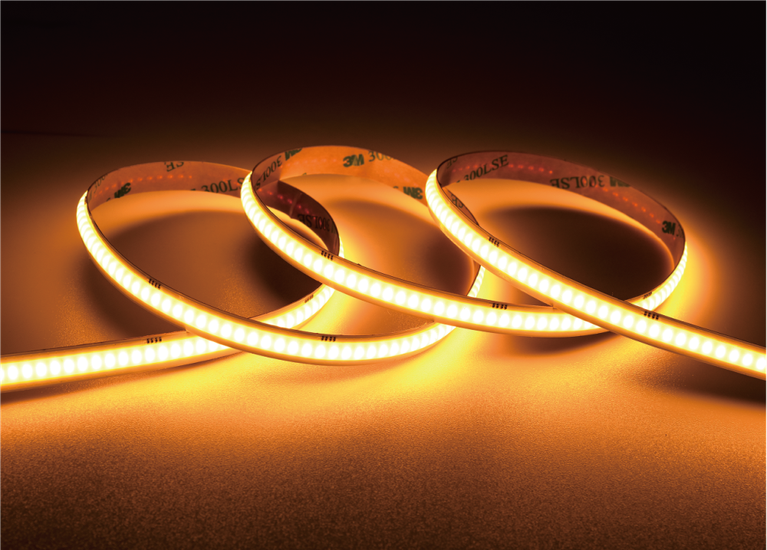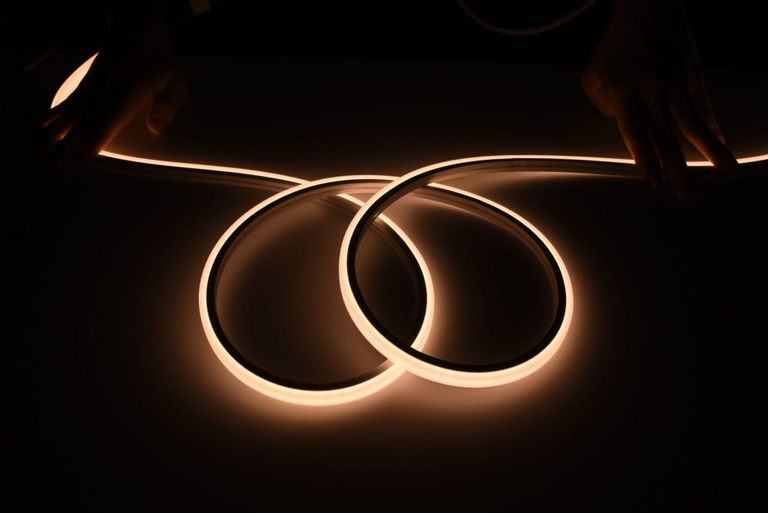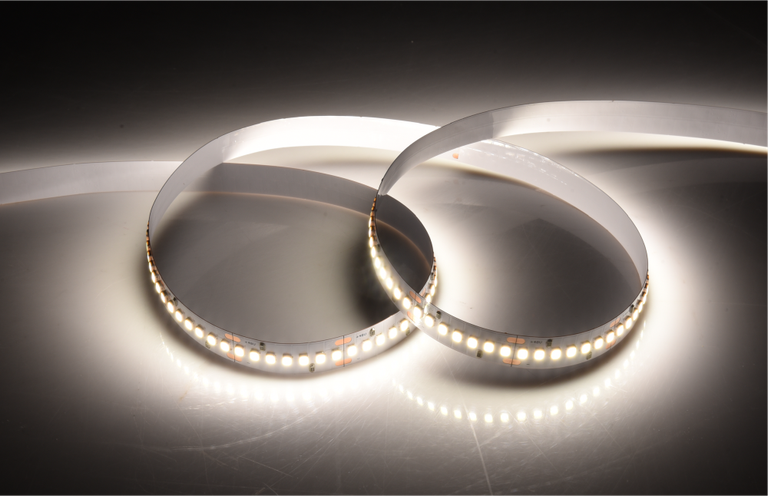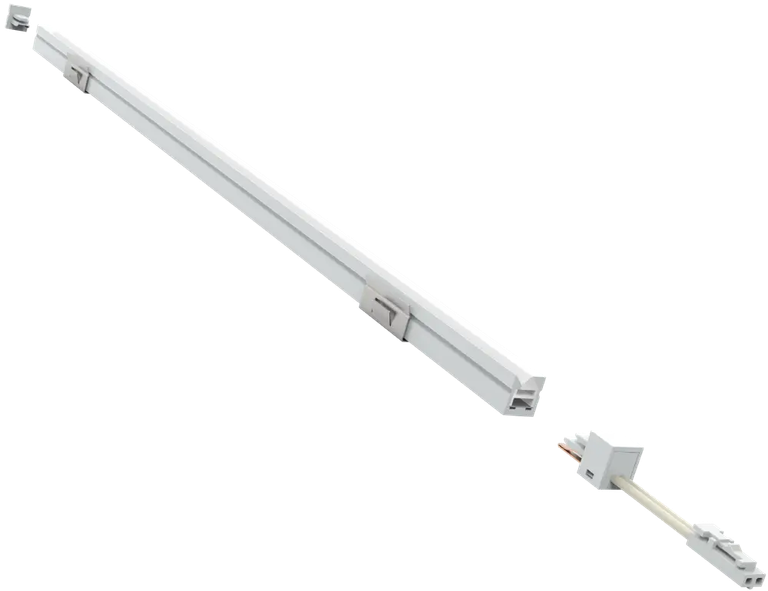
A standard LED fixture can look suitable on a specification sheet and still cause problems once it reaches the project site. The length may interrupt an architectural line, the mounting method may conflict with the substrate, or the housing may not fit the available installation space.
That gap between a standard product and an actual project requirement is where customization becomes relevant. For project buyers, however, the difficult question is not simply whether a manufacturer offers customization. The real question is: what needs to be customized, and how can we tell whether the proposed solution actually solves the project problem?
At LEDIA Lighting, we view customization as a response to a defined installation or design requirement rather than an exercise in adding optional features. A useful custom solution begins by identifying exactly where the standard product stops fitting.
Why “Almost Suitable” Lighting Can Still Create a Project Problem
Commercial projects rarely evaluate lighting as a standalone object. Fixtures have to work with ceilings, walls, façades, joinery, structural details, power arrangements, and installation schedules.
A product that is only slightly too long or too deep can require on-site modification. An unsuitable mounting method may create additional work for the contractor. Even a visually acceptable fixture can disrupt the intended architectural effect if the proportions or continuous lines do not match the design.
That is why custom light fixtures should not automatically be understood as decorative or unusual products. Sometimes the required customization is highly practical: a revised length, a different profile, a specific mounting arrangement, or a configuration that fits the construction conditions.
The closer the lighting product is integrated with the architecture, the less useful “close enough” becomes. Project buyers need to identify the exact mismatch before deciding what should change.
What Should Actually Be Customized?
Not every part of a fixture needs to be redesigned. Effective customization focuses on the elements that directly affect installation, appearance, or the intended lighting result.
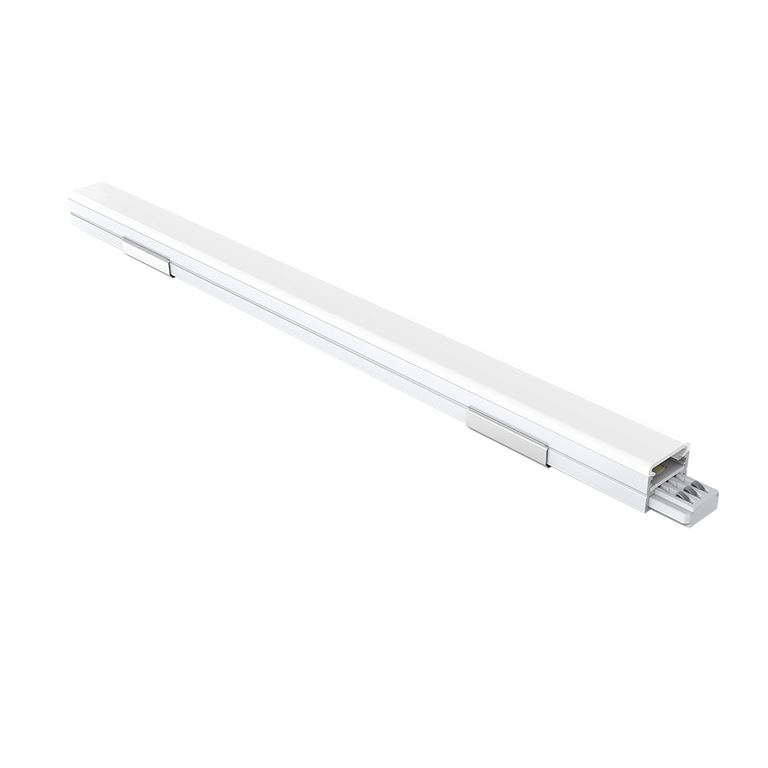
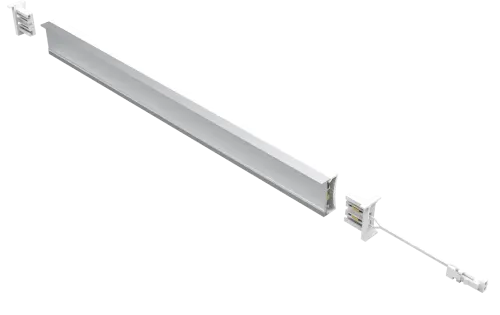
Dimensions are often the first issue. A project may require a fixture to fit a defined recess, follow a continuous line, or match the proportions of an architectural element. Length alone, however, does not tell the full story. Width, height, connection details, and end treatments can also influence whether the product fits the design.
Housing and finish may become relevant when the fixture remains visible. The objective is not simply to make the product look different but to ensure that its physical presence supports the surrounding architecture.
Lighting characteristics should be discussed separately from the housing. A buyer may need to define the desired visual effect and then confirm how the selected configuration is intended to deliver it.
By structuring customization into consultation, design, sample confirmation, mass production, delivery, and after-sales service, we at LEDIA Lighting ensure that project requirements evolve into defined products rather than jumping straight from an idea to mass production.
A Custom Fixture Starts With the Installation, Not the Product Catalogue
A catalogue can help establish a starting point, but the installation should determine the final configuration.
Project buyers can make the discussion more productive by providing the information that explains how and where the fixture will be used. Drawings, installation dimensions, mounting surfaces, available space, quantities, and the intended lighting effect all give the manufacturer a clearer basis for evaluating the request.
That approach also changes the conversation around custom light fixtures. Instead of asking, “Which products can you customize?”, buyers can ask, “Here is the installation condition—how should the fixture be configured to work within it?”
Clear project information can reveal whether a small modification is sufficient or whether the requirement calls for a more substantial redesign.
Sample confirmation then becomes a practical checkpoint. The purpose is not merely to approve the appearance of the product but to compare the proposed solution with the conditions that created the customization request in the first place.
Where Exterior Linear Projects Need a Different Conversation
Outdoor installations add variables that cannot be treated as secondary details. Exposure conditions, installation location, and the level of protection required should be discussed while the product is being defined.
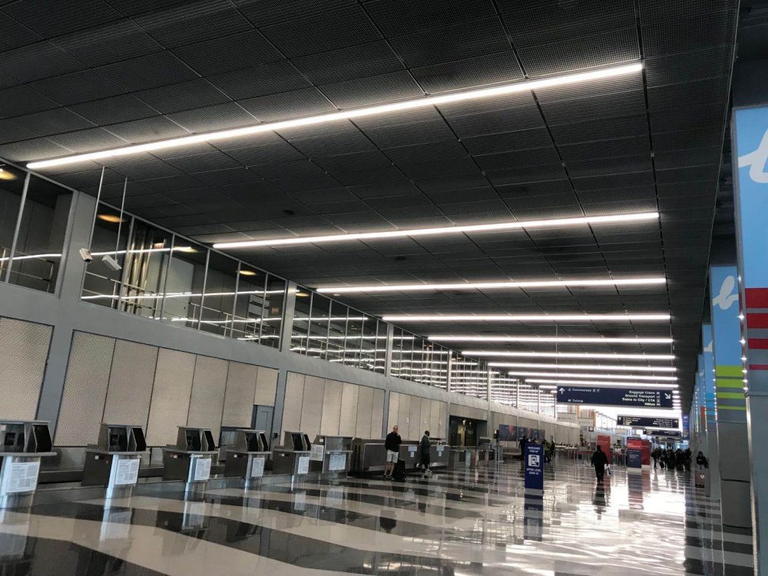
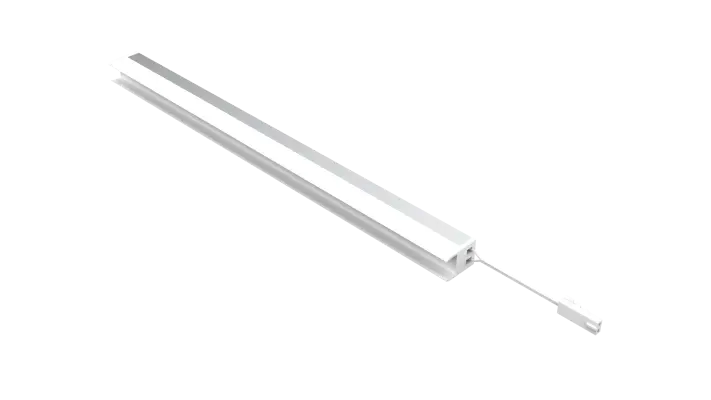
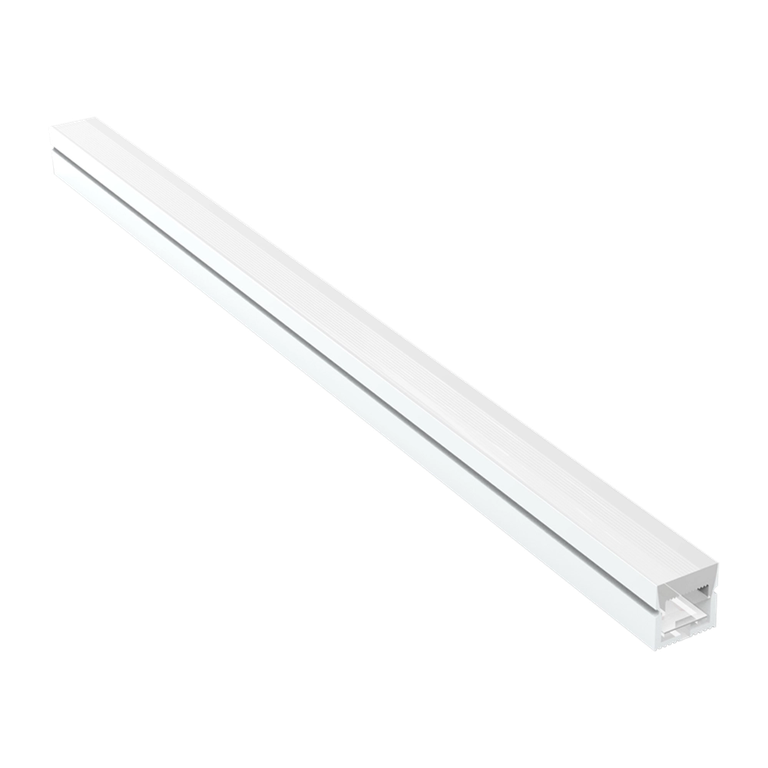
This is especially relevant for exterior linear lighting, where the fixture may be expected to create a continuous architectural effect while operating in an environment exposed to moisture, dust, and changing conditions.
The buyer’s brief should therefore distinguish between the visual requirement and the environmental requirement. A linear fixture may need to match a particular architectural dimension, but that does not automatically establish whether the proposed construction is appropriate for its installation environment.
While environmental reliability and IP protection testing highlight LEDIA Lighting’s manufacturing capabilities, exact project requirements must always be verified against specific product configurations rather than general capability statements.
Bringing these questions into the original design discussion is more effective than attempting to add environmental requirements after the physical structure has already been finalized.
How Buyers Can Tell Whether a Custom Proposal Is Specific Enough
A genuine custom proposal should be connected to the project brief. If a supplier responds to a detailed installation problem with only a general statement that “customization is available,” the next step should be to request clarification.
Buyers should look for a proposal that addresses the actual variables behind the request. Depending on the project, those may include dimensions, housing, mounting, electrical configuration, finish, or the required lighting effect.
Specificity matters because it exposes assumptions. A project team may believe that a fixture will be recessed into one type of structure while the manufacturer is designing around another. Identifying that difference before sampling is considerably easier than discovering it during installation.
For exterior linear lighting, the same principle applies to environmental conditions. The proposal should make it possible to confirm what protection and testing are relevant to the final configuration.
A well-defined proposal also creates a clearer basis for sample evaluation. Everyone involved can compare the physical sample against an agreed set of requirements rather than relying on general impressions.
The Final Check Before a Custom Design Becomes a Production Order
The most useful point to pause is immediately before the approved design moves into production.
At that stage, project buyers should return to the original problem. Does the proposed product fit the installation? Have the customized dimensions and mounting details been confirmed? Does the sample represent the configuration that will be produced? Are any project-specific environmental or technical requirements documented clearly?
At LEDIA Lighting, we place sample confirmation before mass production in its published customization workflow, creating a defined transition between product development and manufacturing. LEDIA Lighting custom LED solutions
A custom lighting project becomes easier to manage once customization is treated as a series of answers rather than a broad product category. What does the standard fixture fail to solve? Which physical or functional characteristics need to change? Does the proposed design directly address those points?Those questions keep the purchasing decision focused on the project itself. The goal is not to make the lighting more customized than necessary. It is to remove the mismatch between the fixture and the installation, then verify that the final design is specific enough to be produced and installed with confidence.