“SMD LED strip” sounds technical, but the basic idea is straightforward. SMD stands for surface-mount device, referring to how the LED components are mounted onto the circuit board. For a project buyer, however, knowing the abbreviation is only the beginning.
The more useful question is what the term means when comparing actual strip lights. Different products can use SMD LEDs yet produce different visual results, fit different spaces, and suit different project requirements. We can make the decision much simpler by separating the terminology from the specifications that actually affect the installation.
What “SMD” Actually Tells You
Think of an SMD LED as a small light-emitting component mounted directly onto the strip’s circuit board. The important point is that “SMD” describes the component format, not the complete performance of the finished strip.
That distinction matters because SMD does not tell you everything about brightness, color, flexibility, dimensions, or electrical configuration. A buyer should therefore avoid treating the word as a quality grade.
Product naming can also include numbers that describe the physical size of the LED package. For example, industry products may use designations such as 2835 or 5050. Those numbers can help identify a component format, but they should not be used alone to predict how an entire strip will perform.
At LEDIA Lighting, we offer several strip-light categories rather than treating every strip as the same product. Our current range includes regular strips, 48V, COB, digital, constant-current, and other series.
For a buyer, that is the first useful lesson: SMD tells you something about the LED component, but not everything about the lighting solution.
Why Two Strips Can Look Different Even If Both Are SMD
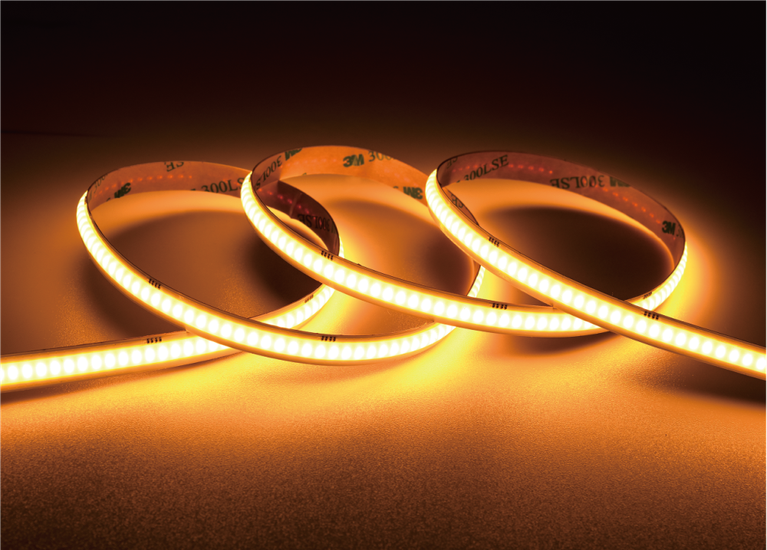
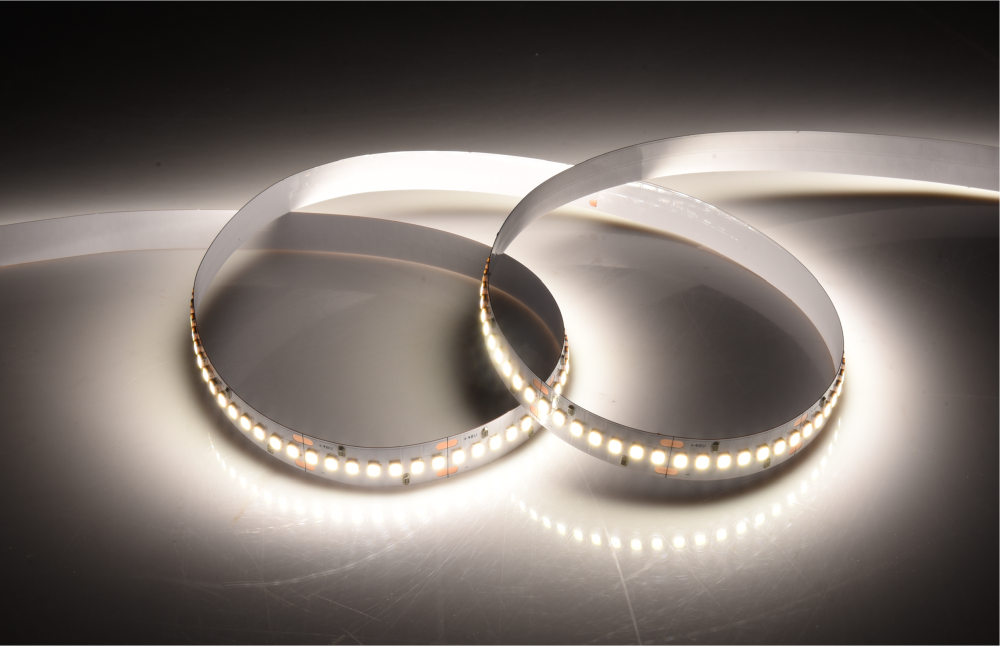
Two strips can use SMD LEDs and still produce noticeably different lighting effects. The arrangement of the LEDs, their density along the strip, the circuit design, and the optical construction all influence what the user sees.
LED density is particularly relevant to appearance. More closely spaced LEDs can create a more continuous-looking line of light, while widely spaced components can make individual light points easier to distinguish, especially when the strip is visible or installed close to a surface.
That does not mean higher density is automatically better. A concealed installation may have different requirements from a decorative installation where the strip itself can be seen.
The same principle applies to color. A buyer should look beyond a general description such as “warm white” and confirm the required color temperature and color characteristics for the project.
COB products provide another example of why the overall construction matters. LEDIA Lighting’s catalogue includes COB series alongside conventional strip categories, so “LED strip” is not a single technical configuration.
Which Numbers Are Worth Paying Attention To
A specification sheet can contain more numbers than a non-specialist buyer needs. We recommend starting with the information that answers four basic questions: How will it look? How much power does it use? Will it fit? Where can it be installed?
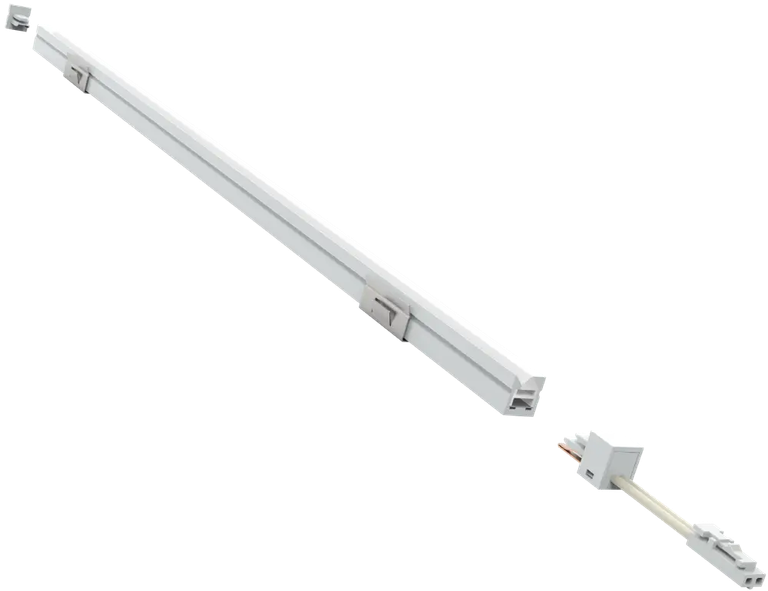
Look first at dimensions and cutting information. A narrow profile may be important where installation space is restricted, while the cutting unit can affect how accurately a strip fits the required length.
Next, review electrical information such as input voltage and power consumption. These figures help the project team understand how the strip needs to be integrated into the electrical system.
Light output and efficacy can then be considered according to the project’s purpose. A strip intended mainly for decorative illumination does not necessarily need the same output target as one expected to contribute more substantially to functional lighting.
For example, LEDIA Lighting’s published COB catalogue specifies a 24V DC input, 10W/m typical power, an 8mm strip width, and a defined cutting unit for that particular product. Those figures belong to that specific product and should not be generalized to every SMD or LED strip.
This is also where a reliable LED strip supplier should be useful: the supplier should help connect the numbers to the actual application rather than simply sending a long datasheet.
Where Flexibility Becomes a Project Requirement
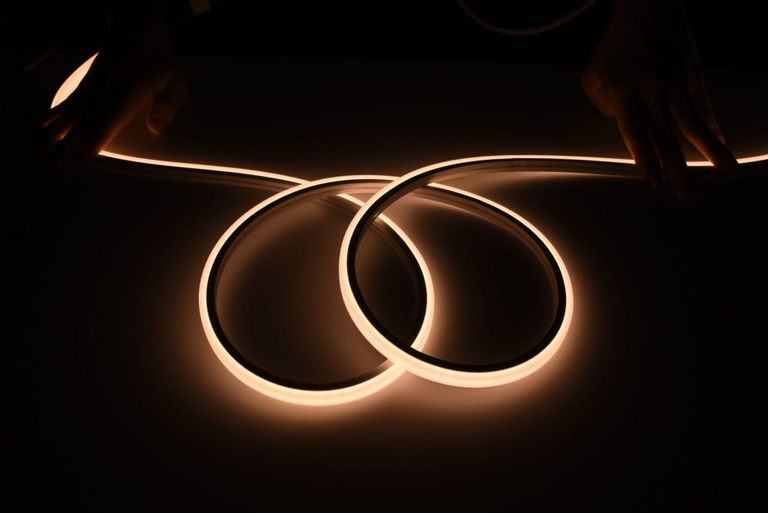
The word “flexible” can sound like a minor product feature, but it can determine whether a strip works in a particular installation.
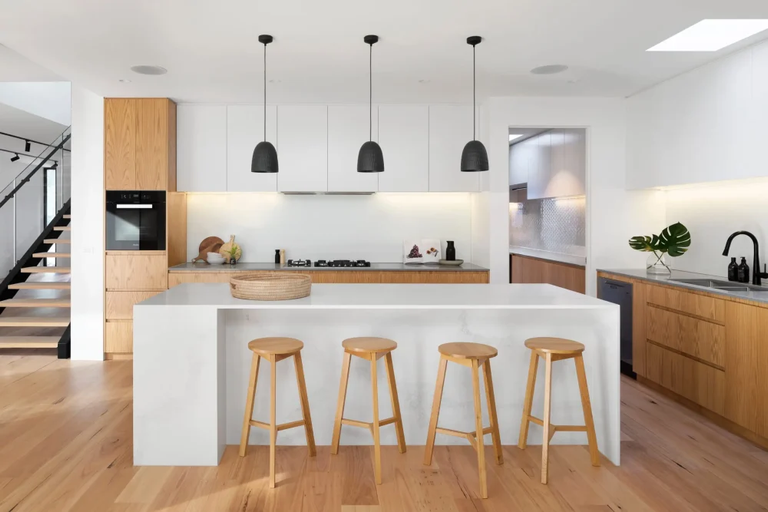
Architectural details, furniture, signage, display elements, coves, and curved surfaces may require the lighting source to follow a specific path. In those situations, the physical dimensions and bending characteristics become part of the project specification.
A custom flexible LED strip can be relevant when a standard configuration does not align with the project’s required dimensions or installation arrangement. Customization should still have a clear purpose, such as fitting a defined space or meeting a particular project configuration.
The right question is therefore not simply, “Is the strip flexible?” Instead, ask whether its physical construction can accommodate the bends, dimensions, mounting conditions, and installation method required by the project.
Our product range includes flexible strip categories as well as silicone-based options, giving project teams different formats to evaluate according to the installation.
How to Read a Strip Specification Without Getting Lost
Rather than reading a datasheet from top to bottom, start with the project constraint that matters most.
A space with limited width makes dimensions important first. A long continuous run may make voltage and power configuration more relevant. A visible installation may place greater emphasis on appearance and light uniformity. An outdoor location requires the applicable environmental protection information to be confirmed.
After identifying the critical requirement, use the remaining specifications to check compatibility.
This approach also prevents a common purchasing mistake: comparing products by one impressive number. High wattage does not automatically mean a better strip, and a particular LED package does not automatically make one product superior to another.
A capable LED strip supplier should be able to explain why a specification is relevant to your project. That explanation is often more valuable than simply providing a catalogue full of technical terms.
What a Good Supplier Should Make Easy
For most project buyers, the supplier relationship should reduce technical uncertainty rather than add to it.
A manufacturer or distributor should be able to provide a clear product specification, explain which parameters matter for the intended installation, and distinguish between standard configurations and project-specific requirements.
That becomes particularly useful when evaluating a custom flexible LED strip. The discussion should move from “Can you customize it?” to specific questions about dimensions, electrical configuration, cutting requirements, installation conditions, and the intended lighting effect.
When visual performance is a priority, sample requests are highly encouraged. By providing tactile demonstration materials, we at LEDIA Lighting empower wholesalers, contractors, designers, and end users to judge lighting effects directly rather than depending solely on pictures or spec sheets.
Ultimately, understanding SMD strips does not require memorizing every LED package number. Start by remembering what SMD actually describes, then evaluate the complete strip through its dimensions, electrical characteristics, light output, appearance, and installation requirements.
Once those specifications are connected to the real project, the terminology becomes much less intimidating. Instead of asking which SMD strip is “best,” buyers can ask the more useful question: which configuration matches the space, lighting objective, and installation conditions we actually have?