Buying lighting one fixture at a time can work for a small replacement job, but the purchasing logic changes when a contractor, distributor, developer, or lighting reseller has multiple projects to supply. At that point, the question is no longer simply which light looks suitable. Buyers also have to manage quantities, product consistency, specifications, delivery, and communication with suppliers.
That is where wholesale lighting fixtures become worth considering. We see wholesale purchasing less as a simple volume discount and more as a way to organize a repeatable lighting supply process. The right approach can make product selection and project coordination easier without sacrificing the technical requirements of each installation.
Wholesale Becomes Relevant When One Project Is No Longer the Whole Order
A buyer may initially need lighting for one office, retail space, warehouse, or residential development. Once several areas or projects are involved, purchasing separately for every requirement can create unnecessary complexity.
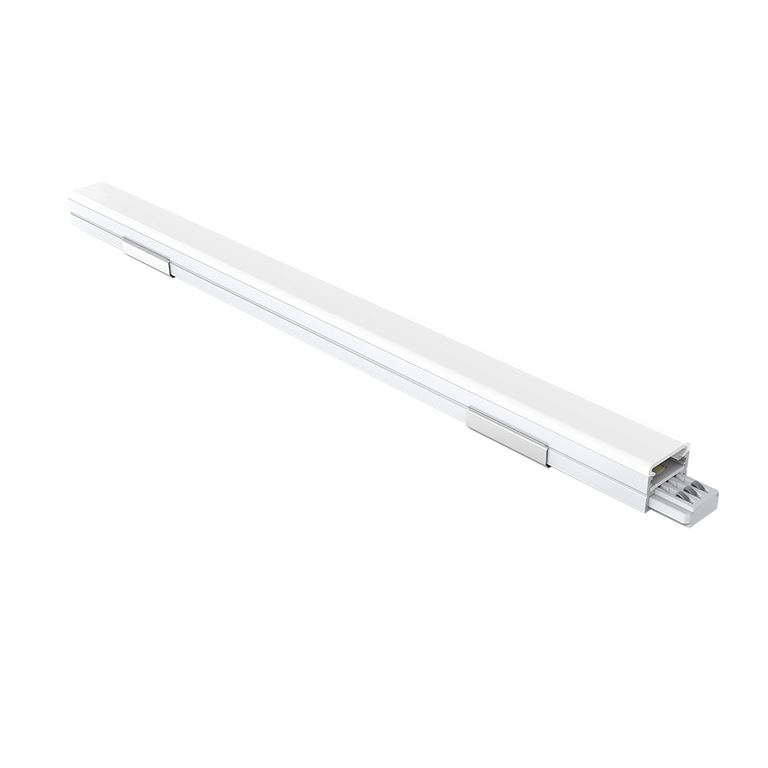
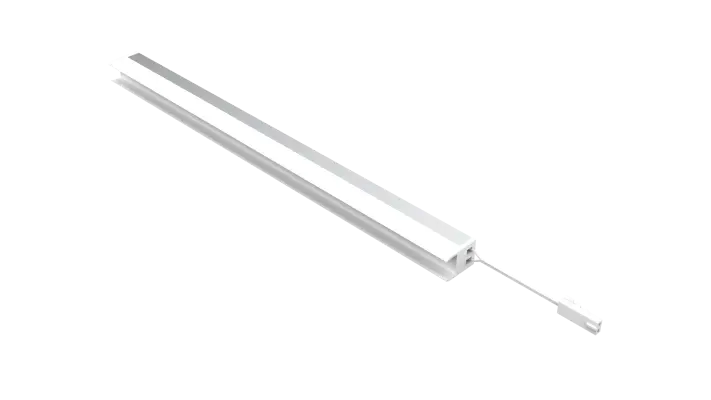
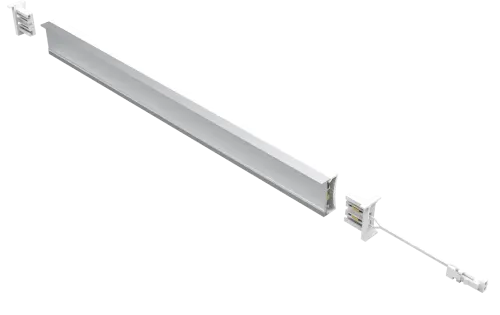
Different orders may involve linear fixtures, strip lights, cabinet lighting, high-bay products, or other specialized fixtures. If every product comes from a different source, the purchasing team has more specifications to compare and more supplier relationships to manage.
We therefore see wholesale sourcing becoming particularly useful for buyers with recurring demand. Instead of treating every project as an isolated purchase, they can establish a product range and supplier relationship that supports multiple orders.
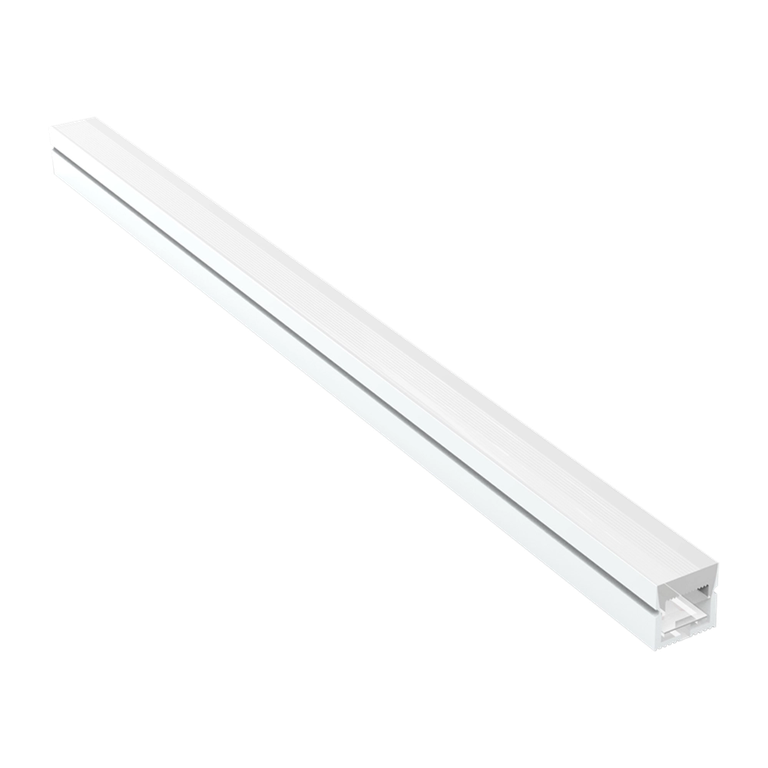
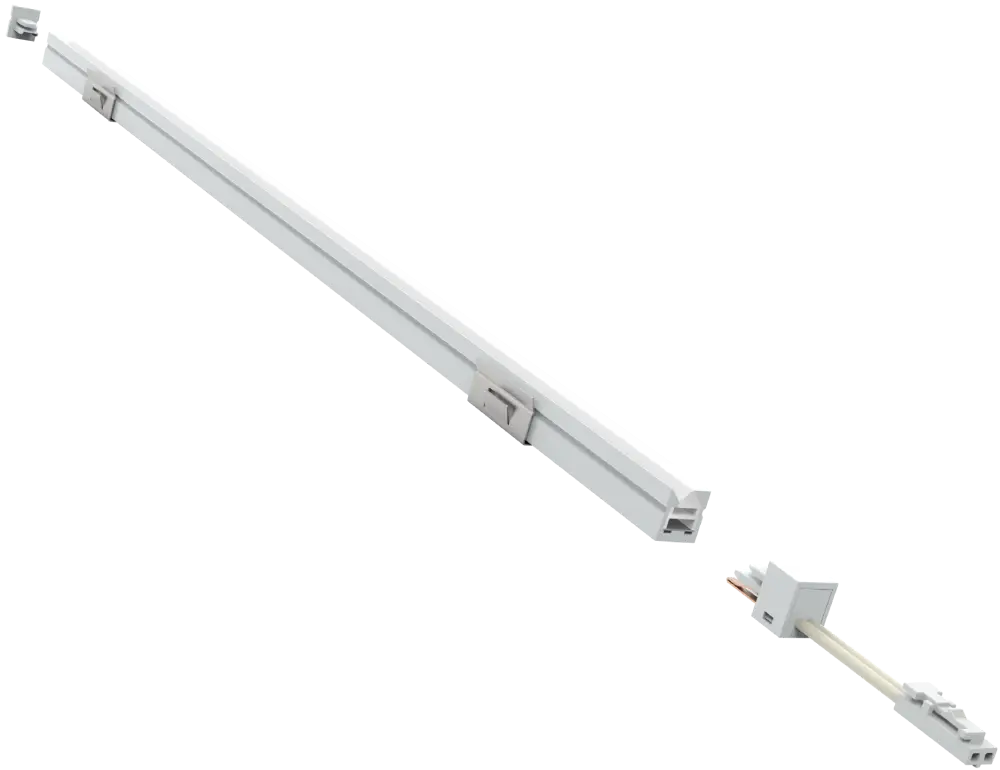
Our product portfolio includes fixtures, LED strip lights, cabinet lights, and other linear lighting solutions, giving buyers the possibility of sourcing different categories through one lighting manufacturer.
A Broader Fixture Range Can Simplify Product Sourcing
Wholesale purchasing is not necessarily about buying one identical fixture in enormous quantities. For many B2B buyers, the more useful advantage is being able to build a coordinated product selection.
A commercial project might require a combination of architectural linear lighting and functional fixtures. A distributor may also need several product families to serve different customer requirements. Having access to multiple categories can reduce the need to restart supplier research whenever a new requirement appears.
Product breadth still needs to be controlled. A larger catalog is only useful when the buyer can clearly distinguish specifications and intended applications. LEDIA’s current product range includes multiple linear fixtures and strip-light series, including COB, digital, constant-current, and free-cut options.
For us, the objective is not to make the selection process larger than necessary. It is to give professional buyers enough options to match the product to the project rather than forcing every application into one standard fixture.
Standardized Specifications Matter Across Repeated Projects
Consistency becomes a purchasing issue as soon as the same lighting solution appears in multiple locations.
A contractor working on several properties may need comparable products across different installation phases. A wholesaler may need to maintain a dependable specification for customers who reorder the same product. Developers may also want lighting products that remain consistent across multiple buildings or units.
Wholesale sourcing can make this easier when the supplier has established product specifications and production processes. Instead of evaluating a new product every time, the buyer can work from an existing technical baseline and adjust only when the project requires something different.
Our manufacturing operation includes automated production and testing capabilities, while our product range covers multiple lighting categories and configurations.
That matters because consistency is not only about appearance. It also concerns dimensions, electrical characteristics, installation requirements, and the documentation that project teams use when ordering or specifying products.
Bulk Purchasing Changes How Buyers Manage Supply
The attraction of wholesale purchasing becomes clearer when procurement is viewed as a supply-management problem.
A buyer handling recurring projects needs to know what is available, what specification has been approved, how quantities are organized, and how production or delivery will be coordinated. Ordering larger quantities can make it easier to plan around those recurring requirements, although the appropriate order size still depends on the buyer’s actual demand and storage capabilities.
Supplier production capacity also becomes relevant. LEDIA reports more than 20 production lines and large-scale strip-light production capacity, while its OEM process includes consultation, design, sample confirmation, mass production, delivery, and after-sales service.
From a buyer’s perspective, the useful question is therefore not simply, “Can this supplier offer a low wholesale price?” A better question is whether the supplier can support the required product, quantity, specification, and project schedule in a controlled way.
Customization Becomes More Practical at Project Scale
Not every project can be solved with an off-the-shelf fixture.
Architectural projects may require a particular size, configuration, lighting effect, mounting arrangement, or other product adjustment. The larger and more repeatable the requirement, the more reasonable it can become to discuss customization with the manufacturer rather than adapting the project around a standard product.
This is one reason B2B buyers may consider a wholesale supplier that also provides OEM or project customization. The purchasing relationship can then support both standard products and applications that need development work.
At LEDIA Lighting, our customization process is structured around consultation, design, sample confirmation, mass production, delivery, and after-sales service. That sequence gives the buyer defined stages for resolving the product before committing to full production.
Customization should still have a clear commercial purpose. A buyer should identify exactly what needs to change and whether the expected project volume justifies the additional development process.
The Supplier Matters as Much as the Fixture
A wholesale lighting purchase ultimately depends on more than the product shown on a quotation.
B2B buyers should examine how the supplier handles product development, quality control, testing, customization, production, and communication. These factors become increasingly important when a lighting product is being specified for several projects rather than purchased as a one-off item.
Our manufacturing and testing infrastructure includes a CNAS-certified laboratory, while the company states that its testing covers areas including safety, performance, and electromagnetic characteristics.
That type of capability is relevant because wholesale buyers are effectively choosing a supply partner, not just selecting individual fixtures. A reliable relationship can make repeat orders, specification control, and project coordination more manageable.
Wholesale Makes Sense When It Solves a Real Purchasing Problem
Wholesale lighting fixtures are worth considering when lighting demand becomes recurring, varied, or project-driven. The strongest reason is not simply the possibility of purchasing at a lower unit cost. It is the opportunity to organize product sourcing around repeatable specifications, coordinated supply, and longer-term project requirements.
For contractors, distributors, developers, and other professional buyers, the right wholesale relationship should therefore answer three practical questions: Can the supplier provide the required product range? Can it maintain the agreed specification at the required volume? Can it support the project when standard products are not enough?
An LED strip light company or broader lighting manufacturer that can address those questions becomes more useful as a B2B partner.