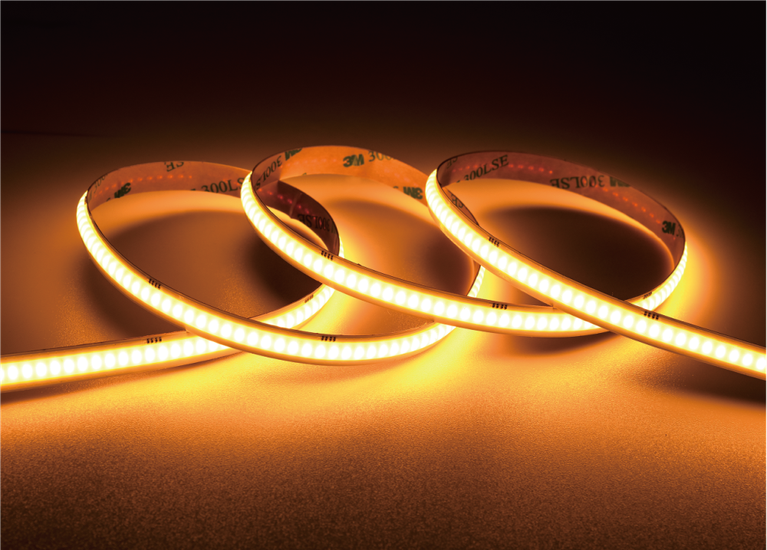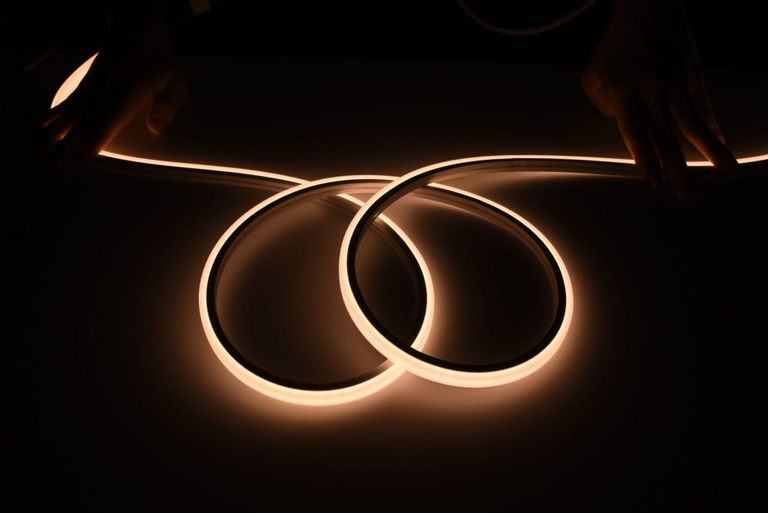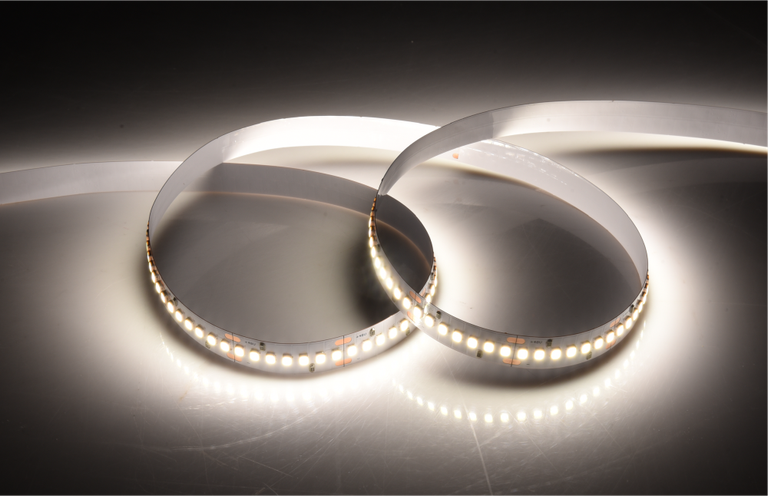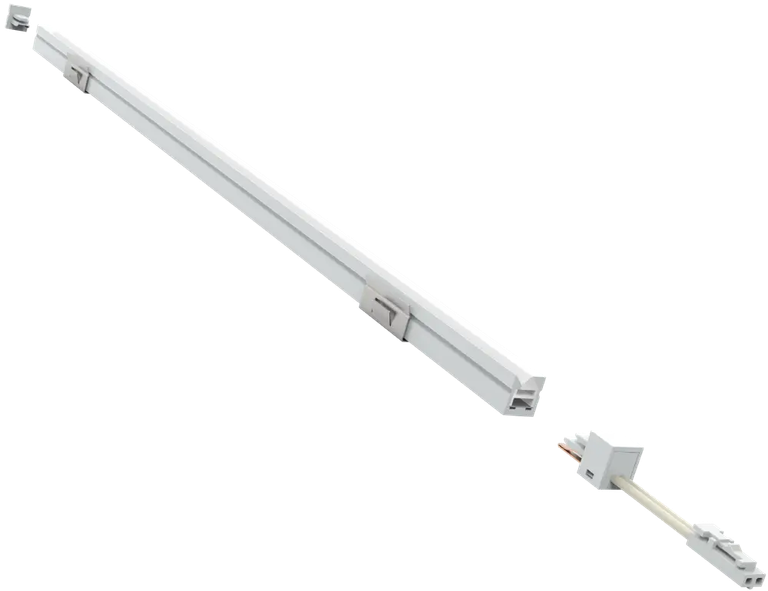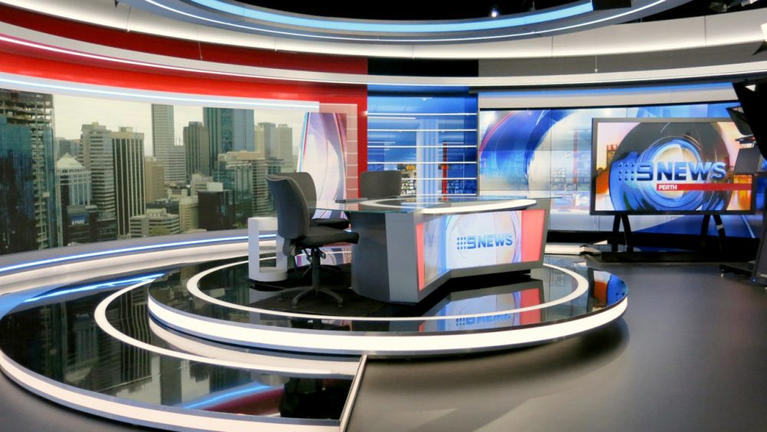
Retail lighting has to do more than illuminate merchandise. The light source also needs to fit inside cabinets, shelves, counters, display walls, and other structures without becoming a visual distraction.
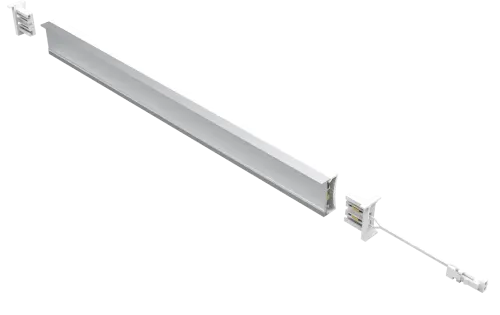
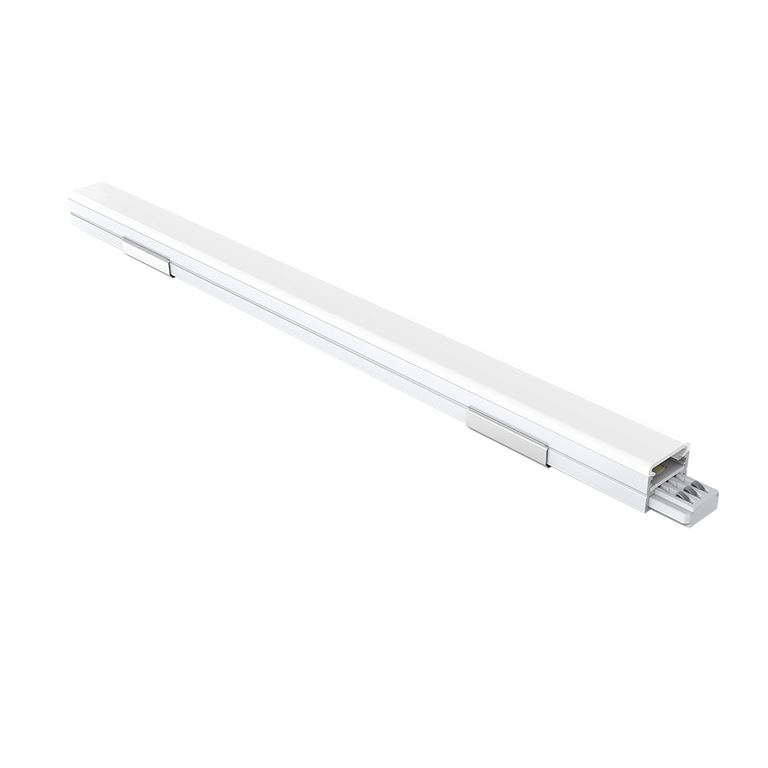
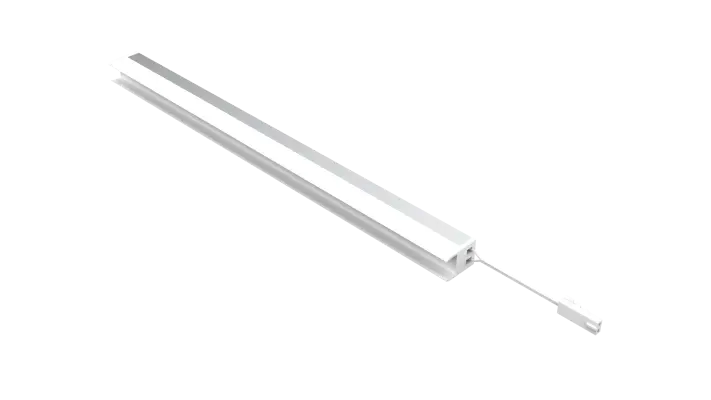
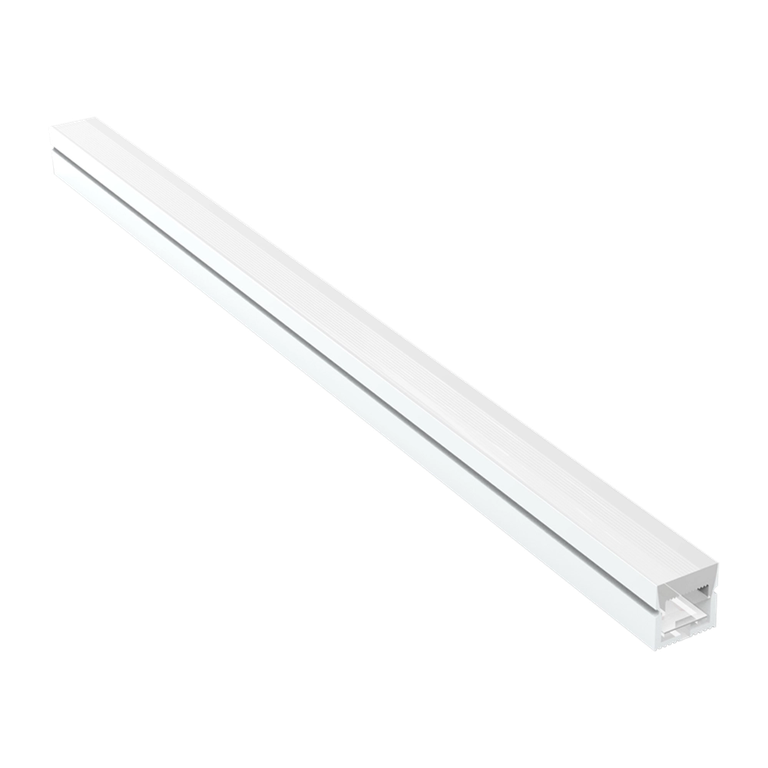
For these applications, lighting needs to be compact, easy to integrate into furniture profiles, and capable of producing a continuous, controlled light output rather than looking like a series of individual fixtures. Silicone furniture strip lighting is designed around these requirements, allowing the light source to be incorporated into the structure with greater flexibility.
Instead of treating the light as a separate fixture mounted onto the furniture, a built-in solution can become part of the display construction itself. For retail project teams, the real question is where that integration creates a cleaner and more controlled result.
Inside Shelves Where The Light Should Follow The Merchandise
Display shelves are one of the clearest places for integrated linear lighting. A light source positioned along the shelf can illuminate products while keeping the lighting element visually secondary.
That arrangement is especially useful when merchandise is displayed repeatedly across multiple shelves. Rather than adding a separate visible fixture to every level, the lighting can follow the shelf structure and create a consistent horizontal line.
LEDIA Lighting’s furniture-lighting range includes built-in silicone products as well as built-in and free-cutting aluminum-profile strip-light products—all of which are LED light strips for furniture—giving project teams different approaches to integrating light into furniture.
Along Cabinet Edges Where Exposed Fixtures Distract
Cabinet edges can create another useful location for integrated lighting. In a premium retail display, a visible housing or bulky fitting may compete with the merchandise or the finish of the furniture.
A silicone profile can be incorporated more closely into the structure, allowing the illuminated line to follow an edge or recess. The purpose is not simply to hide the fixture; it is to make the lighting geometry belong to the furniture.
This becomes particularly relevant for display systems that use repeated cabinet modules. Once the detail has been established, the same lighting treatment can be carried across multiple units.
Under Counters Where The Light Needs To Stay Controlled
Under-counter illumination has a different visual role from shelf lighting. The light may be intended to highlight the lower edge of a counter, define its form, or provide illumination for merchandise positioned below it.
Here, the position of the light matters as much as its output. A strip placed too far forward can become directly visible to customers, while one positioned too far back may create an uneven effect.
A built-in silicone solution can be considered when the design calls for a narrow, integrated lighting detail rather than a visibly attached linear fixture.
Inside Display Niches Where Continuous Light Matters
Wall niches and recessed display compartments often benefit from a light source that follows the geometry of the opening. A short visible lamp can interrupt the visual continuity, while a linear source can reinforce the shape of the niche.
For these locations, the lighting detail should be coordinated with the depth and material of the recess before fabrication. The position of the illuminated line affects where shadows appear and how evenly merchandise is presented.
LEDIA Lighting categorizes its furniture products separately from its general linear-lighting range, reflecting the different integration requirements of furniture-oriented applications.
Around Curved Furniture Where Rigid Profiles Become Difficult
Retail furniture is not always made from straight lines. Rounded counters, curved display units, and specially designed showcases can require a lighting component that follows the shape of the construction.
Silicone-based lighting can be useful when the lighting detail needs to follow a curved path. The key is to select a product and installation method that correspond to the actual radius and construction of the furniture rather than assuming every flexible-looking product can make every bend.
For project buyers, the physical geometry should therefore be confirmed before the lighting specification is finalized.
Behind Display Details Where The Light Needs To Stay Hidden
Some retail displays use light indirectly. Instead of illuminating the merchandise directly, the light may be positioned behind a panel, within a recess, or around a structural detail to create a glowing edge.
These installations depend heavily on concealment. The light source should not become the main visual element unless that is intentionally part of the design.
A linear recessed LED lighting approach can be useful in such situations because the fixture is integrated into the surrounding construction rather than simply attached to its surface. LEDIA Lighting’s furniture-lighting portfolio includes built-in silicone and aluminum-profile solutions for this type of furniture integration.
When Repeated Displays Need One Consistent Detail
Large retail projects often contain dozens of similar cabinets, shelves, or display modules. A lighting detail that works on one unit may need to be reproduced across the entire store.
Consistency then becomes a specification issue. The same mounting position, visible light line, color temperature, connection arrangement, and finish should be maintained across repeated furniture elements.
That is one reason project teams should approve the furniture-lighting detail before mass fabrication. A small change in the position of the light can become very noticeable when repeated across a long retail wall.
Match The Lighting Detail To The Furniture Construction
The best location for silicone furniture strip lighting is ultimately determined by how the furniture is made. Joinery, panel thickness, recess depth, cable routing, access, and finishing materials all affect whether a particular lighting detail can be installed cleanly.
Furniture lighting should therefore be coordinated before fabrication rather than added after the furniture has been completed. LEDIA Lighting’s furniture category currently includes eight listed products, covering built-in silicone lights and built-in/free-cutting aluminum-profile strip-light solutions.
That product range allows the lighting approach to be considered alongside the construction method instead of treating every retail display as a standard installation.
Choose The Recess Before You Choose The Fixture
For retail projects, the most useful comparison is not simply silicone versus aluminum or strip versus fixture. The more practical question is how the lighting line will sit within the furniture.
A recessed detail can keep the source visually controlled. A surface-integrated detail may emphasize the edge. A flexible silicone product can follow geometry that would be difficult to reproduce with a rigid profile.
Whether you need built-in silicone or profile-based solutions, we ar LEDIA Lighting have options tailored to the physical needs of your display.
That’s why project buyers and retail designers prefer baking lighting into the design phase. By mapping out the light, recess, cable paths, and furniture details all at once, you end up with something that’s far easier to scale, coordinate, and install across multiple locations.