Selecting linear lighting becomes easier when the decision starts with the application rather than the product catalog. Retail stores, display cabinets, hospitality interiors, offices, and integrated architectural installations can have very different requirements for brightness, color, installation, and control. For business buyers, the right choice should balance these factors with project scale, layout, and installation conditions.
A useful comparison begins by identifying what the lighting needs to accomplish. We can then evaluate dimming, color quality, form factor, connection methods, and control compatibility. This approach avoids choosing a product simply because it has a longer feature list or lower unit price.
Match Dimming Requirements to the Application
Dimming is valuable when lighting levels need to change according to activities, operating hours, or visual priorities. Retail environments may require brighter illumination during business hours and lower levels for selected displays or ambient areas. Hospitality spaces can similarly benefit from adjustable brightness when the desired atmosphere changes.
When specifying a dimmable linear LED light, we should first confirm how the dimming function will be controlled. The Department of Energy recommends checking product specifications and ensuring compatibility between LED products and the intended dimming system.
For projects using phase-cut control, compatibility should be confirmed before procurement rather than assumed. Larger projects may also require centralized control systems, so the dimming method should be considered together with the building’s electrical and control infrastructure.
Consider Layout Before Choosing the Light Source
The physical layout determines how linear lighting should be distributed. Continuous runs can create an even visual line along shelving, counters, cabinets, and architectural features, while shorter sections can provide focused illumination for individual displays.
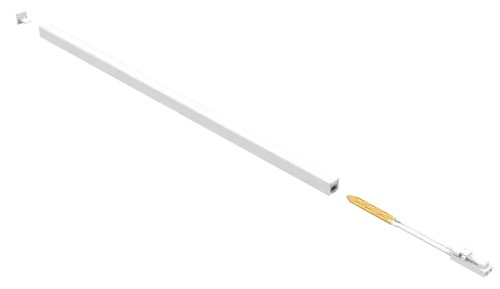
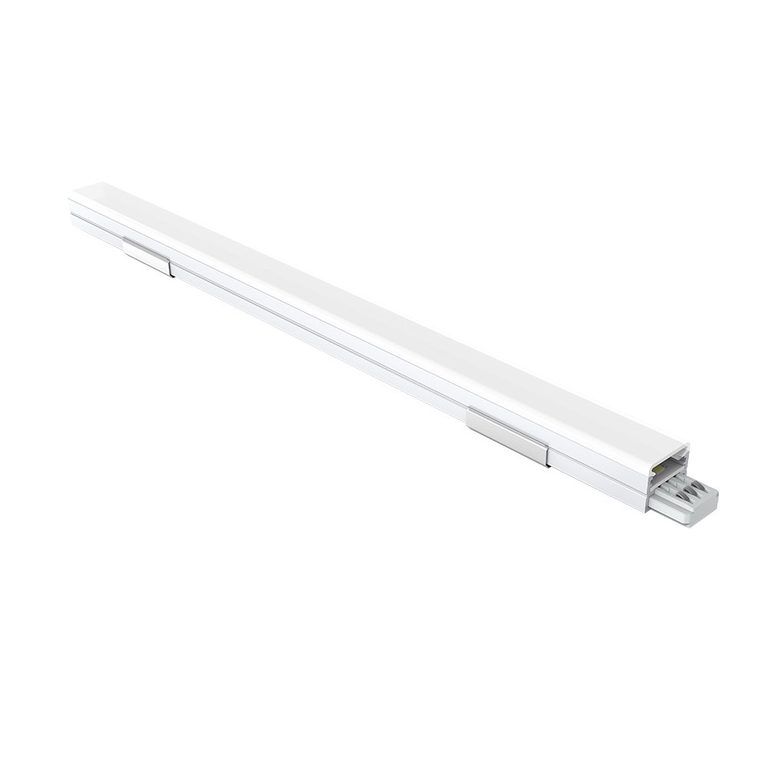
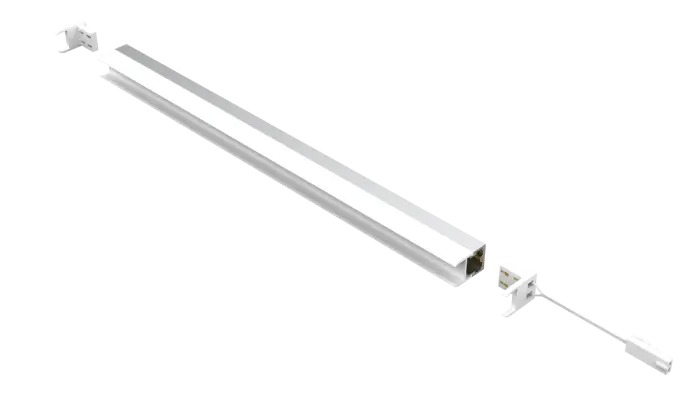
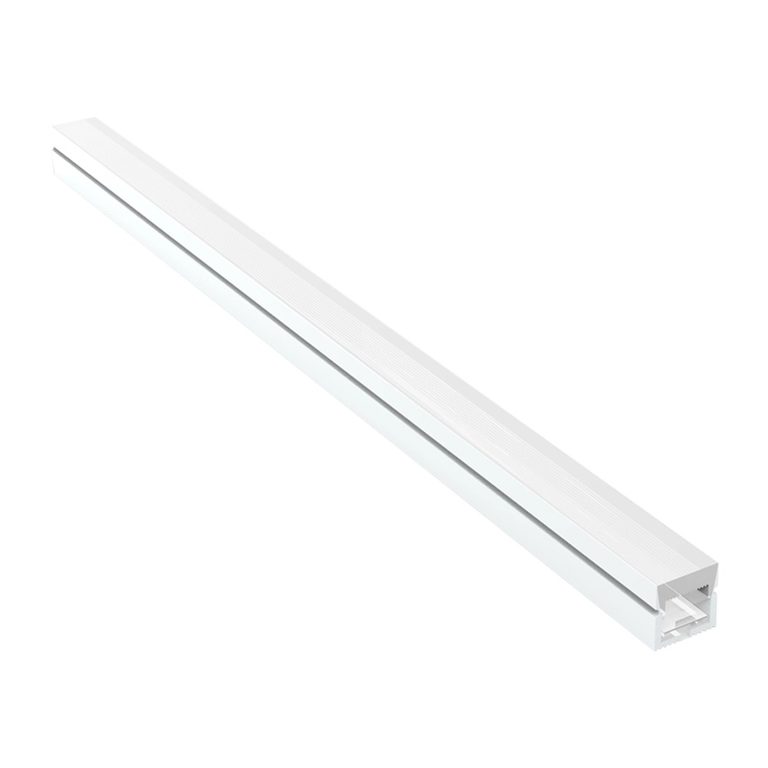
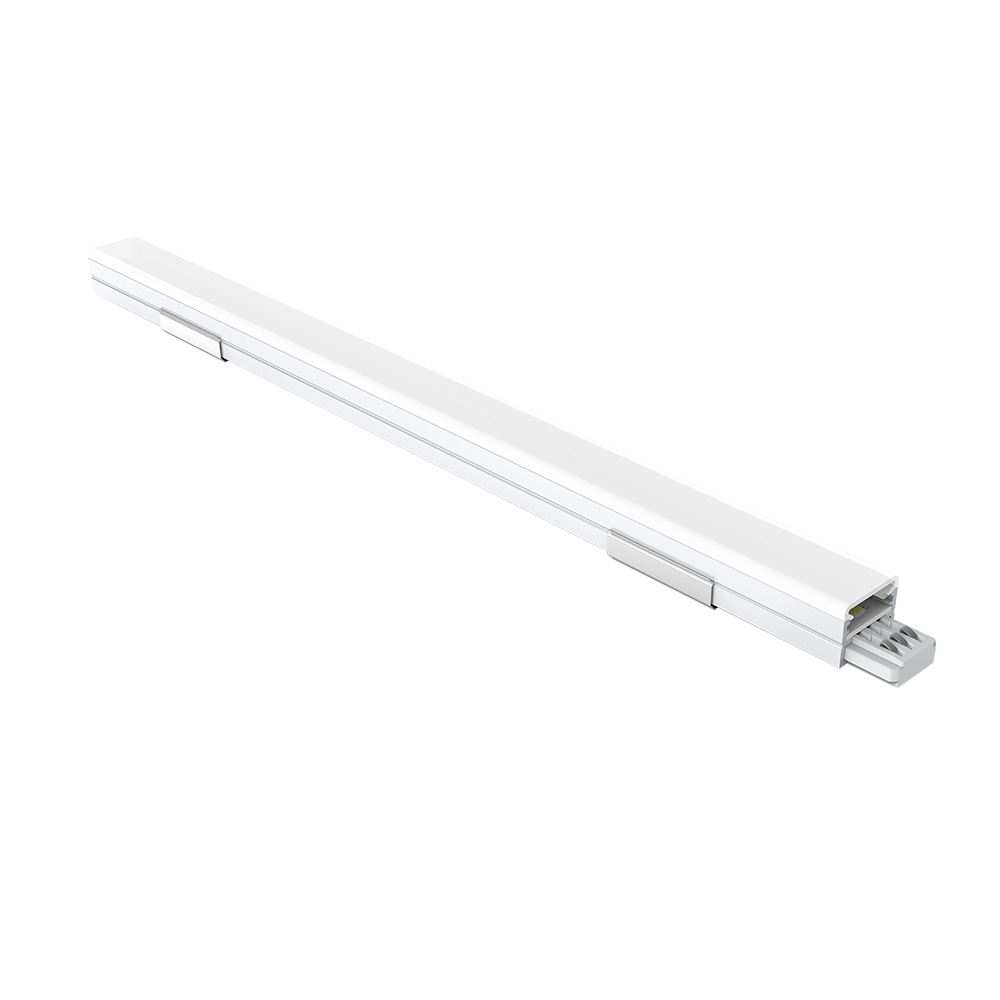
A slim profile can be especially useful where the lighting needs to remain visually discreet. Our Needle G02 Series is designed for retail, display, and integrated lighting applications. Its magnetic mounting, power input, and connection structure simplify installation and adjustment, making it practical for layouts where sections may need to be repositioned.
The Needle G02 also uses a CCT-tunable design, allowing users to adjust color temperature for different commercial lighting atmospheres. The Department of Energy notes that white-tunable products can be useful in retail because different color appearances can support different merchandise presentations and seasonal environments.
Compare Color Quality With Project Priorities
Color quality should be evaluated according to what the space contains. Retailers displaying clothing, furniture, cosmetics, food, or other visually sensitive products may place greater emphasis on accurate color appearance than areas where illumination is primarily functional.
CRI is one established measure of color fidelity. The Department of Energy notes that CRI of 90 or higher indicates excellent color fidelity, although CRI does not describe every aspect of perceived color quality.
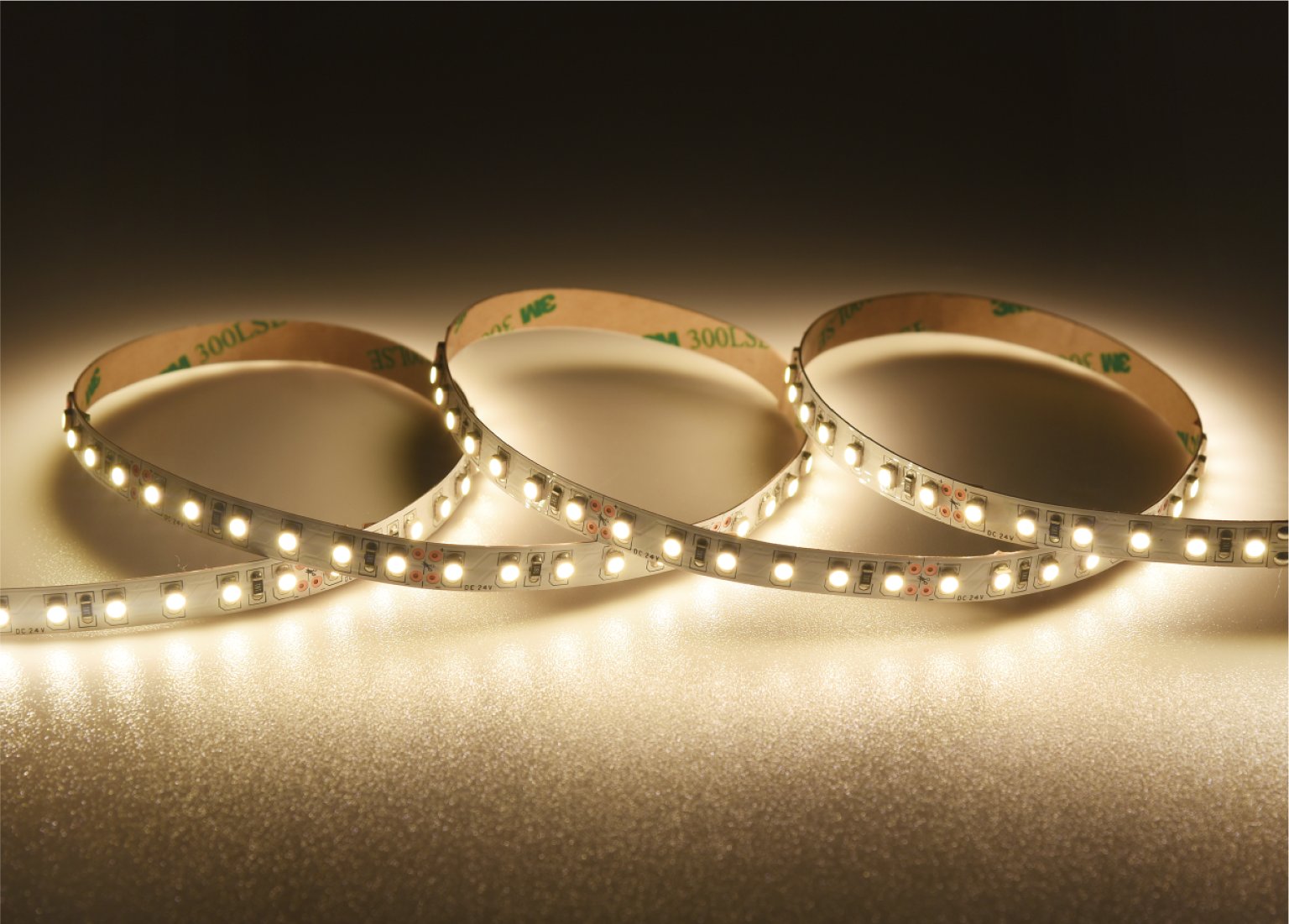
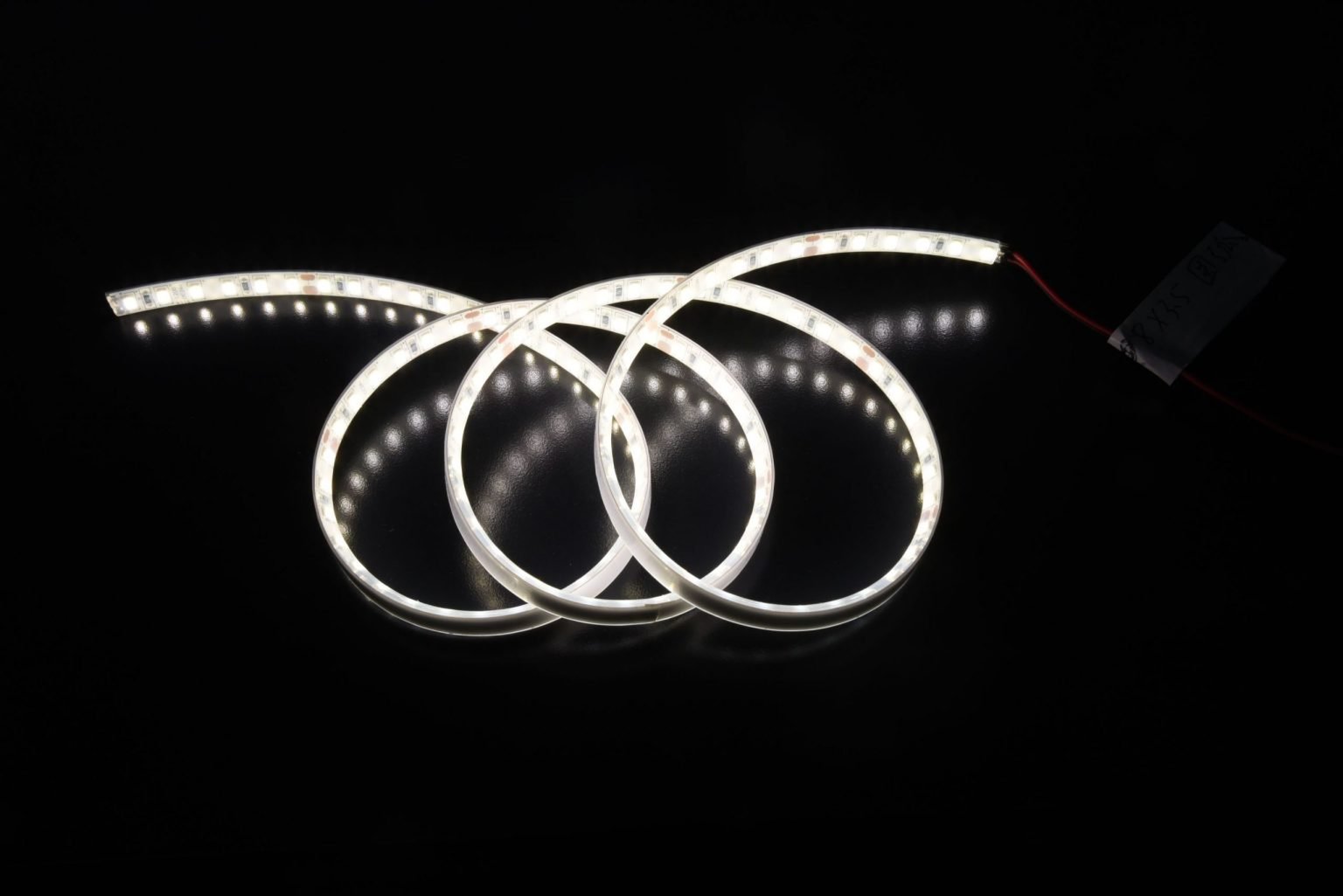
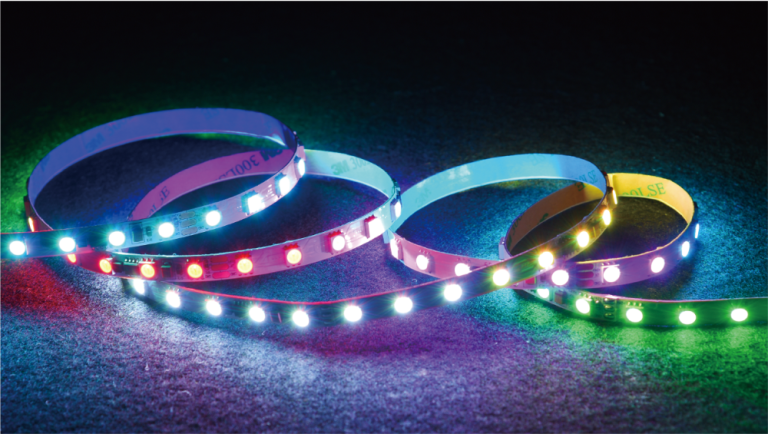
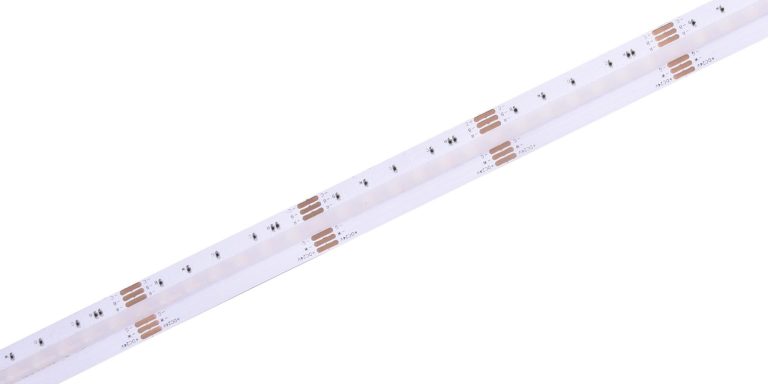
Our Needle G02 provides CRI > Ra90, supporting applications where accurate color rendering is important. This makes the slim fixture particularly relevant to display-oriented projects. Meanwhile, a high CRI RGB LED strip belongs to a different category when the design requires dynamic colored light rather than primarily accurate white illumination.
A high CRI RGB LED strip can therefore be considered when decorative color effects or programmed color changes are central to the project. Buyers should avoid comparing RGB functionality directly with white linear lighting without first defining the intended visual result.
Scale the Solution to Project Size
Project size affects more than the quantity of lighting required. A small display installation may prioritize simple connections and fast adjustment, while a multi-zone commercial project may require carefully coordinated controls, consistent specifications, and repeatable installation procedures.
For smaller or frequently modified layouts, magnetic installation can reduce the effort involved in positioning and connecting lighting sections. Our Needle G02 uses magnetic installation and free-connection features to support easier adjustment, which can be useful when display configurations change regularly.
For larger projects, procurement teams should pay closer attention to batch consistency, documentation, control compatibility, and supplier support. A high CRI RGB LED strip may work well for an architectural feature, but a tunable white linear system may be more appropriate when the project needs controlled changes in white light rather than saturated color effects.
Evaluate the Fixture Beyond the Feature List
A practical comparison should include the fixture’s physical profile, installation method, electrical requirements, dimming approach, color characteristics, and intended application. We should also consider how easily installers can access connections and whether the selected system can accommodate future layout adjustments.
Our Needle G02 combines a slim linear profile with magnetic mounting, Triac dimming, CCT tuning, and CRI > Ra90. These characteristics address several common requirements in retail and integrated lighting without making the fixture visually dominant.
Our independent R&D team includes more than 30 specialists and supports product development and customized lighting projects, backed by more than 50 patents. We also maintain certifications including ISO 9001 and ISO 14001, while applying quality control throughout production and product testing. These capabilities help us support business projects that require consistent product development and manufacturing standards.
Build the Selection Around the Project
The linear lighting choice is rarely determined by one specification. Instead, we should consider the application’s dimming needs, physical layout, color requirements, installation method, and overall project scale together. This creates a clearer basis for comparing products and reduces the risk of selecting features that the project does not actually need.
For retail and display applications, our Needle G02 offers a focused combination of magnetic installation, Triac dimming, CCT tuning, slim construction, and CRI > Ra90. When projects instead require programmable color effects, a high CRI RGB LED strip may be worth evaluating separately. By matching the lighting technology to the actual design objective, we at LEDIA Lighting can make procurement decisions that are practical, consistent, and easier to implement.