Color quality is no longer a secondary consideration when lighting merchandise, architectural details, or branded interiors. For business projects, the light source needs to balance appearance, control, installation, and visual consistency. A high CRI LED strip can help reveal colors more faithfully, while a dimmable linear LED light can give project teams greater control over brightness and atmosphere. The right combination depends on the application and design intent.
Why CRI Matters in Commercial Lighting
Color Rendering Index, or CRI, describes how a light source renders colors compared with a reference source of similar color temperature. The U.S. Department of Energy notes that CRI 90 or higher indicates excellent color fidelity, although CRI does not fully describe every aspect of color quality. IES also defines CRI as a measure of the color shift objects undergo under a light source.
That distinction matters in commercial environments. Retailers want products to appear close to their intended colors, while display designers may need finishes, materials, artwork, or packaging to remain visually convincing. The Illuminating Engineering Society has highlighted high-color-rendering lighting as an important consideration for retail environments, particularly where merchandise appearance and brand experience are priorities.
For demanding projects, CRI should not be treated as the only specification. TM-30 provides additional information about color fidelity and gamut, so lighting professionals should evaluate the complete performance profile rather than selecting a fixture from a single number.
Matching Lighting to Different Applications
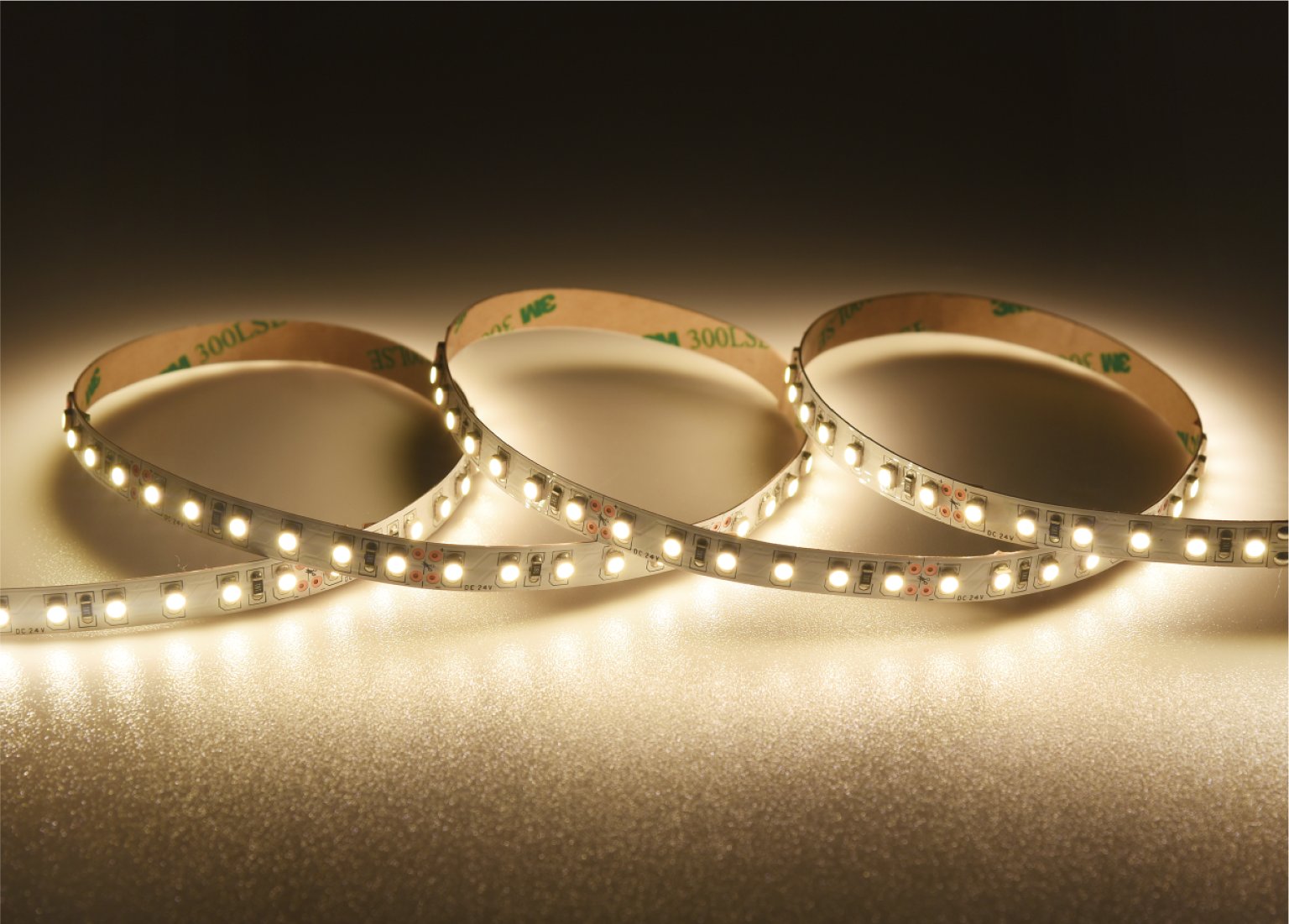
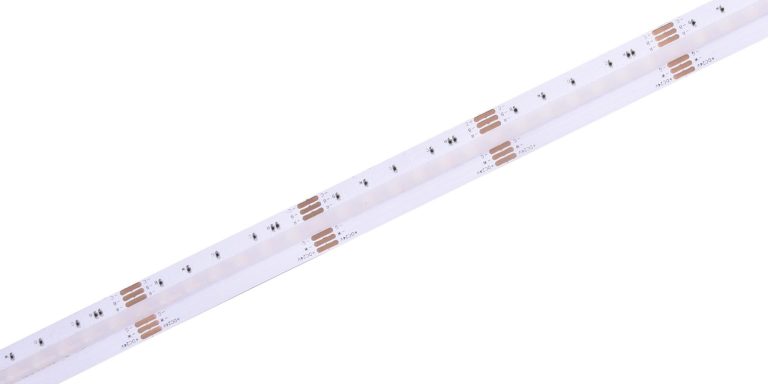
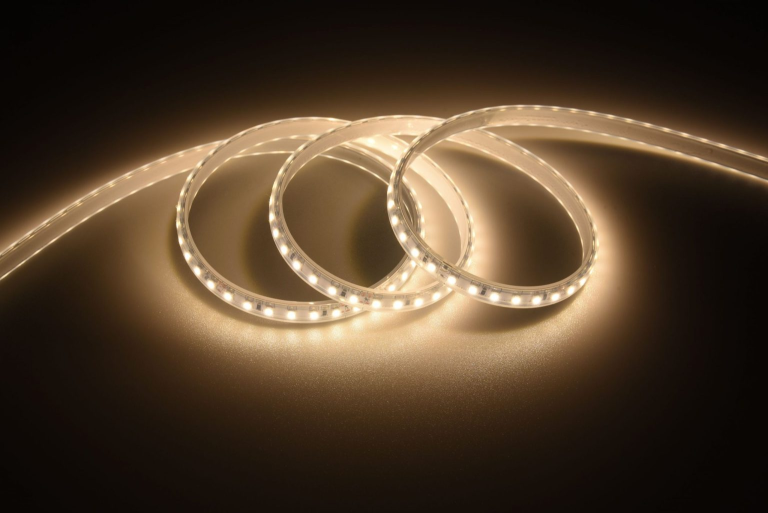
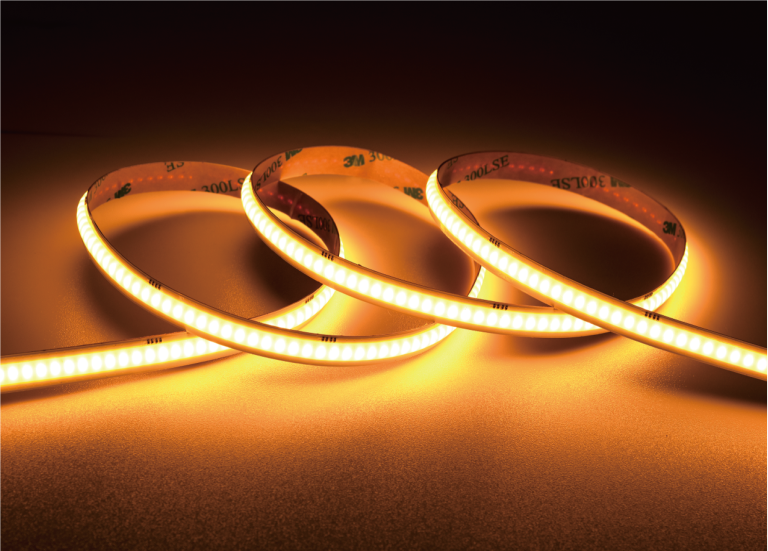
Retail shelving, display cabinets, and product showcases often benefit from high-quality light that maintains a clean appearance without competing with the merchandise. A high CRI LED strip can support this approach by helping colors and finishes appear more naturally. Linear formats are also useful where designers need continuous illumination along shelves, joinery, counters, or architectural edges.
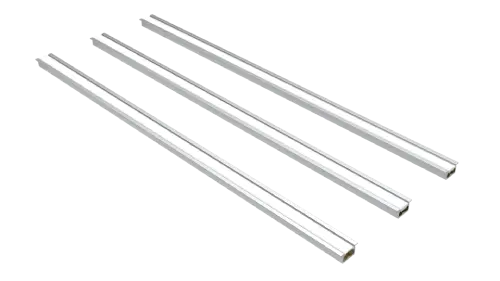
Furniture and millwork introduce different requirements. Lighting may need to remain visually discreet while fitting into narrow spaces. Here, a slim linear source can create a continuous visual line without making the fixture a dominant design element. For integrated applications, installation flexibility can be just as important as optical performance because contractors must work within the physical constraints of furniture and built-in structures.
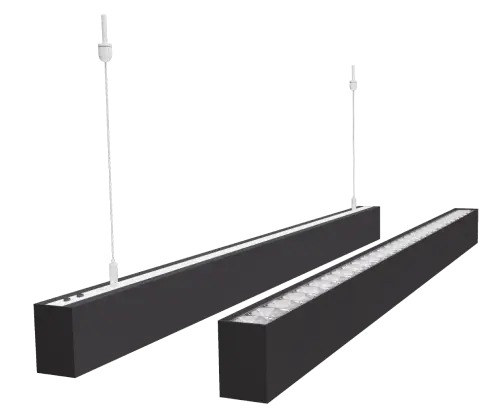
Hospitality, showroom, and branded environments may require more adaptable control. A dimmable linear LED light can allow teams to adjust output for different operating conditions, presentations, or scenes. Color-tunable systems can also support changes in white light appearance, although the required control method and wiring should be considered during specification.
Our Needle G02 Approach to High-CRI Linear Lighting
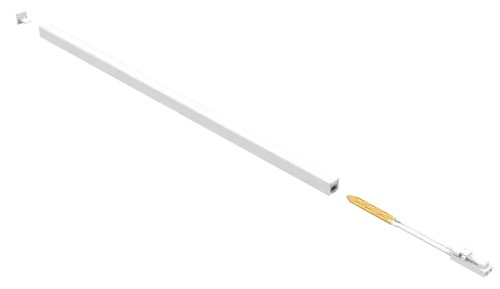
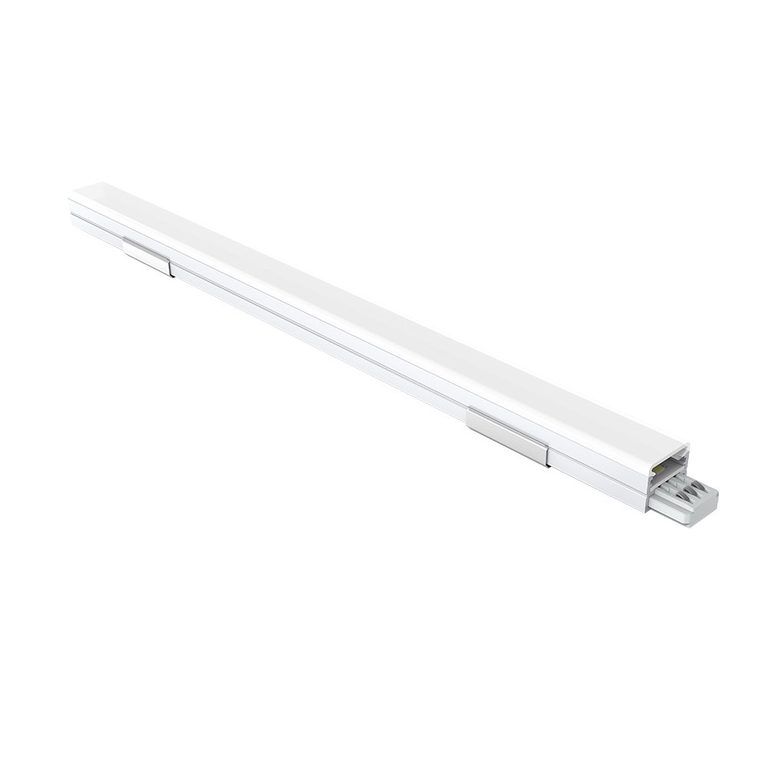
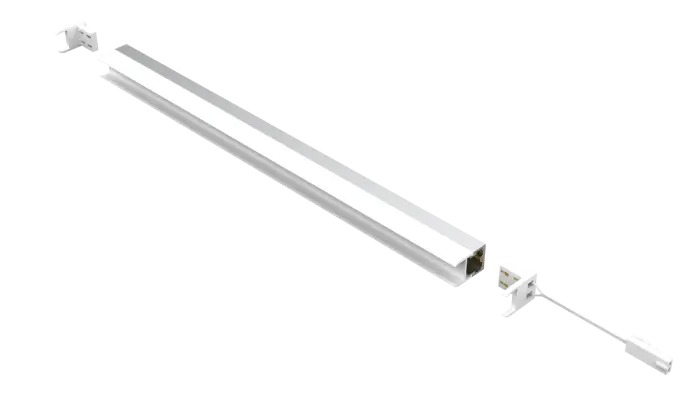
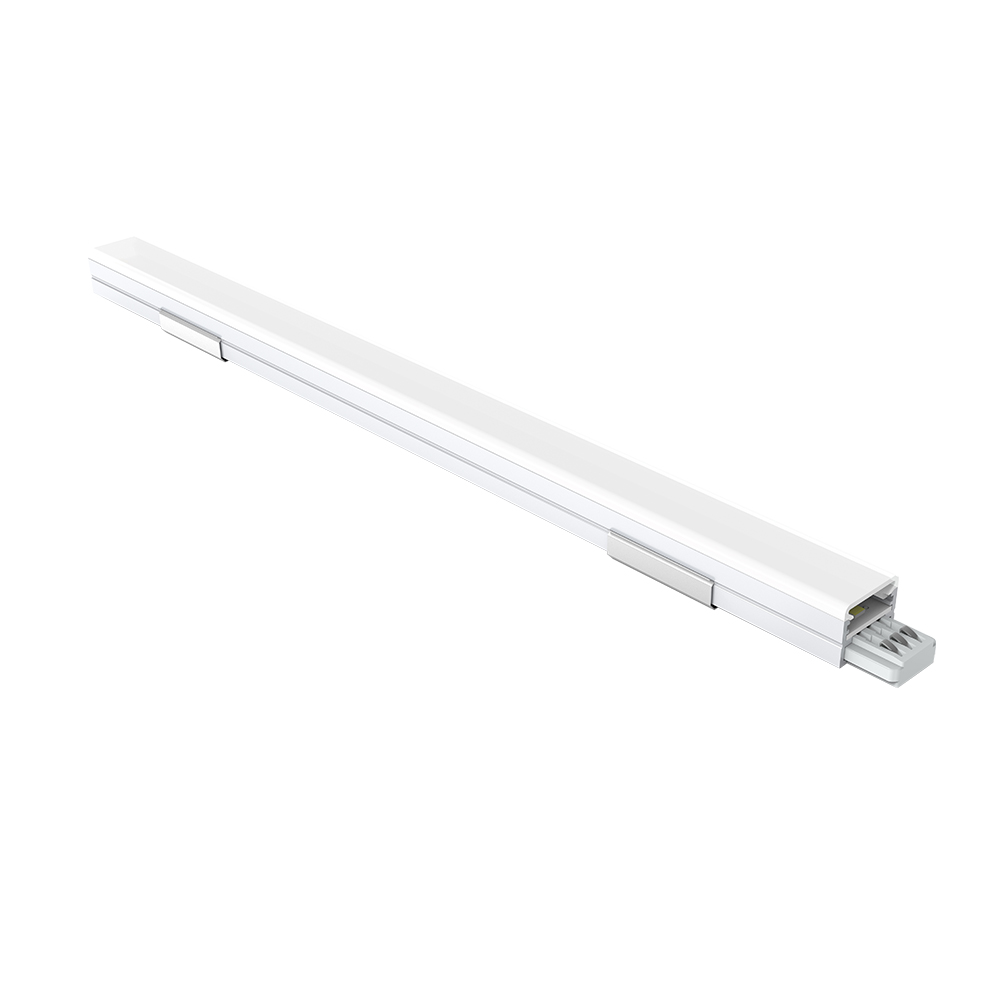
For applications requiring a compact and adaptable linear solution, we developed the Needle G02 Series around DC 24V CCT tunable and dimmable operation. Its magnetic linear light structure is intended to simplify installation and connection, which can be valuable for projects involving repeated sections or integrated furniture lighting.
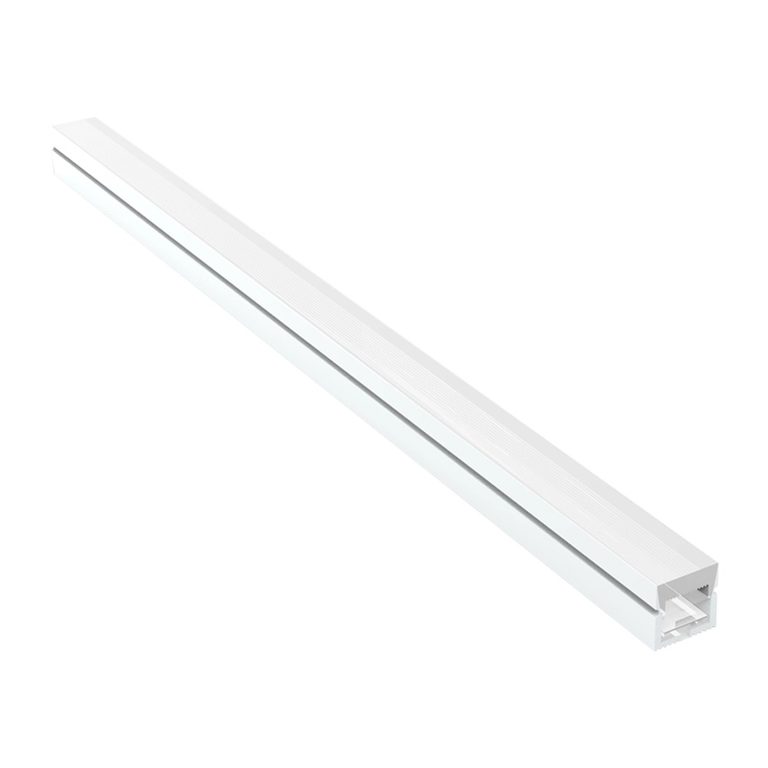
The Needle G02 also uses an ultra-slim profile to minimize fixture visibility. With CRI greater than Ra90, it is designed for applications where accurate color rendering is important. We position this high CRI LED strip solution for retail, display, and integrated lighting projects where visual quality and a discreet form factor need to work together.
The product’s free-connection concept supports practical linear layouts, while CCT tuning and dimming give project teams additional flexibility. These characteristics suit spaces where lighting needs vary between merchandise presentation, ambient illumination, and accent-oriented scenes.
Selecting the Right Option for Project Conditions
Specification should begin with the visual task, not the fixture name. For merchandise displays, teams should consider the colors and materials being illuminated, the required brightness, and whether consistent color appearance is needed across multiple sections. A high CRI LED strip may be appropriate when faithful color presentation is a central requirement.
For integrated architectural or furniture applications, dimensions and installation method deserve equal attention. A narrow profile can reduce visual clutter, while magnetic connection features may simplify assembly and maintenance. A dimmable linear LED light can be particularly useful when one installation must serve several lighting levels throughout the day or across different commercial scenarios.
Control requirements should also be confirmed early. If the project requires both brightness adjustment and CCT tuning, the designer should establish compatible drivers, controllers, wiring, and control protocols before installation. DOE guidance notes that white-tuning systems can require separate control considerations for intensity and color, depending on the product architecture.
Building a More Adaptable Linear Lighting Specification
A strong specification balances color quality, form factor, control, installation, and application requirements. CRI above 90 can be a useful benchmark for projects where color fidelity matters, but designers should still review available color data and, when appropriate, TM-30 information. This helps avoid treating one metric as a complete description of light quality.
At LEDIA Lighting, we use this application-led approach when developing solutions for commercial lighting projects. The Needle G02 Series combines a slim linear form, CRI greater than Ra90, DC 24V operation, CCT tuning, dimming, and a magnetic structure for free connection. These features give our partners a practical option for retail, display, furniture, and integrated lighting specifications.
For projects where appearance, flexibility, and installation efficiency all matter, the best result comes from matching the lighting architecture to the space rather than choosing by specification alone. By combining a high CRI LED strip with suitable controls and a discreet linear profile, project teams can create lighting that supports merchandise, materials, and interior design while remaining adaptable to changing operational needs.