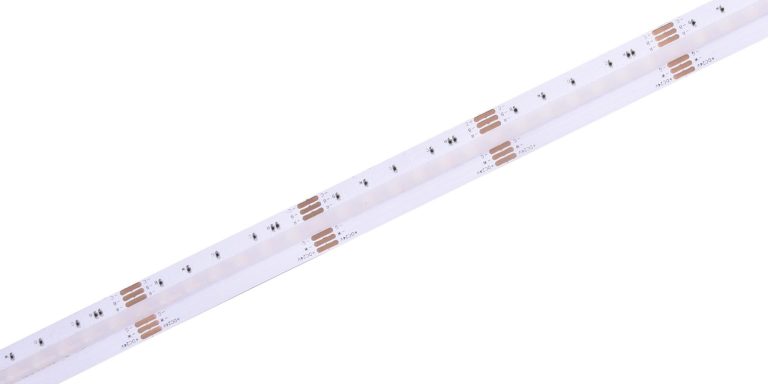
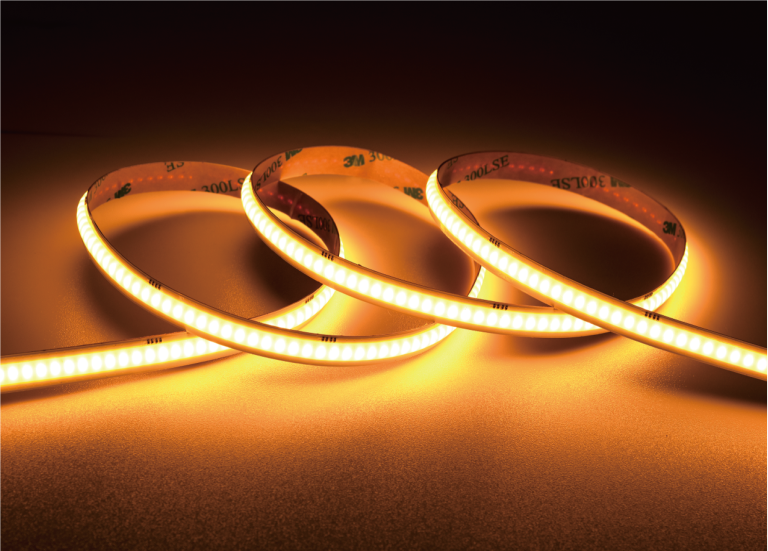
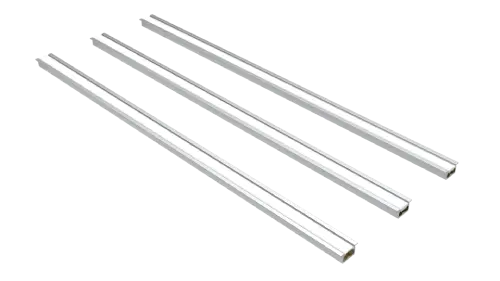
Modern commercial lighting needs to do more than illuminate. Project teams often need flexible control over brightness and color while keeping fixtures visually discreet. Dimmable and tunable linear systems can address these requirements when they are planned as part of the overall design rather than added afterward. We use this approach with our Needle G02 Series, a DC 24V solution developed for retail, display, and integrated lighting applications.
Start With the Lighting Intent
Every project should begin by defining what the lighting needs to accomplish. A retail shelf may require accurate product presentation, while a reception area may need softer ambient illumination. A display installation may also need different brightness levels at different times.
A dimmable linear LED light allows brightness to be adjusted as conditions change instead of locking the project into one fixed output. However, dimming performance depends on compatibility between the LED system, driver, and control equipment, so these elements should be considered together.
Plan Color Temperature Alongside Brightness
Brightness is only one part of the visual experience. Color temperature also influences how a commercial environment looks and how products are presented. The U.S. Department of Energy notes that white-tunable products can shift between warmer and cooler white light, making them useful across applications such as retail and other adaptable spaces.
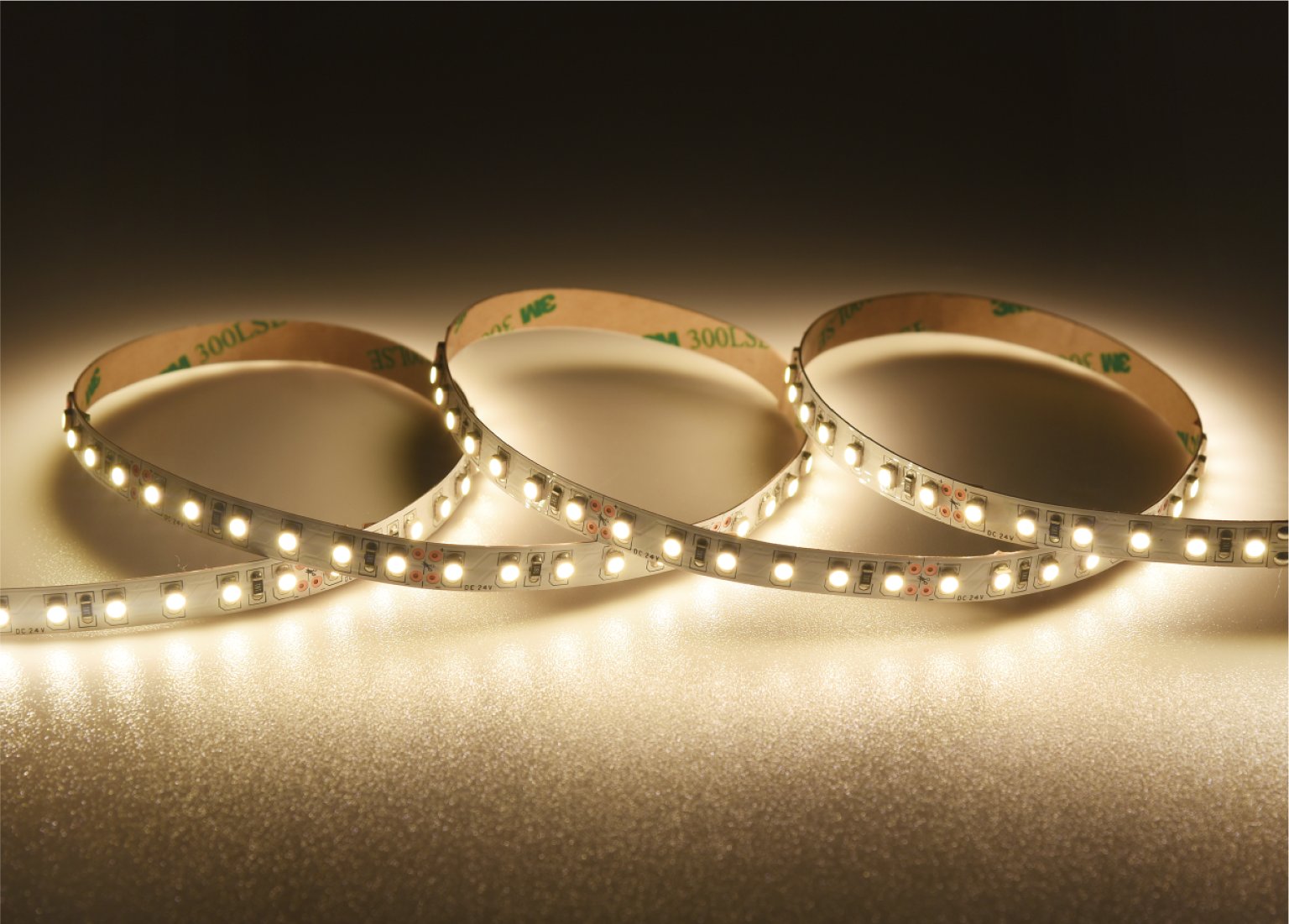
A CCT tunable LED strip light gives project teams another layer of control by allowing the white-light appearance to be adjusted. For example, a retailer may prefer a cooler appearance for certain merchandise and a warmer atmosphere for another presentation. The available CCT range should be confirmed from the selected product specification. For a CCT tunable LED strip light, this detail should be included in the project schedule.
Use Slim Profiles Where Visibility Matters
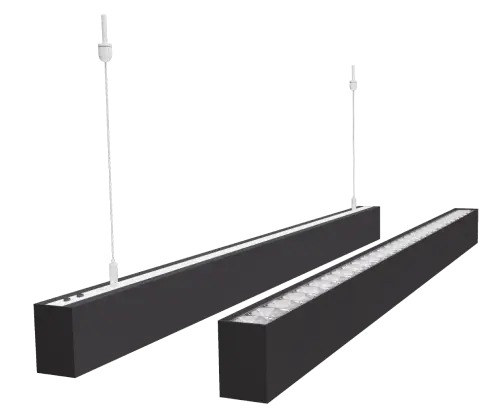
Linear lighting is often installed where the fixture itself should remain secondary to the architecture. Shelves, display cabinets, counters, wall details, and integrated furniture can all benefit from a narrow lighting structure.
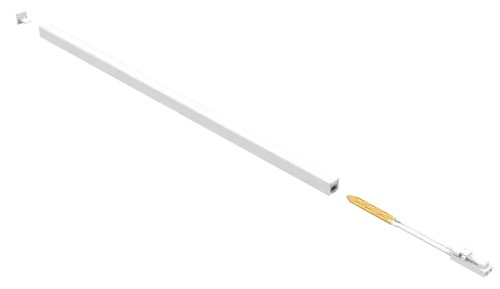
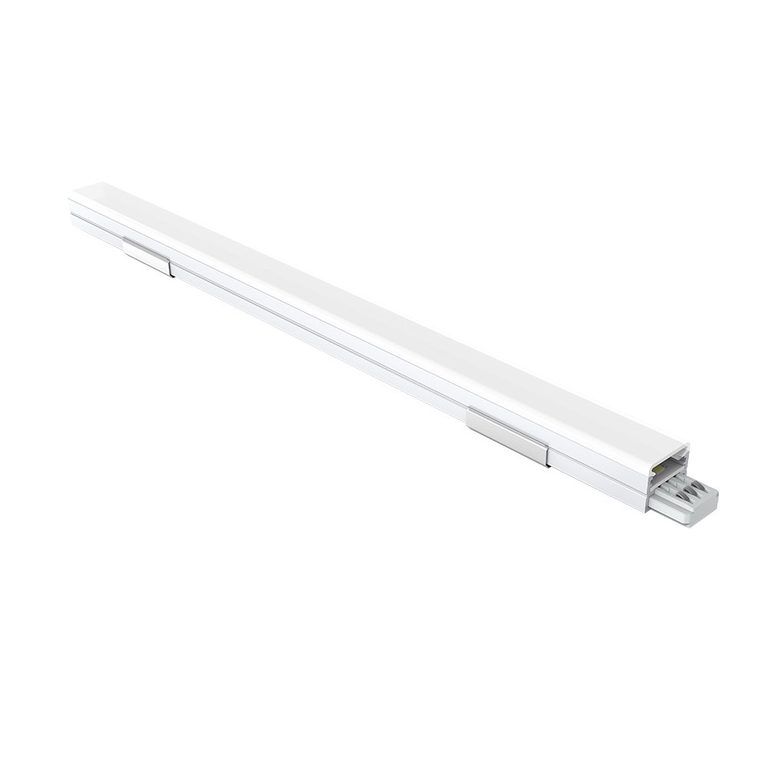
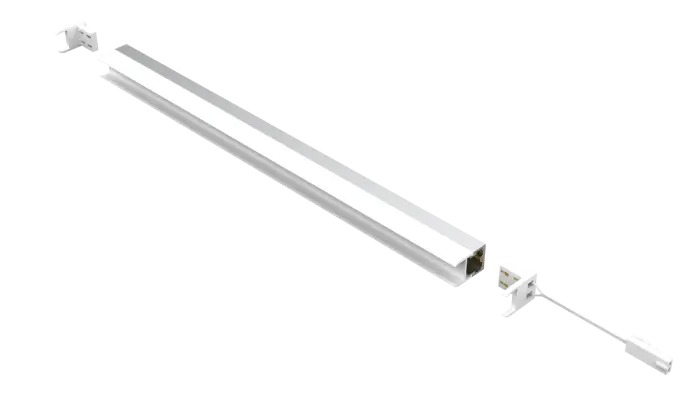
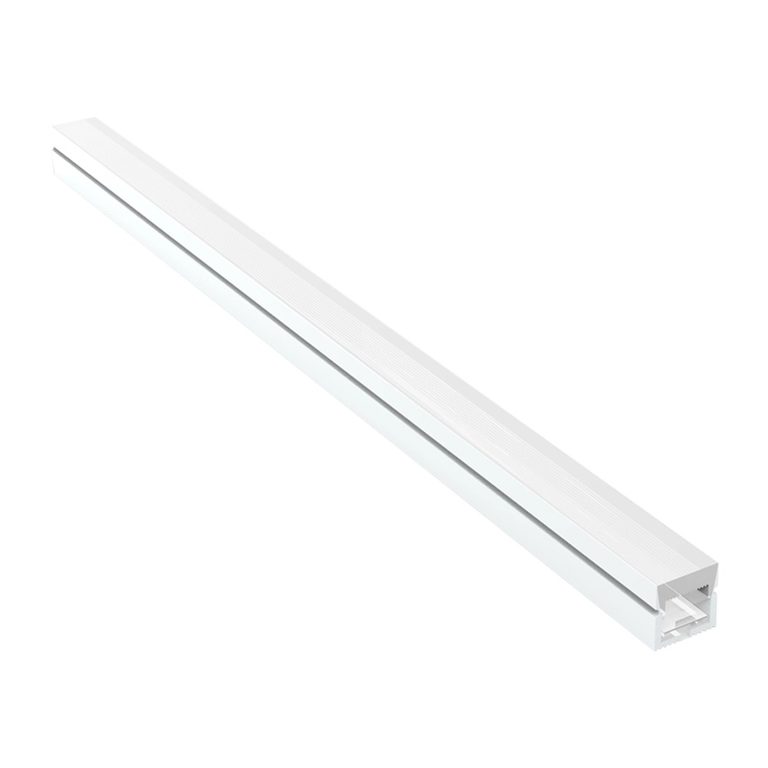
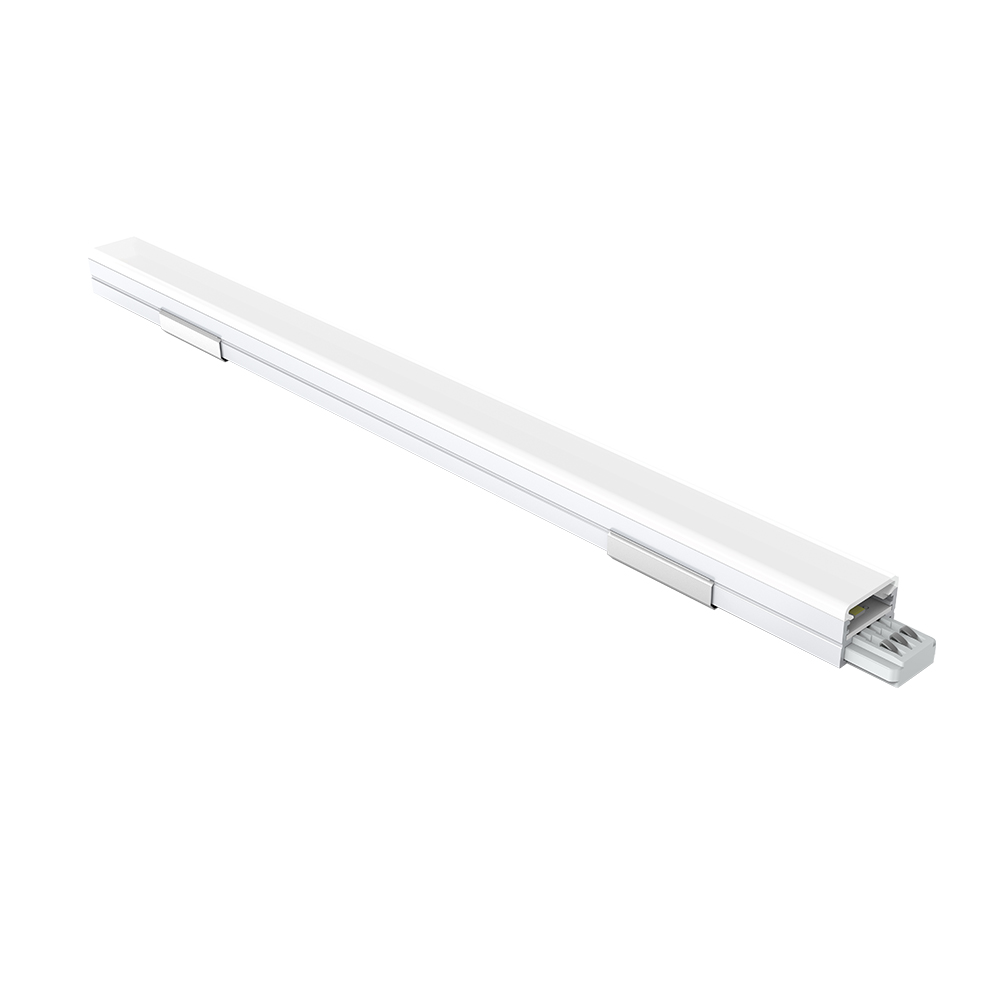
At LEDIA Lighting, our Needle G02 Series uses an ultra-slim linear profile designed to minimize product visibility. Its magnetic structure also supports installation, power input, and connection, helping installers position and adjust the system more efficiently. This combination suits projects where clean lines matter.
Simplify Installation With Magnetic Connection
Installation efficiency has a direct effect on project labor and coordination. A lighting system that is easier to position, connect, and adjust can be particularly valuable for retail fit-outs or display installations where layouts may change during commissioning.
The Needle G02 Series uses magnetic mounting together with magnetic power input and connection. This structure makes installation and adjustment easier. When specifying a dimmable linear LED light, teams should therefore consider not only optical performance but also how the fixture will be mounted, connected, serviced, and repositioned.
Choose Dimming Controls Carefully
Dimming should be treated as a system-level requirement. TRIAC dimming is used with the Needle G02 Series for convenient brightness adjustment, but the control method must be compatible with the complete lighting system. Lutron notes that phase-cut dimming has specific requirements and recommends checking LED and dimmer compatibility to achieve reliable performance.
This is especially important for commercial installations with multiple fixtures. Before ordering, contractors should confirm the dimmer, driver, wiring arrangement, and intended load. This preparation can reduce flicker, unexpected behavior, and commissioning delays. A dimmable linear LED light should never be selected solely because a product description includes the word “dimmable.”
Match CRI to the Application
Color rendering is another specification worth reviewing early. Our Needle G02 Series provides CRI above Ra90, supporting applications where the appearance of merchandise, materials, finishes, and interior details needs to be represented accurately.
High color rendering can be particularly relevant in retail and display environments. CRI should still be evaluated alongside CCT, optical distribution, brightness, and the products being illuminated.
Specify the System Before Installation
Choosing an LED strip supplier with project experience can simplify specification and coordination. For tailored projects, custom LED strip manufacturers can help align physical format and control requirements with the intended application. We keep this practical focus as an LED strip supplier throughout our project support. Custom LED strip manufacturers can apply the same approach when coordinating specifications.
Build the Specification Before Installation
A strong lighting concept becomes easier to execute when the specification is settled before products reach the site. Project teams should establish the required brightness control, CCT adjustment, CRI, installation method, power arrangement, and control compatibility at the design stage.
For a CCT tunable LED strip light, the required color-control approach should be documented rather than left for installers to determine later. The same principle applies to dimming: the selected control equipment should be verified before installation.
From Design Flexibility to Finished Space
Effective linear lighting connects design intent with practical installation. Dimming allows teams to adapt brightness, while CCT tuning can change the character of white light without replacing the fixture. Slim construction and magnetic connection can further support integrated applications where appearance and installation efficiency both matter.
We provide the Needle G02 Series for projects that require these characteristics in one system. As an LED strip supplier and one of the custom LED strip manufacturers serving project-oriented customers, we focus on combining practical installation features with controllable lighting performance. By defining requirements early, teams can turn a lighting concept into a more coordinated and adaptable finished space.