A tunable-white project can look simple on a quotation sheet: one product, one power specification, and a promise that the color temperature can change. For buyers, the harder question is how to compare options without treating every adjustable-white product as equivalent.
To choose effectively between comparable products, project teams should focus on functional performance rather than brand labels. Key evaluation criteria include operational changes, dimming control, connectivity, power architecture, and installation suitability.
Why Tunable White Changes the Specification Process
Tunable white is not the same decision as choosing between warm white and cool white. The purpose is to give the user a way to adjust the white-light appearance rather than locking the installation to one fixed color temperature.
That makes the first comparison question very practical: does the product provide CCT adjustment, and is that function part of the specified product configuration?
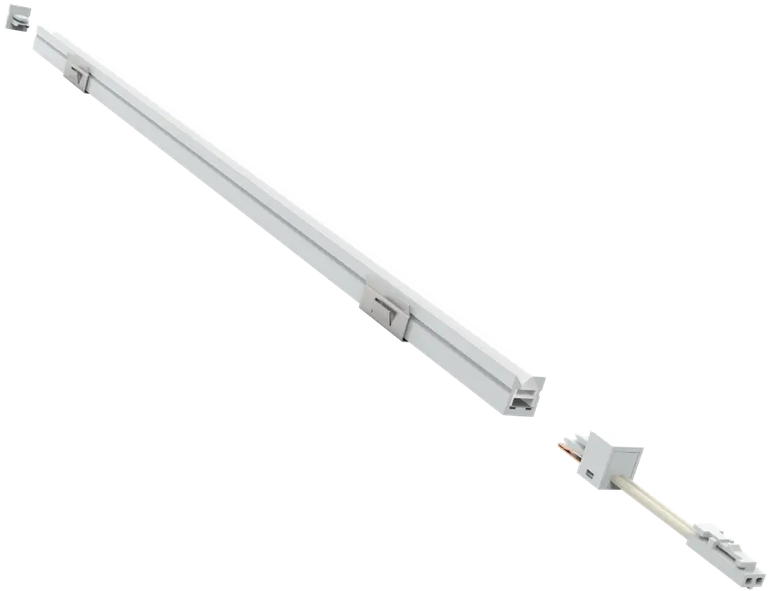
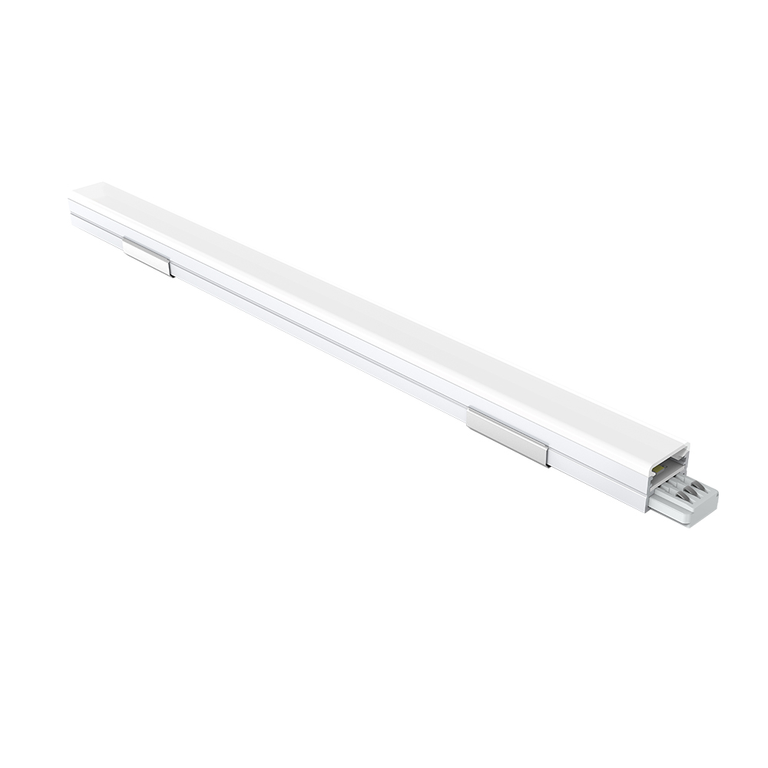
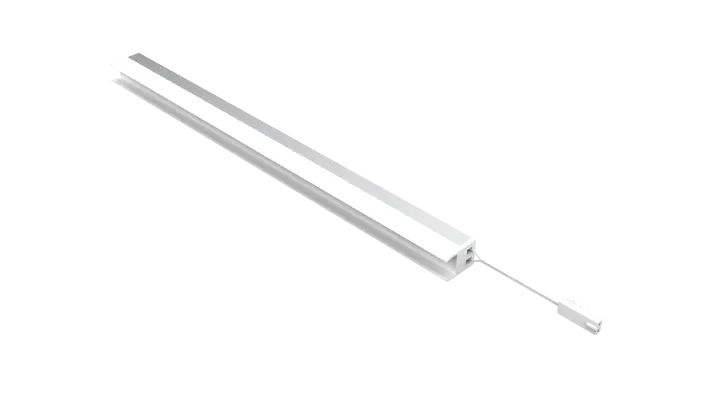
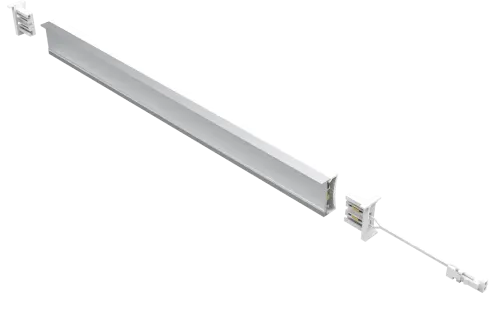
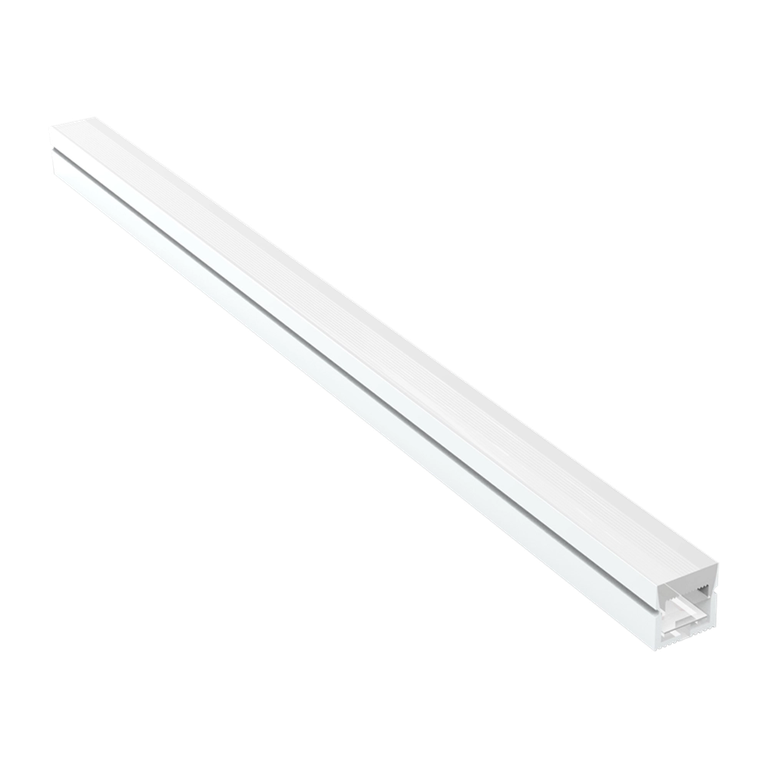
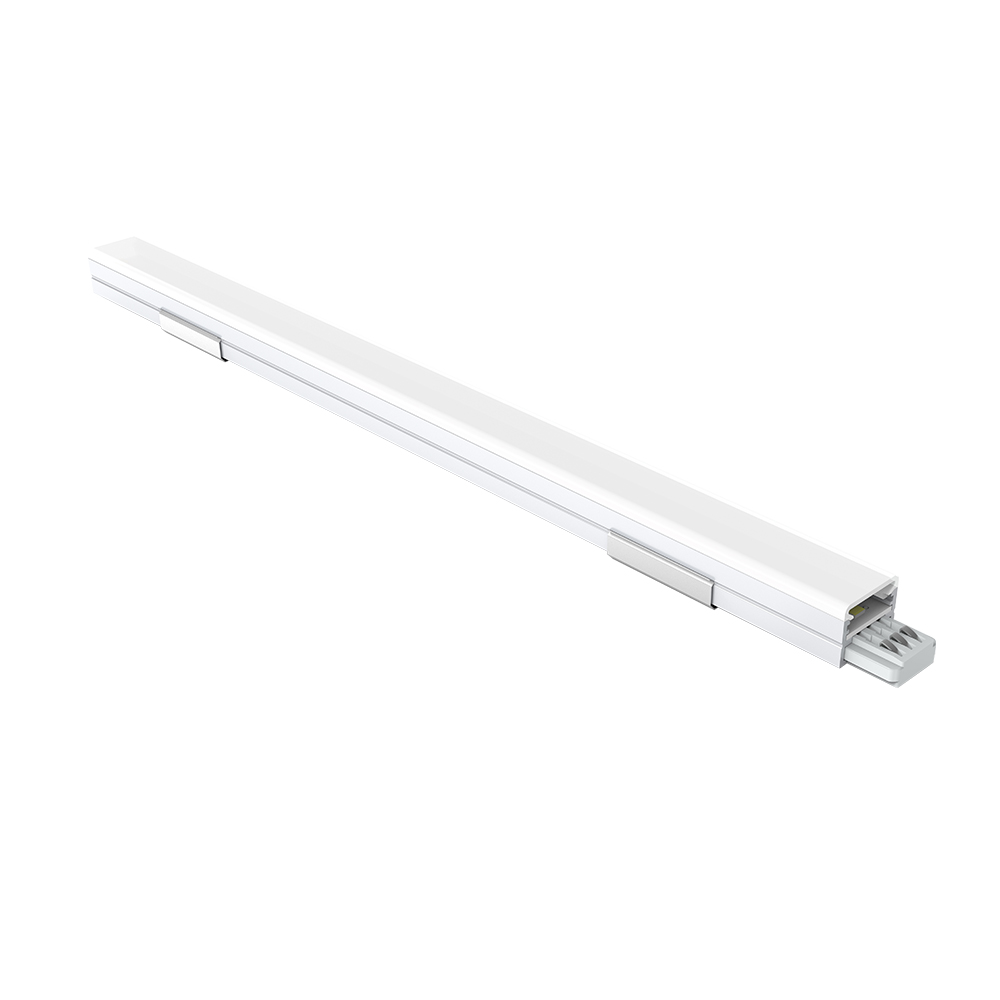
LEDIA Lighting lists the Needle G02 Series as a DC 24V product with CCT tunable and dimmable functionality. Its product catalogue also distinguishes a controller-and-connector version from a free-connection version.
Separate Color Adjustment From Brightness Adjustment
A product can offer color-temperature adjustment without every control function being identical. A dimmable linear LED light should be compared on its control function, not simply on the word “dimmable.”
The Needle G02 Series is explicitly identified as both CCT tunable and dimmable. That makes the distinction useful during comparison: one requirement concerns the character of white light, while the other concerns brightness.
For white dimmable LED strip lights, the same discipline applies. Rather than accepting “dimmable” as a complete description, the quotation should identify what is adjustable and how the adjustment is implemented.
Look at the Power Architecture Before Comparing Prices
The electrical side can change how a product fits into a project. The G02 Series is specified as DC 24V, so the comparison should include the project’s low-voltage power arrangement rather than looking only at the light itself.
That question becomes especially relevant when several options appear similar but use different electrical architectures. A lower unit price may not represent a simpler project if additional components or different installation arrangements are required.
LEDIA Lighting places the G02 Series within its cabinet-light product category, alongside other DC 24V products and connection configurations. This context helps buyers compare the complete product arrangement instead of isolating the lamp from the rest of the installation.
Compare Connection Methods as Part of the Product
Connection is easy to overlook because it rarely appears in the visual comparison. Yet the G02 Series is listed in both a controller-and-connector version and a free-connection version.
That distinction deserves attention before procurement. The preferred configuration can depend on how the lighting is being laid out and connected on site.
A quotation should therefore state the exact version being offered. For project buyers, that simple detail can prevent two products from being treated as interchangeable when their connection arrangements are different.
Decide What the Lighting Needs to Do During the Day
Tunable white becomes more useful when the lighting requirement changes over time. A space may need a different white-light appearance in the morning, during focused work, or later in the day.
The project brief should define why that flexibility is needed before selection. A dimmable linear LED light may be useful when both color and brightness need to change during use.
For white dimmable LED strip lights, buyers can use the same question: is the adjustable function part of the intended lighting strategy, or is it simply being added because the product offers it?
Compare the Product Configuration, Not Just the Light Source
A fair comparison needs more than a product name. Model, voltage, CCT adjustment, dimming capability, connection type, controller requirements, and installation context should be reviewed together.
The current product catalogue lists the Needle G02 Series, while the cabinet-light category identifies its two G02 configurations separately.
That makes the product reference more useful than a generic description such as “tunable LED.” A buyer can then ask the supplier to quote the same configuration when comparing multiple options.
Keep the Specification Simple Enough for Procurement
The best comparison sheet is not necessarily the longest one. LEDIA Lighting recommends looking at the actual product configuration rather than relying on a generic product label.
For a tunable-white product, we would normally keep CCT adjustment, dimming, voltage, connection method, control arrangement, and product configuration visible in the comparison table. Any requirement that has not been confirmed should remain open rather than being assumed.
It also makes supplier communication easier. A project manager can identify where two quotations differ without comparing descriptions line by line.
Choose the Option That Matches the Intended Use
A tunable-white product should earn its place in a project because its adjustable function solves a real lighting requirement. The comparison becomes much clearer once the team separates appearance, brightness control, electrical architecture, and connection method.
The G02 Series provides a concrete example: its published product naming identifies DC 24V operation, CCT tuning, dimming, and different connection configurations. Those are the details that make a product comparable at the procurement level.
At the end of the day, project buyers aren’t looking for the kitchen-sink feature list. They just want a setup that gives them the right white-light flexibility without blowing up the electrical plan or installation schedule. Comparing options that way makes a lot more sense than just staring at wattage numbers or price tags.