Industrial, commercial, residential, and outdoor projects have different lighting requirements. For distributors, contractors, designers, and developers, a clear customization process turns project needs into practical specifications, reduces revisions, and coordinates procurement with installation.
At LEDIA Lighting, we develop customizable LED light strips and linear lighting products for varied applications. As a commercial LED lighting products supplier, we support OEM projects from design and product development through manufacturing, quality control, and delivery.
Start with the Application and Project Conditions
First, define where the lighting will be used and what it must achieve. Industrial environments may need durable fixtures for extended operation. Commercial spaces balance general illumination, task visibility, and presentation, while residential projects often prioritize discreet integration and comfortable light.
Outdoor installations add exposure to moisture, dust, and temperature changes. They also affect where drivers can be located, how cables are routed, and whether installers need access equipment. A site survey or accurate project drawing can reveal constraints that are difficult to identify from a product list alone. Before requesting custom light fixtures, buyers should share the location, operating conditions, mounting method, and intended lighting effect. These details give the supplier a clear starting point.
Define the Performance Specifications
Next, establish measurable requirements. Specifications may include input voltage, power, lumen output, color temperature, color rendering, dimensions, control method, and ingress protection. Prioritize the parameters that affect the actual application.
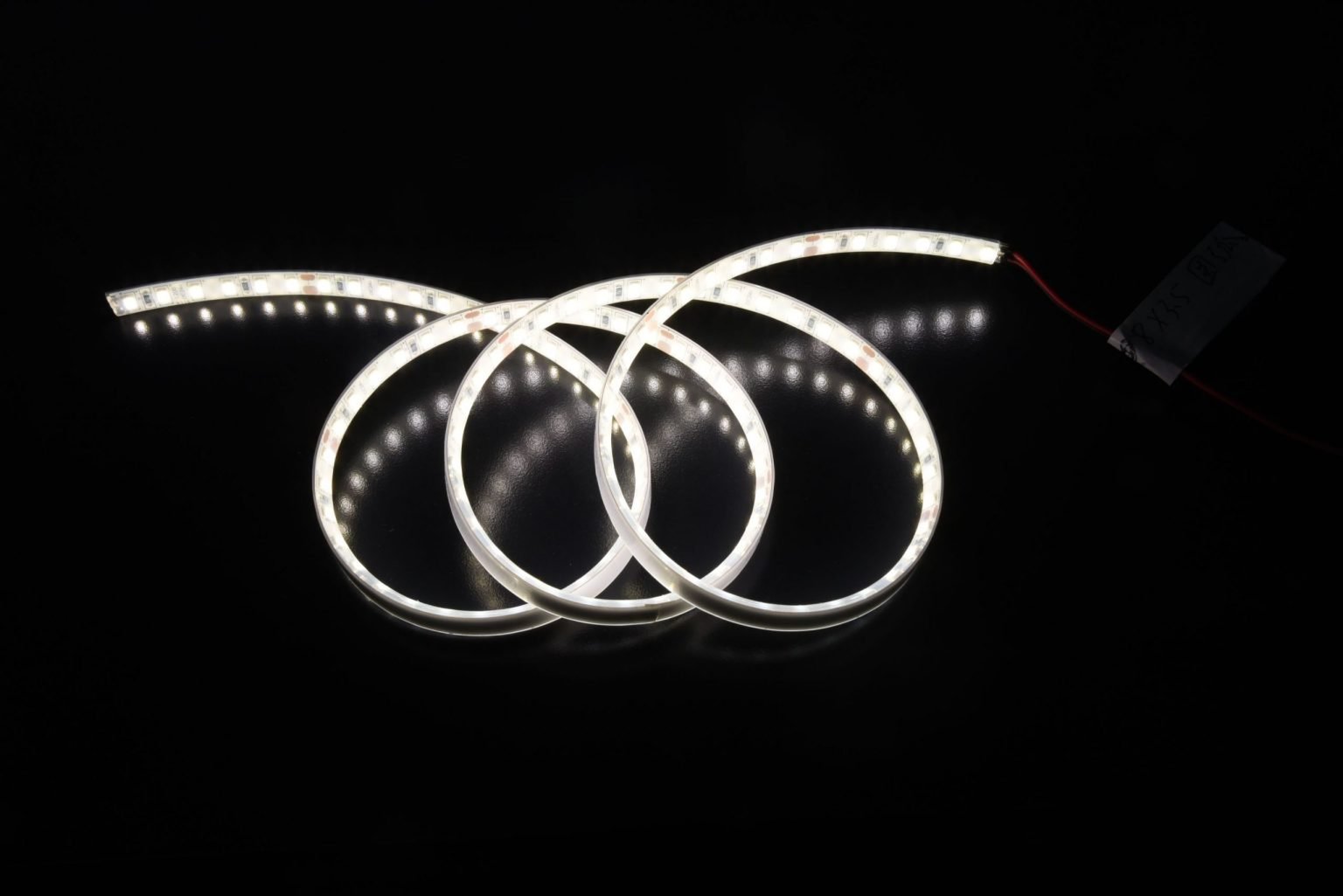
Retail displays may need accurate color appearance, while circulation areas focus on consistent illumination. Outdoor projects should match the protection rating to actual exposure. When comparing custom light fixtures, request datasheets and clarify which values are standard or configurable.
LED strip selection also requires attention to run length, cutting intervals, driver capacity, wiring, and voltage drop. Review these details before freezing the design to avoid component mismatches. It is also useful to define the expected length of each run and the location of connection points. For installations with multiple sections, a wiring diagram can help installers understand feed locations and control zones. These practical documents are especially valuable when several teams share responsibility for installation.
Choose the Right Form Factor and Installation Method
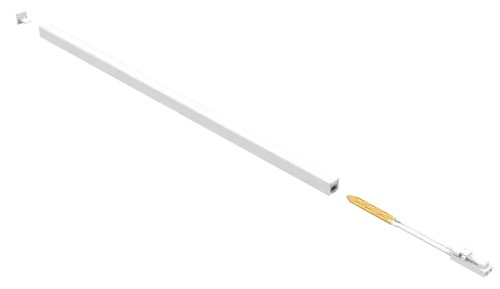
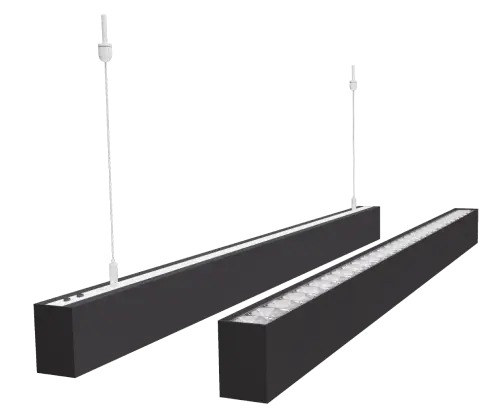
Fixture structure affects integration. Flexible strips follow straight runs and selected curves, while rigid linear fixtures suit applications requiring defined housings. Cabinet lighting may need compact dimensions and discreet connections.
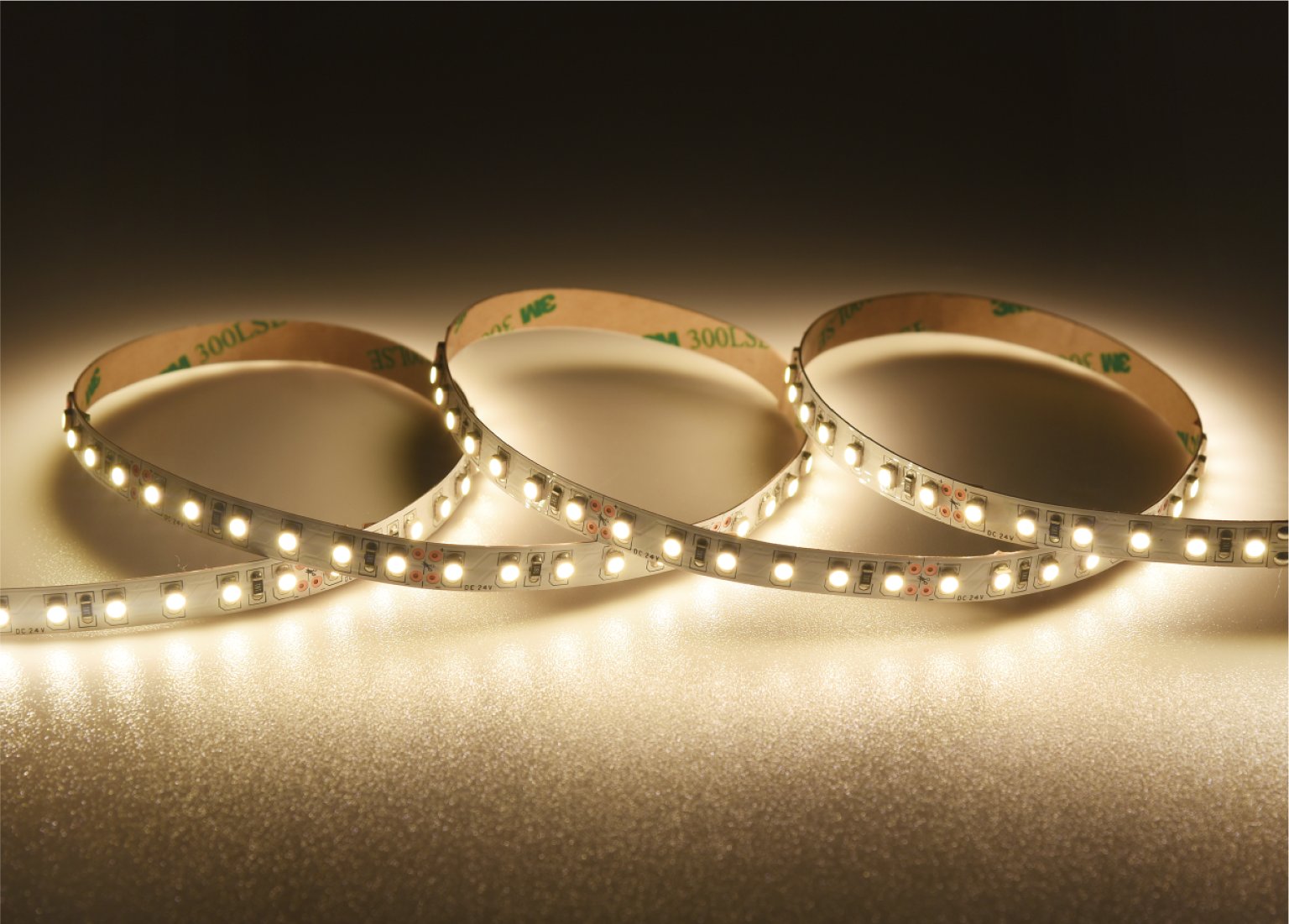
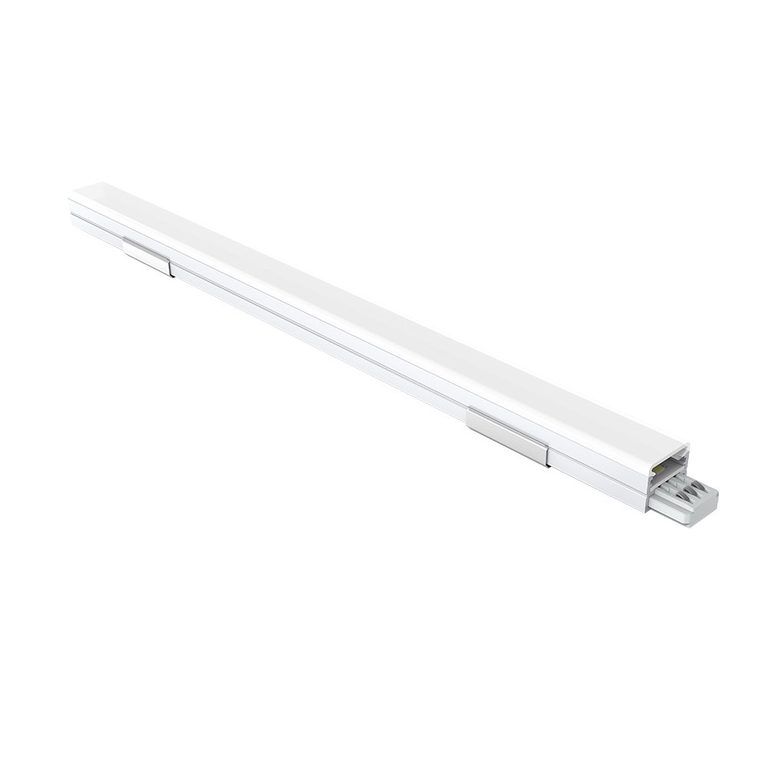
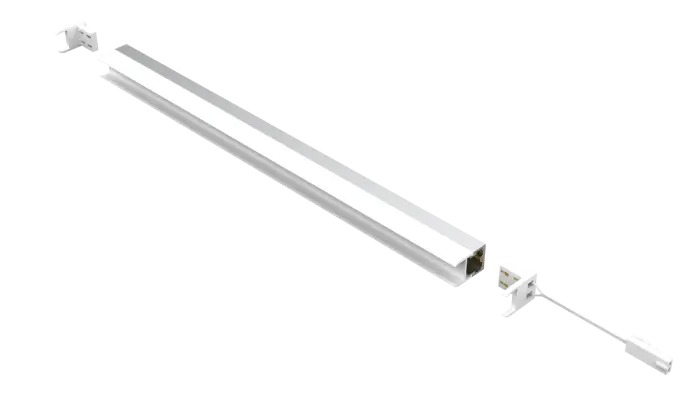
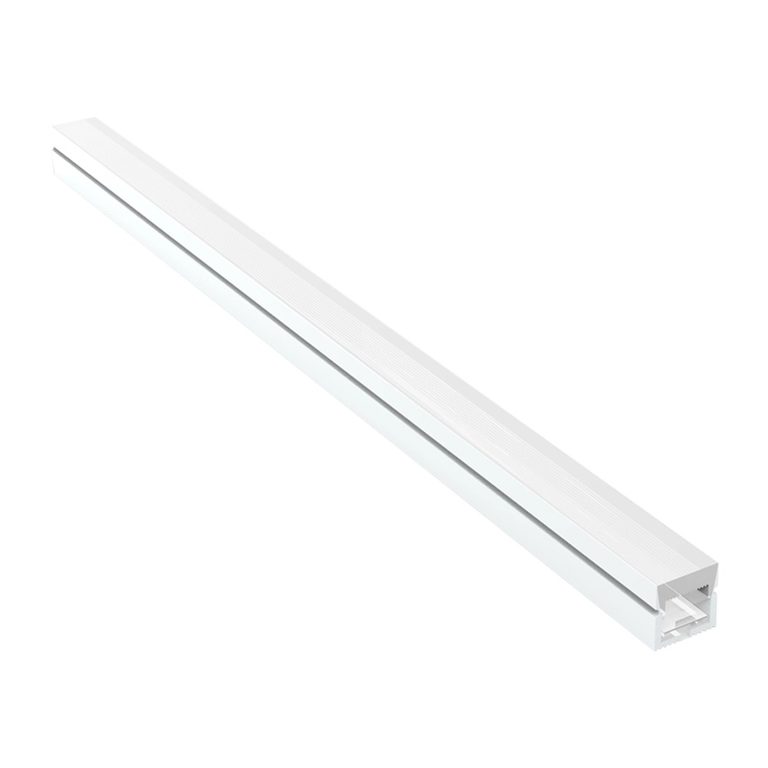
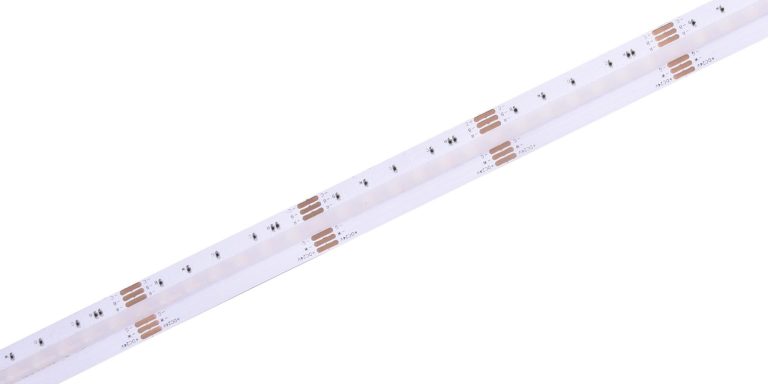
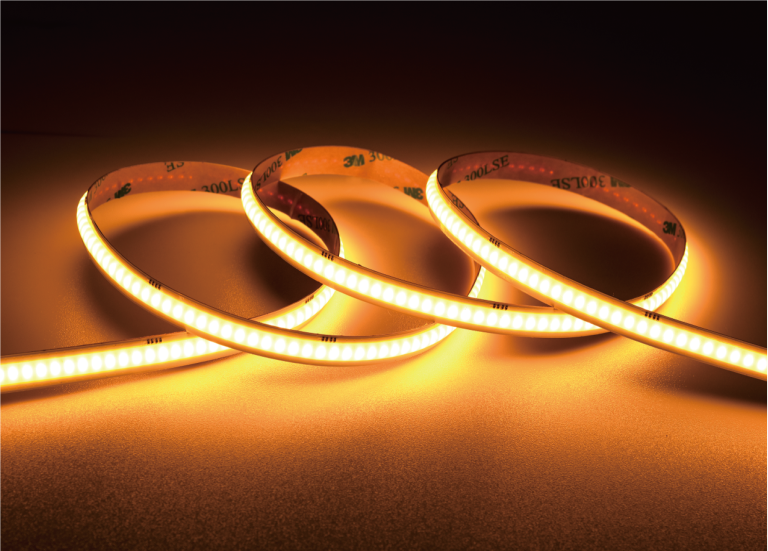
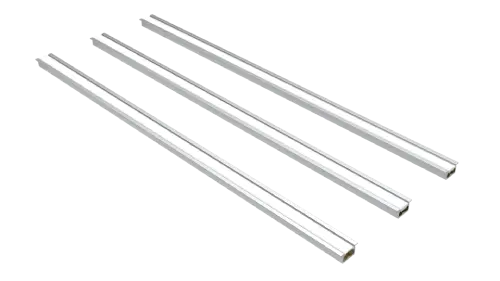
When specifying customizable LED light strips, consider the mounting surface, profile dimensions, bend direction, cable exit, connector position, and maintenance access. For visible installations, assess diffusion and light continuity; for concealed runs, verify that the channel accommodates the complete assembly.
Custom light fixtures may involve changes to housing dimensions, finish, optics, or connections, subject to product feasibility. Reviewing drawings and samples early helps verify manufacturability and fit. The installation method should be discussed at the same time. Adhesive backing, clips, channels, recessed mounting, and surface mounting each create different preparation needs. Buyers should confirm whether accessories are included, supplied separately, or sourced locally, and identify who is responsible for final assembly.
Match Controls and Power Components to the Design
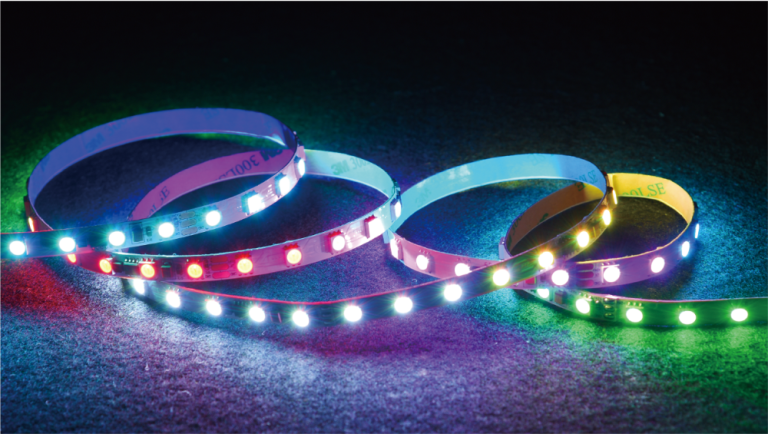
A lighting system includes drivers, dimmers, sensors, controllers, and wiring. Confirm voltage, dimming protocol, control interface, and operating logic before ordering. For multiple zones, define switching arrangements and commissioning responsibility.
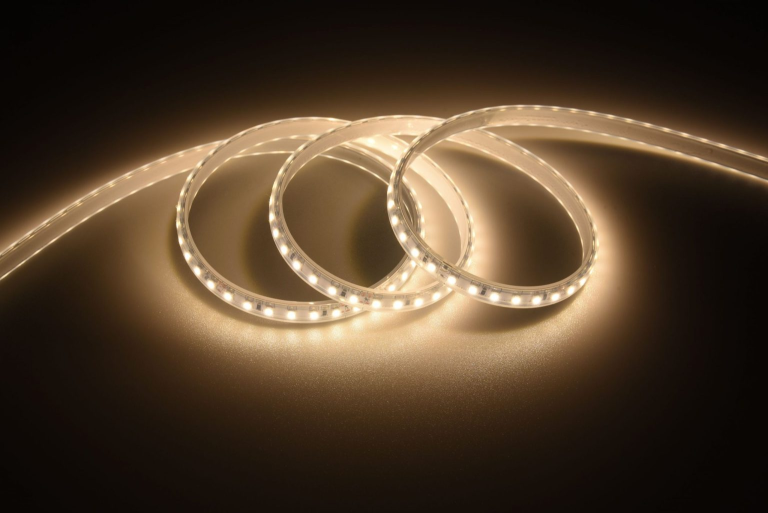
For customizable LED light strips, match the power supply to electrical load and layout. Long runs may need power injection to manage voltage drop. Test control compatibility with the intended driver and controller. If dimming is required, specify the control method and expected dimming range. Confirm whether the project uses wall controls, building management systems, sensors, or a standalone controller. A small compatibility test before bulk purchasing can prevent commissioning delays and unexpected replacement costs.
Evaluate the Supplier’s OEM and Quality Process
Buyers should assess whether a supplier can review requirements, develop drawings, prepare prototypes, manage production, and perform testing. A defined process clarifies responsibilities and approvals.
At LEDIA Lighting, our OEM process covers consultation, design, sample confirmation, mass production, delivery, and after-sales service. We operate more than 20 production lines, with monthly capacity of approximately 1.5 million meters of LED strips and up to 10,000 luminaires. Our R&D and testing capabilities support product development and quality evaluation.
Our laboratory capabilities cover safety, performance, and electromagnetic compatibility. Buyers should identify which tests and records are relevant to the product and target market. Before ordering, confirm quality checks, reports, certifications, lead time, packaging, warranty, and change-control procedures. A certificate for one product family or market should not automatically be treated as approval for every configuration. Confirm that the selected model, driver, accessories, and labeling are covered by the applicable documentation.
Use Samples and Documentation to Reduce Project Risk
A sample lets stakeholders check dimensions, appearance, output, color, connections, and installation before volume production. Test it with the intended driver, controls, mounting surface, and surrounding materials.
Keep the approved sample and specifications as production references. Document and approve later changes to dimensions, components, color, or packaging. For custom light fixtures, this supports consistency across repeat orders.
Turn Project Requirements into a Clear Lighting Specification
Easier selection comes from defining the application, setting performance targets, checking installation constraints, coordinating electrical components, and validating samples.
At LEDIA Lighting, we combine manufacturing, continuous R&D, quality control, and customer support for OEM projects. We work with partners to develop lighting configurations for industrial, commercial, residential, and outdoor environments. Clear specifications help match customizable LED light strips to each project’s practical needs.