A new lighting project often looks straightforward at the quotation stage: choose the required length, confirm the light color, calculate the quantity, and place the order. Dimming changes that process. Once the lighting needs to respond to different scenes or user preferences, the fixture becomes part of a larger control decision.
That is why buying dimmable linear LED light should not begin with a simple question such as “Which dimmable model should we choose?” A better starting point is to define what the project needs to change after installation, how many lighting sections are involved, and how those sections will be controlled.
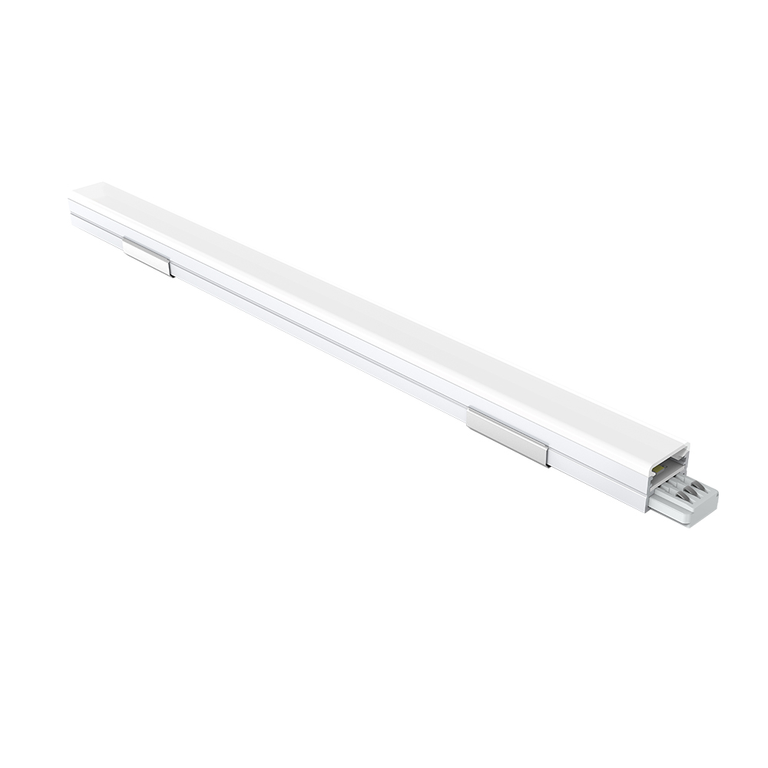
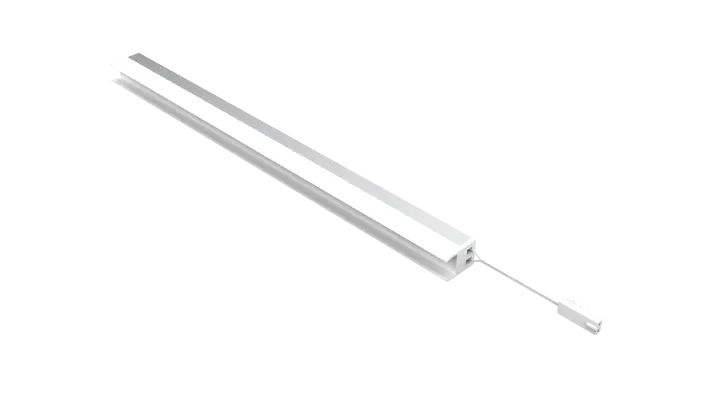
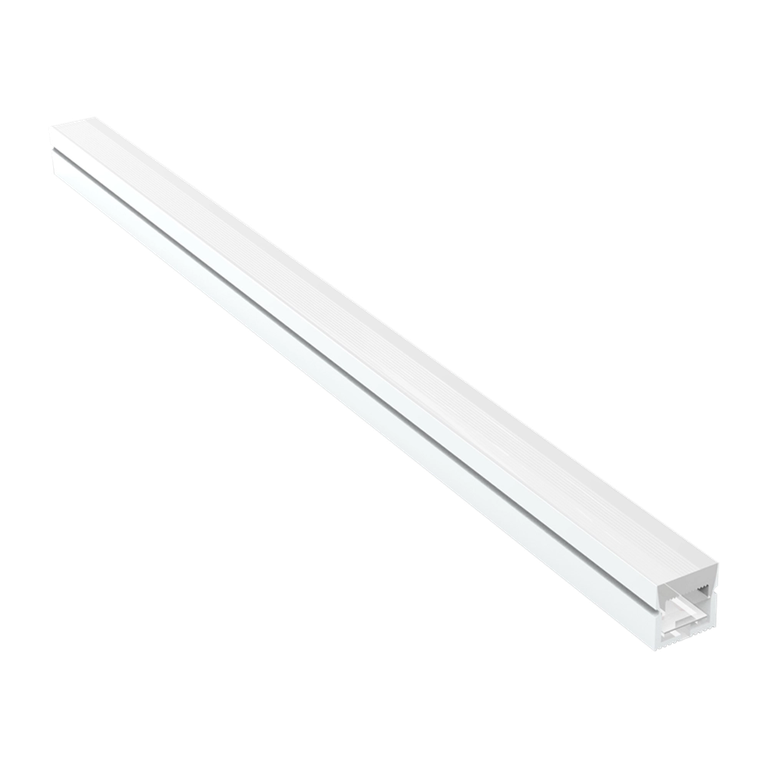
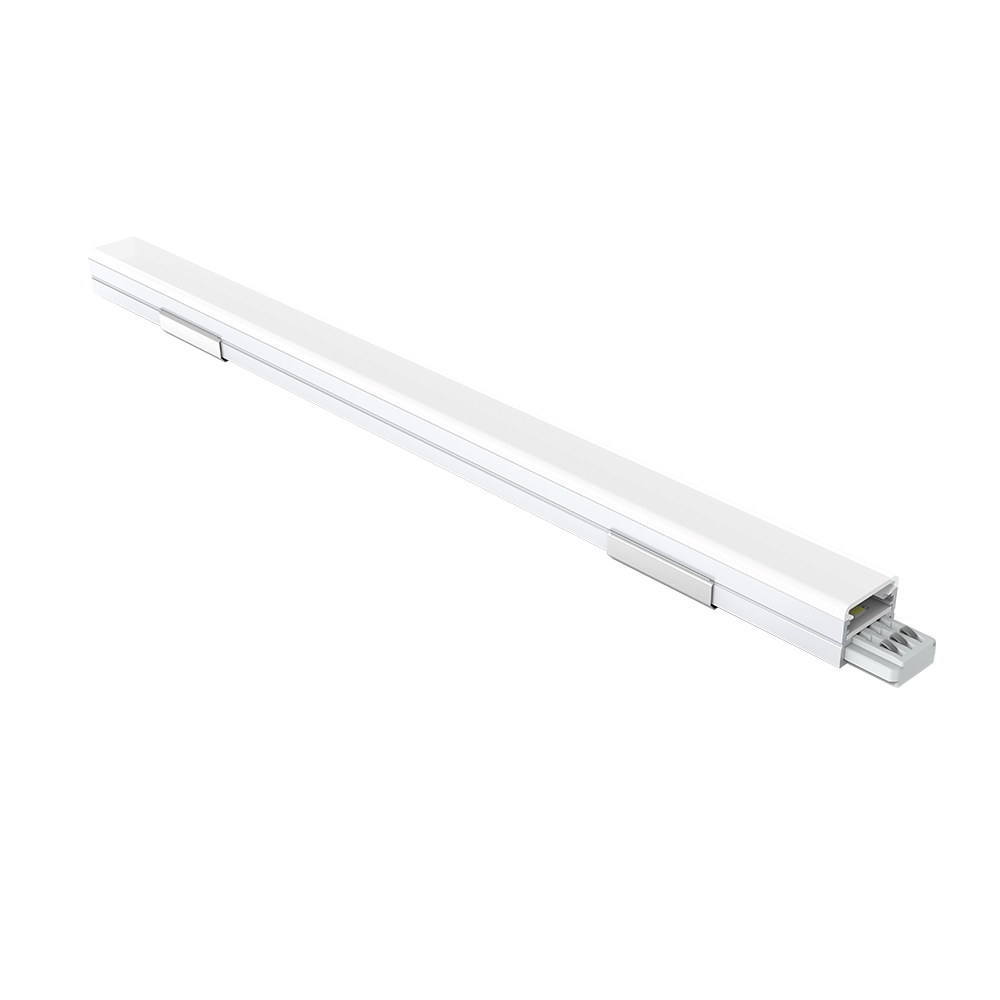
The Needle G02 series from LEDIA Lighting provides a useful example of this project-oriented approach, combining dimming, CCT adjustment, magnetic connection, multiple light-bar sizes, and a slim aluminum housing.
First Decide Why the Project Needs Dimming
Dimming is useful when the same space needs more than one lighting level. That requirement can appear in retail environments, hospitality spaces, showrooms, commercial interiors, or other projects where the lighting scene changes during normal operation.
A buyer should identify that requirement before comparing products. If the project only needs one fixed output, paying for additional control functions may add unnecessary complexity. If the lighting level needs to change regularly, however, the dimming method becomes part of the project specification.
G02 uses Triac dimming and is stated by LEDIA to be compatible with most wall dimmers. This gives the project team a specific control point to verify rather than relying on the general description “dimmable.”
The practical question is therefore simple: who needs to change the light, and how will they change it? A wall-controlled commercial space has different requirements from a project using centralized or scene-based controls.
That answer should be settled before the fixture is approved.
Brightness Is Not the Only Setting Buyers Can Change
A project that needs adjustable brightness may also benefit from adjustable color temperature. These two functions solve different problems and should not be treated as interchangeable.
G02 provides stepless CCT adjustment, allowing users to change the color temperature according to different commercial scenarios. For a new project, that means the specification can address not only how bright the light should be, but also how warm or cool the space should appear.
This can matter in spaces that change purpose throughout the day. A showroom, for example, may want one atmosphere during customer-facing hours and another during preparation or cleaning. A commercial interior may also need more flexibility than a single fixed CCT can provide.
The buyer should therefore decide whether the project requires dimmable LED strip functionality alone or both brightness and CCT adjustment.
That distinction affects the control arrangement. Adding CCT adjustment after the lighting system has already been specified is not the same as selecting a system designed around that function from the beginning.
A New Project May Need More Than One Light Bar
Linear lighting layouts are not always one continuous line. A project may contain different cabinet lengths, display areas, ceiling sections, or architectural details that require separate light bars.
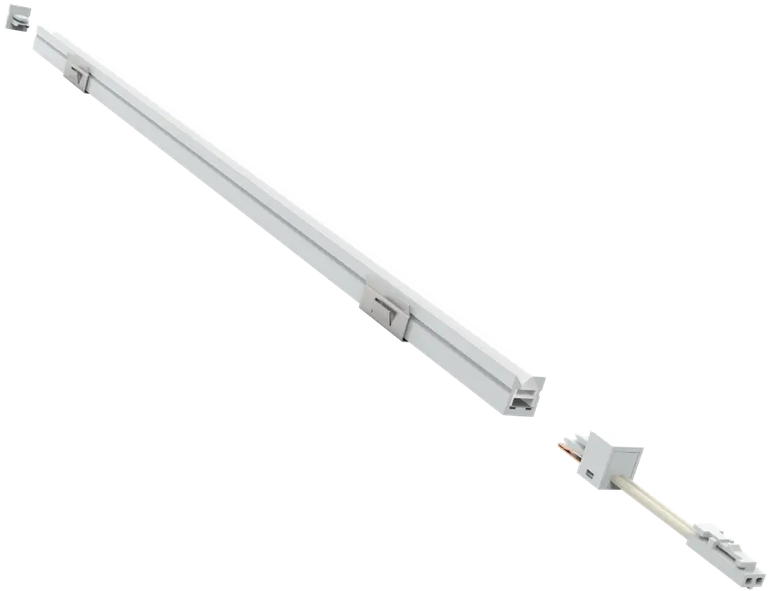
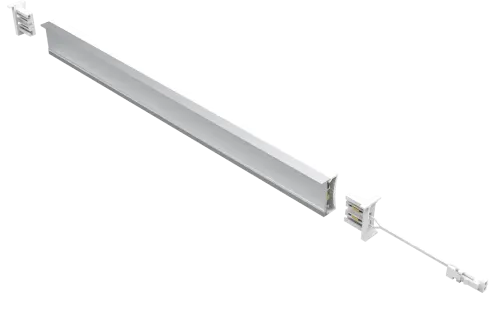
G02 is designed around this type of arrangement. LEDIA specifies multiple sizes of light bars and various connectors, allowing users to create the connections required for their particular layout. The product’s magnetic approach also applies to installation, input, and connection.
For procurement teams, that means quantity should not be calculated from total lighting length alone. The project drawing should first be divided into actual lighting sections.
A simple schedule might identify each section by length, position, connection point, and control requirement. That makes it easier to determine which light bars and connectors are needed before the order is released.
This is particularly relevant when a project has several different dimensions. A lighting system that can accommodate multiple light-bar sizes may reduce the need to force every part of the project into one standard length.
The important point is that connection flexibility should be evaluated from the layout, not from the product catalogue in isolation.
Less Visible Hardware Can Matter in Finished Interiors
A buyer may focus on wattage, CCT, or dimming capability because those specifications are easy to compare. Physical visibility can be harder to quantify, but it can have a major effect on the finished space.
G02 uses an extra-thin design for the light bar, connector, and controller. LEDIA states that the slim construction is intended to provide professional lighting with less visibility of the product itself. Its aluminum housing is also described as supporting heat dissipation.
That becomes relevant when linear lighting is integrated into a visible interior rather than installed as a conventional surface fixture. The less the hardware interrupts the architectural detail, the easier it is for the lighting line to become part of the design.
High color rendering can also matter in commercial interiors. G02 is specified with CRI above Ra90. For buyers, this is another specification that should be considered according to the project’s visual requirements rather than treated as a universal requirement for every installation.
The physical package should therefore be reviewed together: light-bar dimensions, connector size, controller visibility, housing construction, and the intended mounting position.
The Control System Has to Match the Fixture
The final purchasing decision is not complete when the fixture has been selected. The control system still needs to be checked against the product.
G02’s published specification identifies Triac dimming and compatibility with most wall dimmers. It also combines that function with stepless CCT adjustment and magnetic connections.
That combination gives the electrical contractor a clear point for coordination. The dimmer type, power arrangement, CCT control, connection method, and fixture layout should all be reviewed before the project moves into installation.
This is where many “dimmable” specifications become too vague. Two products may both be described as dimmable while requiring different control arrangements. A buyer needs the actual method, not just the feature label.
The same principle applies when comparing a dimmable LED strip with a complete linear lighting system. The light source is only one part of the installation. The control hardware and connection architecture determine whether the intended function can actually be delivered.
For a new project, the purchasing process can stay straightforward if the decisions are made in sequence. First define why dimming is needed. Then determine whether CCT needs to change as well. Break the lighting layout into real sections, check how those sections connect, and confirm how visible the hardware will be once installed.
Finally, make the dimmer and control arrangement part of the approval rather than leaving it to the installation stage.
That is a more useful way to evaluate dimmable linear LED light because the product is being judged against the project’s actual operating requirements.
LEDIA Lighting‘s G02 brings these requirements together in one linear system, with Triac dimming, stepless CCT adjustment, magnetic installation and connections, multiple light-bar sizes, and a slim aluminum design.
For buyers, the main lesson is straightforward: a dimmable linear fixture should not be selected simply because it can dim. It should be selected because its dimming method, adjustment range, connection structure, physical design, and control requirements fit the project that will use it.