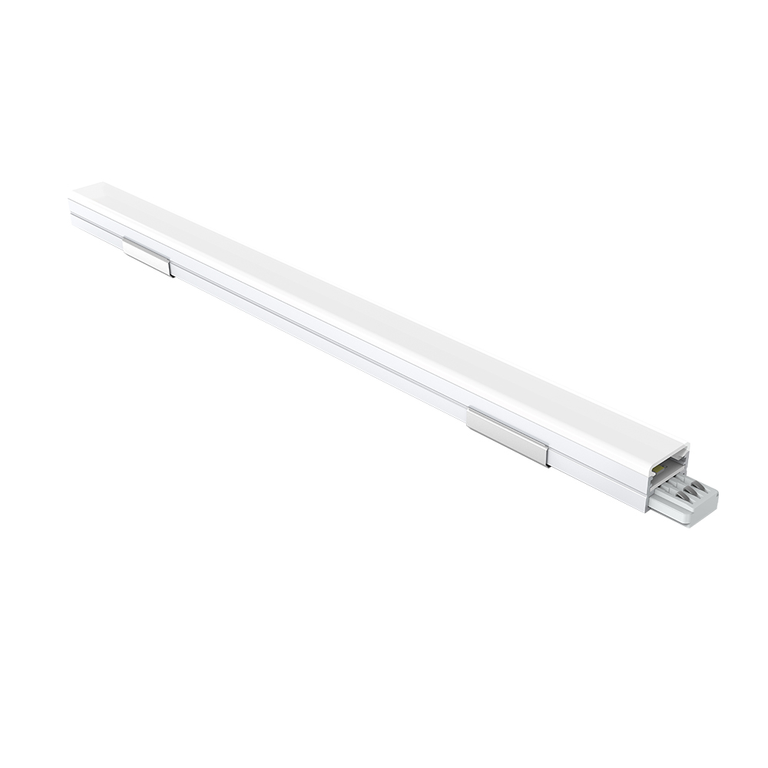
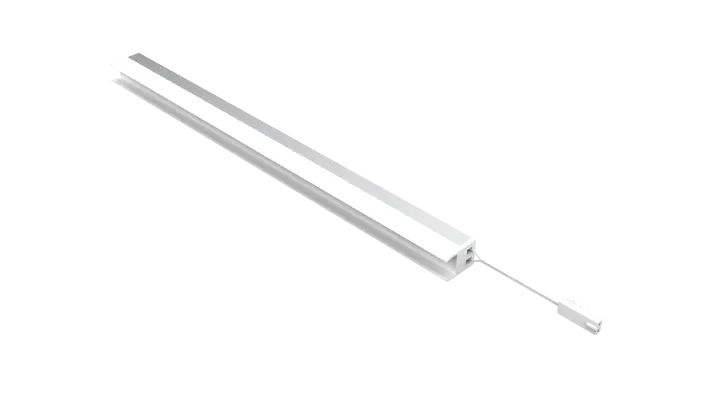
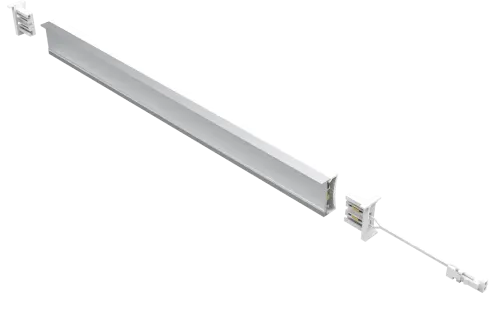
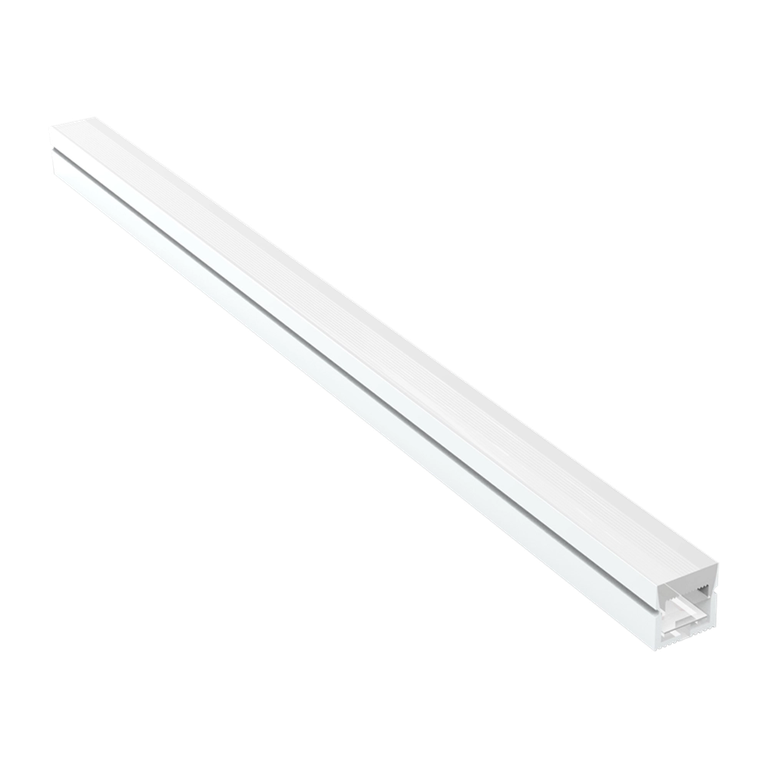
Retail lighting decisions become more complicated once a project extends beyond the customer-facing sales floor. A store may contain stockrooms, receiving areas, service corridors, loading spaces, parking facilities, and other operational zones with very different environmental conditions. For buyers comparing wholesale lighting fixtures, tri-proof linear lighting may therefore deserve consideration for selected parts of the project rather than the entire store.
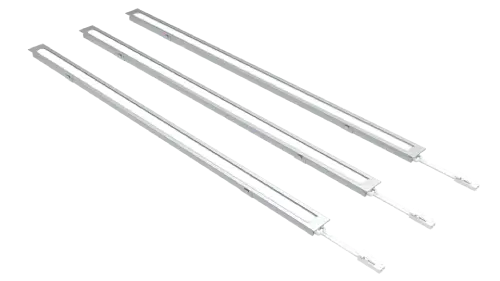
Our evaluation is anchored in project-specific parameters: operational location, environmental stressors, and structural suitability. Such differentiation is essential, given that retail lighting applications entail diverse and non-uniform technical specifications.
Retail Projects Often Contain More Than the Sales Floor
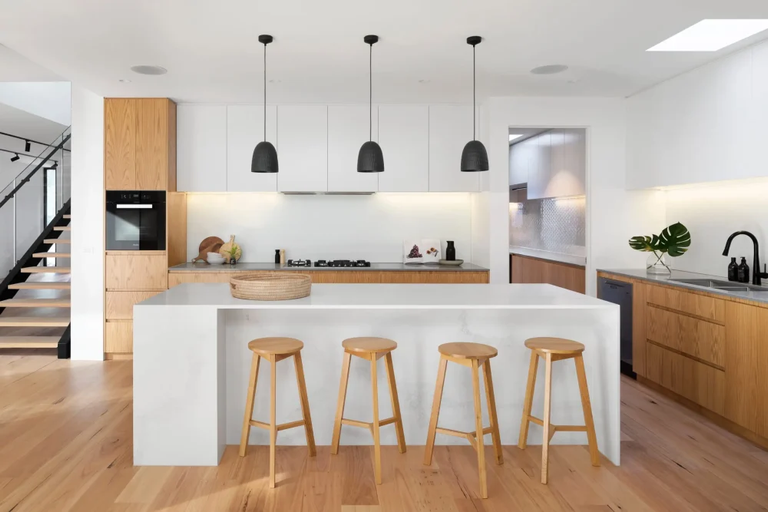
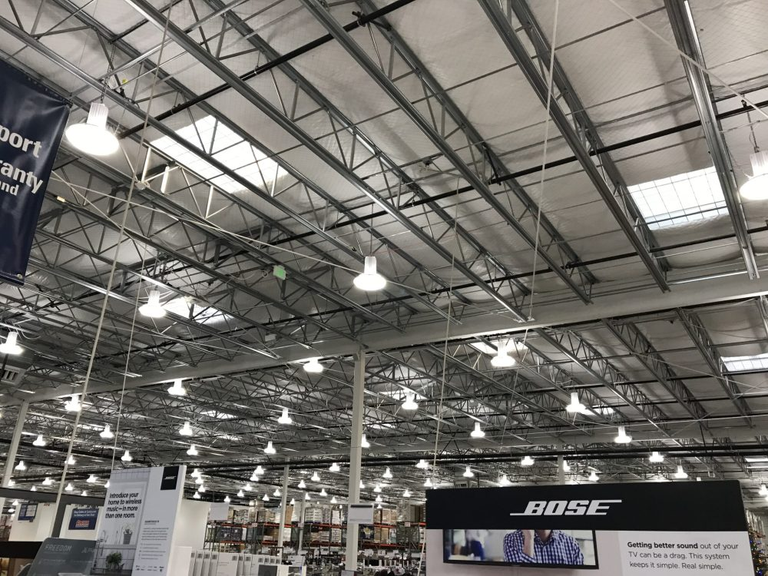
A retail project can combine highly designed customer areas with functional spaces that prioritize durability and practical illumination. Display zones may require carefully controlled visual presentation, while a stockroom may prioritize broad, dependable illumination for routine handling and movement.
That difference changes the fixture decision. A visually prominent shopping area may call for architectural linear lighting, decorative elements, or carefully integrated display illumination. A back-of-house space can have a very different priority, particularly where dust, occasional moisture, impact, or vibration may be present.
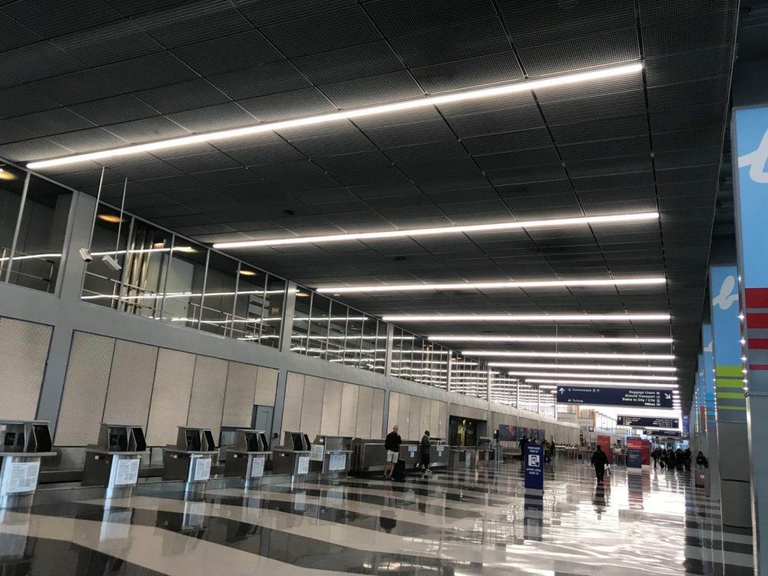
LEDIA Lighting‘s product portfolio includes tri-proof linear fixtures alongside office linear products and linear highbays, reflecting the fact that different commercial spaces call for different fixture types. Its C Series, for example, is positioned for parking lots, garages, warehouses, and underground passages rather than being presented as a universal retail fixture.
Protection Becomes Relevant in Operational Areas
Tri-proof construction becomes more interesting when the retail environment creates conditions that could challenge conventional interior fixtures. LEDIA describes its tri-proof linear lights as waterproof, dustproof, and resistant to impact and vibration, making this fixture category particularly suited to harsher working environments.
That characteristic can influence procurement for areas such as storage and service spaces. Rather than choosing a fixture solely because it looks appropriate in a showroom, a project team can assess the actual environment in which the lighting will operate.
Our C Series provides a useful example of how this thinking translates into a product configuration. The series offers surface-mounted, recessed, and suspended installation options, while its aluminum base is designed for heat dissipation. It also supports On/Off, 0–10V, and DALI dimming options.
Those details do not automatically make a tri-proof fixture suitable for every retail application. They simply give project teams more technical factors to evaluate when environmental conditions and installation requirements become part of the decision.
Fixture Configuration Still Matters to the Project
Protection is only one part of the specification. Retail contractors also have to consider how fixtures will be installed, connected, powered, and maintained after handover.
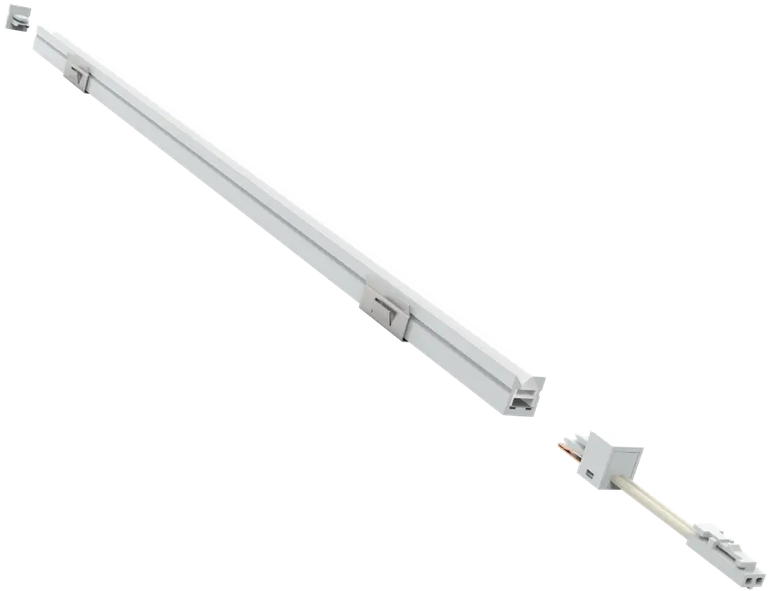
A practical fixture configuration can reduce complications during installation. The C Series, for instance, is available in multiple lengths and wattages and can be linked with connectors, providing options for different project layouts. LEDIA’s published specifications list versions from 24W through 60W, with corresponding lumen outputs from 3,120 lm to 7,800 lm.
Those figures serve merely as initial references to align output and physical configuration with the area’s lighting design, rather than automatic grounds for fixture selection. The project still requires a suitable layout, mounting arrangement, electrical design, and control strategy.
Buyers also need to distinguish between purchasing a fixture for a defined project and simply sourcing wholesale lighting fixtures for general resale. Project procurement places greater emphasis on repeatability, specification consistency, compatibility, and whether the selected model can be supplied in the required configuration.
Where Tri-Proof Fixtures Fit—and Where They Do Not
A useful retail lighting strategy does not mean installing one fixture type everywhere. Tri-proof products make the most sense where their protective construction addresses an actual environmental requirement.
Consider a store with a polished sales floor, enclosed stockroom, receiving zone, and covered parking area. The sales floor might benefit from visually integrated linear lighting, while the stockroom and parking area could justify a more robust fixture approach.
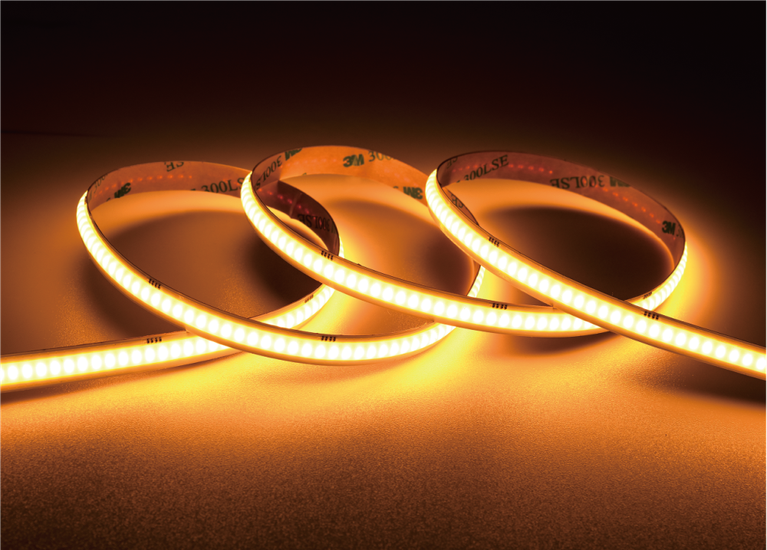
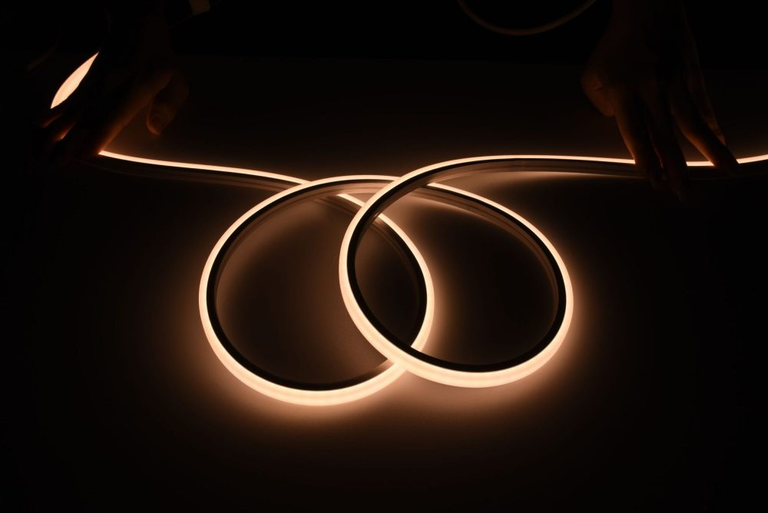
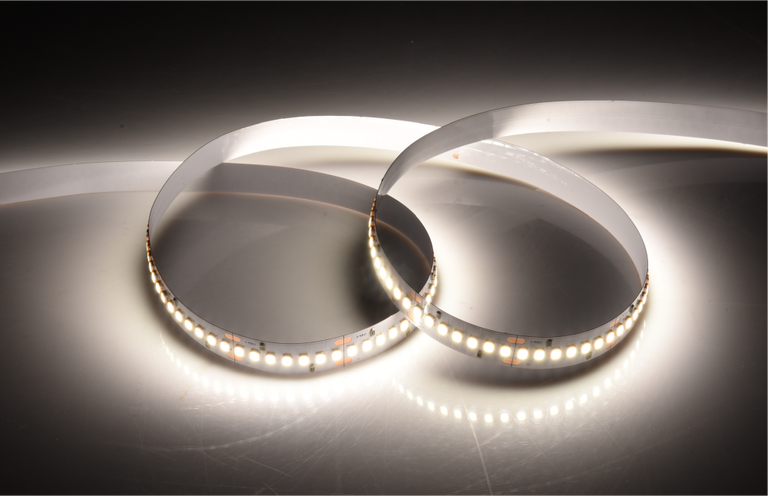
Retail display lighting can also require different optical priorities. LEDIA’s retail-related work describes linear strip solutions integrated into shelving, display walls, ceiling lines, and aisle structures, where uniform product illumination and flexible installation are important.
That is why we would avoid describing tri-proof lighting as inherently better than other retail fixtures. Its value depends on where it is installed and what problem it is expected to solve.
A Project-Based Selection Makes More Sense Than a Store-Wide Rule
The strongest purchasing decision usually begins with zoning the retail project. Each area can then be evaluated according to environmental exposure, mounting conditions, required illumination, controls, appearance, and maintenance expectations.
For distributors, this approach also creates a clearer way to discuss products with contractors and developers. Instead of presenting a fixture as a generic retail solution, the conversation can focus on the specific location and operating conditions.
LEDIA Lighting supports multiple linear categories, including tri-proof fixtures, office linear products, highbays, and flexible strip systems like free cut LED strip, allowing the product choice to follow the project rather than forcing every area into one lighting format.
We see tri-proof lighting as a targeted option within a broader retail lighting strategy. Where operational areas face dust, moisture, impact, or other demanding conditions, its construction can justify consideration. Where appearance, display integration, or architectural coordination dominate, another fixture category may be more appropriate.
For buyers evaluating wholesale lighting fixtures, the practical question is therefore not whether tri-proof lighting is suitable for retail in general. The better question is where its environmental protection, installation flexibility, and available configurations provide a meaningful advantage within the individual project. That project-specific approach produces a more defensible specification and avoids paying for characteristics that a particular retail zone does not actually require.