Lighting plans often change between the first drawing and the final installation. A workstation layout may be revised, a reception area may expand, or a ceiling coordination issue may force a lighting line to move. For project buyers, that creates a practical question: which fixture type can support those changes without making the entire lighting plan harder to manage?
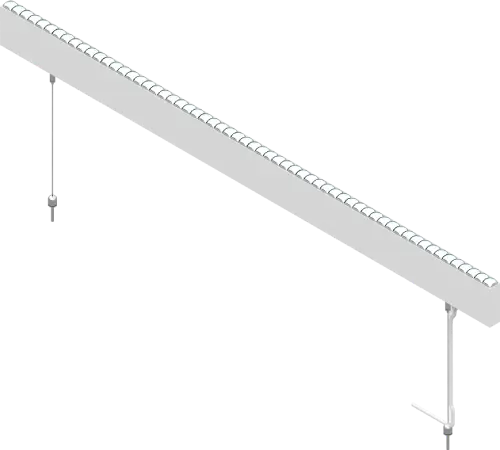
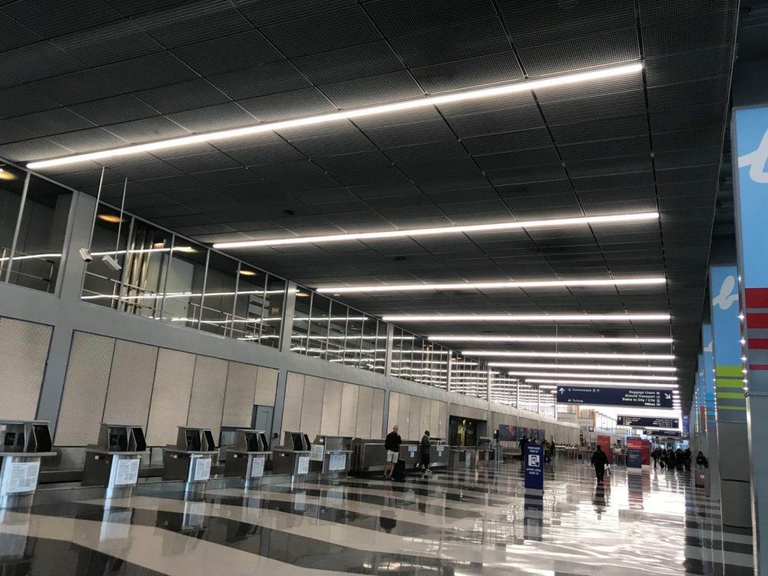
Linear lighting is often considered at this stage because its long, directional form can follow architectural lines and functional zones. Rather than treating every fixture as an isolated point, the project can use continuous or repeated lines to organize larger areas. That makes the format particularly relevant when flexibility matters as much as appearance.
Designing from the Space Out: Flexible Linear Formats
A lighting plan becomes easier to adjust when the fixture arrangement follows the space’s organization. Rows of desks, circulation routes, counters, display areas, and architectural features can each establish a natural direction for a lighting line.
The decision is therefore less about how many fixtures fit into a room and more about where the lighting axis belongs. Once that axis is established, fixture length and quantity can be developed around the actual geometry.
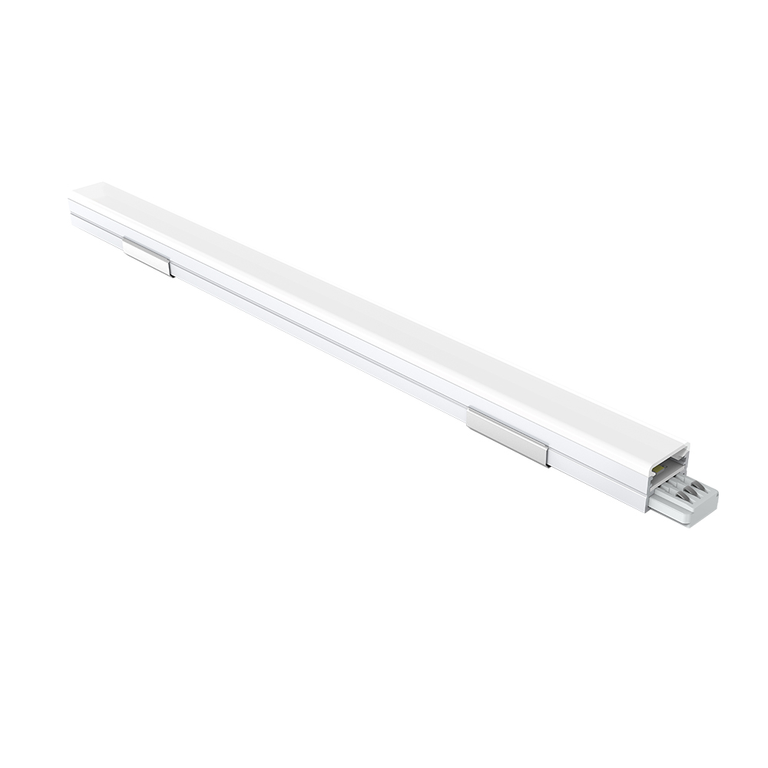
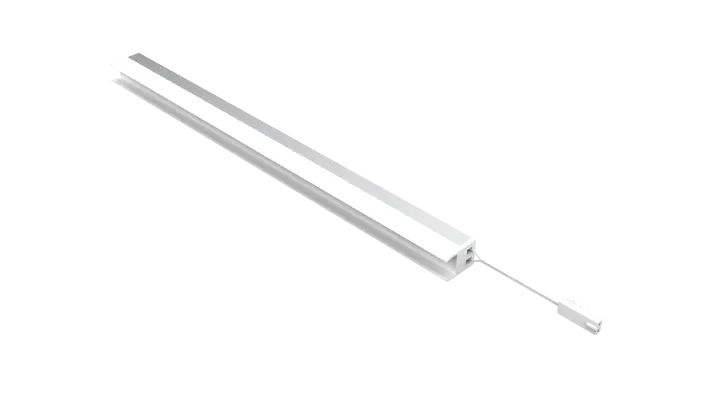
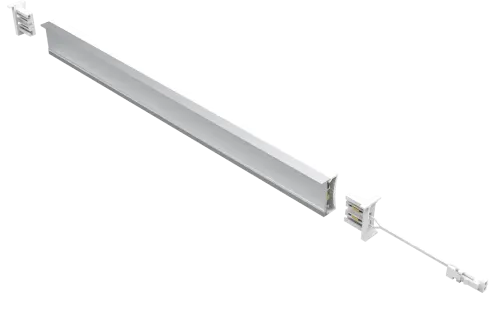
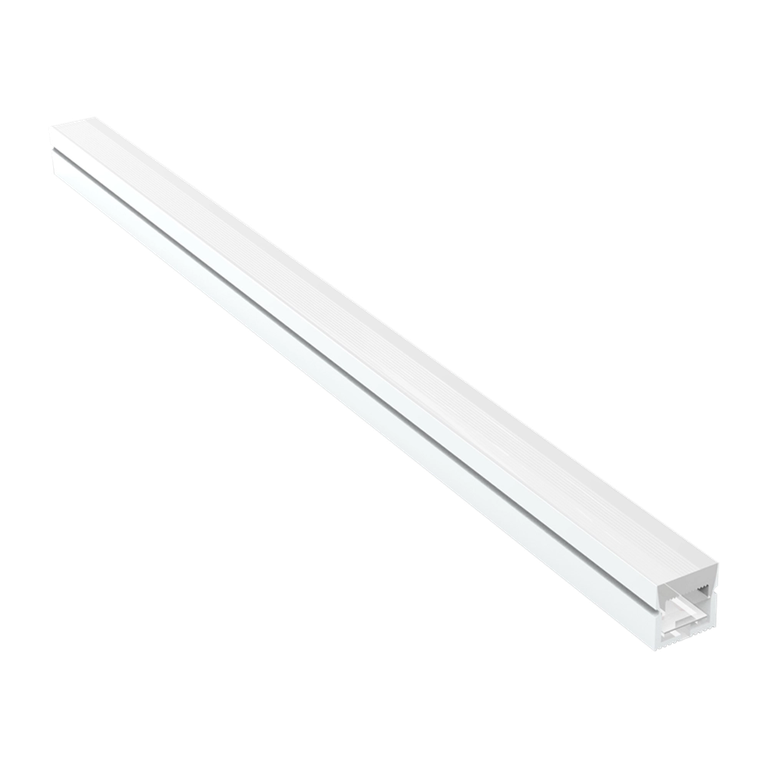
LEDIA Lighting offers several linear fixture formats for different mounting conditions, including surface-mounted, recessed, and suspended options.
That range gives project teams more freedom to match the lighting arrangement to the ceiling rather than forcing the ceiling plan to accommodate one fixed product.
Let Different Zones Have Different Linear Arrangements
Flexibility becomes more useful when one building contains several types of spaces. An open office may need parallel lighting lines, while reception, circulation, or retail areas may call for a different direction or spacing.
A single lighting strategy does not necessarily need to control the entire project. Separate zones can use different line lengths and orientations while still maintaining a coherent visual language.
LEDIA Lighting’s linear lighting guidance identifies offices, retail stores, hospitality spaces, educational facilities, and industrial environments among possible applications.
For buyers, that means the specification can be divided by area instead of treating the entire project as one uniform lighting order.
Use Suspension When the Ceiling Is Not the Best Reference
Ceiling height can change the way a linear fixture works within a space. In a high-ceilinged office, showroom, or open commercial area, mounting directly against the ceiling may place the light farther from the working or visual zone than intended.
A suspended linear LED fixture creates another reference level below the ceiling. The suspension height can become part of the spatial composition, helping the lighting line relate more directly to furniture, work areas, counters, or other architectural elements.
Suspended linear products are included within LEDIA Lighting’s commercial linear-lighting range, alongside other mounting formats.
This makes suspension particularly useful when the project requires the lighting plane to be considered separately from the structural ceiling.
Follow Repetition Where the Architecture Already Repeats
Long commercial spaces often contain their own visual rhythm. Structural bays, workstation rows, shelving, corridors, or repeated architectural elements can provide a natural framework for linear lighting.
A linear light fixture can reinforce that rhythm without requiring a completely independent lighting composition for every section. Repetition becomes part of the design rather than something that has to be hidden.
For large projects, the same principle can also simplify planning. Once a typical zone has been established, similar areas can follow a comparable arrangement while unusual spaces receive their own configuration.
Leave Room for the Drawing to Change
Flexibility does not mean ignoring coordination. It means creating a lighting arrangement that can absorb reasonable changes without losing its overall logic.
Ceiling services, access panels, structural members, air-conditioning equipment, and other building systems can all affect the final position of a fixture. A lighting line drawn without considering these elements may need extensive revision during construction.
Project planning guidance from LEDIA Lighting also emphasizes considering the actual application scenario and installation conditions when selecting LED lighting for a project.
That makes early coordination valuable. The lighting line can remain visually consistent even when individual positions need to move.
Match The Product Family To The Project Zone
“Linear” describes the form, but it does not define the complete product specification. Different project areas may require different fixture families, mounting methods, electrical configurations, or environmental characteristics.
The current LEDIA Lighting product portfolio includes office linear lighting as well as other linear product categories, so selection can be made according to the environment and installation requirement rather than appearance alone.
A project buyer comparing products should therefore look beyond length and finish. Mounting type, wattage, light output, CCT, control method, and connection requirements may all affect whether a particular model belongs in the approved specification.
Keep Suspended Runs Coordinated With What Is Below
Suspended lighting introduces another planning relationship: the fixture is no longer connected visually only to the ceiling. Its position also needs to work with the objects and activities beneath it.
Desk layouts, meeting tables, reception counters, circulation paths, and display elements can all influence the preferred location of a suspended linear LED fixture. Moving the fixture a small distance may change how effectively the lighting line relates to the space below.
That relationship is particularly important in areas where furniture layouts are likely to change. A well-planned line should support the room’s function without becoming tied too closely to one temporary furniture arrangement.
Make The Flexible Plan Specific Before Procurement
Flexibility belongs in the design stage; procurement still needs precision. Once the preferred arrangement has been approved, the order should clearly identify fixture family, dimensions, mounting method, electrical specification, CCT, control requirements, and quantity.
For a suspended linear LED fixture, the suspension method and intended installation position should also be confirmed before production. Leaving those details open can create unnecessary coordination work after delivery.
The same principle applies to every linear light fixture selected for a project. A flexible plan should allow different arrangements between zones, but each individual product configuration should remain clearly defined.
Choose A Linear System That Can Adapt With The Project
The strongest reason to consider linear lighting is not simply its clean appearance. Its geometry can give a project a repeatable framework while still allowing different areas to use different lengths, directions, mounting heights, and arrangements.
That flexibility becomes especially valuable when commercial projects evolve during design and construction. LEDIA Lighting provides multiple linear fixture formats that can be assessed according to the project’s spatial and installation requirements.
Avoid the trap of selecting a product first and forcing your lighting layout around it. A more effective approach is to assess the architectural spaces, trace out the target lighting lines, and determine the appropriate fixture setup second. This methodical order leaves plenty of breathing room for design adjustments while keeping procurement structured and exact.