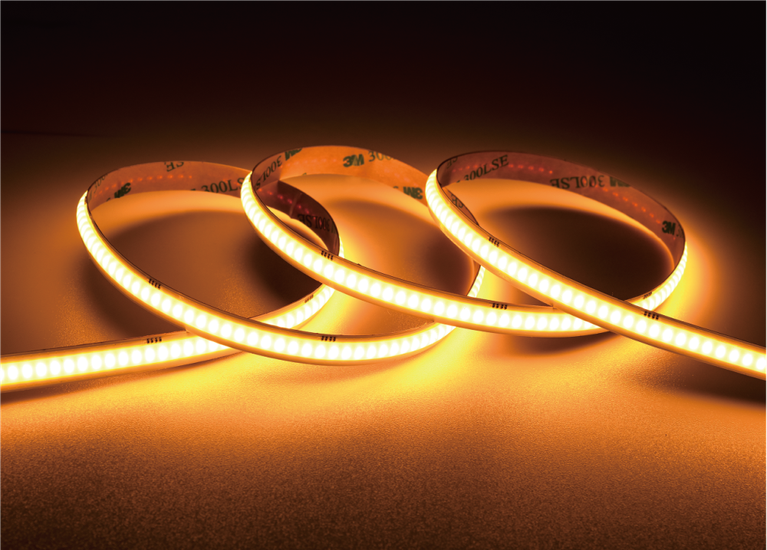
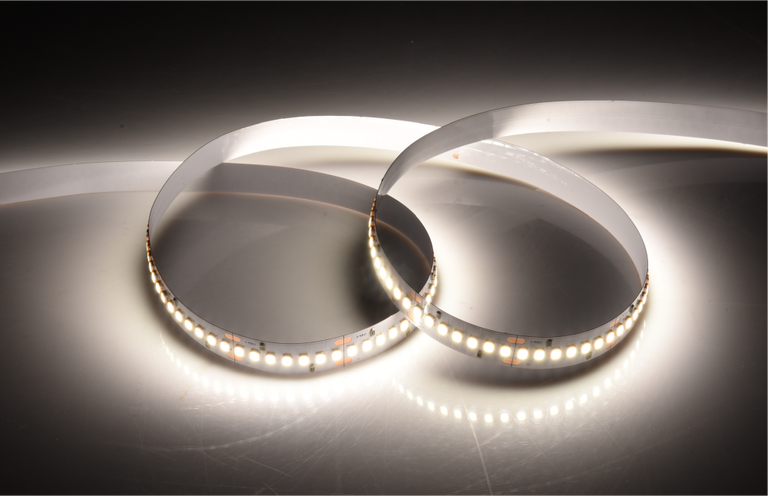
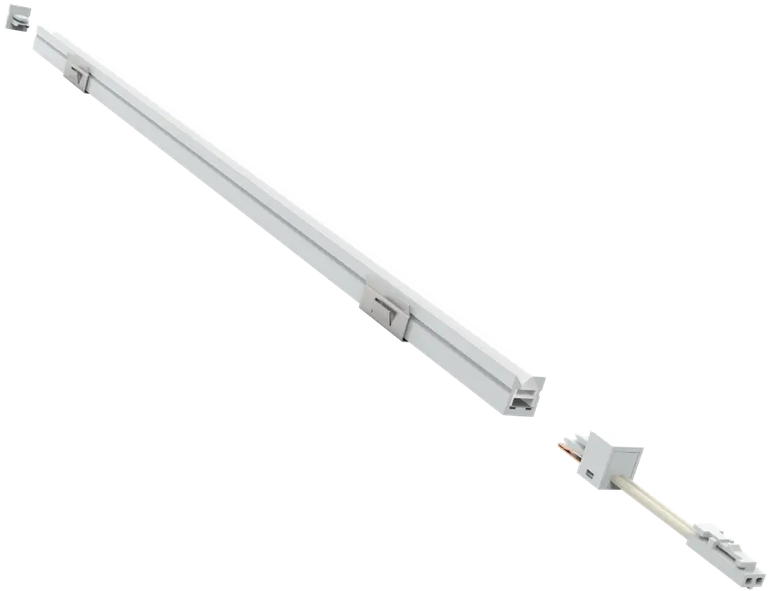
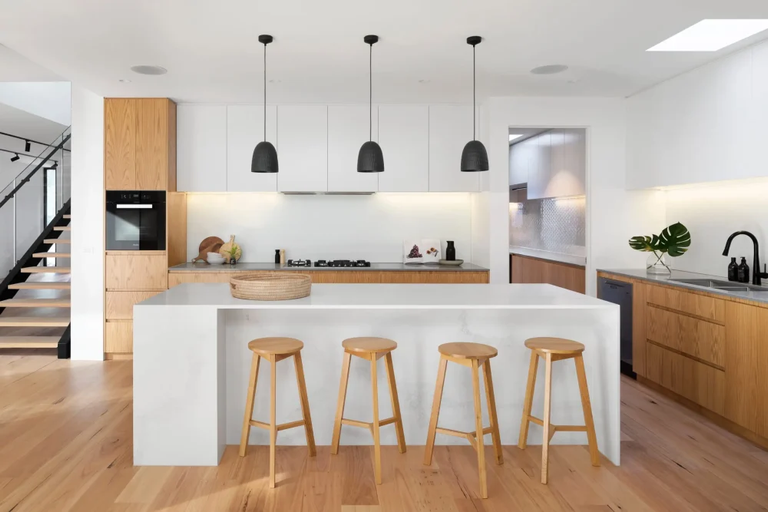
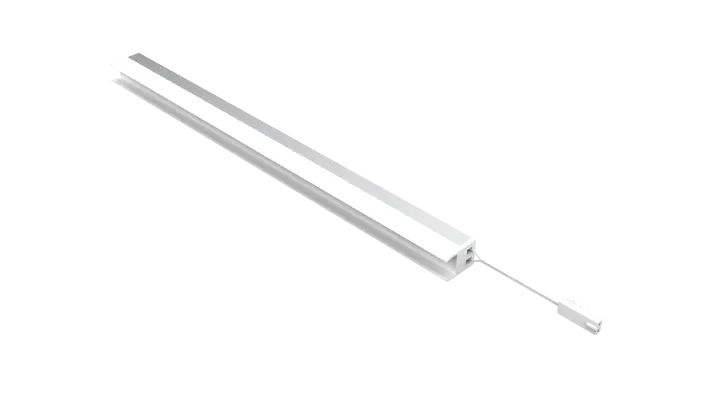
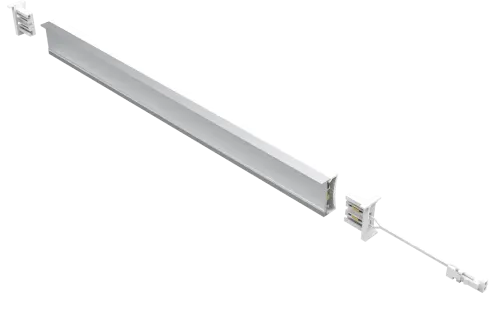
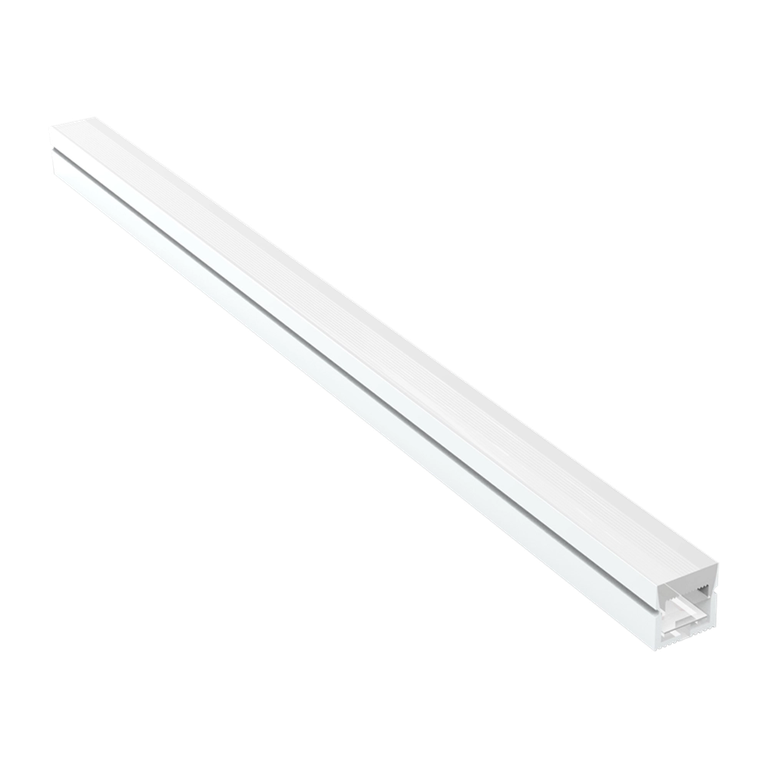
A buyer sourcing lighting for a single room can often select a standard product from a catalog. A large installation is different. Lengths, mounting conditions, electrical layouts, control requirements, environmental exposure, and visual targets can vary across the same project. That is why LED strip light projects are often evaluated as complete lighting requirements rather than simple product purchases.

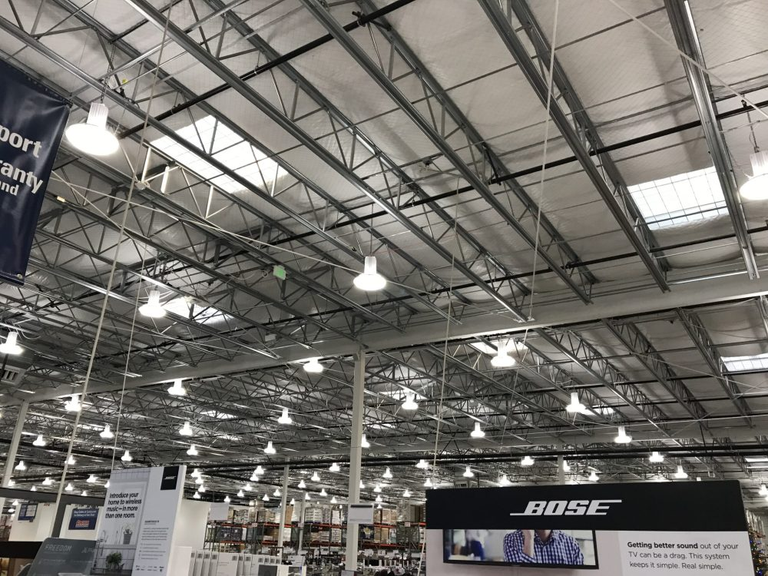
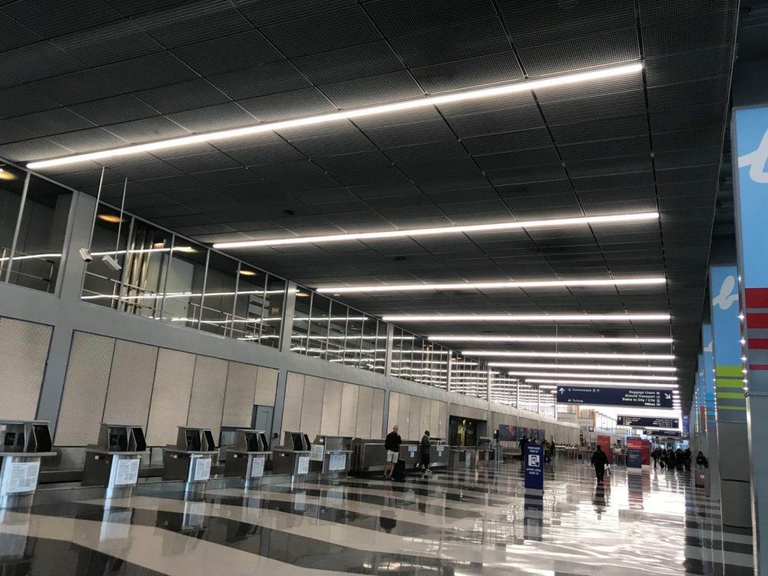
From our perspective, the purchasing decision becomes less about finding a strip with attractive specifications and more about reducing uncertainty between design, manufacturing, delivery, and installation. Our reference cases show projects spanning supermarkets, stations, warehouses, parking areas, and other commercial or public environments, illustrating how project conditions influence lighting choices.
Why Project Requirements Change the Buying Decision
Project buyers rarely purchase lighting in isolation. A contractor may need a particular installation structure, while an engineering manager may be concerned with consistency across multiple areas. A developer, meanwhile, may need the lighting system to follow an architectural concept without creating unnecessary installation complications.
That changes the role of the supplier. Instead of simply shipping a standard reel, the supplier may need to understand the intended application, required configuration, installation environment, and control arrangement before recommending a solution.
We see this distinction particularly clearly in public infrastructure lighting. Roads, stations, parking facilities, and other public environments can impose requirements that differ substantially from those found in interior decorative installations. LEDIA Lighting’s reference cases include station, parking, and other public-lighting examples, demonstrating the range of environments in which project-oriented lighting is evaluated.
Engineering Starts Before the Product Is Ordered
A successful project usually begins with information rather than a purchase order. Lighting teams need to understand where the strip will be installed, how sections will connect, how power will be distributed, and what physical conditions the product will encounter.
Installation predictability matters because problems discovered on site can affect labor, scheduling, and coordination with other trades. We therefore look at the lighting system as part of the installation workflow rather than treating the LED strip as an isolated component.
Our engineering approach includes concept and blueprint design, modeling, prototyping, assembly, and testing before approved products are shipped. That sequence reflects an important reality for project buyers: a product can appear suitable on paper while still requiring engineering attention before it becomes practical to install.
Customization Reduces Gaps Between Design and Installation
Standard products are useful when project conditions are standardized. Large commercial installations are often less predictable. A designer may require a particular form factor or light distribution, while an installer may need the product to fit a defined physical structure.
Customization can bridge that gap. Depending on the project, buyers may discuss structural design, color temperature, waterproofing requirements, control integration, or other configuration details with the manufacturer. LEDIA Lighting‘s documented OEM workflow includes design, resource sourcing, prototyping, assembly, and testing, giving project teams a defined path from concept toward production.
For LED strip light projects, this matters because a small mismatch can become significant when repeated across a long installation. Consistent product configuration, connection planning, and controlled production can make the final installation easier to coordinate.
The same principle applies to public infrastructure lighting, where lighting may need to operate within larger architectural or infrastructure systems. Our public-lighting work covers environments such as streets, educational facilities, health facilities, and museums, each presenting different functional and environmental requirements.
Reference Projects Give Buyers Something Concrete to Evaluate
Technical documents tell buyers what a product is designed to do. Reference projects show how a supplier approaches real installations.
That distinction can be valuable during supplier evaluation. A buyer can examine whether the manufacturer’s experience is relevant to the scale and type of project being planned. A supermarket installation, for example, demonstrates a different project context from a station or parking facility.
To help clients see what we can truly do, we share real project experience rather than just product lists. Our case library highlights how our linear lighting performs in demanding spaces like supermarkets, stations, warehouses, and parking areas.
For procurement teams, relevant references can also provide a useful starting point for technical discussions. Questions about installation, customization, environmental conditions, and production coordination become easier to frame when the supplier has experience with comparable project scenarios.
The Real Buying Question Is Project Fit
Buyers often begin by asking which LED strip is best. For project procurement, a more useful question is whether the lighting solution fits the actual project.
That means evaluating the complete path from requirement definition to installation. Product construction matters, but so do engineering communication, customization capability, manufacturing control, testing, and the supplier’s experience with comparable environments.
We view this through the lens of project fit. We are here not just to provide hardware, but to ensure our product development speaks directly to the real-world conditions your project demands.
For buyers comparing suppliers, that distinction can simplify the evaluation. A supplier with relevant project experience, a defined customization process, and evidence from comparable installations can provide more useful input than a catalog alone.Project-based purchasing makes sense because commercial lighting rarely exists in a vacuum. The right choice is the one that fits the physical environment, installation workflow, design requirements, and procurement expectations at the same time. For LED strip light projects, that broader fit is often what turns a lighting product into a workable project solution.