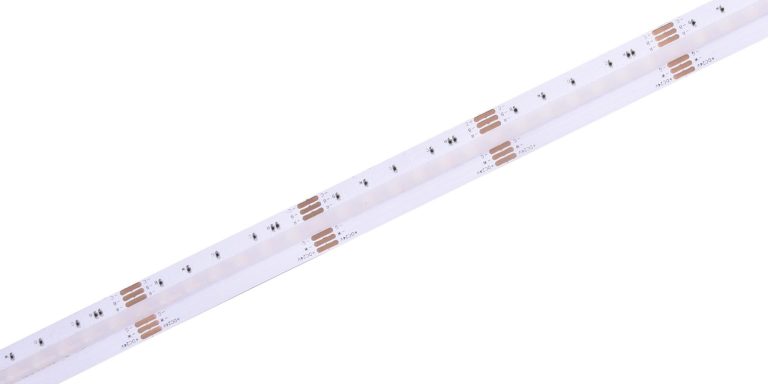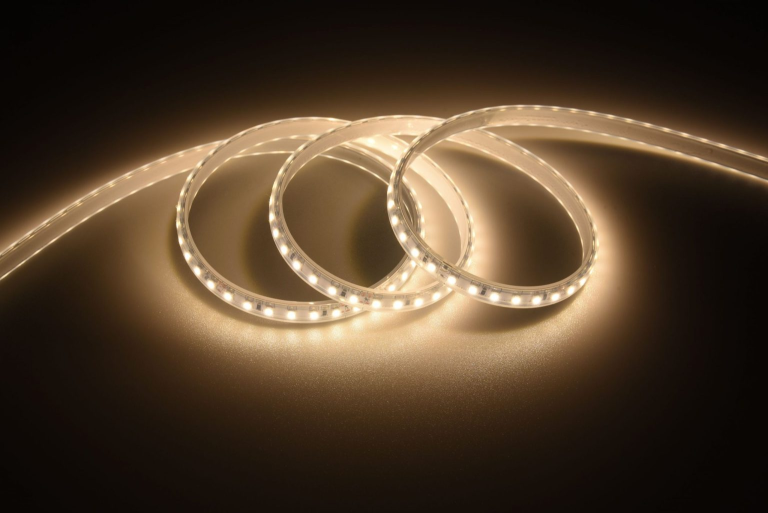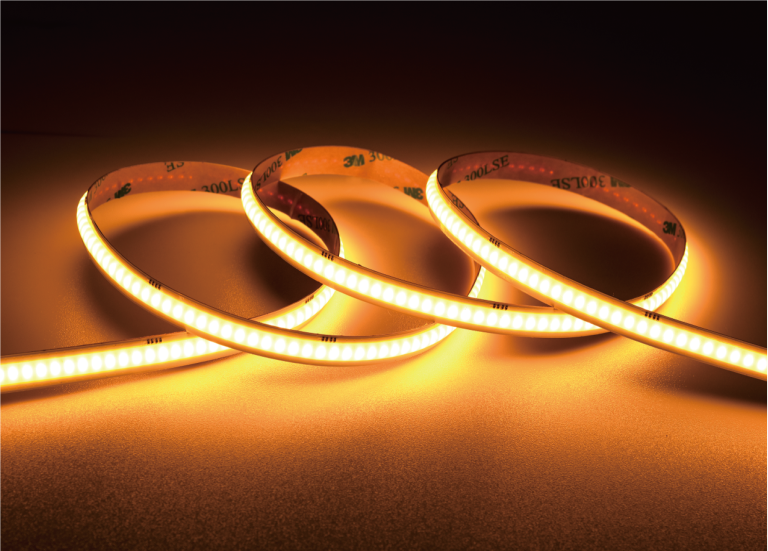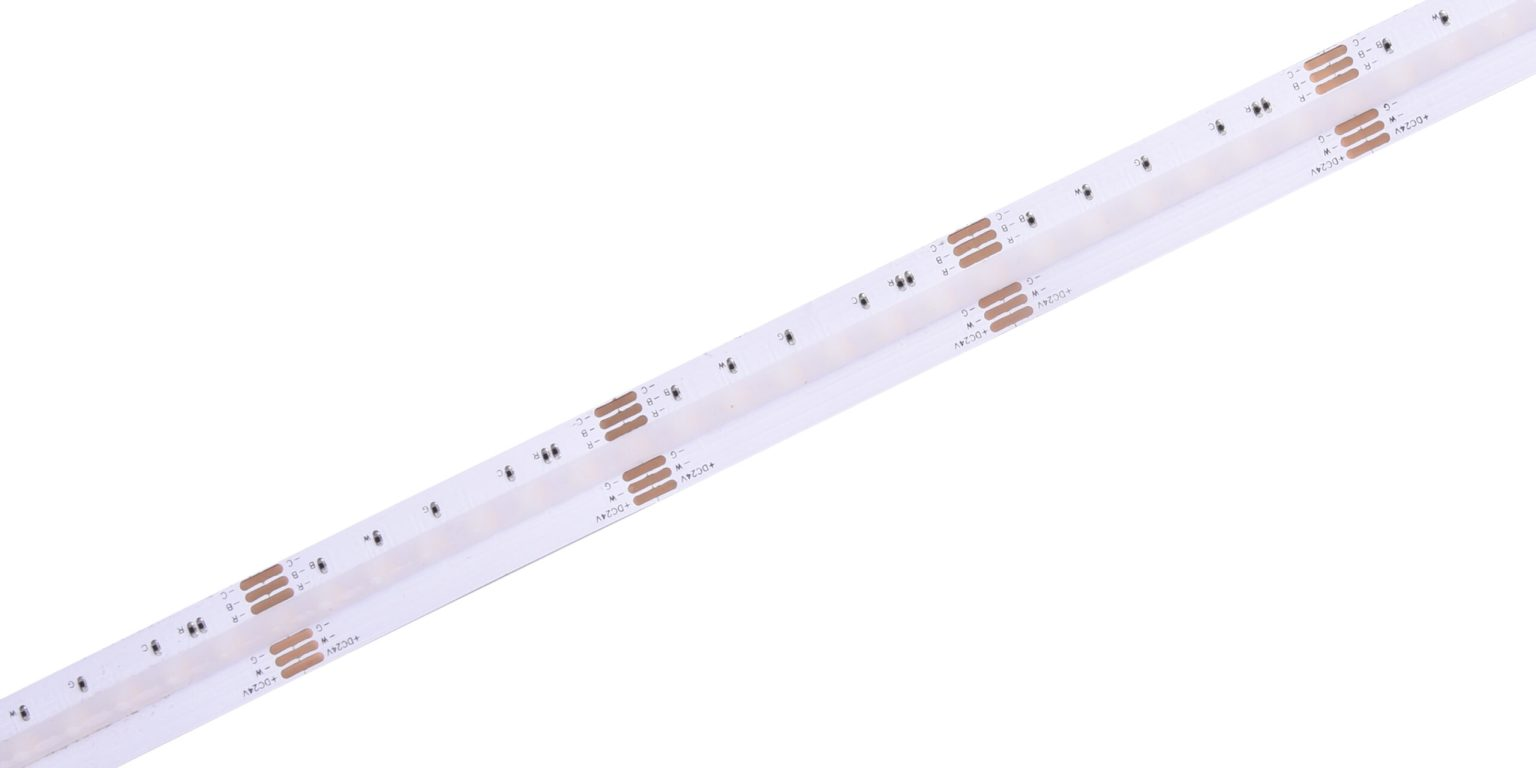
Lighting buyers increasingly need solutions that balance appearance, installation flexibility, environmental resistance, and predictable performance. That is why a silicone LED strip light can be attractive for architectural, signage, retail, and landscape projects. Silicone can offer long-term flexibility, moisture resistance, and weather resistance, while continuous illumination helps create clean visual lines. For project buyers, these characteristics can simplify specification decisions when conventional rigid fixtures are difficult to position.
Material Performance Supports Long-Term Use
Silicone is valued for more than its soft appearance. Dow notes that silicone materials combine moisture and temperature resistance with long-term elasticity, pliability, and weather resistance, including resistance to ultraviolet radiation. These properties are relevant when lighting must follow curved surfaces or remain exposed to changing environmental conditions.
For buyers, material selection should therefore be connected to the installation environment. Indoor coves may prioritize flexibility and visual uniformity, while outdoor façades, borders, or signage may require stronger protection against water and weather. A silicone LED strip light can address several of these requirements when its complete construction and protection rating match the project conditions. This makes material and enclosure choices important during early-stage procurement.
Continuous Light Creates Cleaner Visual Lines
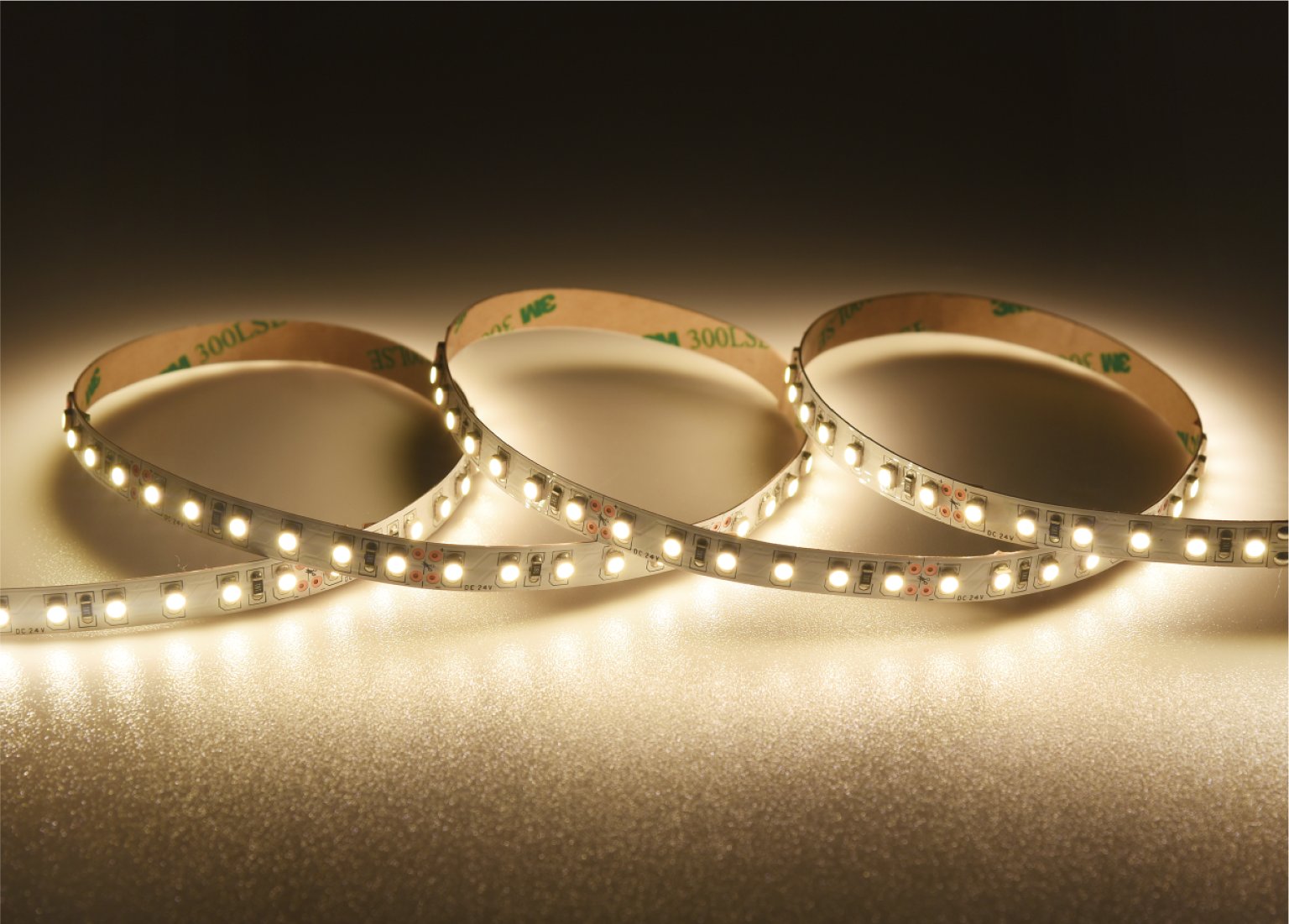
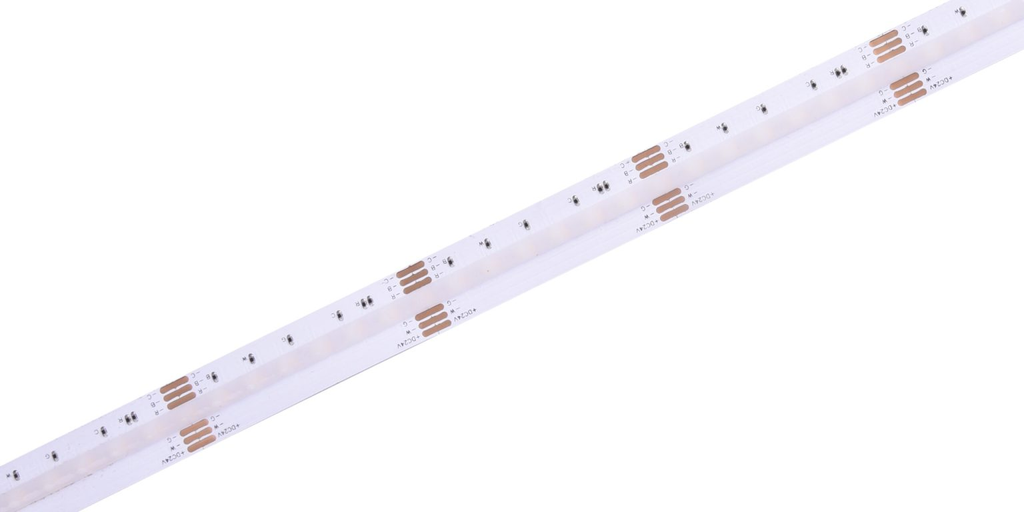
Visible dark spots can undermine an otherwise well-designed linear lighting installation. Buyers often look for a continuous appearance because architectural outlines, coves, and signage are judged as complete visual elements rather than as individual LED points. Proper diffusion and LED spacing are therefore important when selecting a flexible system.
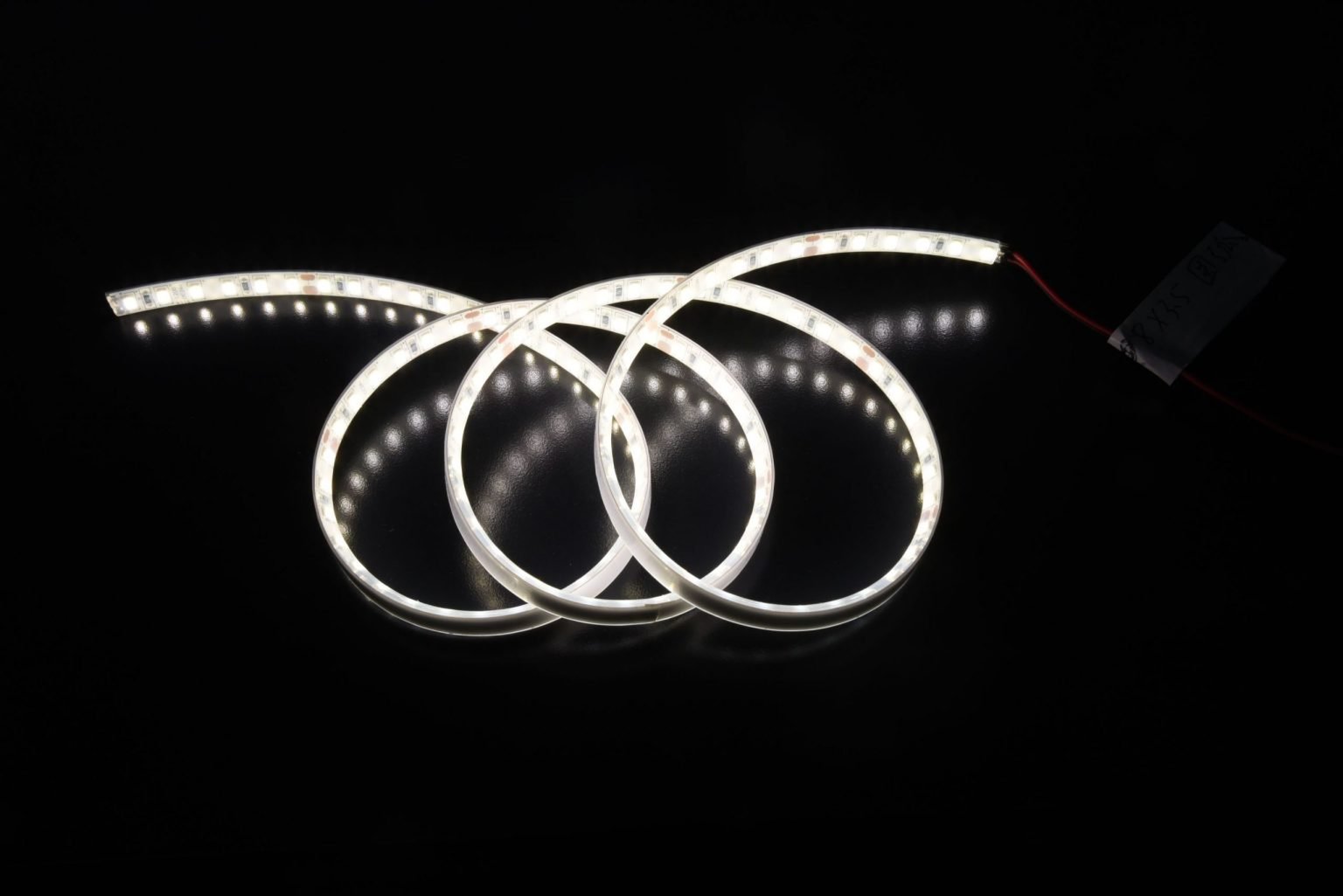
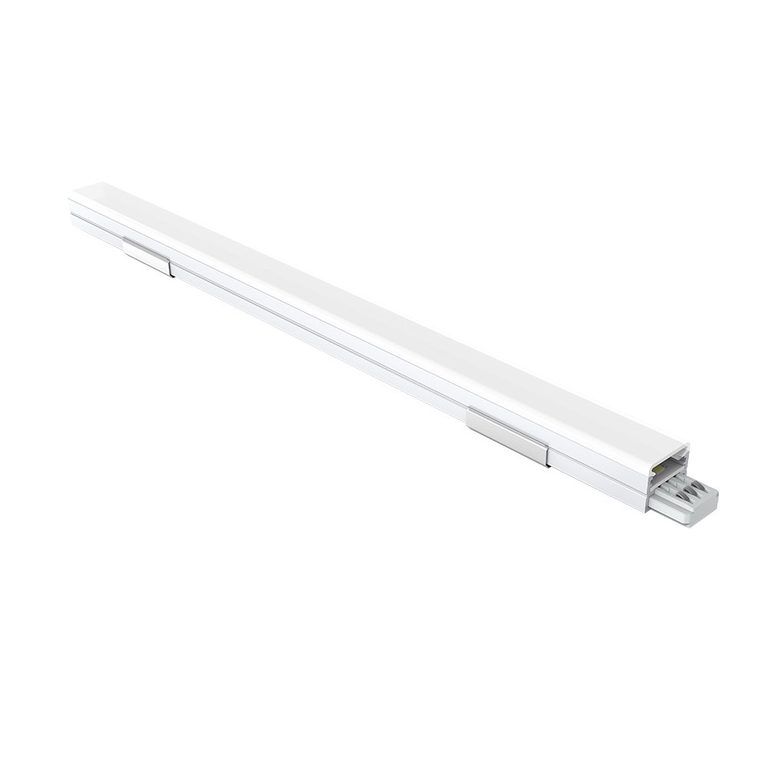
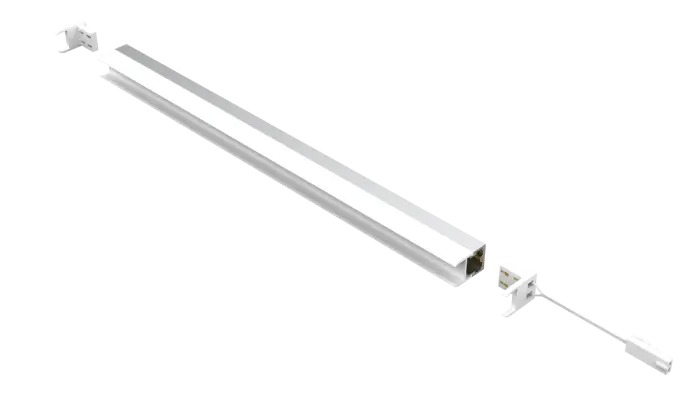
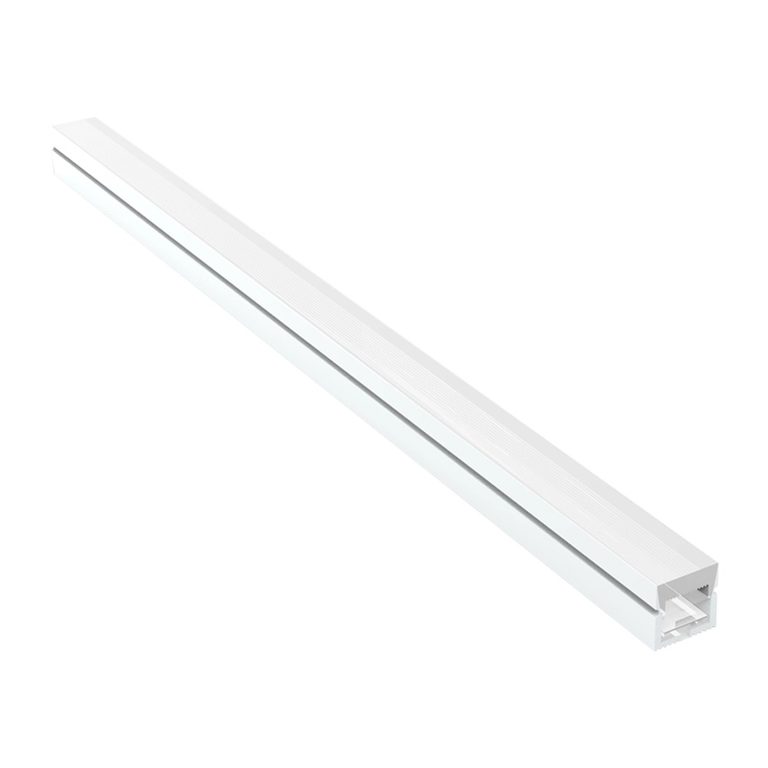
Our LD-FR-SJS-DC24V-XXXX-144-12*12mm Neon Flex uses a solid silicone extrusion and is designed with a continuous lighting effect without dark dots. Its 12 × 12 mm body also provides a slim profile for applications where the lighting element needs to remain visually controlled. This makes it relevant to projects requiring a clean linear appearance.
Three-Sided Illumination Expands Design Options
The direction in which light leaves a flexible fixture can affect how easily designers integrate it into architectural details. A narrow output may work for concealed accents, while broader illumination can make an outline more visible from different viewing angles. Buyers should examine the optical structure rather than selecting only by dimensions or color.
Our 12 × 12 mm Neon Flex features a three-sided wide lighting effect. Combined with its soft, flexible body, this structure can support border lighting, architectural outlines, coves, façades, signage, and guide lighting. For a linear strip light specification, this wider output can be useful when the project calls for more visible illumination around an edge or profile.
Protection Matters for Outdoor Specifications
Outdoor lighting should never be selected from appearance alone. The enclosure, sealing method, installation details, power supply, connectors, and stated ingress protection all affect whether a system is appropriate for a particular location. Signify, for example, offers professional flexible LED systems with IP68 protection for applications including decorative, guidance, swimming-pool, and cove lighting.
Our product information positions the LD-FR-SJS-DC24V-XXXX-144-12*12mm Neon Flex for indoor and outdoor border lighting, façades, signage, architectural outlines, coves, and guide lighting. Buyers should still verify the complete project specification, especially where water exposure, installation depth, drainage, or connection methods are significant.
Flexibility Can Simplify Architectural Integration
Rigid luminaires can become difficult to use when a project includes curves, irregular outlines, or compact architectural details. Flexible systems allow the lighting path to follow the intended geometry more closely, which can reduce visual breaks and help designers maintain a consistent line.
A silicone LED strip light is particularly useful when the installation requires a combination of flexibility and a controlled profile. Our 12 × 12 mm Neon Flex has a slim and soft light body, making it suitable for details where bulky housings could interfere with the intended design. Buyers can therefore evaluate flexibility as part of installation efficiency, not simply as an aesthetic feature.
Specification Checks Still Matter Before Ordering
Linear strip light buyers should confirm dimensions, voltage, optical direction, protection rating, mounting accessories, bending requirements, connection details, and compatibility with the control system before placing an order. They should also consider how the product will be installed and serviced after handover.
The LD-FR-SJS-DC24V-XXXX-144-12*12mm model is specified as a 12 × 12 mm Neon Flex with a 24 V DC designation in its model code. Its solid extrusion and three-sided wide lighting structure are key specification points for project planning. Confirming these details against the final application helps prevent mismatches between the lighting concept and the installed system.
A Practical Choice for Flexible Linear Projects
Buyers often consider silicone flexible lighting because it brings several project-relevant characteristics together: pliability, weather resistance, continuous visual output, and adaptable installation. Silicone itself is recognized for resistance to moisture, UV exposure, temperature changes, and aging, although the actual performance of a finished luminaire depends on its construction and tested specifications.
For projects requiring a flexible linear strip light, our LD-FR-SJS-DC24V-XXXX-144-12*12mm Neon Flex offers a focused combination of a 12 × 12 mm profile, continuous illumination without dark dots, and three-sided wide lighting. We at LEDIA Lighting can support buyers in evaluating whether these characteristics fit their architectural, signage, border, façade, or guide-lighting requirements. Careful specification remains the best route to dependable project results.