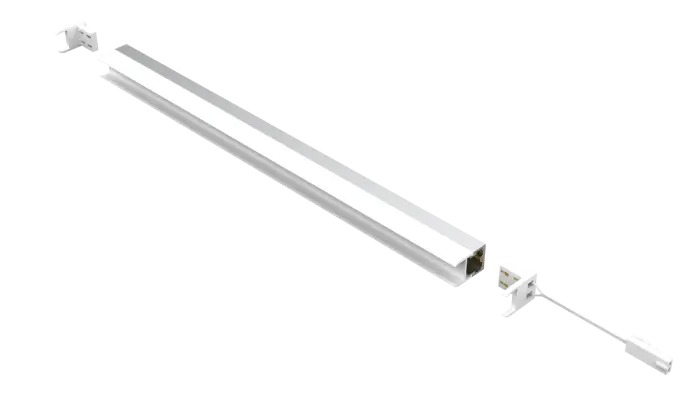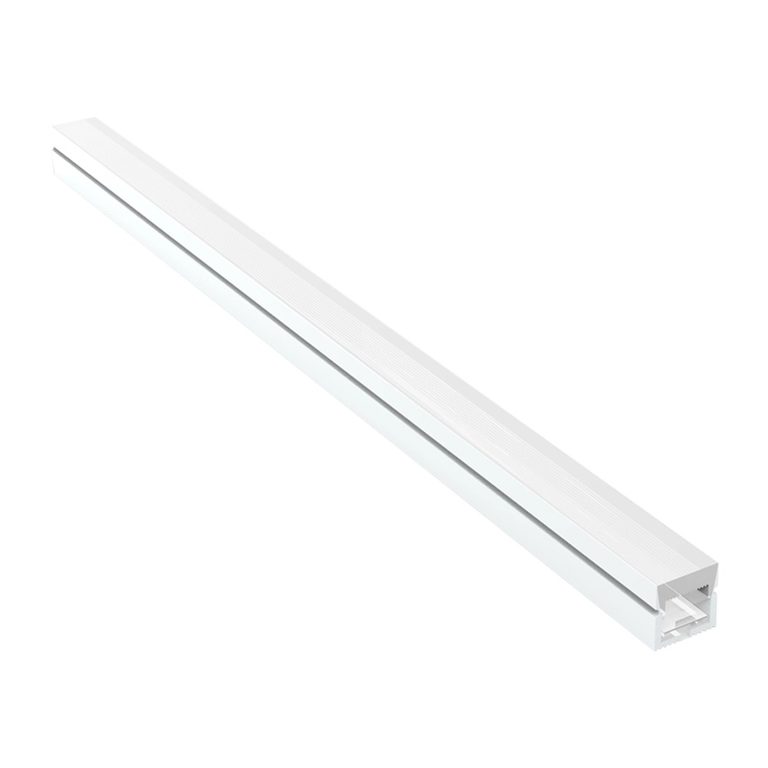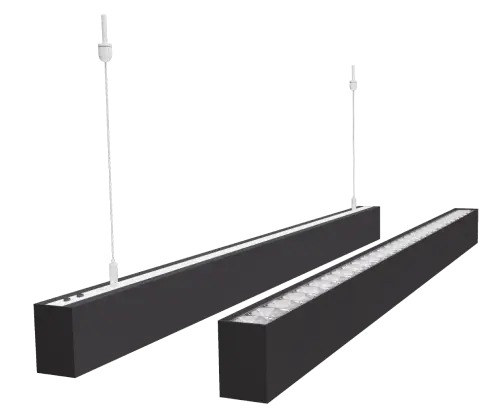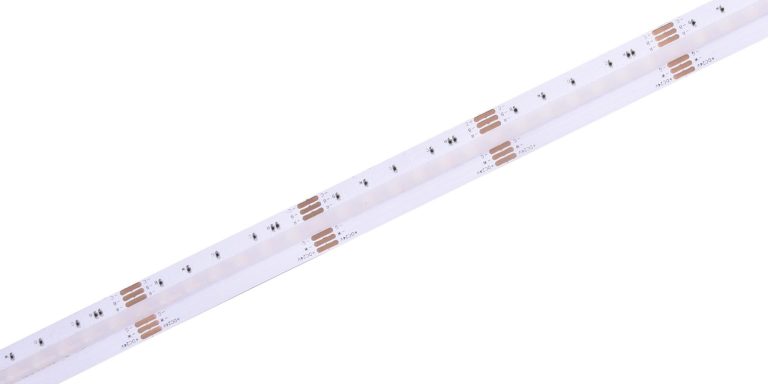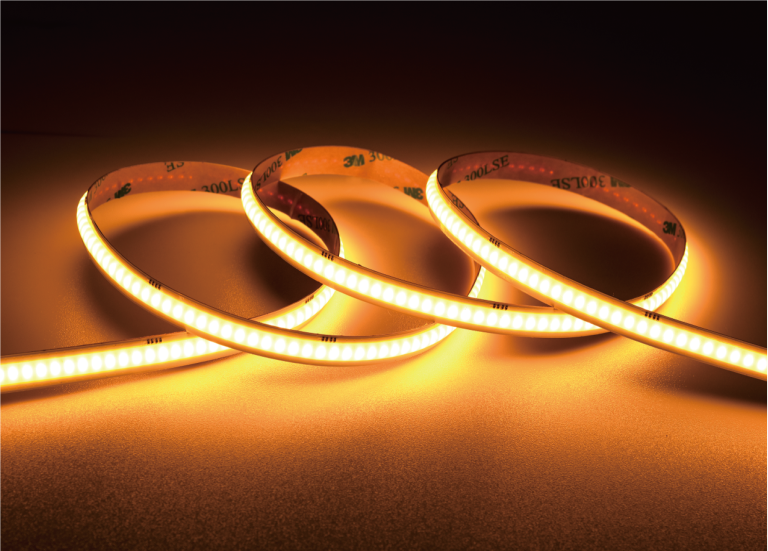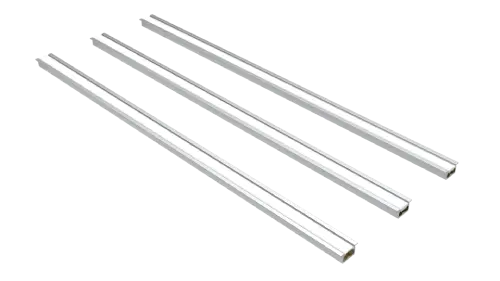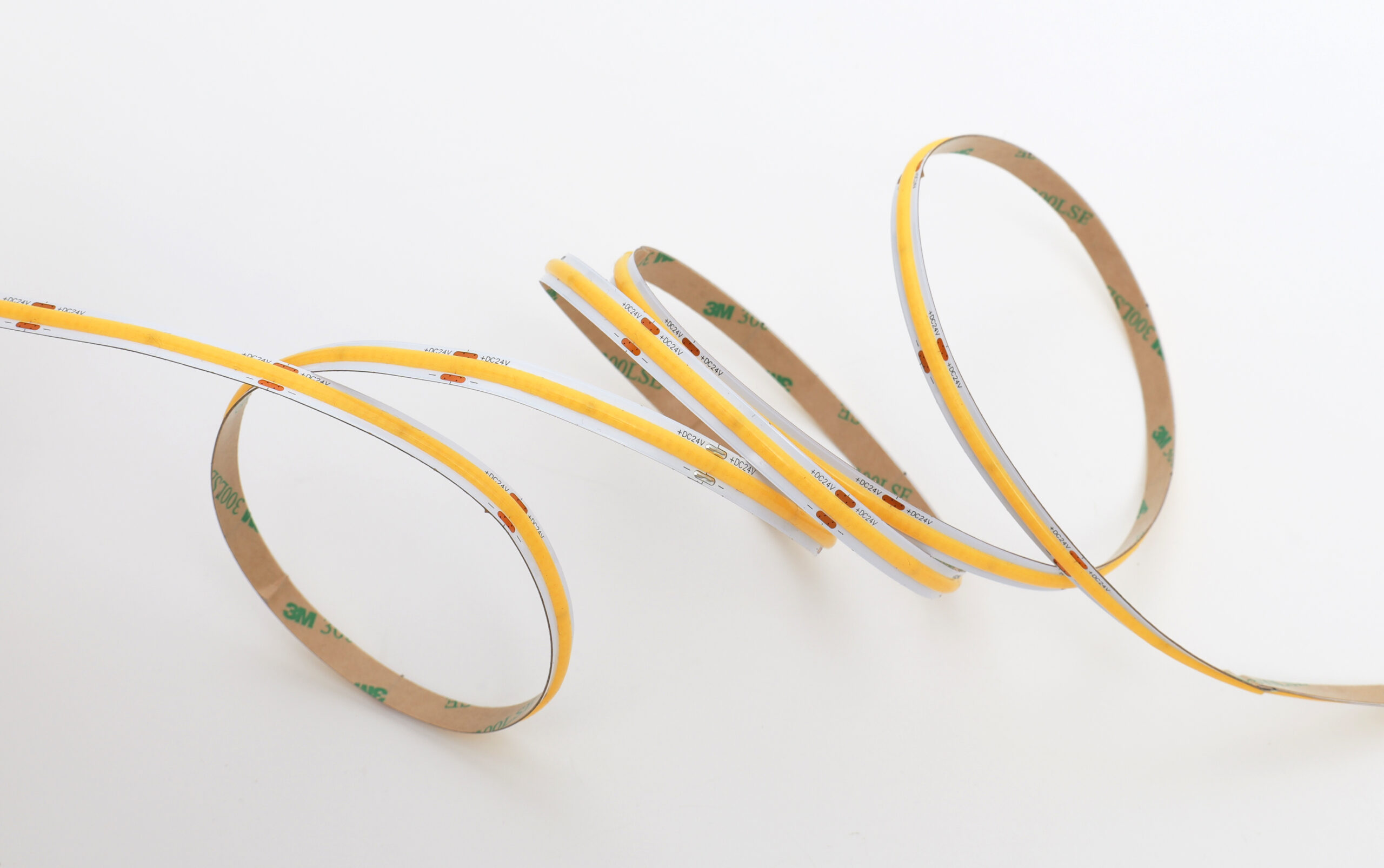
Residential developments bring together different spaces, each with distinct lighting requirements. Apartments, townhouses, shared corridors, parking facilities, and outdoor amenities all need lighting that supports safety, comfort, and architectural consistency. LED strip systems can complement conventional luminaires by adding discreet illumination to furniture, circulation routes, and architectural details. Developers should specify products according to location, installation conditions, maintenance needs, and budget. For multi-building orders, LED strip lights wholesale arrangements can also support coordinated procurement.
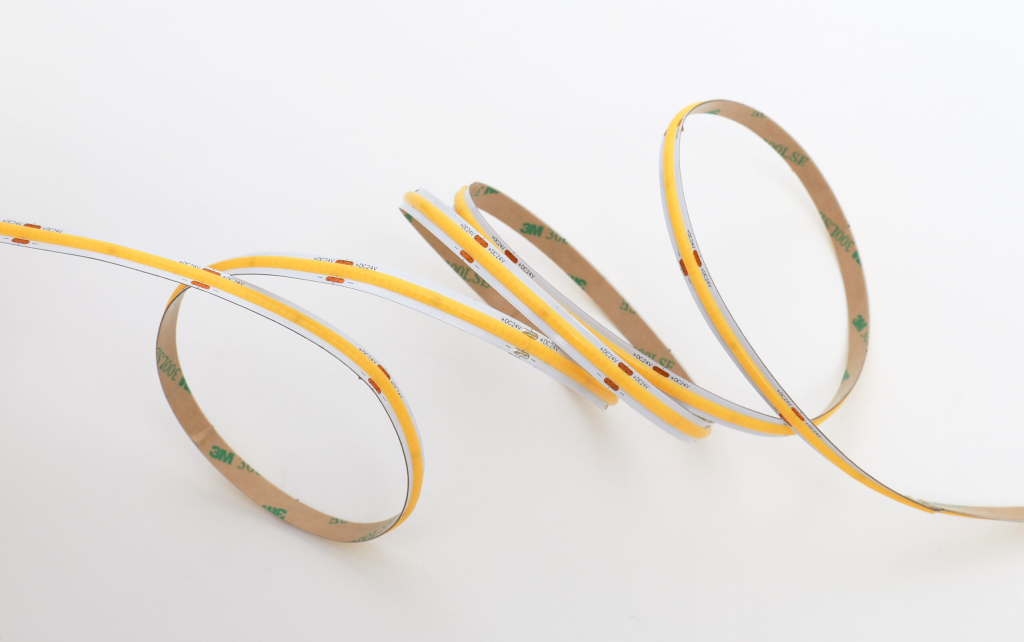
Add Functional Lighting to Kitchens and Living Areas
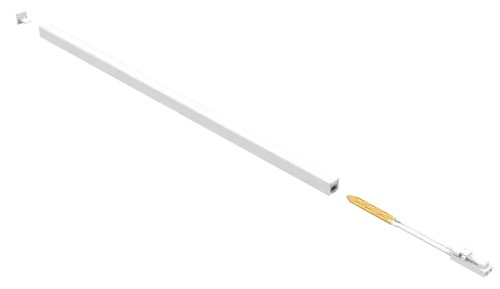
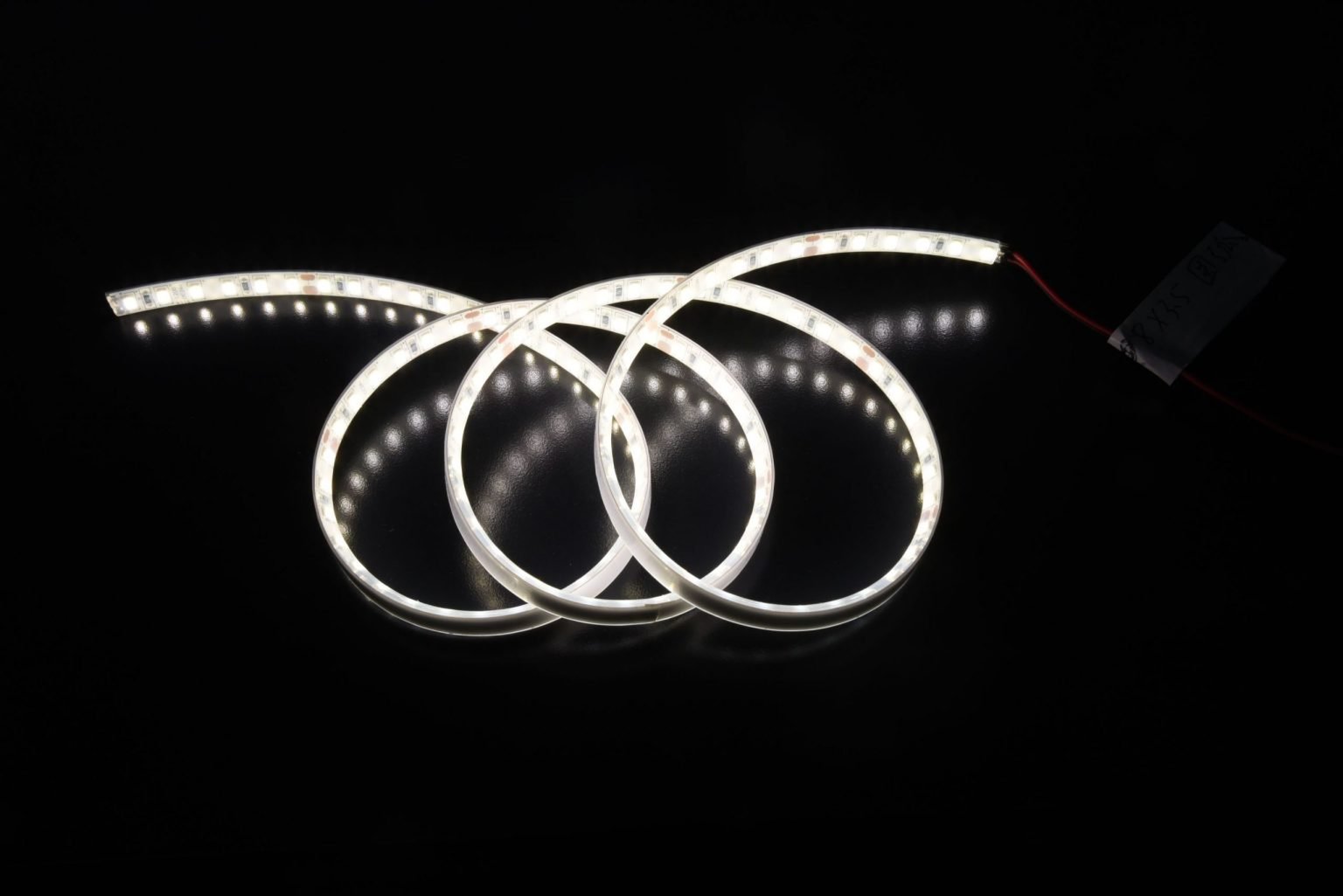
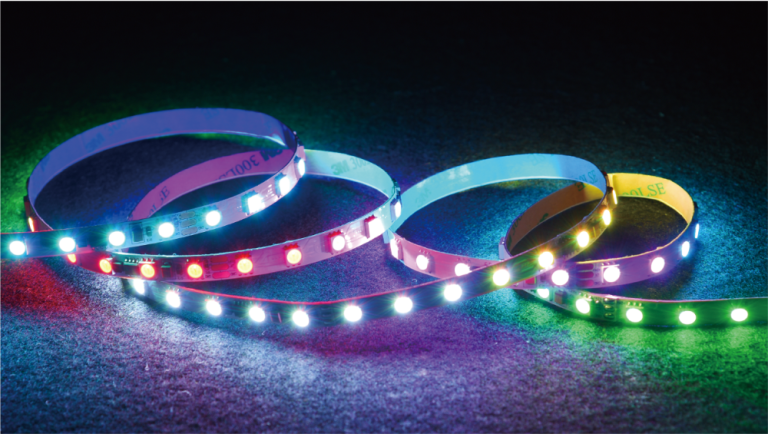
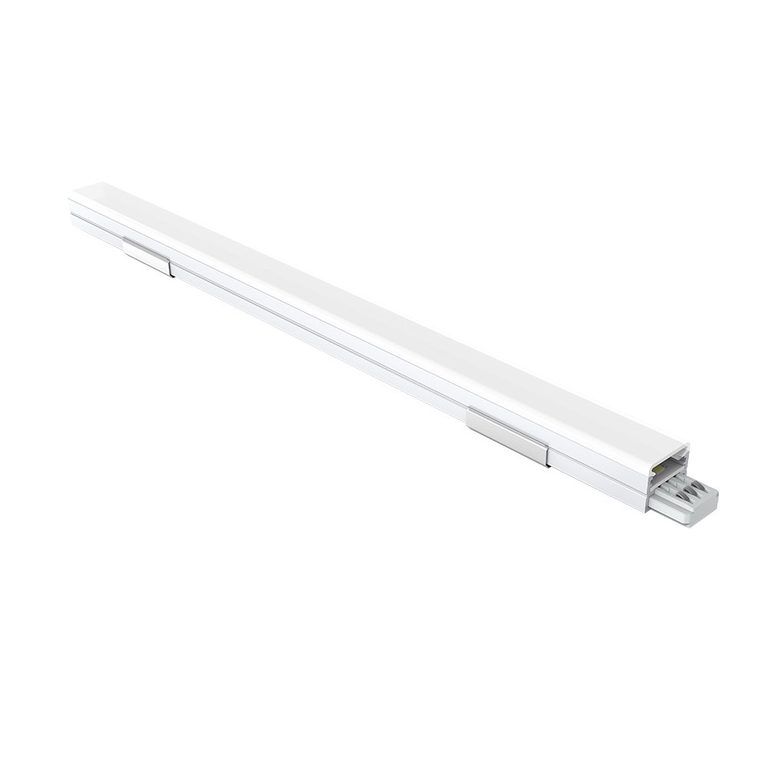
Kitchens are practical spaces where task visibility matters. LED strips installed beneath wall cabinets can illuminate countertops while reducing shadows cast by overhead cabinets. Within living areas, concealed strips can highlight shelving, media units, ceiling recesses, and coves without introducing visually bulky fixtures.
For developers sourcing LED strip lights wholesale, consistency across units is an important consideration. Standardized lengths, color temperatures, and connection methods can simplify procurement and help maintain a coordinated appearance throughout a multi-unit project. Allow access to drivers and connectors to simplify future maintenance.
Improve Bedroom, Wardrobe, and Storage Lighting
Bedrooms benefit from layered lighting that supports general activities and a more relaxed atmosphere. Strip lighting can be integrated into headboards, recessed ceiling details, bedside joinery, and wardrobe interiors. Inside closets, strips improve visibility around shelves and hanging areas.
Developers should coordinate these installations with furniture suppliers and electrical contractors early in the design process. Confirm profile dimensions, cable routes, switching, and driver locations before cabinetry is manufactured. LED strip lights wholesale purchasing can standardize specifications, provided products meet installation and local electrical requirements.
Create Safer, More Legible Circulation Spaces
Staircases, corridors, and entrance areas need clear, consistent illumination to support wayfinding. LED strips can be used beneath handrails, along stair nosings where permitted, or within wall and ceiling recesses to define edges and improve visual orientation. In shared residential spaces, these accents should supplement—not replace—appropriately designed general and emergency lighting.
Lighting designers should assess glare, contrast, uniformity, and control schedules. A strip that looks subtle in a sample room may cause glare along a corridor. Motion sensors or timed controls may be appropriate in selected areas, provided the control system is compatible with the driver and does not compromise required lighting levels. In amenity rooms and shared lounges, dimming can also help adapt the atmosphere for reading, meetings, or evening use.
Use Moisture-Appropriate Products in Bathrooms and Outdoors
Bathrooms, balconies, terraces, and landscaped areas expose lighting to moisture, dust, temperature changes, or cleaning chemicals. Required ingress protection depends on location; verify the product’s IP rating and installation instructions rather than assuming every strip suits wet areas. Electrical work in bathrooms should follow applicable local regulations and be completed by qualified professionals.
For outdoor steps, garden edges, and facade details, the specification should also consider UV exposure, drainage, connector sealing, and temperature range. Consider the complete installation, including power supply, joints, and end caps. A TRI proof LED light supplier may be relevant for shared utility spaces, parking areas, and other locations needing enclosed luminaires, while flexible strips serve more decorative or integrated applications.
Coordinate Lighting with Building Services and Maintenance
Successful residential lighting requires coordination among designers, engineers, contractors, and property managers. Before procurement, confirm voltage, wattage per meter, run length, voltage drop, dimming, power capacity, and replacement access. Long runs may need carefully planned feed points to maintain consistent brightness.
Maintenance planning is equally important. Specify accessible drivers, replaceable components, clear labels, and installer documentation. For projects purchasing LED strip lights wholesale, sample approval and batch consistency checks can reduce the risk of visible differences between common areas and individual residences.
Select a Supplier with Project and Compliance Support
A residential project may combine flexible strips, cabinet lighting, linear fixtures, and enclosed luminaires. Choose a manufacturer that can explain product differences and support selection. Compare each TRI proof LED light supplier on documentation, production consistency, and service. A qualified supplier should provide product documents, test information, installation guidance, lead times, and replacement details.
At LEDIA Lighting, we provide strip lights, linear fixtures, cabinet lights, high-bay lights, and tri-proof lighting for indoor and outdoor projects. Our development and manufacturing capabilities support customized applications. Our products are supported by recognized certifications and compliance credentials, including China CCC and US UL/ETL for applicable products; buyers should confirm the certification scope for each model and target market.
Our operations combine automated production, R&D, quality management, and testing. More than 20 production lines support large-scale and customized orders. As a TRI proof LED light supplier, we also offer enclosed lighting options for suitable utility and service environments, alongside strip and linear products for residential interiors.
Build Residential Lighting Specifications Around Real Use
LED strips provide task illumination, support wayfinding, and emphasize architectural details. Success depends on matching products to each environment and planning installation, controls, and maintenance. Developers should evaluate samples, technical documentation, compliance, and supplier support—not price alone.
Clear requirements and reliable sourcing help create consistent lighting across private and shared spaces. We work with customers to identify suitable strip, cabinet, linear, and tri-proof products.