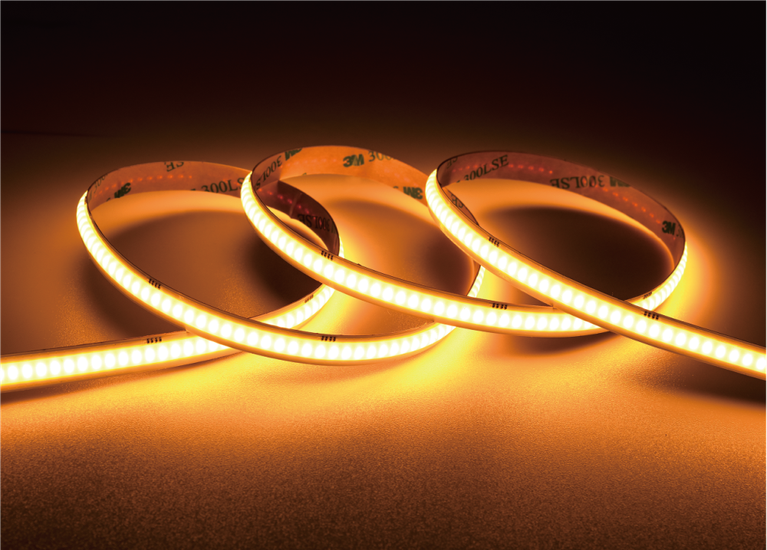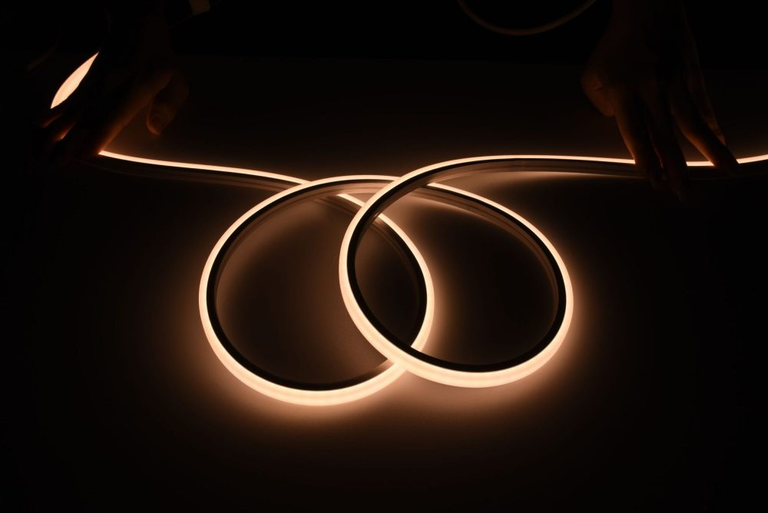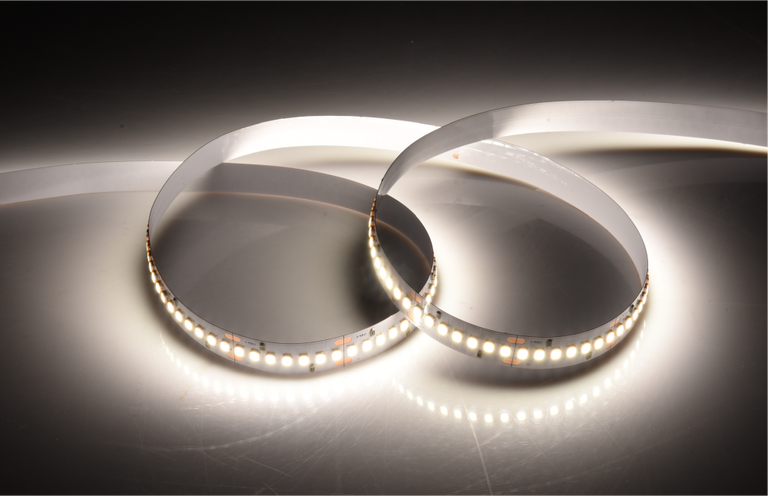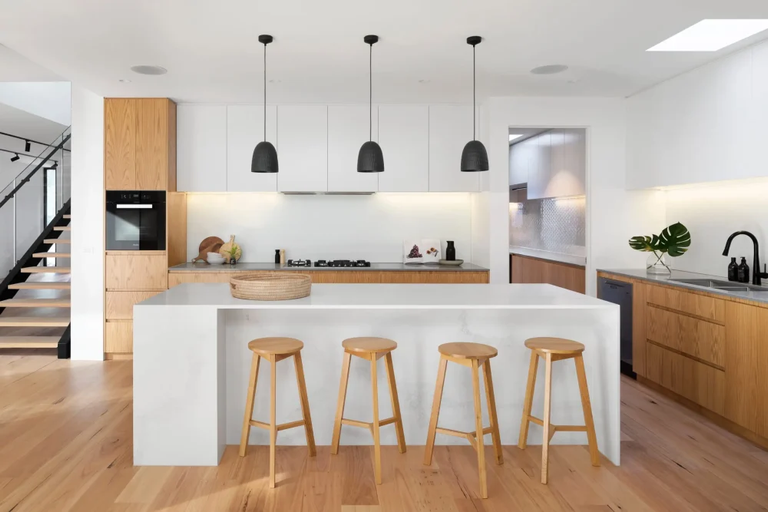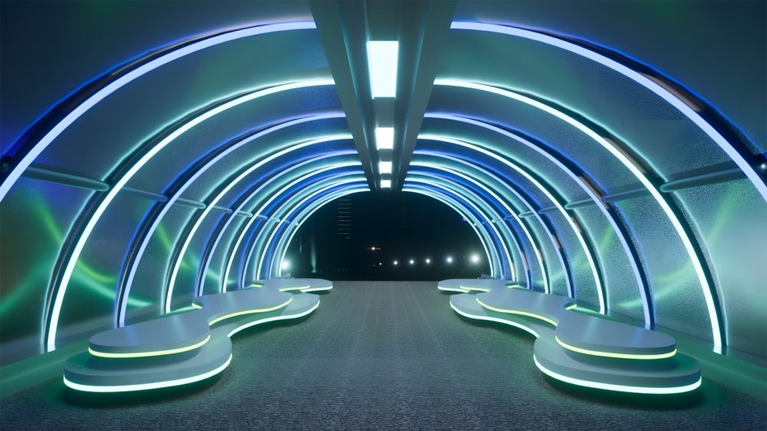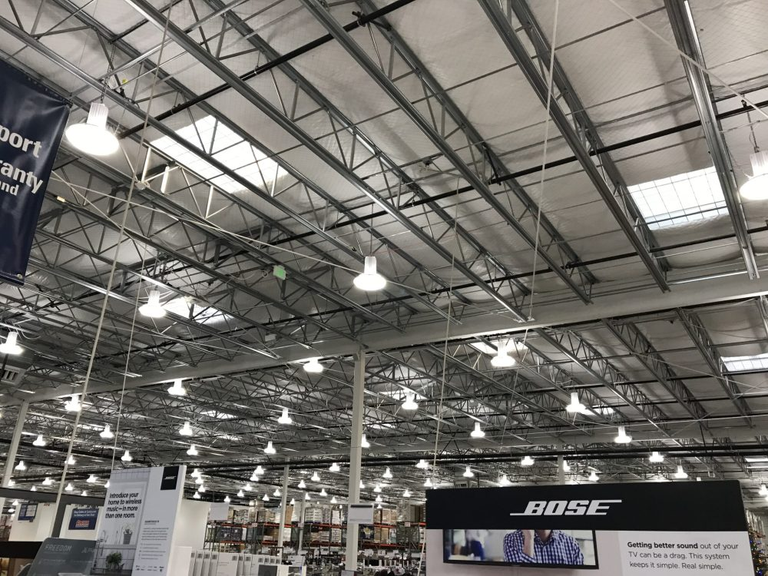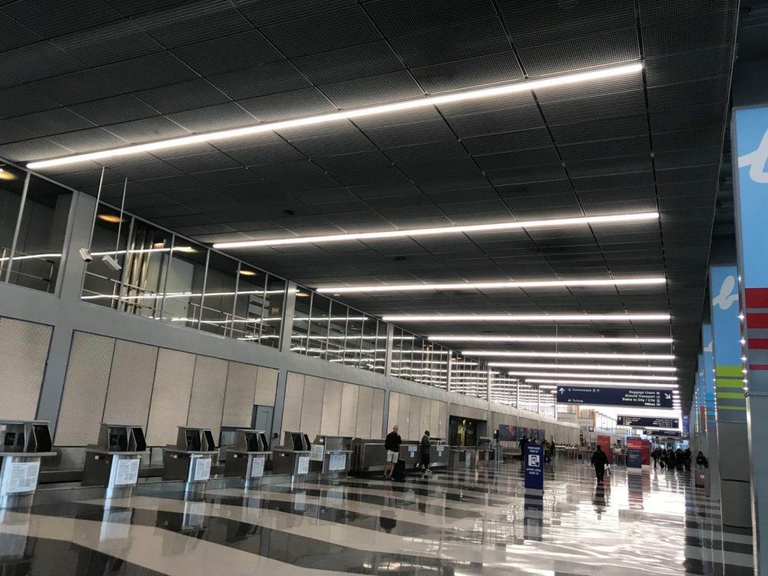

Cuttable LED rope lighting is most useful when a project has awkward or changing dimensions that make fixed-length lighting inconvenient. A shelf, display case, cabinet, counter, architectural recess, or decorative outline rarely follows a single universal measurement. The practical question is therefore not simply whether rope lighting can be cut, but where its cut-to-length flexibility genuinely solves a project problem.
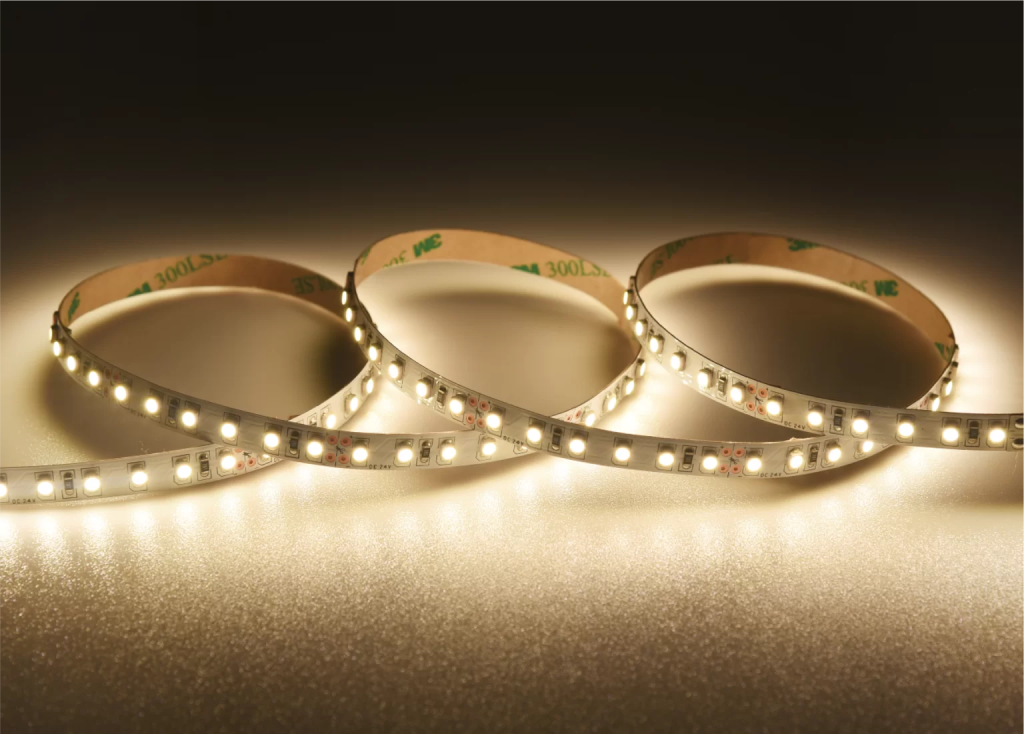
Our process starts at the installation point: we determine the exact run and its structural layout, then assess if a flexible, field-cuttable solution is the most practical choice. This ensures product selection remains driven by project realities rather than specification sheets.
Short Runs, Uneven Dimensions, and Last-Millimeter Problems
A useful situation occurs when the required run does not match an available product length. Imagine a retail display with several shelves, each slightly different in width. Using one fixed length everywhere can leave excess material on shorter sections or require additional planning around predetermined dimensions.
Cuttable lighting changes that equation. The installer can work from the measured run and use the product’s designated cutting points to achieve a closer fit, subject to the manufacturer’s installation instructions. That can help with cabinetry, furniture details, displays, shelving, and other elements whose dimensions are dictated by the finished structure.
The value increases when many individual runs must be prepared. Instead of redesigning each location around the lighting, the product can accommodate the locations.
Where Flexible Length Solves a Shape Problem
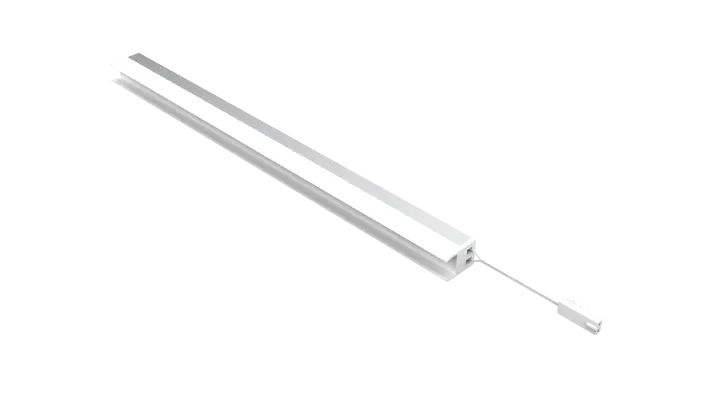
Length is only one part of the problem. General projects can also contain corners, offsets, curves, recesses, and other transitions that make rigid fixtures difficult to position. Flexible rope-style lighting may be useful when the illumination needs to follow the visual path of an element rather than occupy a straight, predefined fixture bay.
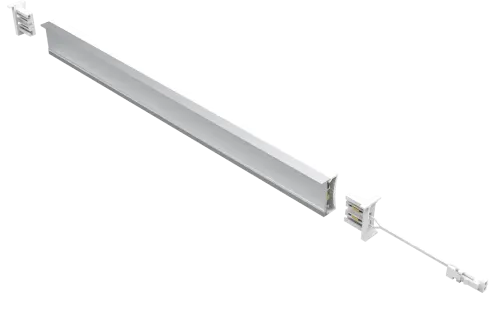
That does not mean every flexible product can make every turn. Bending behavior, minimum bend radius, cut intervals, connectors, mounting accessories, and the product’s physical construction still determine what can actually be installed. Those details should be checked against manufacturer documentation before installation.
Concealed installations can benefit because the light source does not have to present a rigid visible body. The project can retain its intended geometry while the lighting follows it.
When a Straight Run Is the Better Answer
Cuttable capability can sound attractive even when a project does not need it. A long, straight installation with predictable dimensions may be better served by a conventional strip product whose standard configuration already matches the required run.
LEDIA Lighting’s regular strip-light range illustrates why selection should begin with the installation rather than the word “cuttable.” The range includes several product families, including Classic, COB, Digital, Dual-color, High Efficacy, and a COB Free Cut Series.
That variety lets project teams compare product constructions instead of treating every strip as interchangeable. If the main requirement is simply a clean linear run at known dimensions, standard LED strip lights may be the straightforward choice. If irregular dimensions are creating waste, difficult joints, or installation compromises, cut-to-length capability becomes more meaningful.
Where a Rigid Fixture May Fit Better
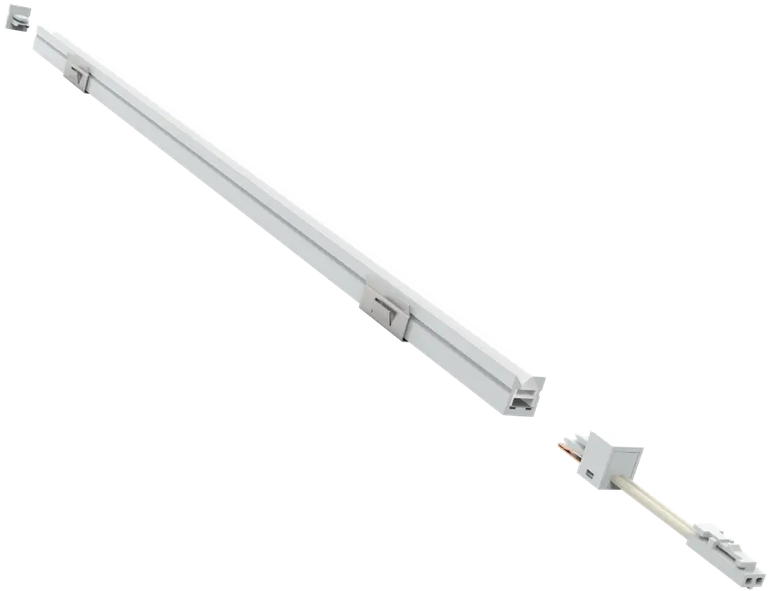
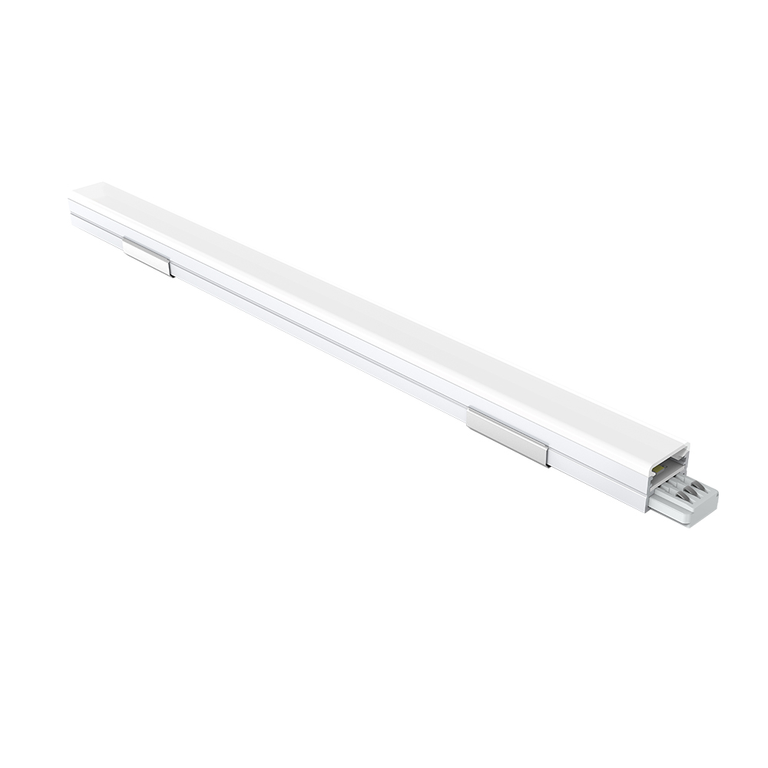
Some project requirements point away from flexible rope lighting altogether. A visible fixture mounted directly onto a wall, ceiling, cabinet, or other surface may need a defined housing and mounting interface rather than a flexible light source.
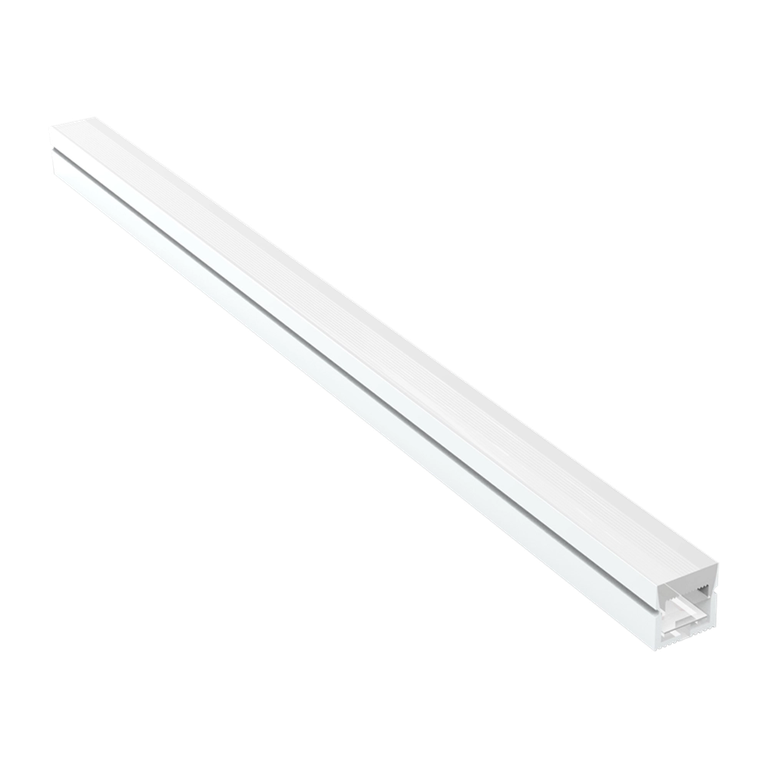
A linear surface mounted light can be more appropriate in that situation because the fixture itself forms part of the installation. Instead of hiding the lighting inside an architectural detail, the project may intentionally want a clearly defined linear element.
LEDIA Lighting separates regular strip lights from its linear lighting fixture categories, reflecting this basic product-selection distinction. The right question is therefore not “Which product is more advanced?” but “Does the physical format match how the lighting will be installed and seen?”
A Simple Way to Decide Before Ordering
For general project use, we reduce the decision to five pieces of information: the measured length of each run, the route or shape, whether the light is exposed or concealed, how it will be mounted, and whether the finished installation needs to look like a light source or a complete fixture.
Those details quickly reveal whether cuttability is solving a real problem. If every run has a different dimension, flexibility may save time and material. If the installation is predominantly straight and already fits an available product format, standard LED strip lights may require less unnecessary customization.
At LEDIA Lighting, we recommend treating the cut point as a specification issue rather than assuming that a flexible product can be shortened anywhere. The actual cutting interval and connection method should come from the selected product’s instructions.
The same logic applies if the project needs a linear surface mounted light. Confirm the physical mounting arrangement and visible profile first, then evaluate the available product dimensions and lighting characteristics.
Cuttable LED rope lighting is therefore most useful in projects where the building, furniture, display, or architectural feature determines the length and route of the lighting. It is a practical solution when measurements vary or the light needs to follow a non-standard path. It is less compelling when a fixed linear product already fits the installation. Starting with those physical facts makes the selection clearer, reduces unnecessary complexity, and gives the contractor a specification that can be measured and implemented.