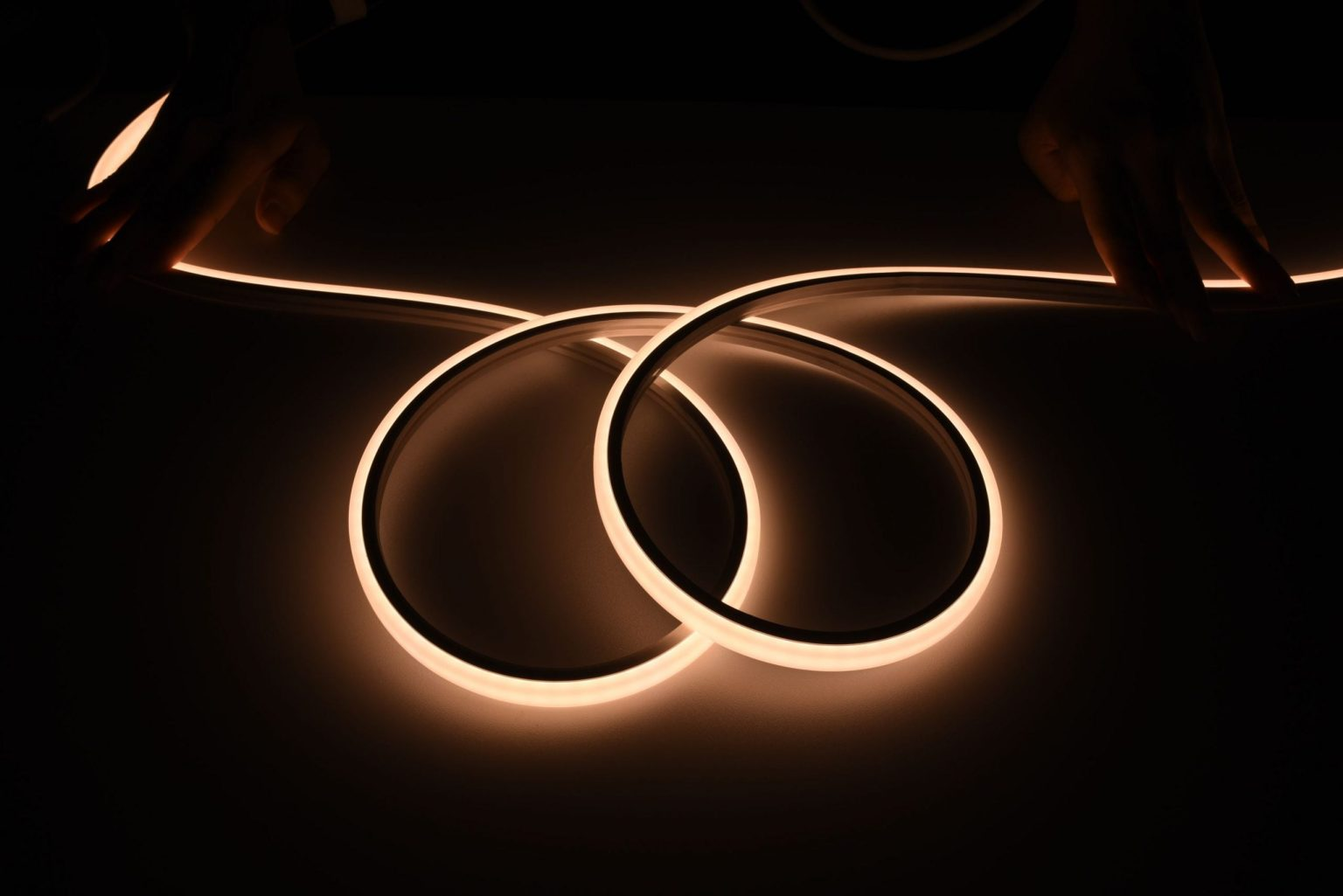
Flexible neon lighting can give architectural, signage, retail, hospitality, and commercial projects a continuous linear appearance without the visible points often associated with conventional LED strips. For buyers, however, appearance is only one part of the decision. A suitable product must also match the installation geometry, electrical system, environment, cutting requirements, and expected service life. Before ordering a silicone LED strip light, project teams should evaluate both the technical specification and the supplier’s manufacturing capability.
Define the Application and Lighting Geometry First
The installation location should determine the initial product requirements. Cove lighting, architectural outlines, facade accents, signage, and guide lighting may require different bending directions, dimensions, mounting methods, or protection levels. Buyers should establish whether the light will follow straight lines, curves, corners, or irregular shapes before selecting a product.
A flexible product is valuable when the lighting design contains curves or complex outlines. However, flexibility should not be treated as unlimited bendability. The supplier should provide installation guidance and any applicable bending limitations. Commercial neon products are available in different dimensions and bending configurations, demonstrating why physical geometry should be considered during specification rather than after ordering.
Check the Physical Size and Light Distribution
The dimensions of the extrusion affect both the visual result and installation space. A slimmer profile can fit into tighter architectural details, while a larger profile may be more appropriate where greater visual presence is required. Buyers should compare the product’s width and height with the available channel, mounting surface, and desired illuminated outline.
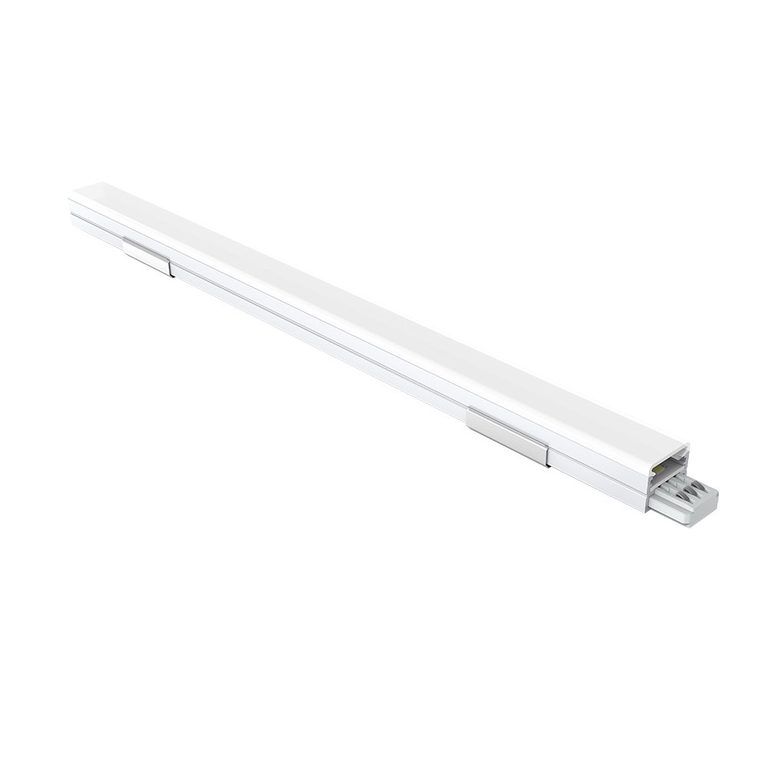
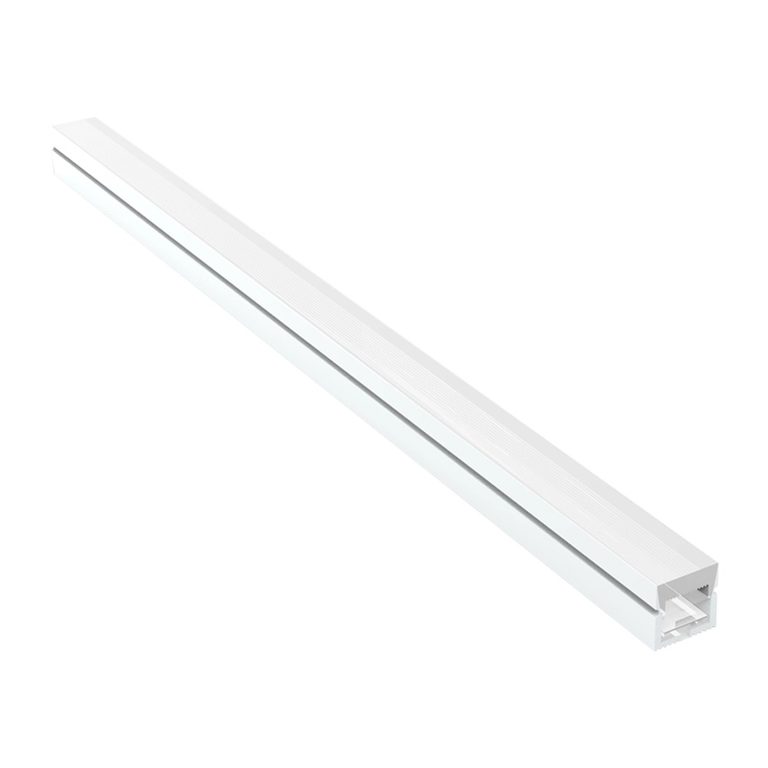
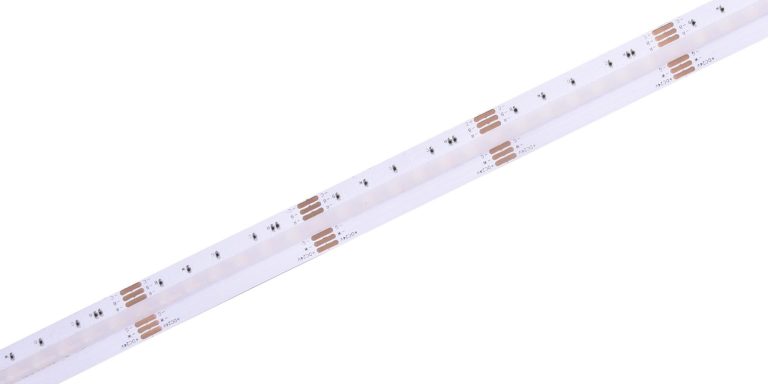
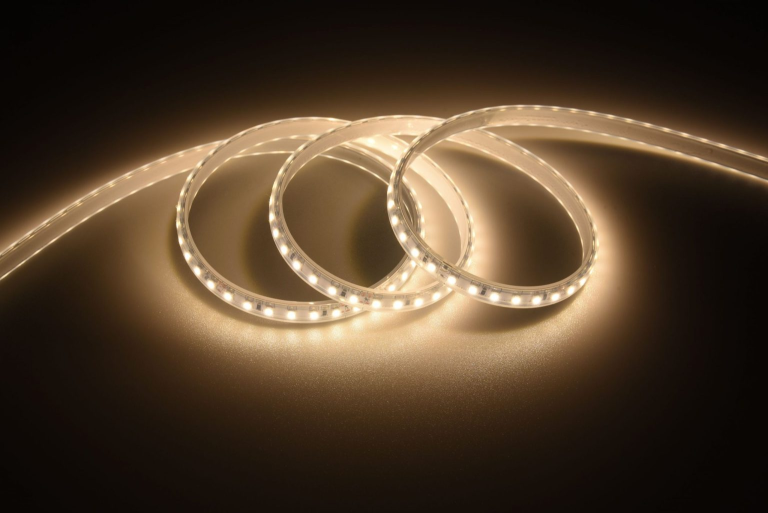
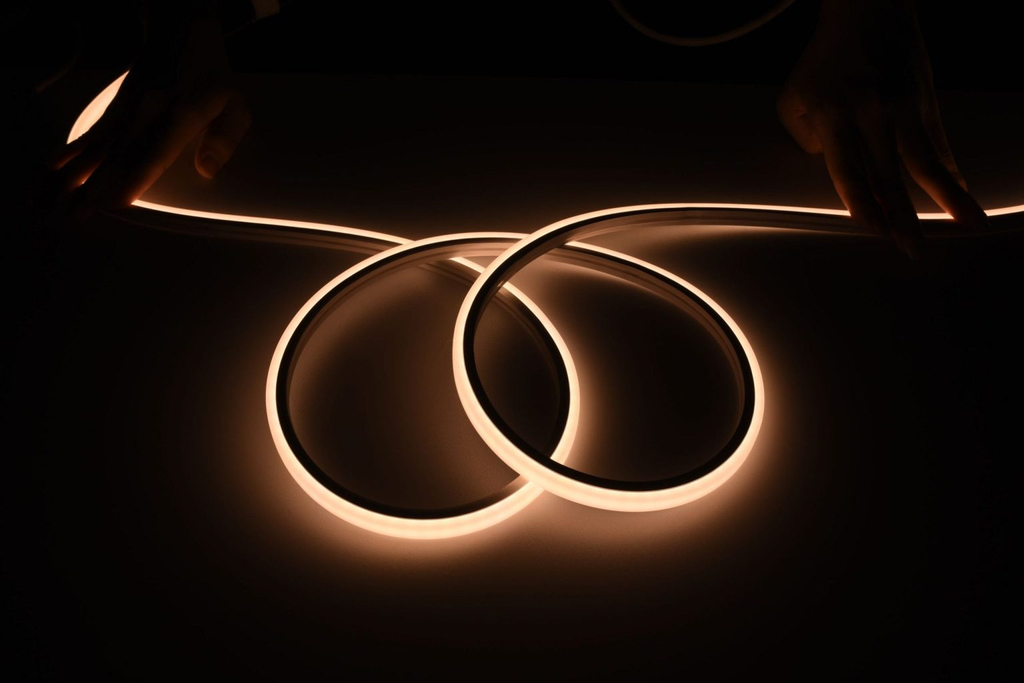
Our LD-FR-SJS-DC24V-XXXX-144-10*10mm Neon Flex uses a 10*10mm hollow-extrusion structure. It belongs to our silicone neon series and combines a slim, soft light body with a three-sided wide lighting effect. The design is intended to create a continuous appearance without dark dots, making it suitable where visual uniformity is important.
Examine the Electrical Specification Carefully
Electrical compatibility should be confirmed before an order is released. Buyers need to verify the input voltage, power requirements, control method, connection configuration, and power-supply capacity. A mismatch between the lighting product and its driver can create installation problems and may affect performance or reliability.
Our specified neon flex model uses a DC24V system. When planning a project, purchasing teams should calculate the total installed length and corresponding load before selecting the power supply. This calculation should also account for the actual installation configuration rather than relying solely on the nominal length of an individual reel.
Ask How the Product Can Be Cut and Joined
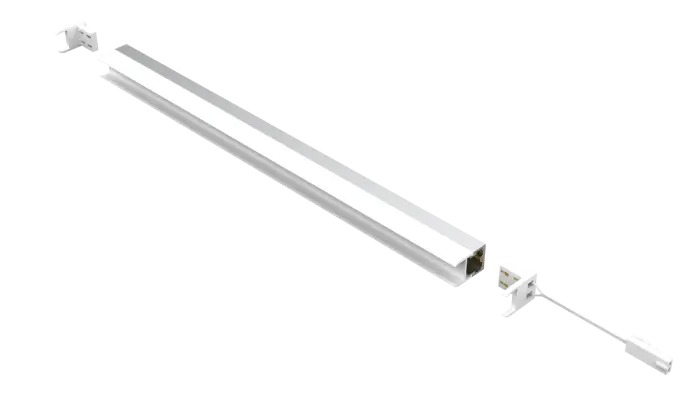
Flexible neon products are often used for customized architectural outlines, so cutting and joining capabilities can directly influence installation efficiency. Buyers should confirm the designated cutting points, connector method, end treatment, and whether additional sealing materials are required after cutting.
Our model supports free cutting and free jointing according to its product design, providing flexibility when adapting the lighting to different project dimensions. This is particularly useful for signage and architectural applications where standard lengths may not correspond with the final outline. Nevertheless, installers should follow the manufacturer’s specified cutting and connection procedure rather than cutting at arbitrary locations. Professional installation documentation commonly requires cutting at designated marks and sealing the exposed end appropriately.
Evaluate Material and Environmental Resistance
A silicone LED strip light should be evaluated according to the actual installation environment rather than simply being described as flexible or waterproof. Outdoor projects may expose the product to sunlight, temperature variation, moisture, and other environmental stresses. Buyers should therefore review the specific environmental ratings and resistance claims provided for the selected model.
Our LD-FR-SJS-DC24V-XXXX-144-10*10mm Neon Flex uses pure silicone extrusion and automated production. The supplied specification identifies UV and flame resistance, supporting applications that include outdoor or indoor architectural borders, facades, signage, and guide lighting. Buyers should still confirm the complete environmental requirements for each project before selecting the final configuration.
Consider Reliability and Warranty Support
For business buyers, product reliability affects more than the initial purchase. Replacement work can involve labor, transportation, site access, and project delays. A supplier should therefore provide clear information about warranty coverage and the conditions under which it applies.
Our specified neon flex carries a five-year warranty. The product is also designed as a flexible and bendable lighting system, combining its silicone construction with continuous illumination. When comparing a silicone LED strip light, procurement teams should review warranty duration alongside manufacturing consistency, application conditions, installation requirements, and after-sales support rather than treating warranty length as the only reliability indicator.
Select the Product Around the Project
A suitable LED neon flex strip light should solve a defined installation requirement rather than simply match a visual preference. Buyers should establish the intended application, profile dimensions, lighting direction, electrical configuration, cutting method, environmental exposure, and warranty expectations before requesting a quotation.
Our LD-FR-SJS-DC24V-XXXX-144-10*10mm Neon Flex is designed around these practical project considerations. Its 10*10mm profile, three-sided wide lighting effect, continuous illumination, flexible construction, free cutting and jointing characteristics, UV and flame resistance, and five-year warranty provide a specification base for architectural and signage projects.
Make Specification Review Part of Procurement
The strongest sourcing process connects the lighting design with measurable product requirements. Instead of selecting a LED neon flex strip light based only on photographs, buyers should request dimensional drawings, electrical specifications, installation instructions, environmental information, warranty terms, and samples when necessary. This makes supplier comparisons more objective and reduces the risk of discovering compatibility issues after delivery.
We at LEDIA Lighting can work with project buyers to review application requirements and identify suitable configurations within our flexible neon product range. By checking the technical details before ordering, procurement teams can make better decisions about a silicone LED strip light, while ensuring the selected product supports the intended architectural, signage, or commercial installation.