Buying LED strip lights in bulk is rarely just a matter of finding the lowest unit price. A distributor may need several strip types for different customers, while a contractor may need one specification in a large quantity with consistent performance from the first shipment to the next.
That changes what a buyer should compare. Product range, specification consistency, quality control, customization, production capacity, and the supplier’s ability to support related lighting products can all affect the real value of a wholesale order.
For buyers evaluating LED strip lights wholesale, the supplier should therefore be judged as a long-term production partner rather than simply as a source of inexpensive products.
Compare the Product Range Before Comparing the Price
A broad product catalogue does not automatically make a supplier better, but a narrow catalogue can create problems when customer requirements change.
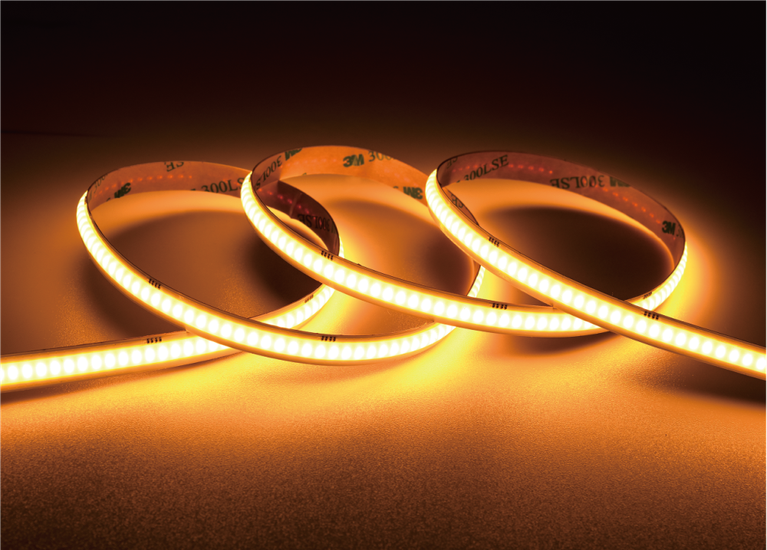
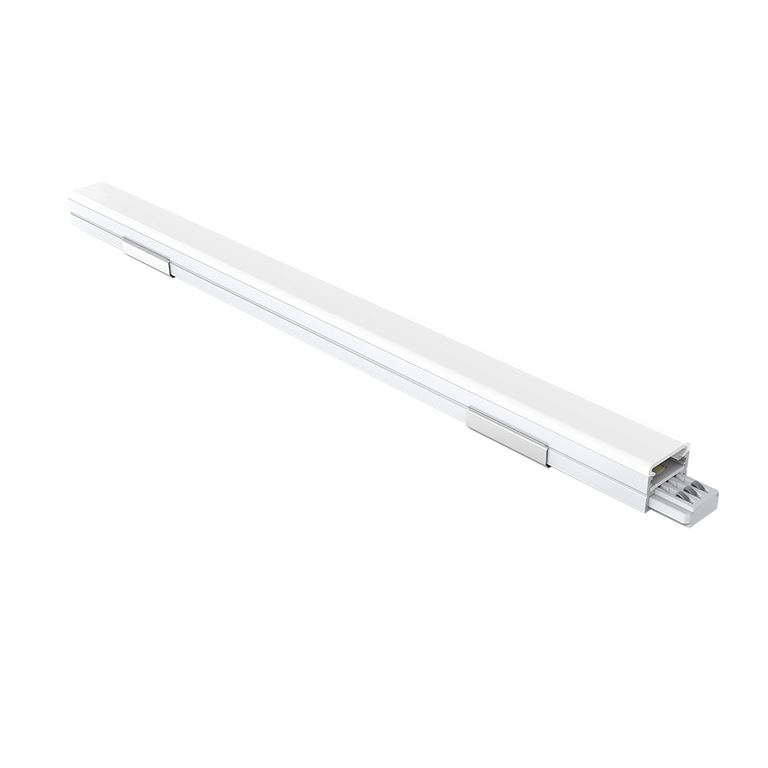
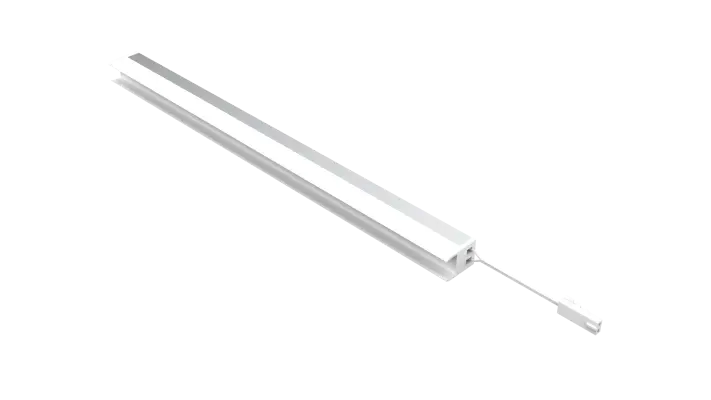
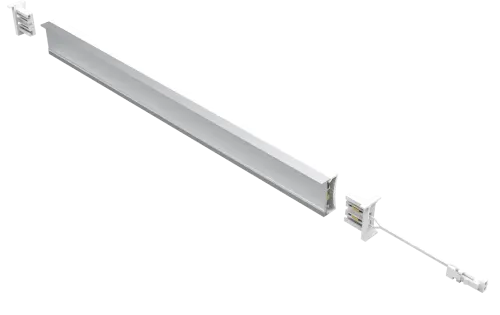
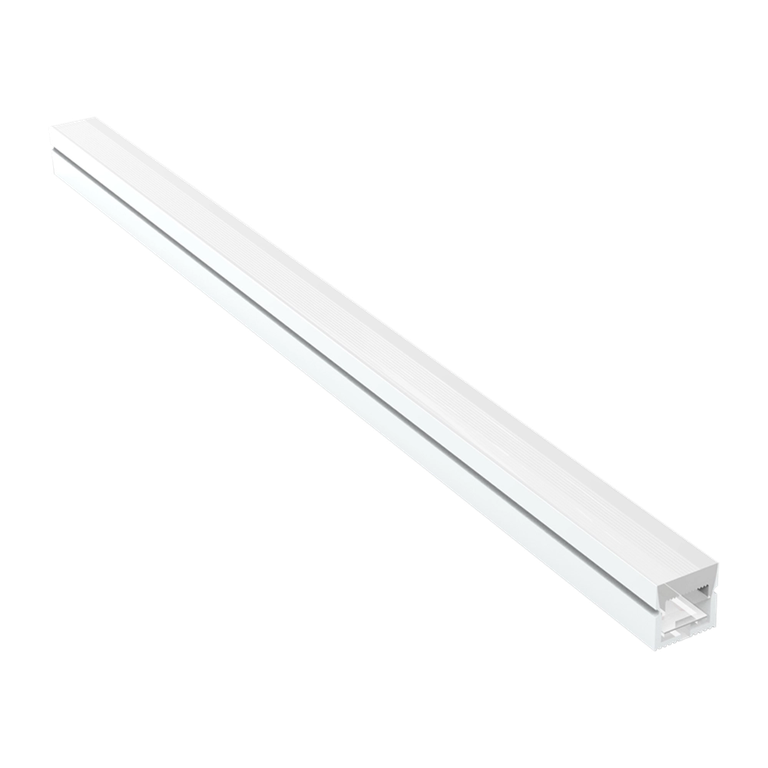
Different projects can call for different strip constructions. One order may need a conventional flexible strip, while another requires COB technology, RGB, high voltage, silicone protection, or a low-voltage-drop design. LEDIA Lighting’s regular strip-light range currently includes 48V, COB, digital, dual-color, high-efficacy, high-voltage, low-voltage-drop, PVC neon, and RGB series.
For a wholesaler, that variety has a practical advantage. The buyer can compare specifications within one supply relationship instead of starting a new sourcing process every time the application changes.
The comparison should therefore begin with a product matrix. List the strip types, voltage options, color configurations, protection requirements, and typical applications that your customers actually request. Then see which suppliers can cover those categories without relying on unrelated third parties.
Check Whether One Supplier Can Cover Different Project Requirements
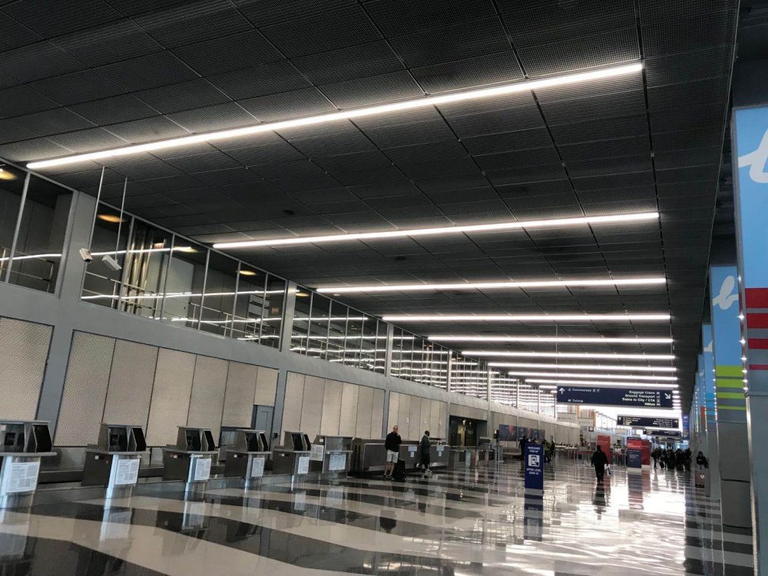
Wholesale buyers do not always sell strips in isolation. Commercial customers may also require linear fixtures, cabinet lighting, or more robust products for industrial areas.
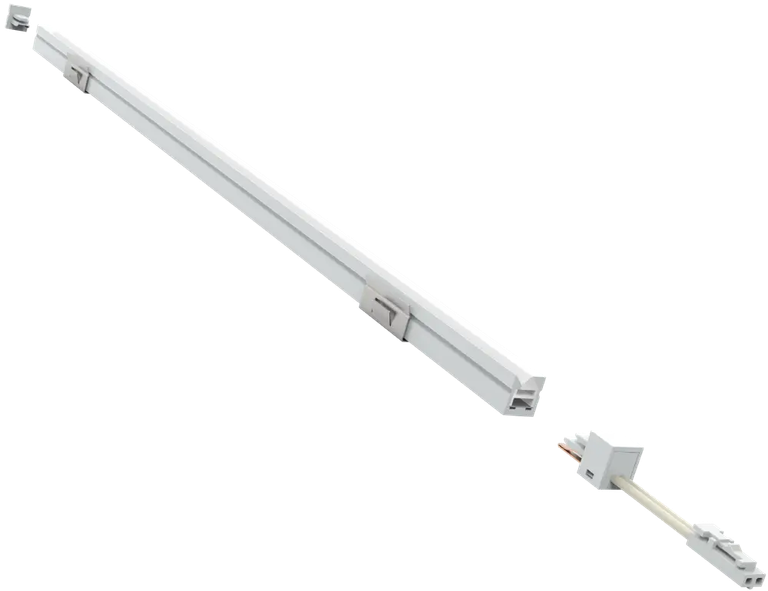
This is where supplier breadth becomes more meaningful. LEDIA’s product structure includes LED strip lights alongside fixtures, cabinet lights, office linear lighting, linear highbay, and tri-proof linear products.
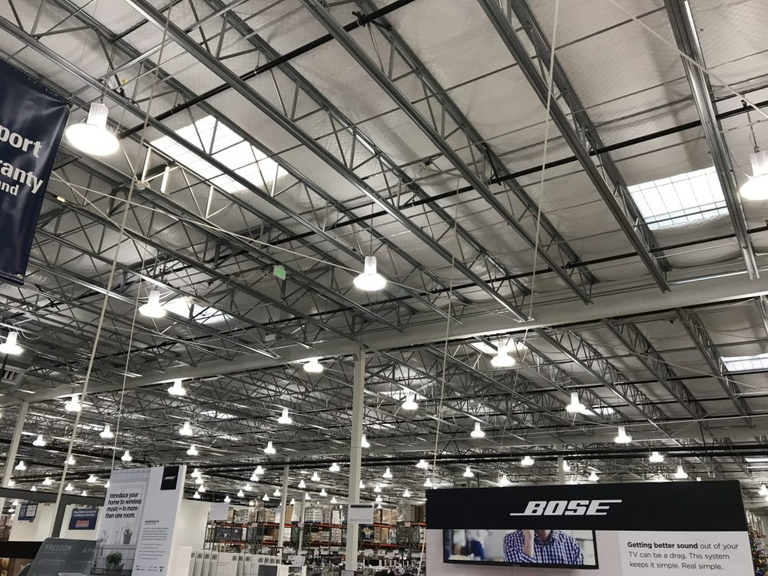
A tri proof LED light supplier can therefore be relevant to the same buyer evaluating strip lighting when customers work across multiple environments. A decorative or architectural project may need flexible strips, while a warehouse, garage, or industrial space may require a protected linear fixture.
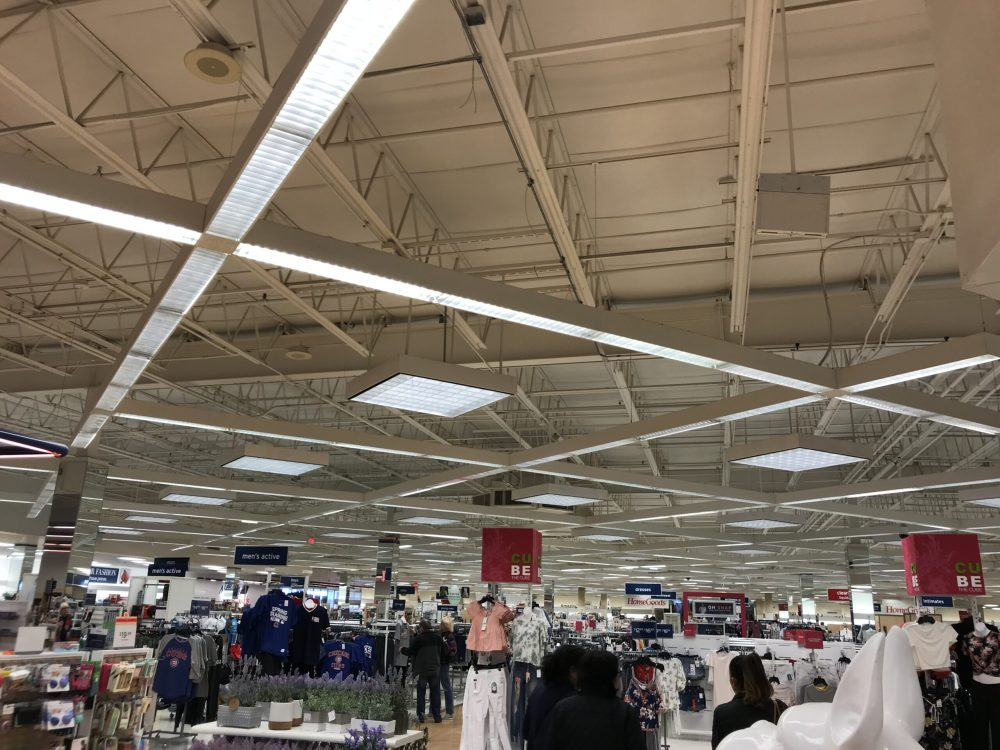
The products should not be treated as interchangeable. LEDIA describes its tri-proof linear products for environments such as factory halls, parking garages, storage areas, and similar demanding applications, where protection against water, dust, impact, and vibration is relevant.
For buyers, the useful comparison is whether a supplier understands these different product roles and can provide the appropriate product for each application.
Look at What Happens Between Production and Shipment
A catalogue can tell a buyer what a supplier sells. It does not necessarily show how consistently those products are manufactured.
Bulk purchasing makes production control particularly important. If the first shipment meets the required specification but later batches vary noticeably, the buyer may face customer complaints, installation problems, or additional inspection work.
Delivering uncompromising quality is a standard we uphold at LEDIA through a multi-layered testing protocol—handling everything from incoming material inspection and in-process evaluation to final quality control and outgoing verification. As highlighted in our published catalogue, we maintain this meticulous oversight across the entire product lifecycle, covering design, manufacturing, delivery, and after-sales care.
The company also states that it operates a CNAS laboratory and uses testing and quality-control systems covering safety, efficiency, and performance.
A buyer comparing LED strip lights wholesale suppliers should ask similar questions: How are incoming materials checked? What happens during production? Are finished products inspected before shipment? Is there a documented process for handling quality issues?
Those answers can be more useful than a long list of marketing claims.
Ask How Custom Orders Are Handled
Standard products are only part of B2B lighting procurement. Projects can require unusual lengths, different color temperatures, customized brightness, specific connectors, or other modifications.
A supplier’s customization process matters because the real challenge is often not whether customization is theoretically available, but whether it can be carried from the initial requirement through samples and mass production.
LEDIA describes a customization process that moves through consultation, design, sample confirmation, mass production, delivery, and after-sales service. Its customization information also identifies length, color temperature, brightness, and other specifications as potential customization points for LED strips.
That gives buyers a useful framework for comparison. Ask how a supplier handles a non-standard requirement, who confirms the technical details, whether samples are available before mass production, and how the approved specification is maintained during the production run.
A supplier that can explain this process clearly is easier to evaluate for project-based orders.
A Wholesale Supplier Should Support the Next Order Too
The first bulk shipment is only one part of a wholesale relationship. Distributors and contractors need confidence that the same specification can be sourced again when a customer places a repeat order.
Production capacity becomes relevant here. LEDIA reports more than 20 production lines and a production capability of approximately 1.5 million meters of LED strips per month, alongside dedicated fixture production.
The buyer should still verify capacity against the actual order rather than assuming that a published figure guarantees availability. Lead time, production scheduling, minimum order quantity, packaging, and repeat-order procedures all deserve confirmation before a large purchase.
The same logic applies when a buyer needs both strips and fixtures. A supplier capable of supporting multiple categories may simplify sourcing, but each product still needs to be evaluated against its intended application.
At LEDIA Lighting, we offer more than regular LED strips. Its portfolio also includes silicone and PVC strip lights, furniture lighting, and several linear fixture categories. For distributors and project buyers, that wider range can be useful when different customers require different types of lighting from the same supplier.
Price still matters in a wholesale purchase, but it should not be the only number on the comparison sheet. Buyers also need to know whether the supplier can maintain the required specifications across larger orders, keep product quality consistent, and handle repeat purchases without creating a new sourcing process each time.
Customization is another point worth discussing before placing a large order. A supplier may offer a wide catalogue, but the more important question is what happens when a customer needs a different length, color temperature, output, or product configuration. Clear communication and a defined production process can make those orders much easier to manage.
The same applies to buyers who source both strip lights and fixtures. A supplier that can provide tri proof LED light supplier options alongside strip lighting may be able to support a broader range of commercial and industrial projects. The products still need to be assessed individually, but having multiple categories available under one supply relationship can simplify purchasing.
For wholesalers, a good supplier relationship should make repeat business easier rather than starting the sourcing process from zero every time. Consistent specifications, reliable communication, manageable lead times, and support for project-specific requirements all become more important as order volumes grow.
That is the real comparison behind LED strip lights wholesale. The lowest quotation may work for one order, but a supplier that can keep the same standards across different products and future orders is usually more useful to a business building a long-term customer base.