Lighting influences how people work, shop, relax, and experience a building. For developers, contractors, designers, retailers, and distributors, choosing fixtures means balancing function, appearance, installation demands, and maintenance. A coordinated approach to wholesale lighting fixtures can create consistency across different room types while allowing each space to retain its own character.
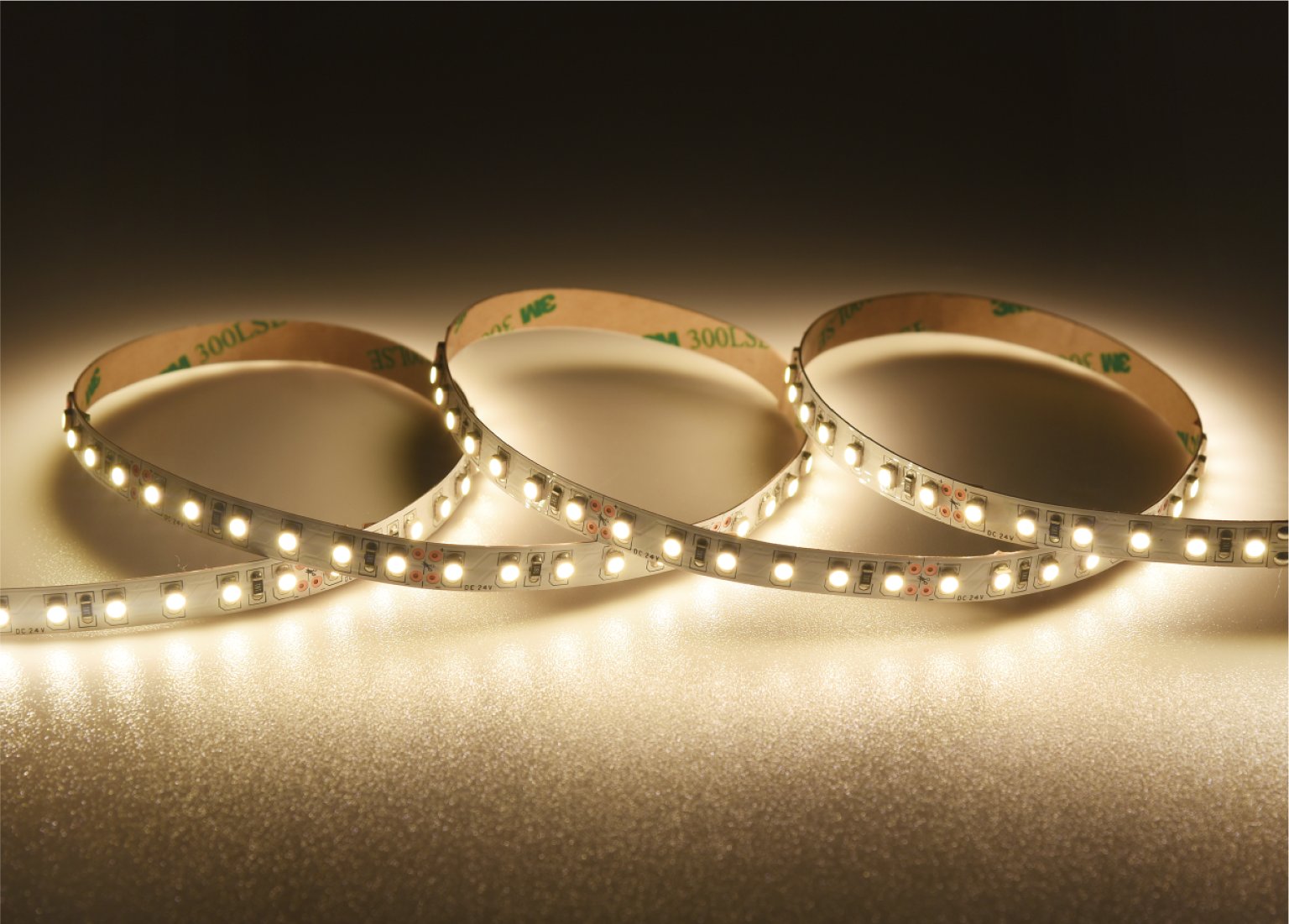
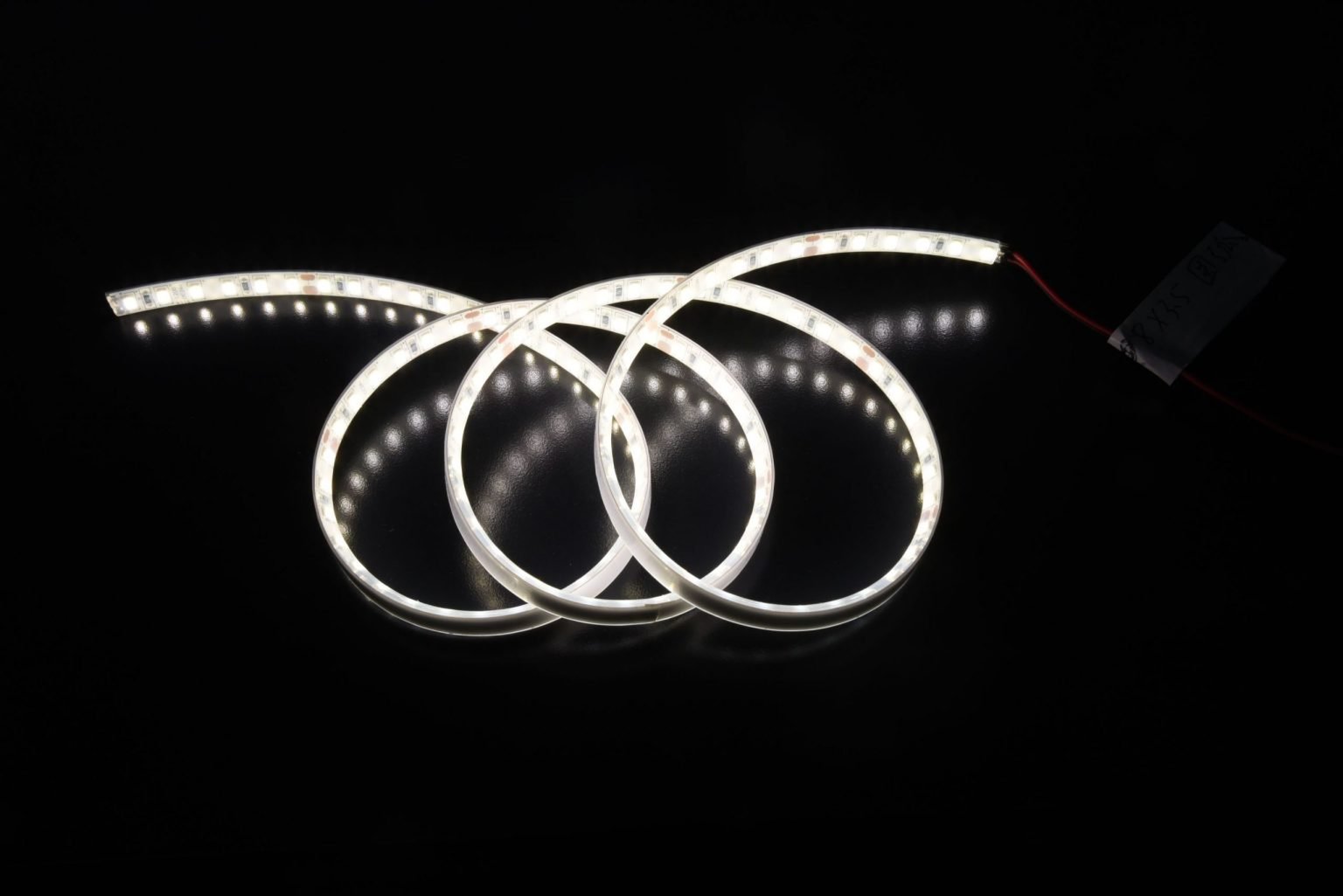
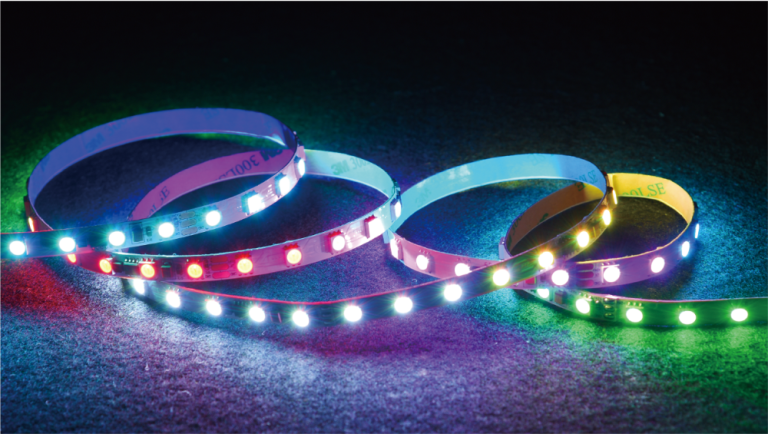
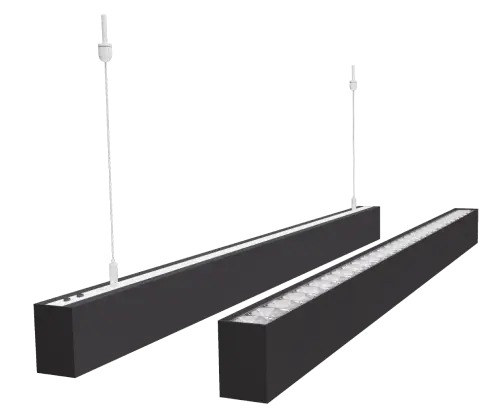
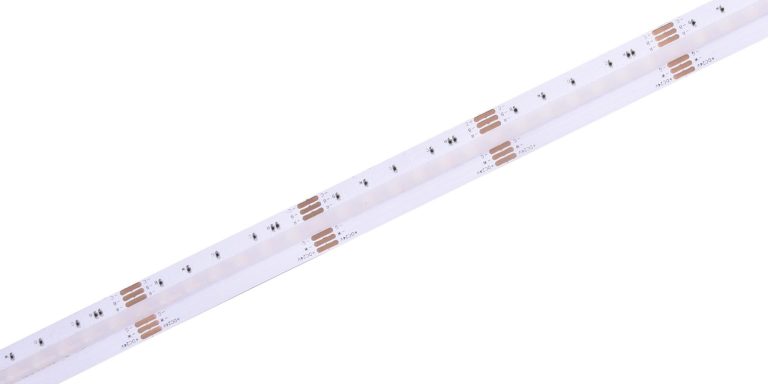
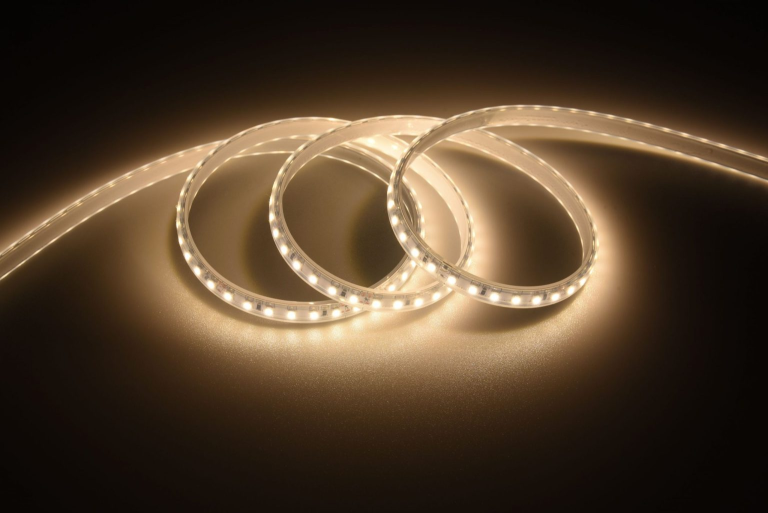
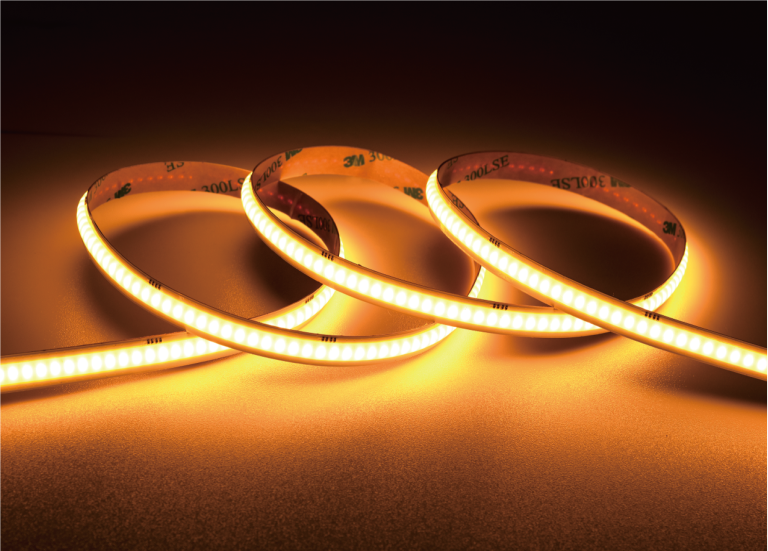
At LEDIA Lighting, we manufacture LED linear lights and provide strip lights, linear fixtures, cabinet lights, high-bay lights, and tri-proof lighting for indoor and outdoor projects. Our range supports applications from furniture details to large commercial areas.
Start with the Purpose of Each Space
A useful lighting plan begins with how people use each area. Ambient lighting establishes a baseline, task lighting supports specific activities, and accent lighting highlights products or architectural features. Combining these layers is generally more adaptable than expecting one fixture type to meet every need. Commercial and residential guidance likewise emphasizes balancing lighting layers around the function of a space.
When sourcing wholesale lighting fixtures, evaluate the project room by room. Consider ceiling height, finishes, daylight, operating hours, maintenance access, and the intended atmosphere. These factors help determine whether an area needs broad illumination, focused light, decorative emphasis, or a combination.
Commercial Applications: Retail, Offices, and Hospitality
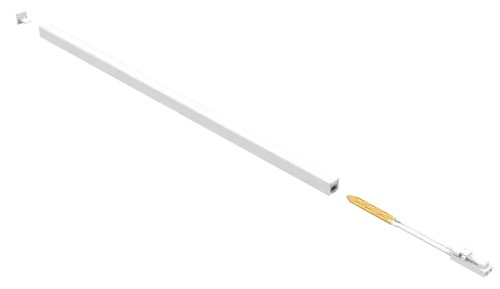
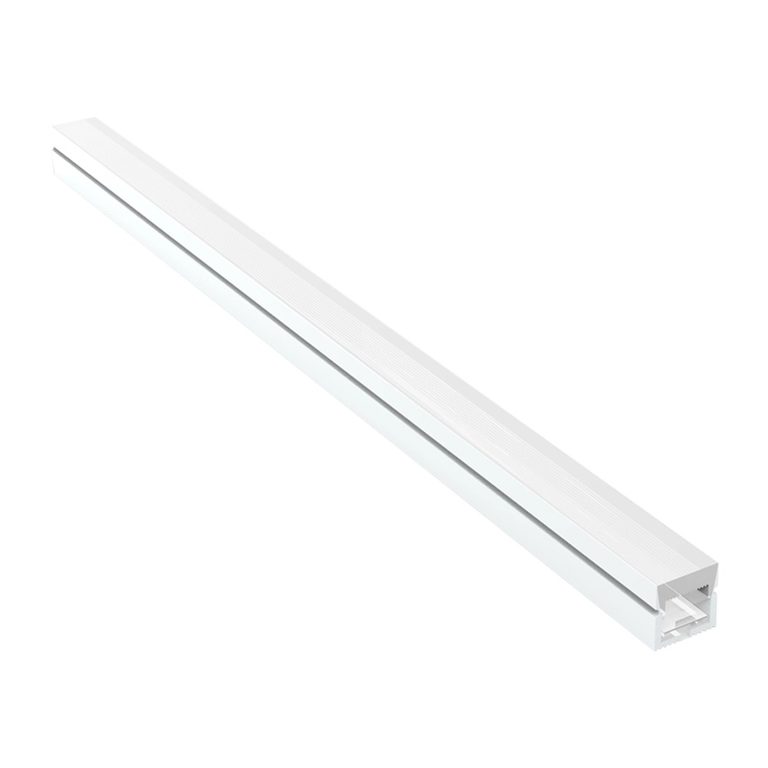
Retail stores and showrooms. Retail lighting should make merchandise easy to examine and help customers navigate. Linear fixtures can illuminate aisles, while accent lighting draws attention to featured displays. Cabinet and shelf lighting improves visibility inside display units. Our F series built-in profile is designed for furniture and retail applications, where an integrated light line can support product presentation.
Offices and shared workspaces. Offices need comfortable general illumination and suitable light at desks, meeting tables, reception counters, and collaboration areas. Linear fixtures can create an orderly ceiling layout, while shelf lighting can serve selected work zones. Consider glare, screen reflections, controls, and changing daylight. The aim is a balanced environment, not simply maximum brightness.
Hotels and restaurants. Hospitality projects combine functional areas with spaces intended to feel welcoming. A lobby may use general lighting for circulation and accent lighting for reception features. In restaurants, concealed linear lighting can add depth to counters, shelves, and architectural details. Service areas may need more direct illumination than guest-facing spaces.
Residential Applications: From Kitchens to Living Areas
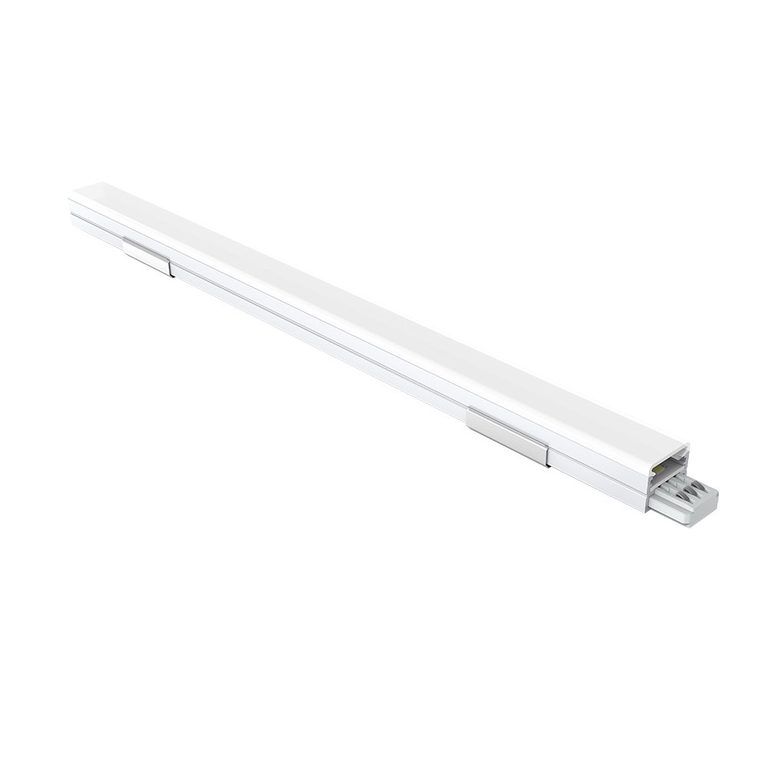
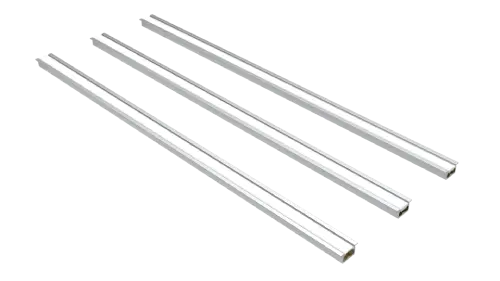
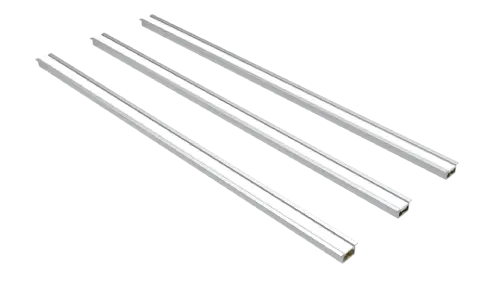
Kitchens and utility spaces. Under-cabinet lighting illuminates worktops and reduces shadows from overhead cabinets. Inside cupboards and pantry units, integrated lighting makes stored items easier to locate. Our built-in and free-cutting Alu Profile Strip Light F01 is designed for wardrobes, closets, kitchen cabinets, and other built-in furniture. It can be cut to the required length to suit different cabinet dimensions.
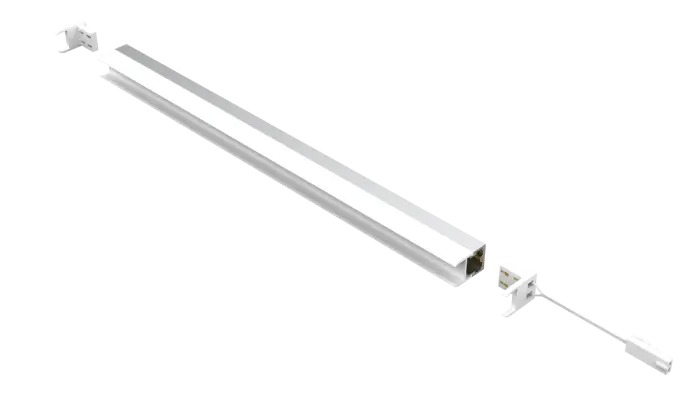
Wardrobes and display furniture. Lighting inside a wardrobe makes clothing and accessories easier to distinguish, while illuminated open shelving highlights objects without using valuable surface space. An aluminium strip LED profile can fit neatly into these built-in details. The F01 uses a quick plug-in terminal and solder-free installation. Its free-cutting design lets installers tailor the length to the furniture layout instead of relying only on standard sections.
Living rooms and bedrooms. These rooms benefit from flexible lighting scenes. General lighting supports everyday activities, while concealed strips add a softer layer around shelving, headboards, ceiling details, or media units. The F01’s two-wire CCT function allows color temperature adjustment for different atmospheres and uses. Designers should coordinate the setting with finishes and other light sources.
Why Profile-Based Strip Lighting Helps
An aluminium strip LED solution suits locations where conventional fixtures may be visually intrusive or difficult to position. Integrated profiles create a defined light line and protect the strip from everyday contact. Aluminium helps transfer heat away from the LED circuit board, supporting reliable operation when lights run for long periods or sit within furniture. Performance still depends on the strip, profile, installation, and operating conditions.
For customized runs, an aluminium strip LED system can reduce the need to join multiple pre-cut sections. Our F01 is supplied in lengths up to three meters and can be cut to suit the installation. Its quick plug-in terminal avoids soldering for the specified connection process, while the aluminum housing is designed to dissipate heat from the LED PCB. These features can simplify furniture-lighting work and reduce material waste.
Specify Fixtures for Installation and Maintenance
Before approving a fixture schedule, confirm light output, color temperature, dimensions, mounting method, power supply, control compatibility, and environmental rating. For strip lighting, check cut positions, connection accessories, driver location, cable routes, and service access. An aluminium strip LED product does not remove the need to check electrical and thermal requirements.
For distributors and contractors, wholesale lighting fixtures should also be assessed for consistency and supply planning. Standardizing suitable fixture families across repeated room types can simplify procurement, replacement, and installation training. However, standardization should not override local needs: a kitchen worktop, retail display, and hotel corridor may require different outputs, optics, controls, and protection levels.
Create a Cohesive Plan for Every Project
Successful projects treat lighting as part of the overall interior and building strategy. Match fixture types to activities, layer ambient, task, and accent light, and plan installation details early. We at LEDIA Lighting support these requirements with linear, strip, cabinet, high-bay, and tri-proof solutions. For furniture and retail applications, our F01 offers cut-to-length flexibility, plug-in connections, CCT adjustment, and an aluminium housing designed for heat dissipation.