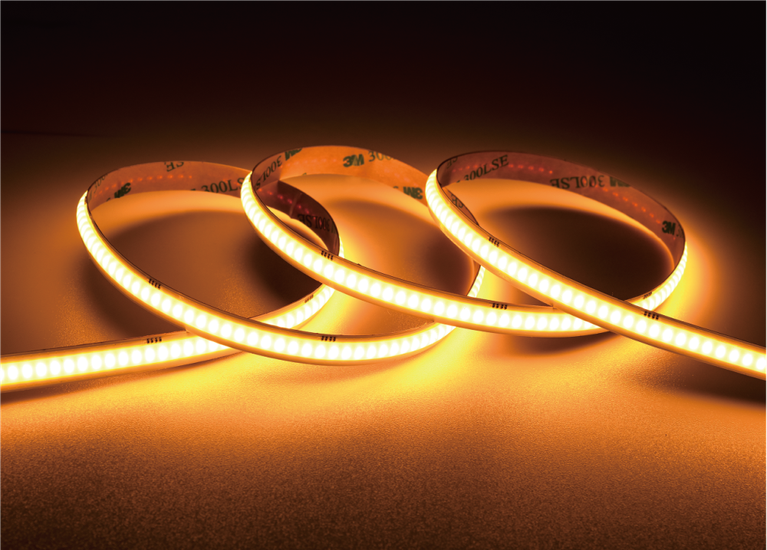
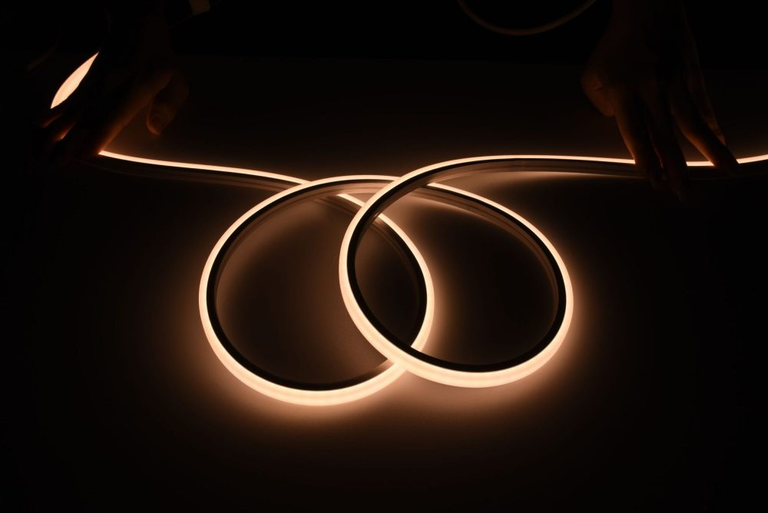
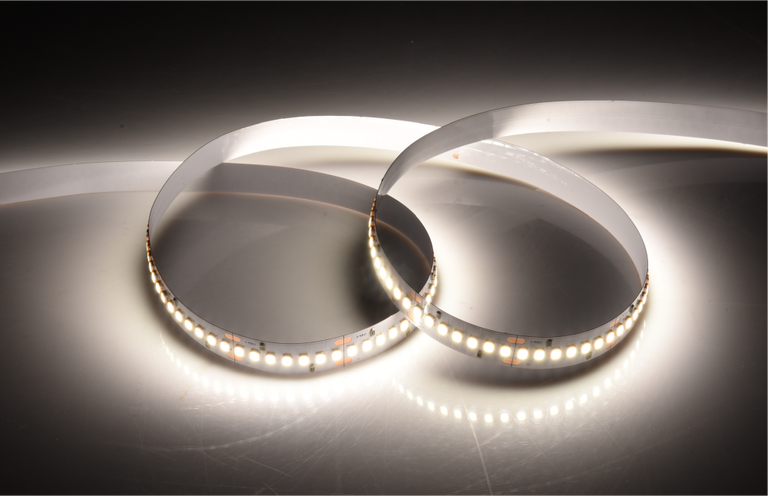
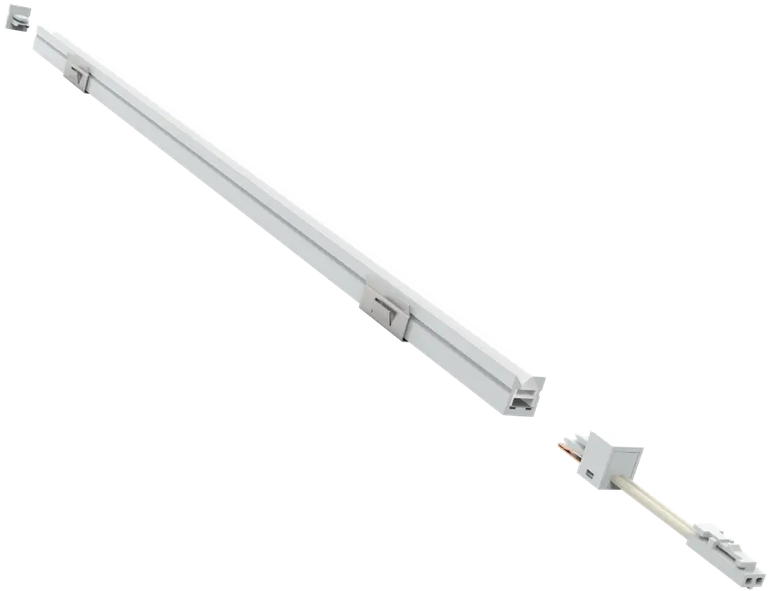
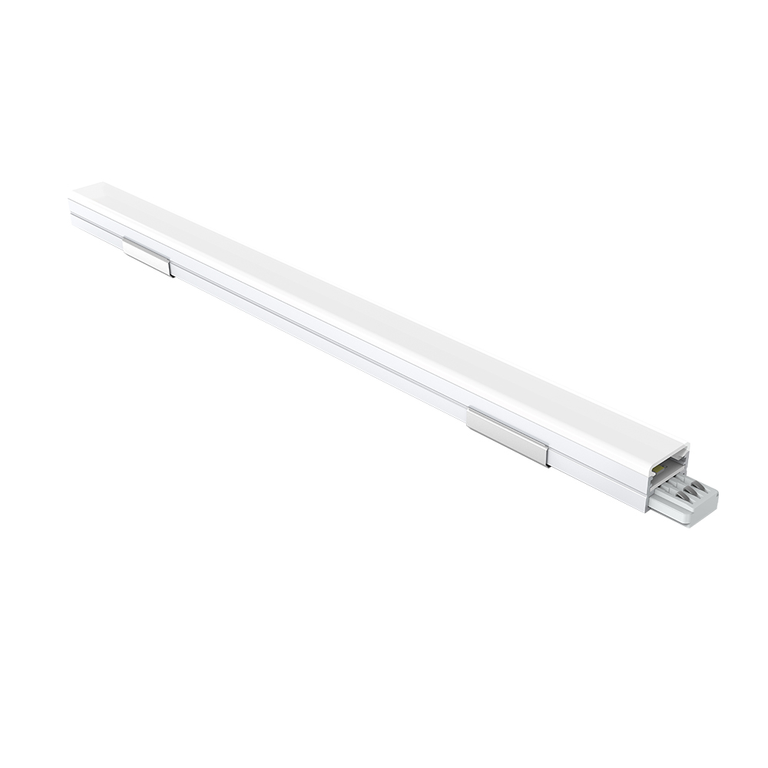
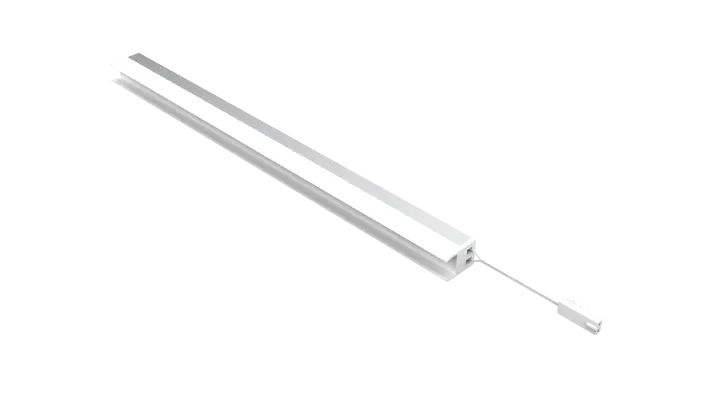
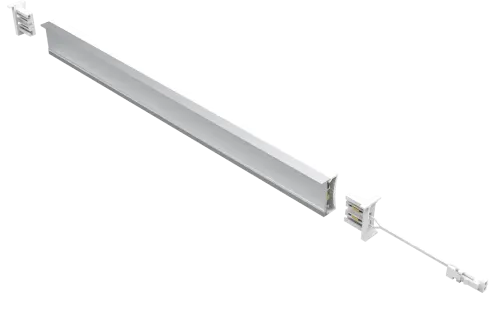
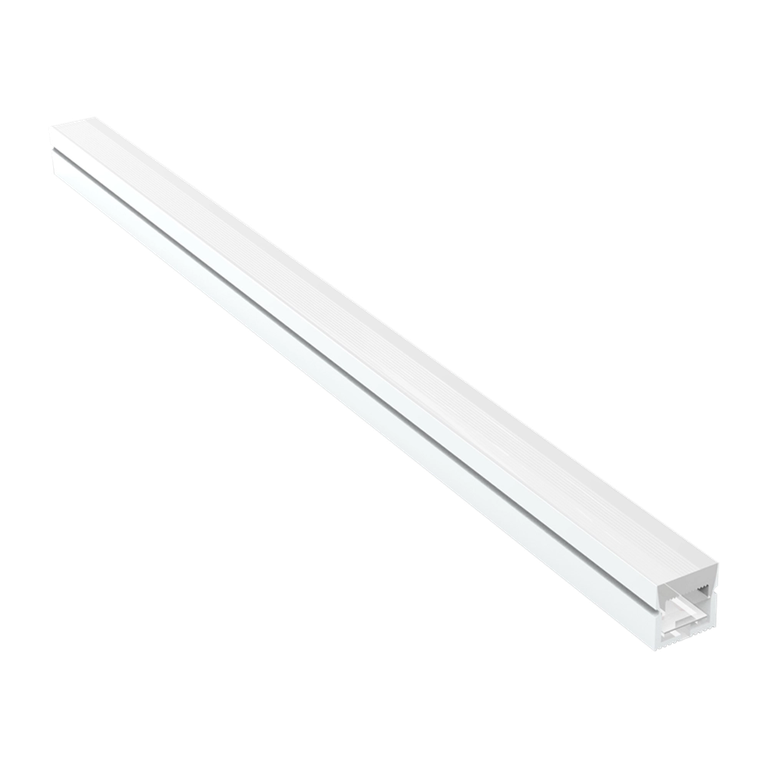
A standard fixture works well when the product dimensions, appearance, lighting output, installation method, and operating conditions already match the project. Problems arise when even one of those requirements falls outside an existing specification. A fixture may need an unusual form, a particular size, a different lighting effect, or construction suited to a demanding environment.
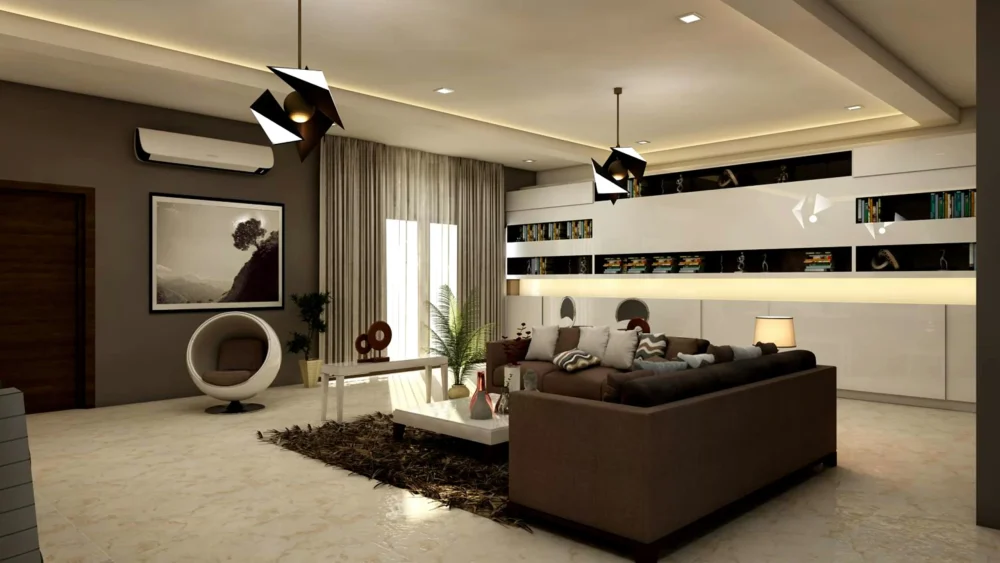
That is where custom light fixtures become more than a design preference. From our perspective, customization is a process of translating a project requirement into a manufacturable lighting product. The value lies not simply in making something different, but in making something that fits the application and can be produced reliably.
A Custom Fixture Starts With a Problem a Standard Product Cannot Solve
Customization should begin with the requirement that existing products cannot satisfy.
An architect may have a specific visual form that does not correspond to a standard housing. A commercial developer may need a fixture to integrate with an existing ceiling or architectural feature. An engineering team may have particular dimensions, light distribution, or installation constraints that make an off-the-shelf model impractical.
We therefore begin custom projects with consultation rather than immediately discussing production. LEDIA Lighting’s documented process starts with consultation, followed by design, sample confirmation, mass production, delivery, and after-sales service.
That sequence matters because “custom” can mean very different things. One project may require a dimensional adjustment, while another may require a substantially different fixture design. Defining the actual gap between the existing product and the project requirement determines how much engineering work is justified.
What Actually Changes When a Fixture Is Custom
The word customization can sound vague until the design variables are identified.
Depending on the project, requirements may involve size and shape, brightness, lighting color, working mode, color temperature, or color rendering. LEDIA’s published customization information specifically identifies these as configurable areas for tailored lighting solutions.
Mechanical design can be equally important. A fixture is not simply a light source; its physical form determines how it fits into the installation. Our manufacturing information describes production lines designed to turn 2D graphic designs into 3D lighting objects, which is particularly relevant when a project begins with an architectural concept rather than an existing fixture model.
Light distribution also deserves attention before the design is finalized. A visually attractive housing is not enough if the resulting illumination does not perform the intended lighting task. That is why custom development needs to consider the optical and physical characteristics together rather than treating appearance as the only customization target.
The same principle applies to branding or OEM work. A custom fixture can represent a product specification that belongs to a particular project, product line, or customer rather than simply being a modified catalog item.
The Sample Is Where the Design Becomes Real
A drawing can communicate dimensions and appearance, but it cannot answer every practical question about a finished fixture.
The sample stage creates an opportunity to examine the physical product before committing to mass production. At LEDIA Lighting, sample confirmation is a defined step between design and mass production.
That checkpoint can reveal issues that are difficult to identify from a concept alone. The physical sample can be reviewed against the intended appearance, installation approach, lighting effect, and other project requirements. If something needs to change, the adjustment can be made before the production quantity becomes large.
Manufacturing validation is also part of the equation. Our customization operation includes automated linear and fixture production lines as well as SMT lines. The company states an annual factory output of 24 million meters of strip lights and 3 million light fixtures.
For B2B buyers, this distinction is important. A supplier may be able to create one prototype, but a useful custom product must also move from prototype to repeatable manufacturing.
Outdoor Projects Raise the Specification Before Production
Outdoor customization introduces another layer because the fixture must operate in an environment where moisture, dust, temperature changes, and exposure can affect the product.
LEDIA identifies outdoor lighting as requiring greater stability in environments with moisture and dust. Its published testing capabilities include environmental reliability and IP protection testing, alongside photometric, electrical safety, and EMC testing.
That makes custom outdoor light fixtures a particularly specification-driven category. The project team needs to define the environmental conditions before the design is locked, rather than treating protection as something to add after the housing has already been designed.
Outdoor projects can also combine functional and visual requirements. A fixture may need to achieve a particular appearance while maintaining the physical characteristics required for its installation environment. The more requirements that need to coexist, the more valuable the consultation and sample stages become.
We approach these projects by connecting the intended use with the design and testing process. A custom outdoor product should therefore be judged by how well the complete design responds to the site—not simply by how different the fixture looks.
A Custom Fixture Is Only Useful if It Can Be Repeated
The final test of customization is not whether a prototype looks correct. It is whether the approved design can be manufactured consistently at the required quantity.
Quality control becomes particularly relevant here. LEDIA states that its CNAS laboratory covers testing areas including safety, efficiency, performance, environmental reliability, and IP protection. These capabilities support the transition from a project concept toward a controlled production process.
Our view is that customization should therefore be treated as a complete product-development workflow. Consultation defines the requirement. Design translates it into a physical and lighting concept. Sampling exposes practical issues. Production turns the approved design into quantity, while testing and quality controls help verify the resulting products.
That is also why custom outdoor light fixtures should not be selected on appearance alone. The right solution must connect the project’s visual objective with its installation conditions and manufacturing requirements.
Ultimately, custom light fixtures make the most sense when a standard product leaves an important project requirement unresolved. The strongest custom program does not begin by asking how much can be changed. It begins by identifying what needs to be different, determining how that difference should be engineered, validating the result through a sample, and confirming that the finished design can be produced consistently. That is the approach we take at LEDIA Lighting when moving a lighting concept from specification to a practical, repeatable product.