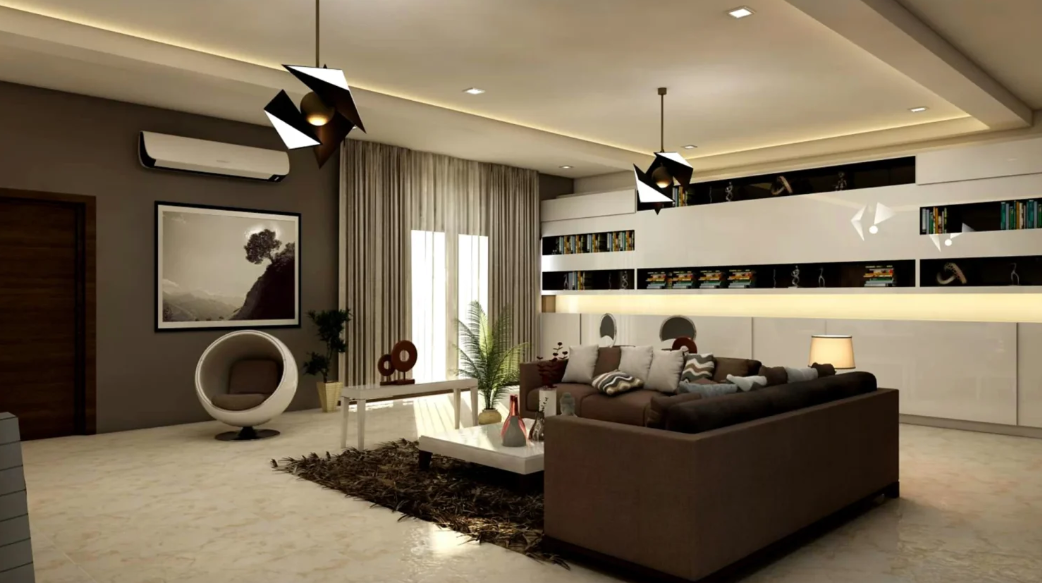
Lighting requirements vary significantly between a warehouse, retail store, office, home, and outdoor installation. Standard products can cover many common needs, but projects with unusual dimensions, specific optical requirements, or demanding environments may require a more tailored approach. Custom light fixtures allow businesses and project teams to align lighting hardware with the physical space, performance targets, and installation conditions.
What Makes a Light Fixture Custom?
Customization does not necessarily mean developing an entirely new luminaire from scratch. It can involve modifying dimensions, wattage, luminous output, color temperature, materials, mounting methods, or other specifications to suit a particular project.
For example, a long commercial ceiling may require a fixture with a specific length and output distribution, while a manufacturing area may prioritize durability and consistent illumination. The objective is to match the lighting system with the actual application rather than forcing a standard product into an unsuitable environment.
For buyers comparing custom light fixtures, the most important starting point is a clear technical requirement. Project teams should define installation dimensions, required brightness, CCT, CRI, operating voltage, environmental conditions, controls, and expected service life before requesting a customized design.
Key Factors to Consider Before Customization
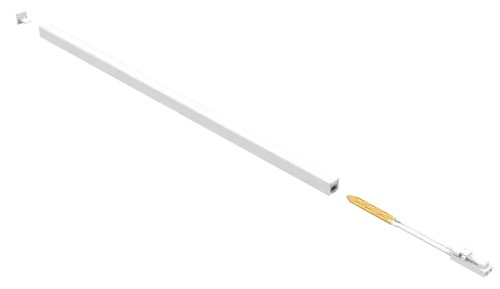
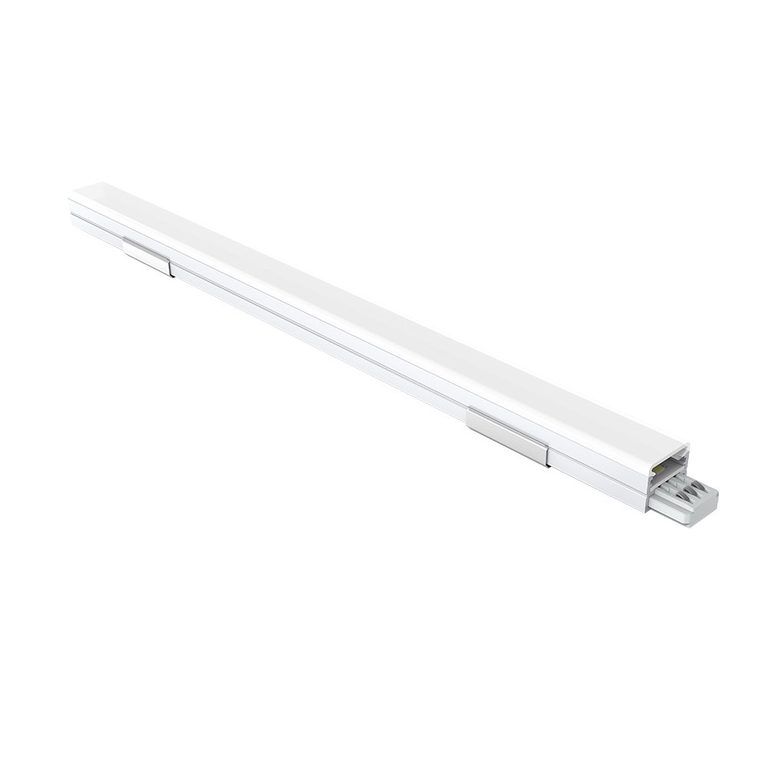
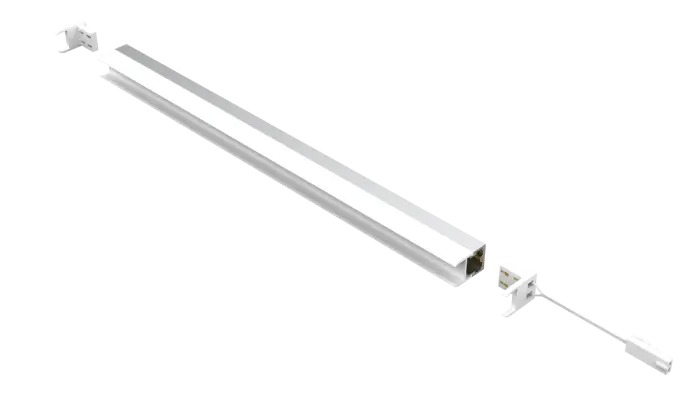
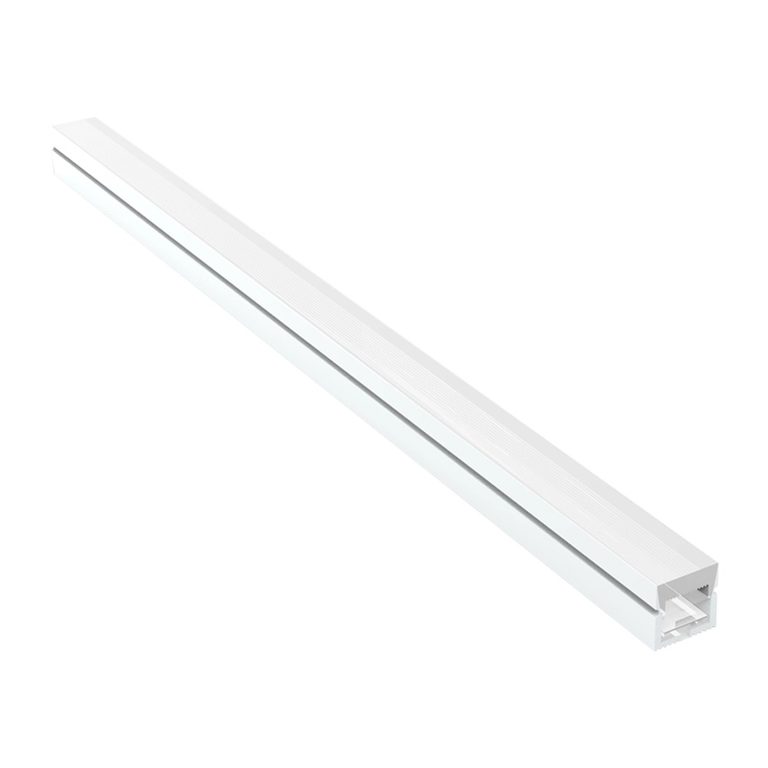
Physical dimensions are often among the first considerations. A fixture must fit the available ceiling, wall, cabinet, shelf, or machinery area while leaving enough space for installation and maintenance. Linear products are particularly useful when continuous illumination or precise integration with architectural structures is required.
Optical performance also deserves attention. Color temperature influences the visual character of a space, while CRI affects how naturally colors are rendered. For commercial or display environments, these characteristics can influence product presentation and the overall appearance of interiors.
Environmental conditions should be assessed just as carefully. Dust, moisture, temperature fluctuations, and outdoor exposure can affect lighting performance and product reliability. Appropriate enclosure and ingress protection requirements should therefore be established before production rather than treated as an afterthought.
Where Custom Lighting Fits Everyday Projects
Commercial spaces are a common application. Retail stores can use customized linear lighting to integrate illumination into shelving, displays, ceilings, and architectural features. Offices may require consistent linear arrangements that coordinate with furniture layouts and ceiling systems.
Industrial environments create different priorities. Factories, production areas, and warehouses may need lighting designed around high ceilings, equipment layouts, long operating hours, or challenging environmental conditions. Customization can help align fixture dimensions and output with the actual working area.
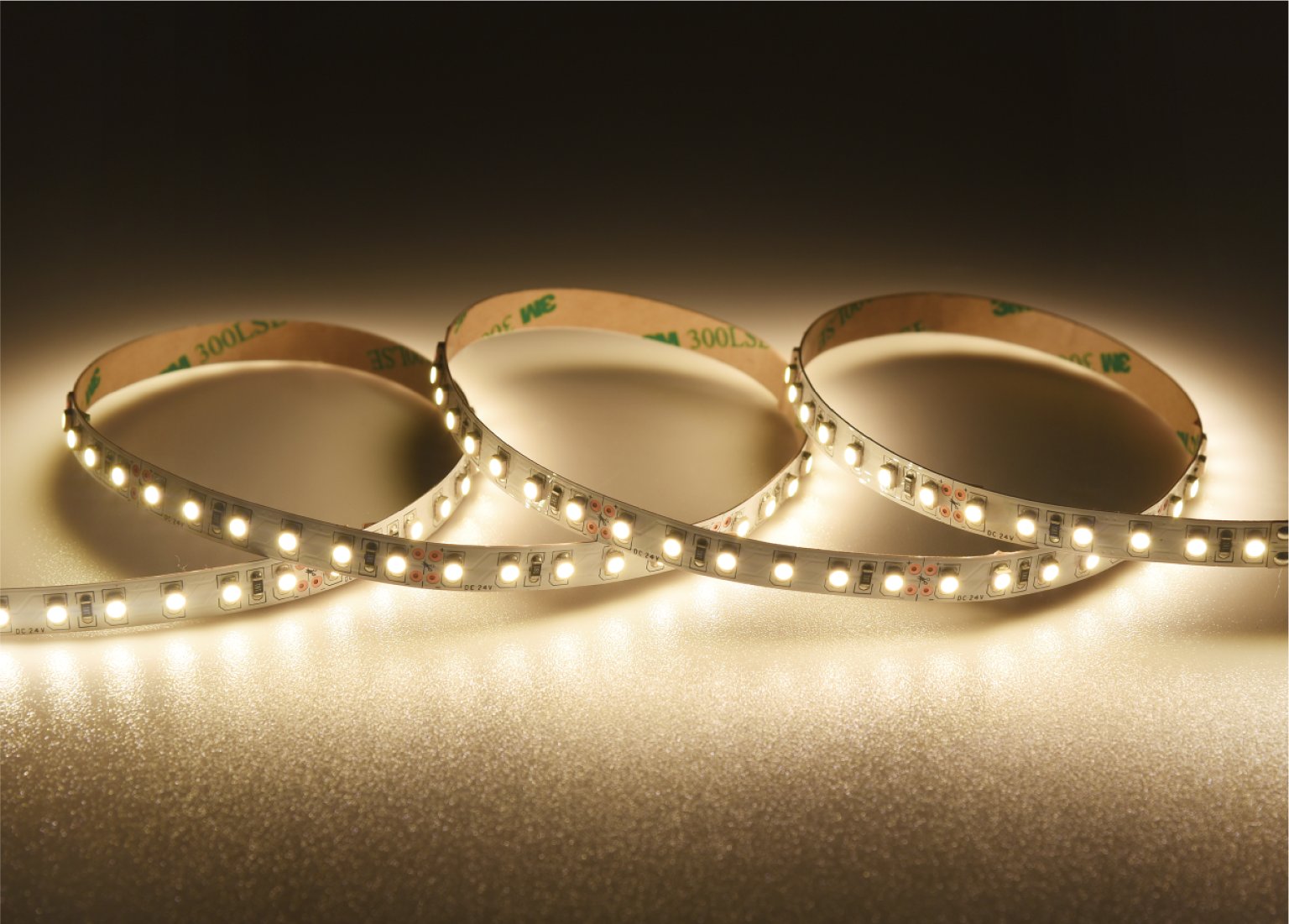
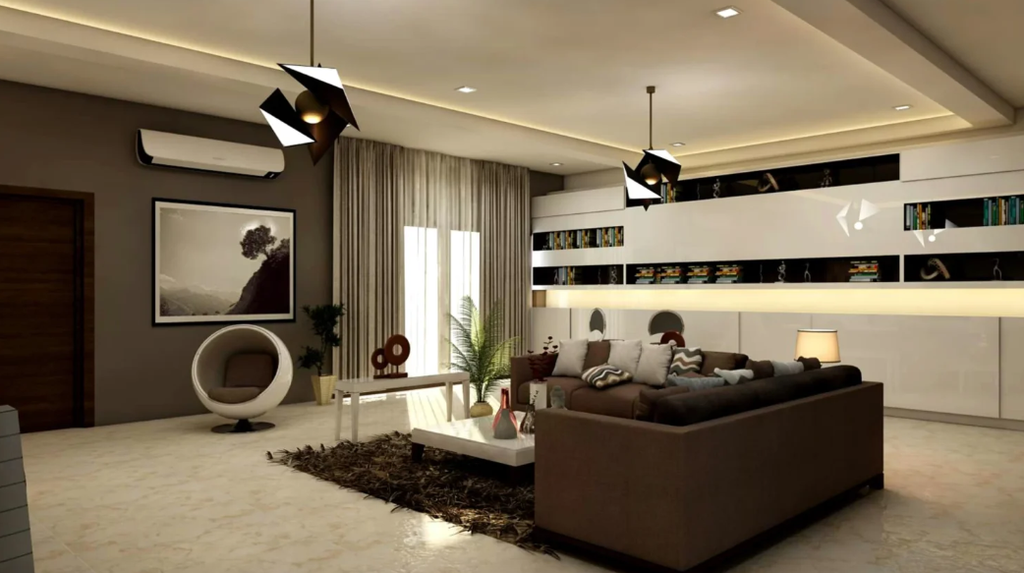
Residential projects can also benefit from tailored lighting. Cabinet illumination, furniture lighting, accent applications, and architectural details may require specific strip lengths or lighting characteristics. We provide customizable LED solutions for residential interiors, including options involving brightness, color temperature, dimensions, and operating modes.
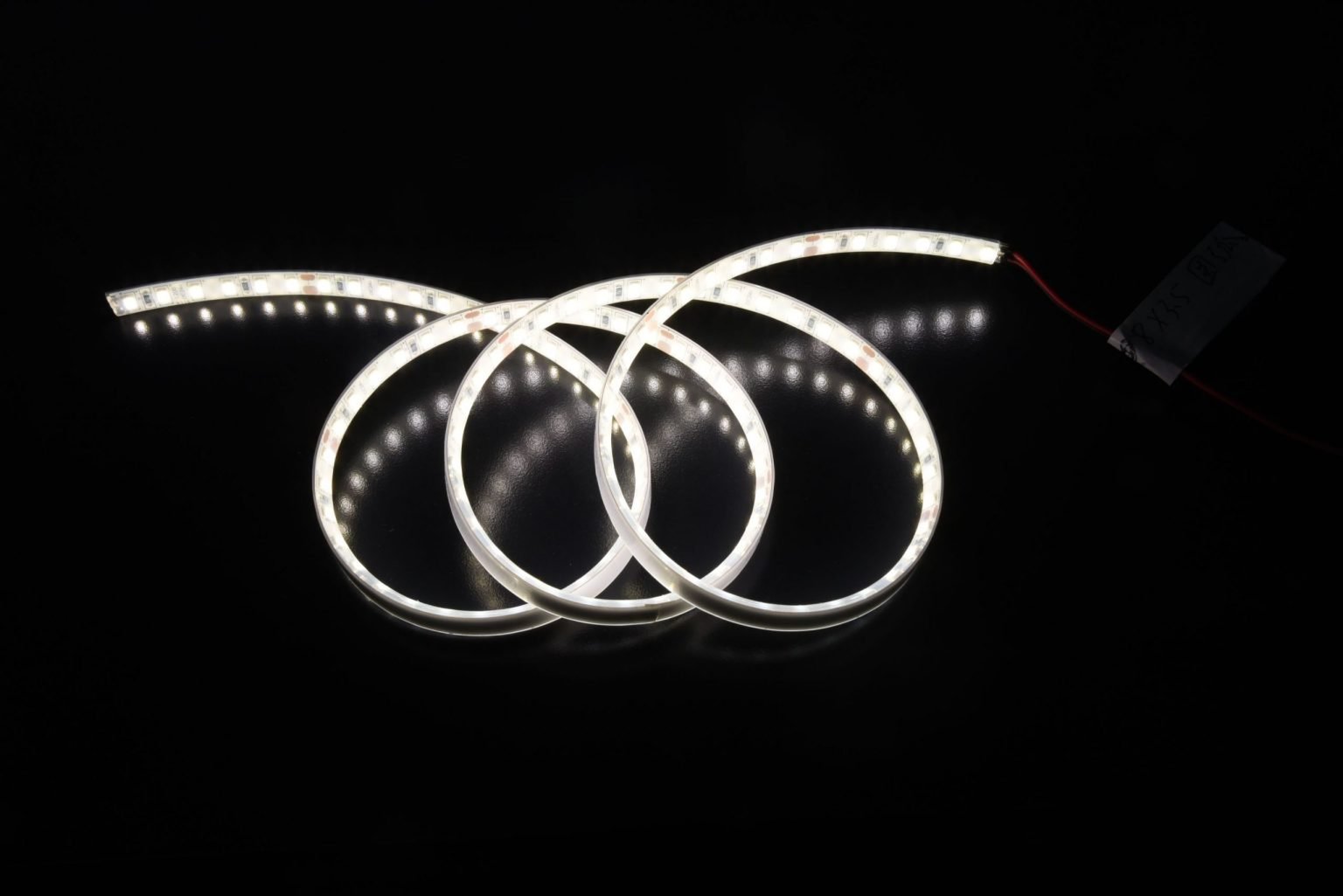
Outdoor applications demand additional attention to durability. Moisture and dust can place greater demands on lighting equipment, so project specifications should address environmental exposure and appropriate protection levels. This is particularly relevant for façades, public areas, commercial exteriors, and other installations where maintenance access may be limited.
Choosing the Right Manufacturing Partner
For businesses sourcing customized products, manufacturing capability matters alongside product design. A supplier needs to translate project requirements into repeatable production specifications while maintaining consistency between samples and mass-produced units.
As one of the experienced LED linear lighting manufacturers, we support OEM and customized lighting projects through design, prototyping, testing, and production. Our facilities include more than 20 production lines for LED strip manufacturing, with a production capacity of approximately 1.5 million meters of LED strip lights per month. We also operate dedicated luminaire production lines with a monthly capacity of up to 10,000 pieces.
Quality verification is another important consideration. Our CNAS-accredited laboratory supports testing covering areas such as photometry, electrical safety, electromagnetic compatibility, environmental reliability, and IP protection. These processes help us evaluate whether customized lighting products meet defined technical and environmental requirements before delivery.
From LED Strips to Complete Linear Solutions
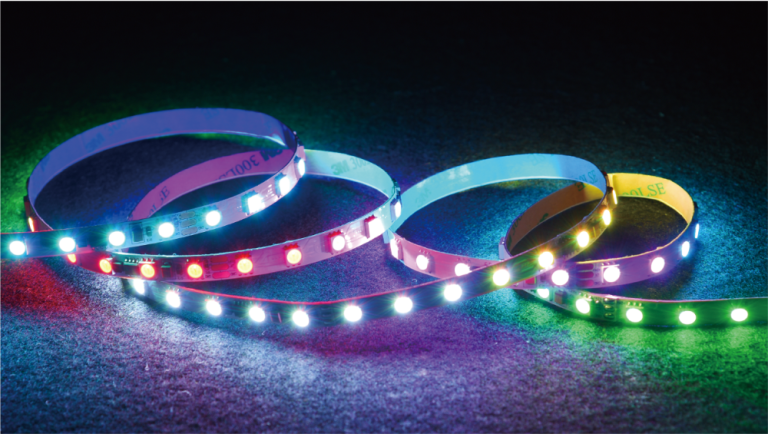
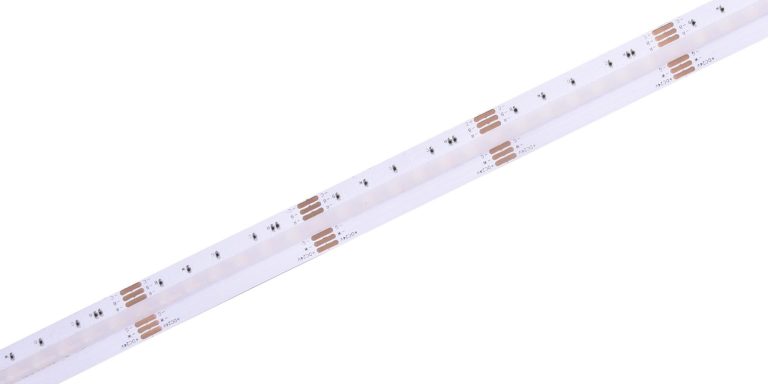
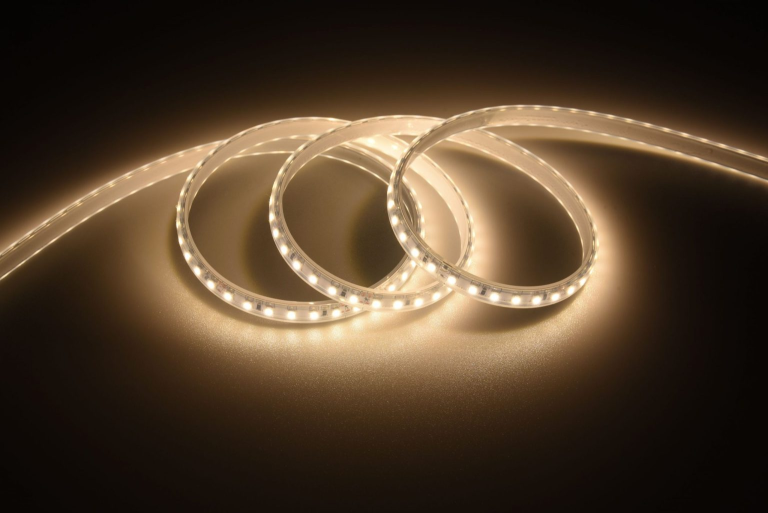
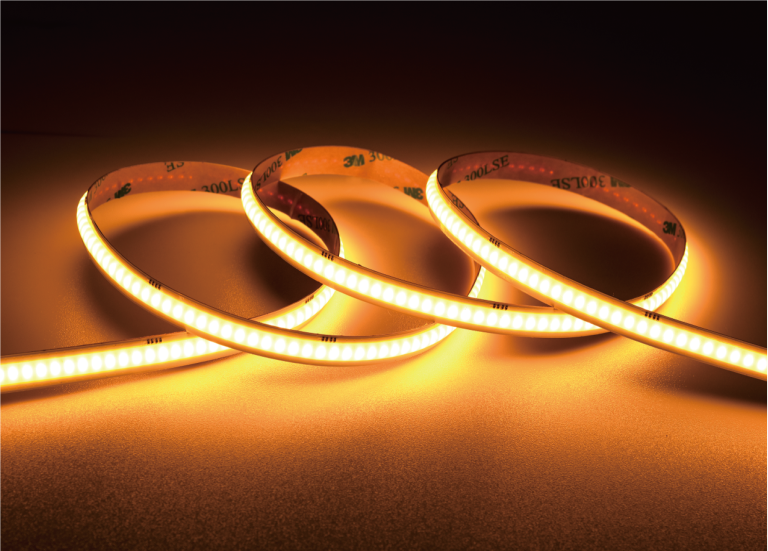
Custom projects do not always require a complete fixture redesign. Flexible LED strips can provide another practical route when installations require unusual lengths, curved surfaces, furniture integration, or concealed illumination.
Our standard strip-light range includes CRI80+ products with efficacy up to 110 lm/W and CRI90+ products up to 90 lm/W. Available waterproof options include IP20, IP65, IP67, and IP68, while CRI80+, CRI90+, and CRI95+ options support different visual requirements.
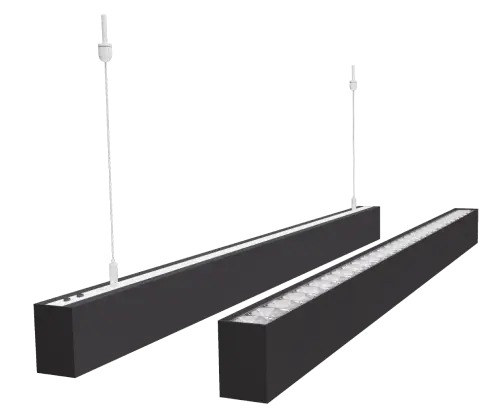
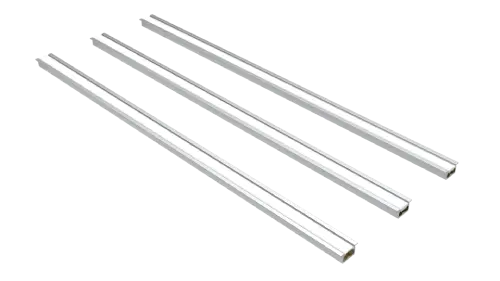
For larger commercial and industrial projects, we also offer linear fixtures with configurable characteristics. For example, our LDTL-B tri-proof linear series supports 3000K, 4000K, and 5000K CCT, CRI above Ra80, and 120V or 240V input voltage. Available configurations include different sizes, wattages, and luminous flux levels.
Making Customization More Predictable
Successful customization begins with accurate project information. Buyers should provide drawings, installation dimensions, operating conditions, desired light output, CCT, CRI, control requirements, and relevant compliance requirements. Clear information reduces unnecessary revisions and gives manufacturers a stronger basis for developing samples.
Working with established LED linear lighting manufacturers can also simplify the transition from concept to production. Our customization process covers consultation, design, sample confirmation, mass production, delivery, and after-sales support, creating a structured path from the initial requirement to the finished lighting solution.
Building Better-Fit Lighting Solutions
The value of custom light fixtures lies in their ability to connect lighting performance with real project conditions. Whether the application involves retail displays, industrial facilities, offices, residential interiors, or outdoor environments, customization can address requirements that standard products may not fully accommodate.
At LEDIA Lighting, we combine flexible LED strip solutions, linear fixtures, R&D resources, automated production, and testing capabilities to support different project requirements. For businesses evaluating LED linear lighting manufacturers, this combination of customization support and manufacturing infrastructure can make the path from specification to dependable mass production more straightforward.