Commercial lighting projects increasingly require solutions that balance visual quality, installation flexibility, efficiency, and dependable performance. COB LED strip lighting has become an important option for applications where a continuous appearance matters. For architects, lighting designers, contractors, and distributors, understanding how this technology works can make product selection more straightforward. We explore the fundamentals while considering how LED linear lighting strips can support practical and design-focused projects.
What Makes COB LED Strip Lighting Different?
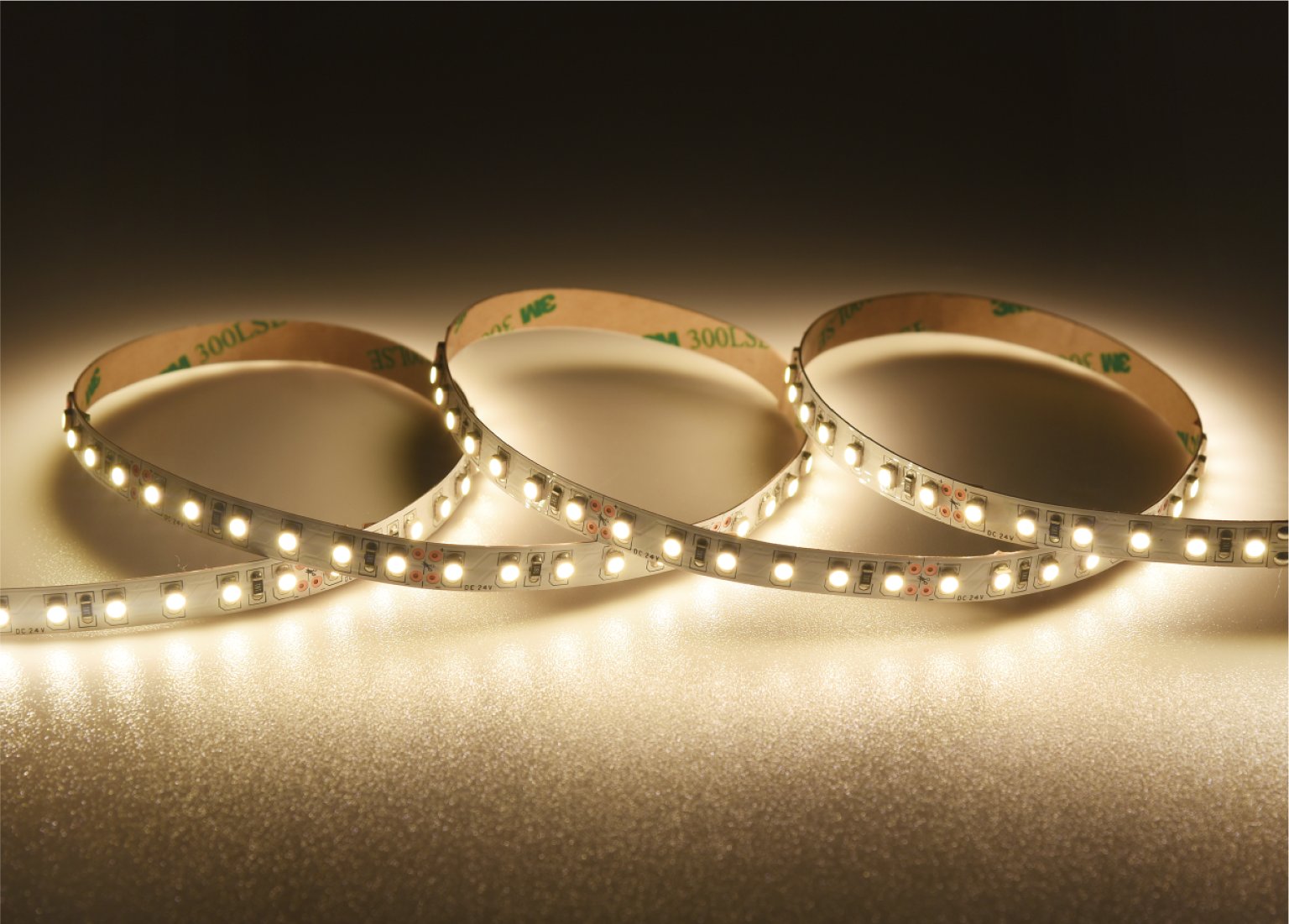
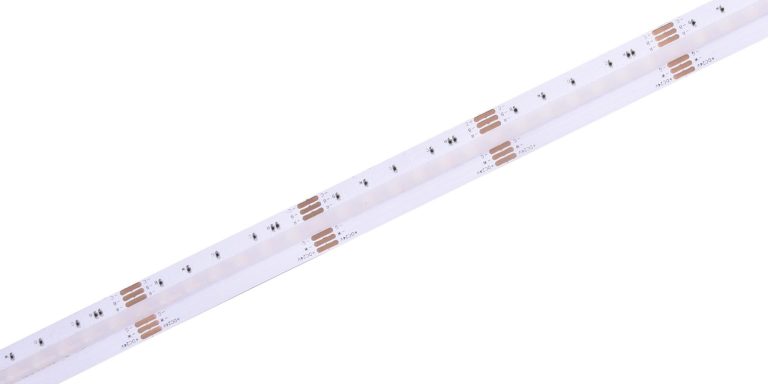
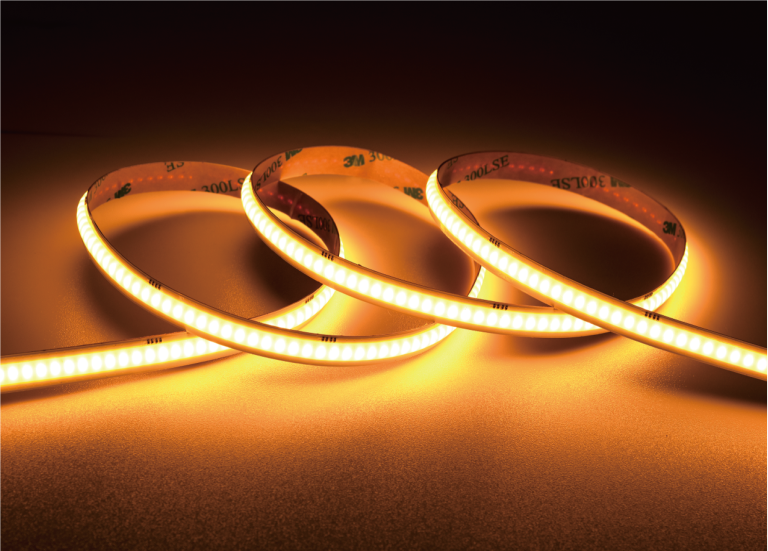
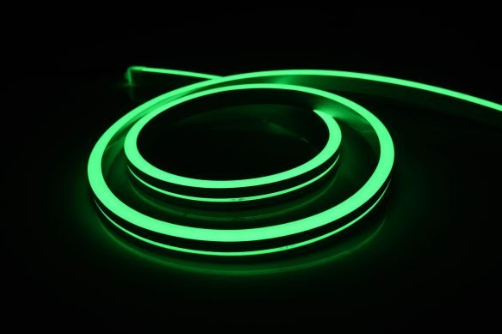
COB stands for “chip on board,” referring to a manufacturing approach in which numerous LED chips are mounted closely together on a substrate. A phosphor layer can then create a more continuous light-emitting surface. Compared with conventional strips where individual LED packages may be visibly separated, COB construction can produce a smoother visual line.
This distinction becomes particularly relevant when the strip is installed in applications where the light source remains visible or is positioned close to a reflective surface. Conventional LEDs can create recognizable points of light, while COB technology is designed to minimize this dotted appearance. That makes COB particularly useful for clean architectural details and continuous illumination.
Why Continuous Illumination Matters for Projects
Uniformity is more than an aesthetic consideration. Lighting designers need predictable visual results across shelves, cabinets, architectural recesses, displays, and other linear features. A continuous-looking output can reduce distracting bright and dark points, helping designers achieve a more controlled appearance.
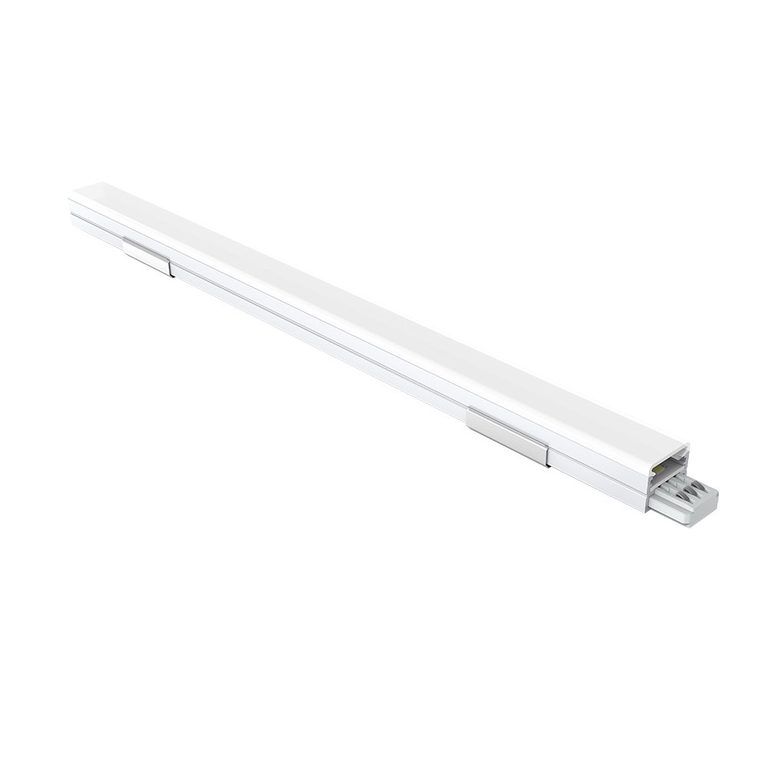
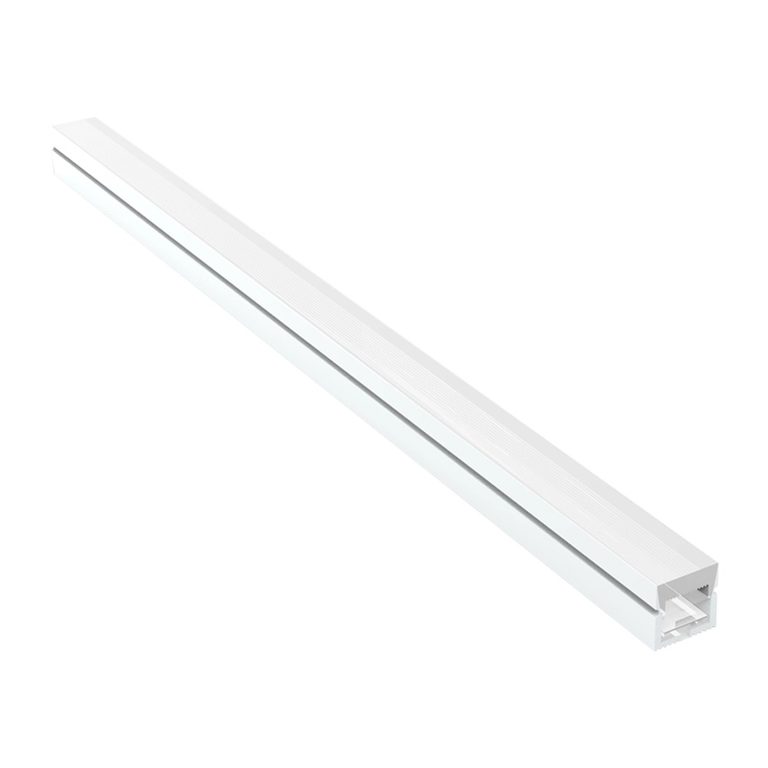
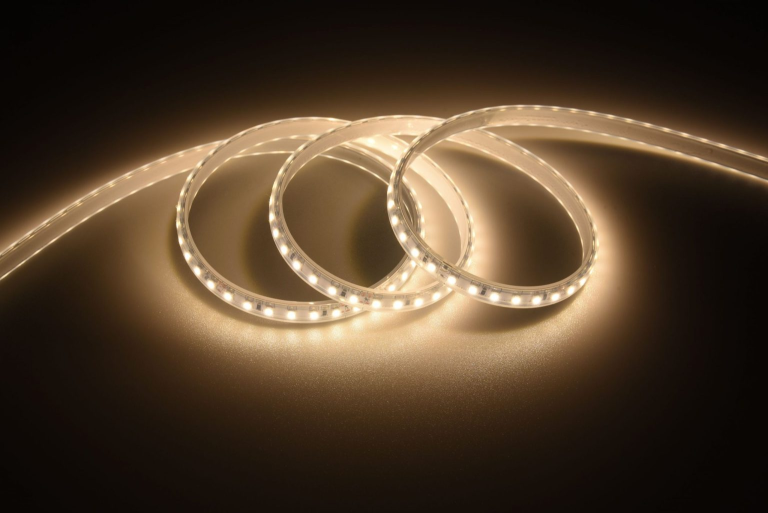
For commercial projects, LED linear lighting strips can also simplify the design of long, narrow lighting elements. Their flexible form allows lighting to follow architectural lines rather than relying exclusively on rigid fixtures. This can be useful when the installation includes curves, concealed details, or spaces where conventional luminaires are difficult to position.
Key Factors to Evaluate Before Selection
COB technology alone should not determine a purchasing decision. Project teams should consider color temperature, color rendering, luminous output, dimming compatibility, cutting requirements, power supply selection, installation conditions, and overall system compatibility.
Color rendering deserves particular attention in retail, hospitality, and display environments. A high CRI indicates that a light source can reproduce colors more faithfully under specified testing conditions. For example, LEDVANCE lists CRI above 90 for one of its COB strip ranges, alongside dimmability and multiple color-temperature options.
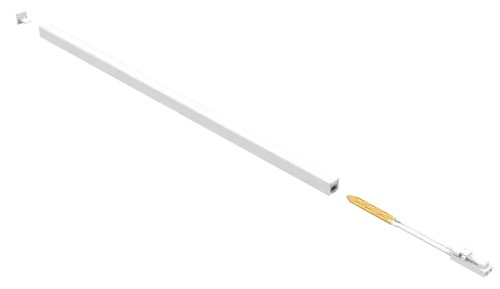
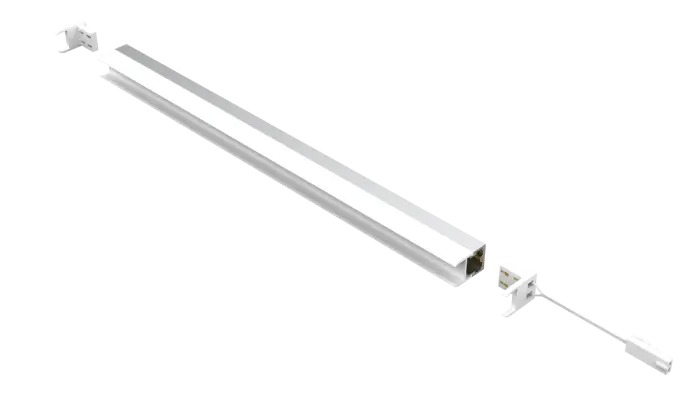
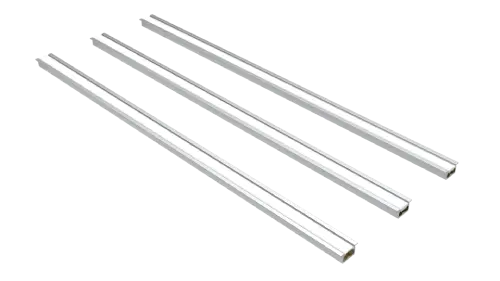
Installation requirements are equally important. Buyers should confirm the appropriate power supply and control equipment, understand where the strip can be cut, and determine whether profiles, connectors, mounting accessories, or heat-management provisions are needed. These details can influence both installation efficiency and long-term system performance.
Flexible Lighting Solutions for Different Applications
The flexible construction of strip lighting gives project teams considerable freedom when working with architectural details. Applications can include cove lighting, display cabinets, retail shelving, hospitality interiors, furniture illumination, signage, and decorative architectural elements.
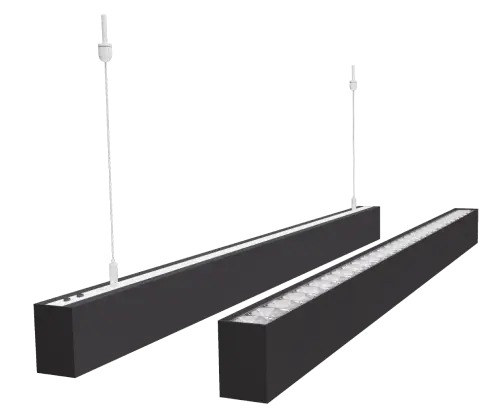
For contractors and distributors, flexible lighting solutions can also support different project configurations without requiring an entirely different fixture format for every installation. However, flexibility should always be considered alongside the environmental and electrical requirements of the intended application.
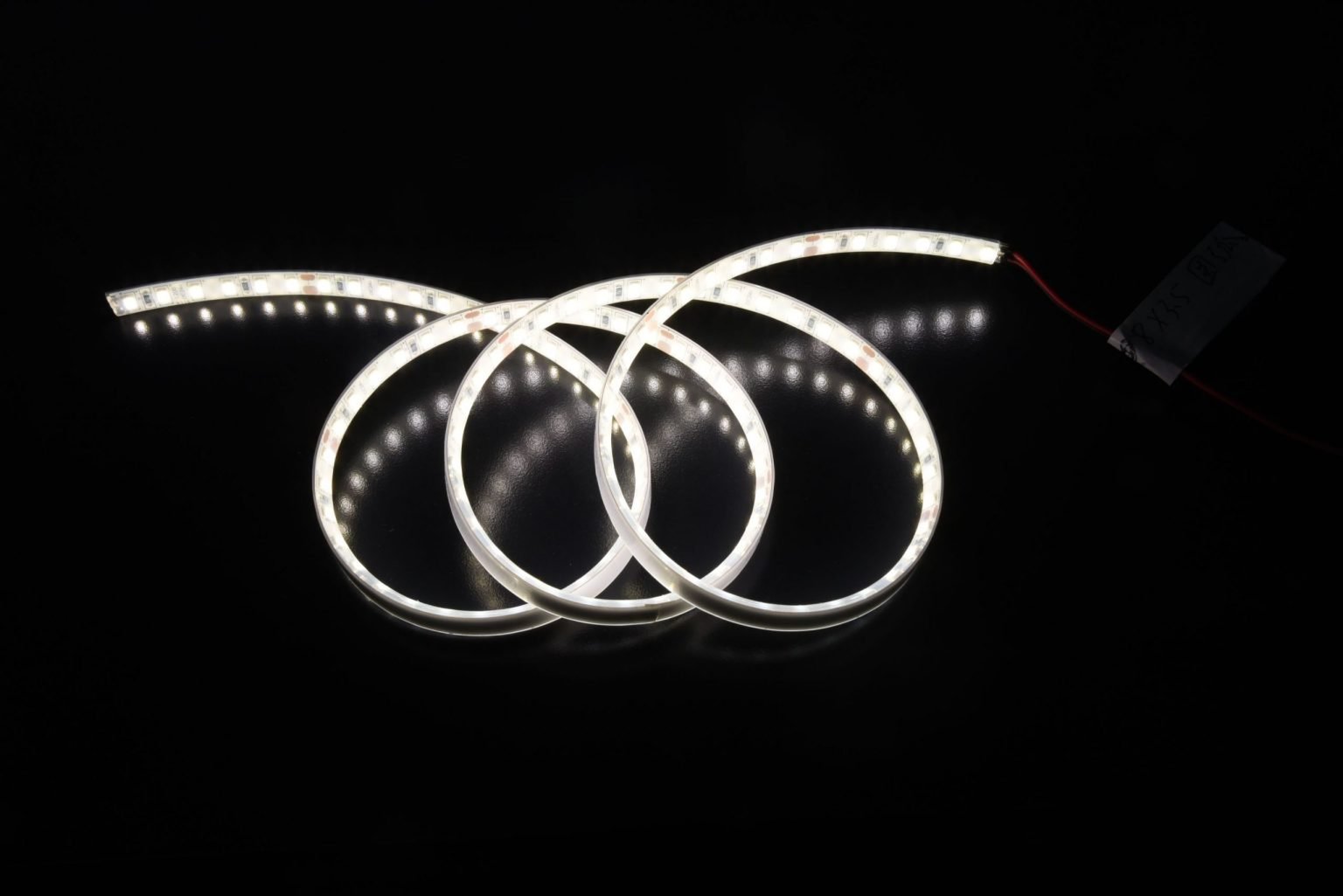
Project specifications should also identify whether the installation is indoors or exposed to moisture, dust, temperature changes, or other environmental conditions. The correct product construction and protection level should be selected according to the actual installation environment rather than assumed from the strip’s appearance.
Certification and Supplier Capability Matter
For business buyers, product quality is one part of supplier evaluation. Documentation, certification, manufacturing capability, customization support, and communication can all affect project execution. UL Solutions notes that lighting products may be evaluated against standards covering safety, performance, electrical characteristics, environmental conditions, and other requirements.
We support our LED light strips with recognized international certifications, including China CCC certification and US UL/ETL certification. These certifications can be an important consideration when buyers are evaluating products for different markets and project requirements. Certification should always be checked against the exact product and applicable certification scope.
As an LED strip light supplier, we also combine product development and manufacturing capabilities with customized support. This allows us to work with customers on LED lighting requirements that may differ in dimensions, application, installation method, or project configuration.
Choosing the Right Partner for Linear Lighting
Selecting LED linear lighting strips is ultimately a combination of technical evaluation and supplier capability. Buyers should compare the intended application, light quality, electrical requirements, installation environment, certifications, and available customization before placing an order.
We provide flexible lighting solutions for different project and installation requirements, helping business customers move from general lighting concepts toward products suited to specific applications. Rather than treating every project as identical, we can work around the practical requirements identified by customers during product selection and development.
Making COB Technology Work for Your Project
COB LED strip lighting offers a practical route to continuous-looking illumination while retaining the installation flexibility associated with strip lighting. Its closely arranged LED chips can help reduce visible dotting, making it relevant to architectural, retail, hospitality, and display applications.
For professional buyers, the solution extends beyond the LED technology itself. Careful attention to specifications, compatibility, certifications, installation conditions, and supplier support can contribute to a more reliable project outcome. With our manufacturing capabilities and certified LED strip products, we at LEDIA Lighting work with customers seeking LED linear lighting strips and flexible lighting solutions for diverse business applications.