Lighting procurement can become complicated when a project involves multiple rooms, installation methods, controls, and performance requirements. For commercial buyers, the safest approach is to treat lighting as part of the building system rather than as a collection of attractive products. A clear project brief, suitable optical design, compatible controls, and reliable specifications can reduce changes later.
Define the Project Before Choosing Fixtures
Start by documenting the spaces, ceiling conditions, mounting heights, work activities, operating schedules, and expected occupancy. Offices, classrooms, galleries, and libraries can have different visual requirements, so fixture selection should follow the application rather than precede it. The Illuminating Engineering Society’s current office guidance addresses illuminance, glare, color, flicker, controls, and luminaire selection as connected design considerations.
For buyers sourcing wholesale lighting fixtures, the project brief should also record quantities, dimensions, wattage ranges, color requirements, emergency-lighting needs, control protocols, and local compliance requirements. This information gives suppliers enough context to quote comparable products instead of providing disconnected prices for different configurations.
Match Optics and Mounting to the Space
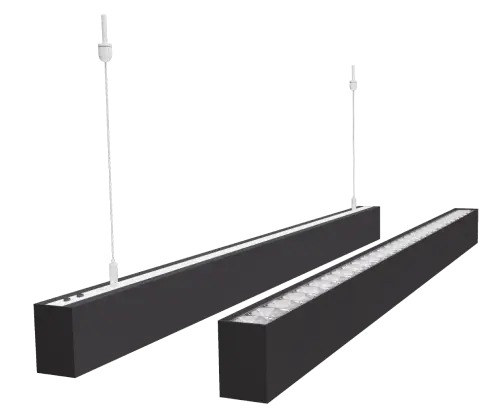
Optics influence how light reaches desks, circulation areas, displays, and other surfaces. A diffuser can provide broad distribution, while microprismatic or louvered solutions may be selected when glare management is a priority. UGR is a recognized measure of discomfort glare, so buyers should consider glare alongside illuminance rather than treating brightness alone as the target.
Mounting is equally important. Surface-mounted fixtures can work where the ceiling structure or depth limits suspension options, while suspended systems can help define visual zones and distribute light from a different position. During specification, confirm mounting accessories, suspension lengths, ceiling interfaces, and installation clearances instead of assuming that every fixture supports the same configuration.
Plan Controls Alongside the Fixture
Controls should be discussed before the purchase order, especially for offices with daylight exposure or variable occupancy. The U.S. Department of Energy notes that LED luminaires can work with occupancy sensing, task tuning, and dimming, while daylight-responsive controls can adjust electric lighting according to available daylight.
For a project team, this means checking whether the proposed driver and control system are compatible. Common requirements may include on/off switching, 0–10 V dimming, DALI, occupancy sensing, or daylight response. Smaller lighting zones can also provide more flexibility for different work patterns. A control strategy designed after installation may create avoidable rewiring, commissioning, or compatibility issues.
Review Product Flexibility and Specifications
A useful procurement schedule should list every variable that affects the final configuration: length, wattage, optics, CCT, mounting, driver, finish, controls, connectors, and accessories. This is particularly important when several areas use the same fixture family but require different configurations.
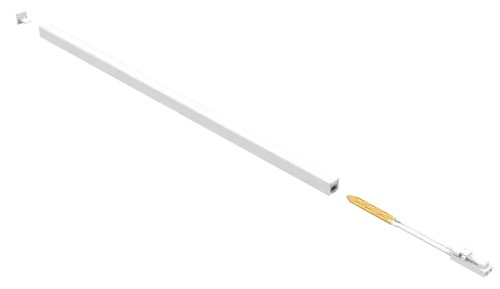
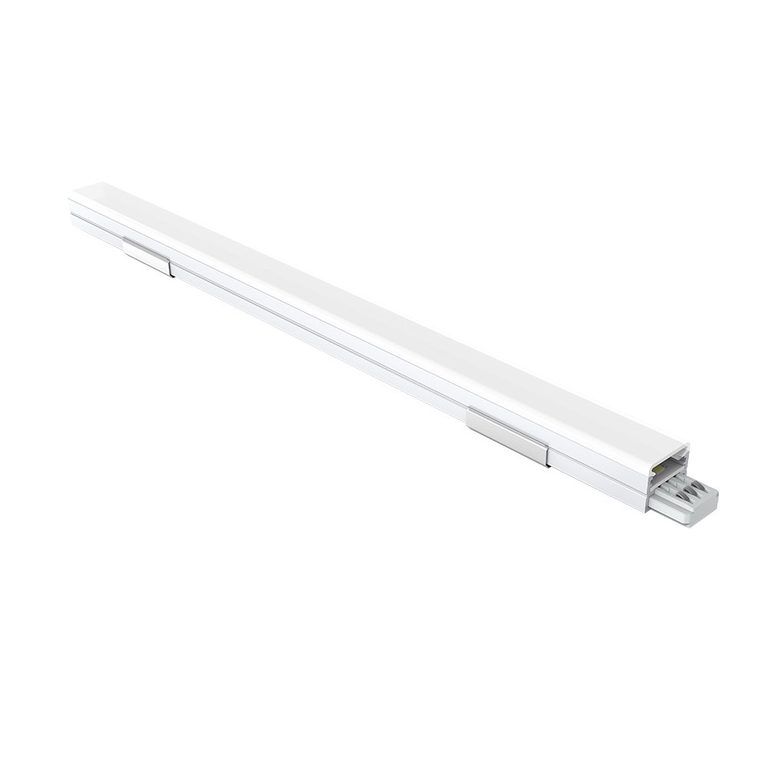
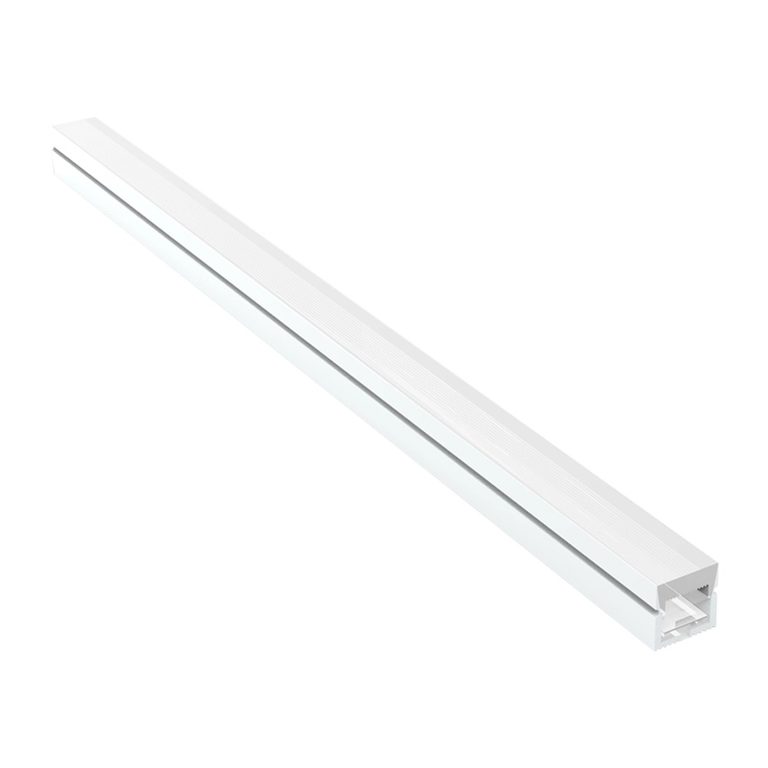
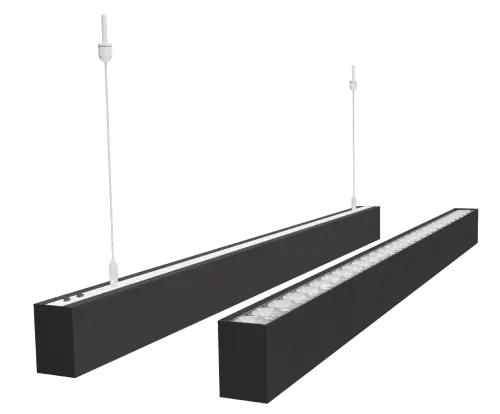
Our Juno Series office linear light is designed around this kind of project flexibility. The series comes in four sizes and wattages from 30W to 60W, with optical options including PC diffuser, PMMA-Microprism, Grille, and Honeycomb. It supports both surface-mounted and suspended installation, giving project teams more options when ceiling conditions differ.
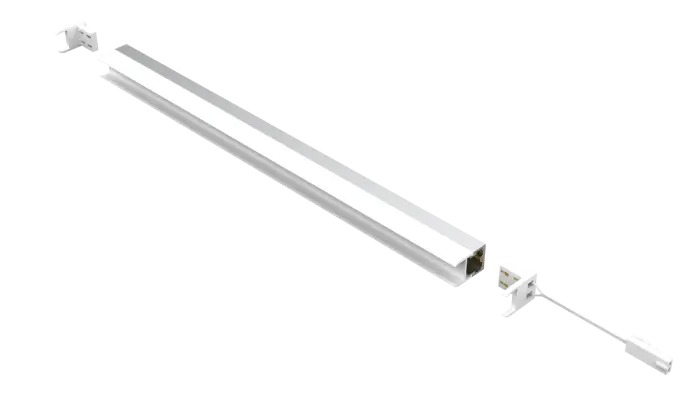
The Juno Series also combines up-and-down lighting with changeable CCT. A slider switch allows users to change CCT, while separate controls can operate the upward or downward light. Different connectors allow the fixtures to be linked freely, which can simplify continuous layouts where a coordinated linear appearance is required.
Check Electrical and Control Compatibility
Electrical compatibility deserves the same attention as optical performance. Confirm the input requirements, driver arrangement, dimming method, control interface, and connection method before finalizing quantities. A fixture that looks suitable on a schedule may still require changes if its driver or controls do not match the building system.
At LEDIA Lighting, our Juno Series supports On/Off, 0–10V dimming, and DALI dimming power-supply options. That range can help buyers align the fixture with different control architectures. For wholesale lighting fixtures, documenting these choices in the quotation and purchase order is especially useful because a single product family may be supplied in several electrical configurations.
Build a Procurement and Installation Checklist
Before approving the order, compare the supplier quotation against the lighting schedule line by line. Check quantities, fixture dimensions, wattages, optics, CCT settings, mounting methods, drivers, controls, connectors, finishes, packaging, lead times, and required certifications. Keep approved drawings and specification sheets with the purchase documentation so substitutions can be evaluated consistently.
It is also worth planning commissioning early. DOE guidance shows that properly adjusted occupancy and daylight controls can affect both energy use and occupant satisfaction. For larger projects, coordinate fixture zones, sensor locations, switching groups, and control addresses with the electrical contractor before installation rather than leaving these decisions to the final stage.
Turn the Fixture Order into a Project Solution
A successful commercial lighting purchase is not simply about finding a competitive unit price. It requires matching light distribution, mounting, controls, electrical configuration, and documentation to the building’s actual needs. By defining requirements first and checking each specification before ordering, buyers can reduce procurement uncertainty and make installation more predictable.
For offices, galleries, libraries, and classrooms, our Juno Series provides a flexible office linear light platform with four sizes, 30W–60W options, multiple optics, surface or suspended mounting, up-and-down lighting, changeable CCT, and several control choices. This project-oriented approach helps us support different layouts while keeping the specification process clear for professional buyers.