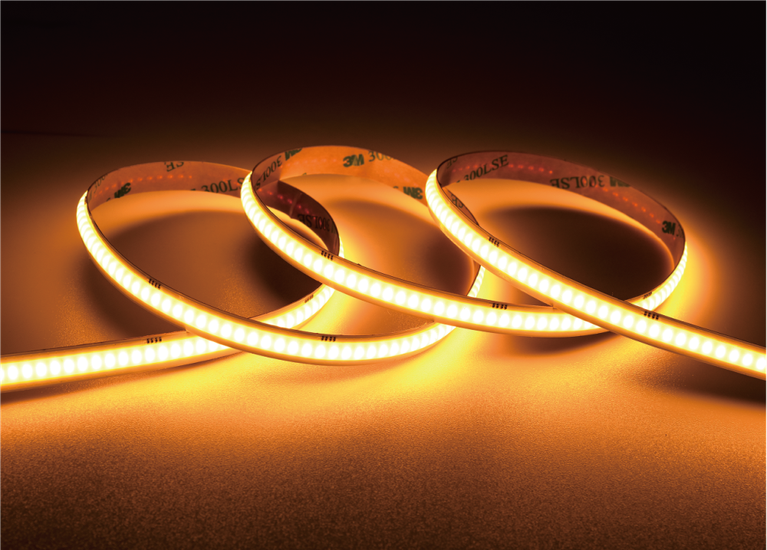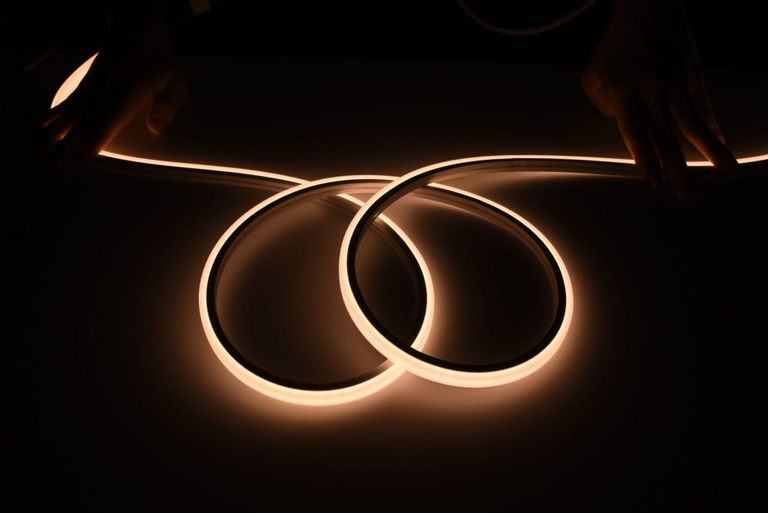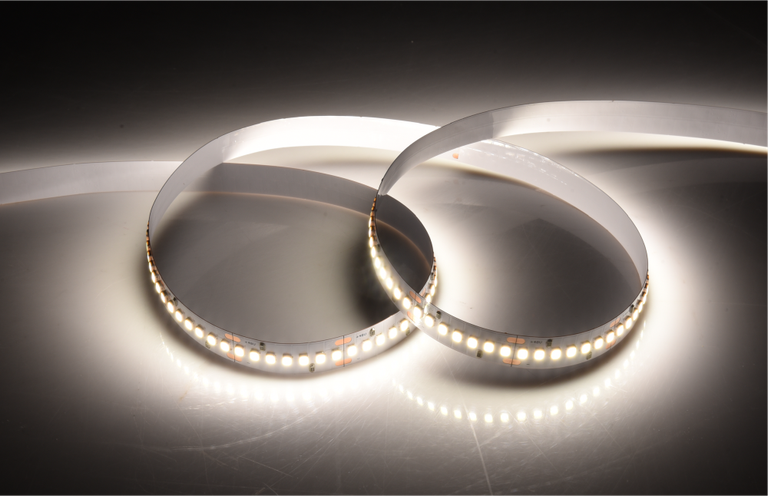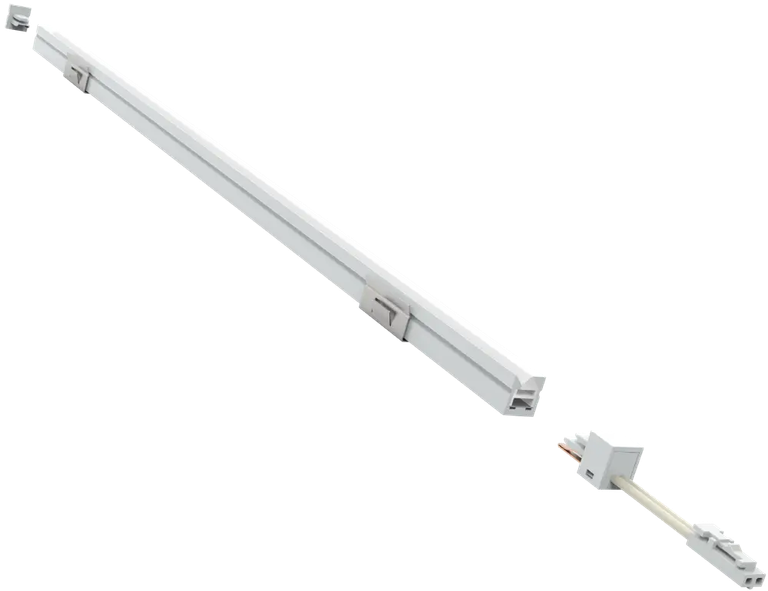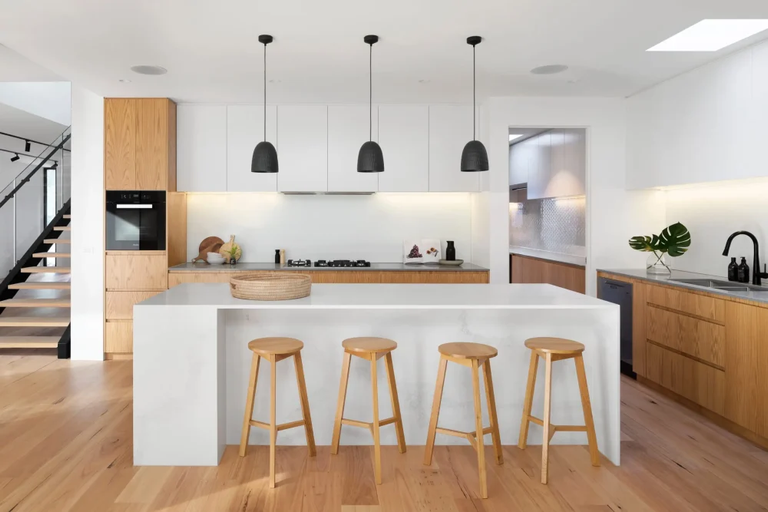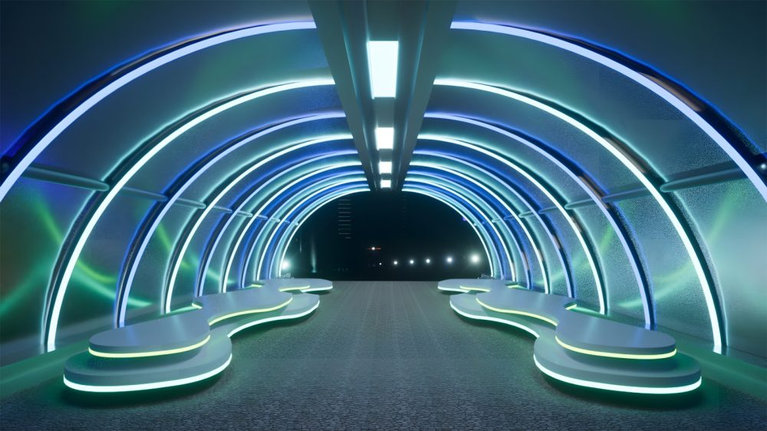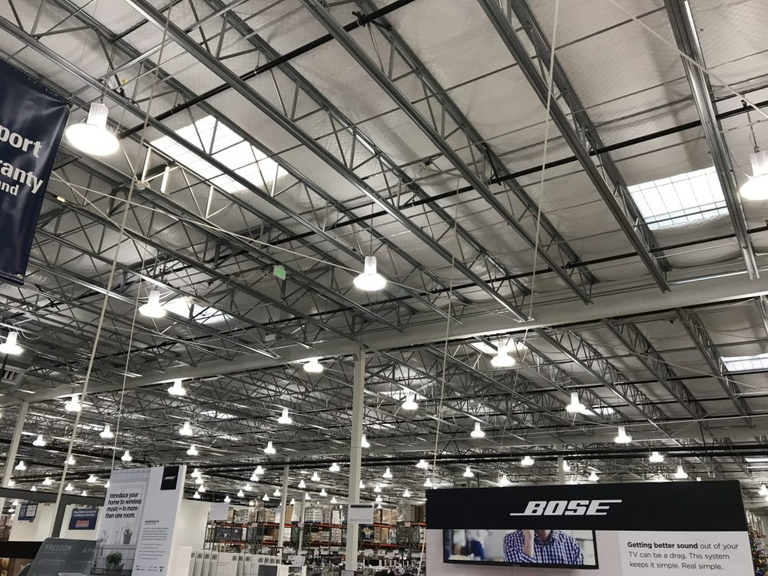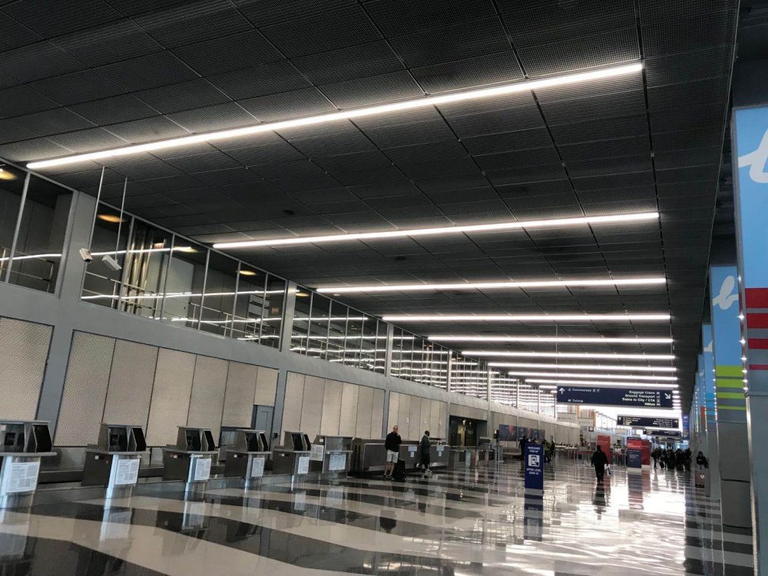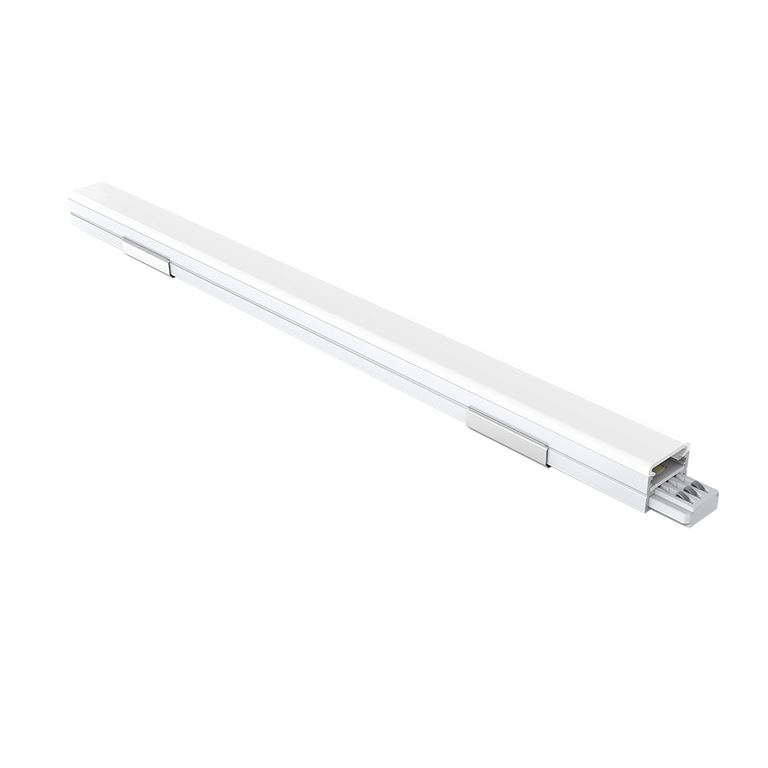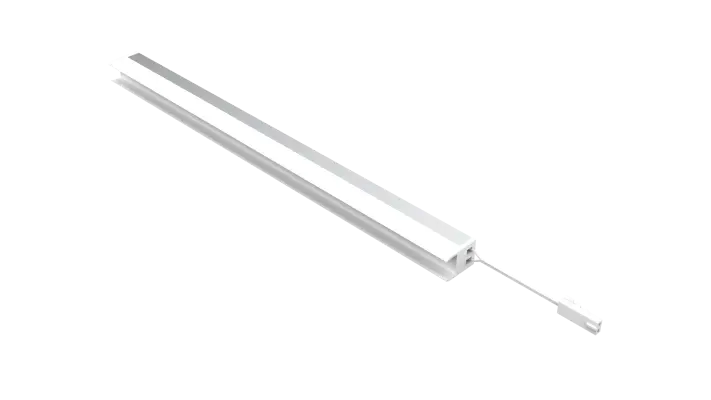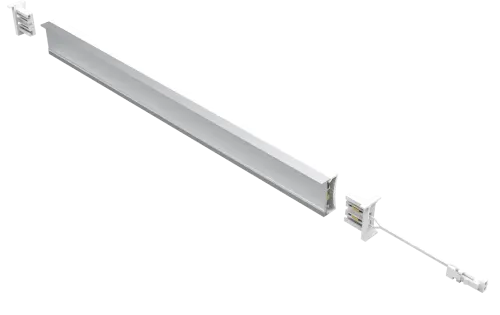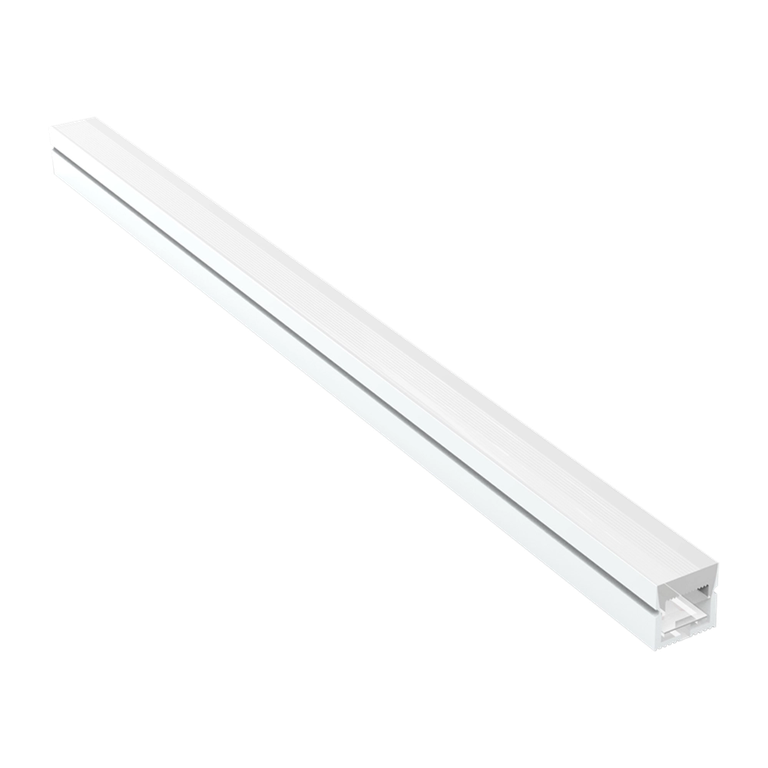
Modern interiors often have plenty of straight edges, recessed details, shelves, counters, ceilings, and architectural transitions that can become natural locations for linear lighting. The challenge is rarely finding somewhere to put a light. It is making the light fit the space without excessive joints, visible hardware, or awkward installation details.
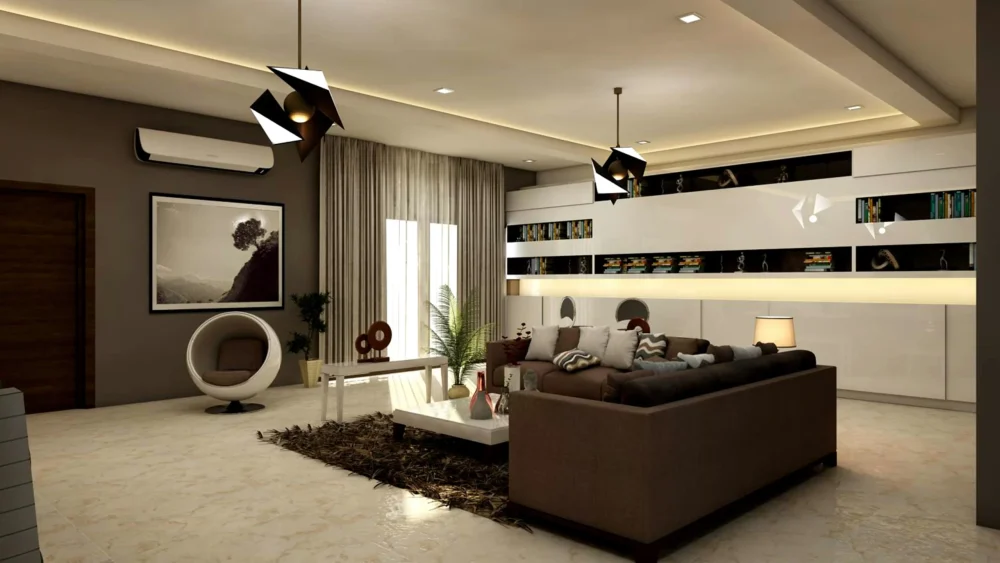
That is where custom light fixtures and linear LED solutions become useful. Instead of forcing a standard product into every location, project teams can adjust dimensions and other specifications around the actual design. LEDIA Lighting approaches customization through consultation, design, sample confirmation, production, delivery, and after-sales service, giving buyers a defined process for project-specific requirements.
Run Light Along Details That Already Exist
A practical application is to use linear lighting along architectural features that are already part of the room.
A recessed ceiling edge can hold a continuous light line. A wall niche can use concealed lighting to emphasize its depth. Shelving, display units, counters, and millwork can also provide straightforward locations for linear LEDs.
This approach works because the lighting follows the architecture instead of creating a new visual element. The fixture becomes part of the detail, while the emitted light helps define the surrounding surface.
LEDIA Lighting provides regular strip lights, silicone neon products, and silicone transparent series for commercial, industrial, and architectural requirements. For designers, that range creates more possibilities when a project includes both concealed linear illumination and visible decorative lines.
Use Custom Lengths to Keep Long Spaces Visually Clean
Long corridors, reception counters, retail displays, and continuous wall features can look unfinished when a standard fixture length creates too many breaks.
Length customization provides a more direct way to deal with this problem. LEDIA’s customization information states that LED lighting strips can be produced in specific lengths to suit individual project dimensions. Shape customization is also available for applications requiring straight runs, curves, or more intricate layouts.
That can be particularly useful when several lighting sections need to align with architectural modules. Instead of adjusting the furniture or ceiling detail to match an off-the-shelf light, the lighting specification can be developed around the finished dimensions.
The result is not simply a cleaner appearance. Fewer unnecessary transitions can also make the installation plan easier to understand and coordinate.
Turn Curves and Recesses Into Lighting Features
Modern spaces are not always made from straight lines. Curved walls, rounded counters, sculptural ceilings, and flowing furniture details can all benefit from flexible linear lighting.
A customizable LED light strips solution can be considered when the lighting needs to follow these shapes. The appropriate construction depends on the radius, mounting method, visibility of the light source, and required finish. LEDIA’s customization resources describe options for modifying length and shape, while its linear LED integration guidance identifies flexible silicone strips as an option for curved surfaces.
Recessed applications require a slightly different approach. The available installation depth, profile dimensions, heat management, and viewing angle should be established before the product is finalized.
For a designer, the useful question is not simply whether a strip can bend. It is whether the complete lighting assembly can follow the intended form while maintaining the appearance and performance expected from the finished space.
Match the Light Output to the Room Instead of the Fixture
Customization does not have to stop at physical dimensions. Light quality should also reflect what the room is used for.
A hospitality interior may need a warmer and softer atmosphere, while a retail display could require a stronger visual emphasis. Offices, corridors, residential interiors, and feature walls can each have different expectations for brightness and color temperature.
Rather than treating illumination as an afterthought once fixtures are chosen, we at LEDIA encourage integrating customization choices directly alongside the architectural design. Because factors like the illuminated surface, viewing distance, ambient lighting, and desired atmosphere shape the final layout, we empower you to tailor our strip lighting around precise brightness and color temperature levels, alongside advanced dimmable, remote-control, and color-changing capabilities for specialized applications.
Make the Custom Order Easy to Install
A custom lighting product is only useful if the installation team can work with it efficiently.
Project documentation should establish the required lengths, lighting layout, connection points, mounting method, control requirements, and environmental conditions before production. Sample confirmation is particularly useful for custom work because it gives the project team an opportunity to check the physical result before moving into mass production.
Powered by our advanced manufacturing setup—which features automated linear production lines and dedicated fixture production lines—we at LEDIA Lighting follow a streamlined customization workflow. From initial consultation and design through to sample confirmation, mass production, delivery, and after-sales service, we manage every phase closely to match project needs.
That process matters for projects where multiple lighting sections need to match. Clear specifications reduce the risk of treating every section as a separate problem once the materials arrive on site.
For buyers sourcing custom light fixtures, the practical goal is not to customize everything. It is to identify the details where a tailored dimension, shape, light output, or control option will make the finished installation cleaner and easier to execute.
The same principle applies when specifying customizable LED light strips. Start with the architectural drawing, identify where linear light can naturally belong, and then customize only the parameters that solve a real project requirement. LEDIA Lighting supports this approach by combining product customization with a defined OEM development process.
Modern linear lighting does not need complicated applications to make an impact. A concealed ceiling edge, precisely fitted counter, illuminated shelf, curved wall, or recessed detail can be enough. When the lighting dimensions and characteristics are developed around the space, the final installation can look intentional from the start rather than adapted afterward.