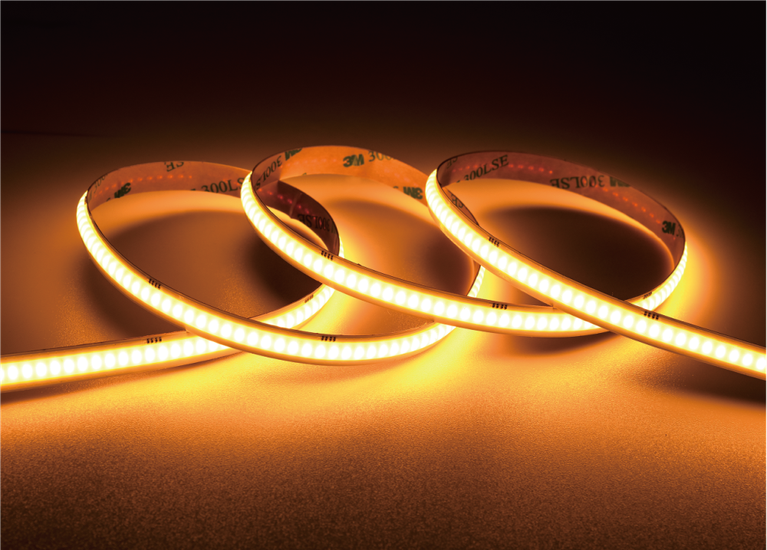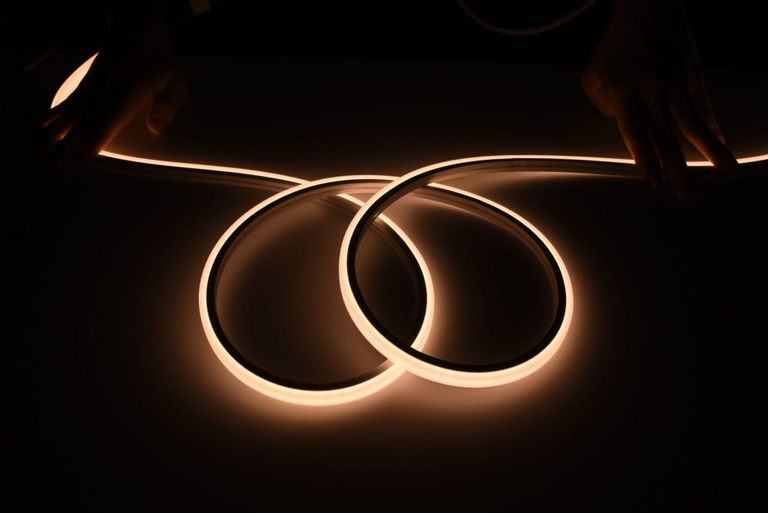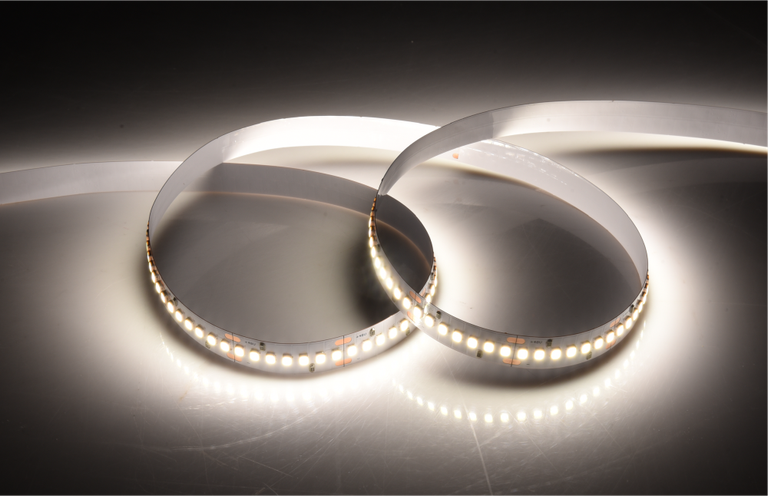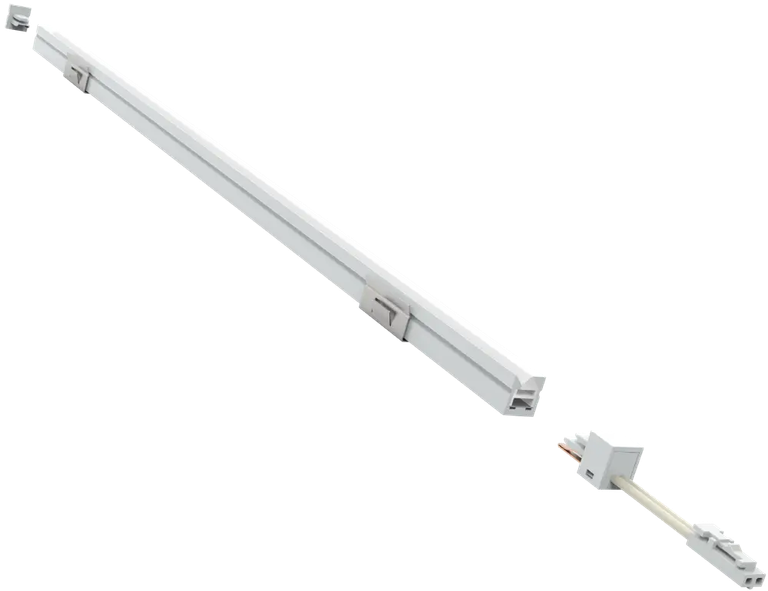
LED neon flex can look simple once it is installed: a continuous line of light following an architectural edge, sign, façade, or interior feature. The specification behind that result is less simple. A project can run into problems if the selected strip cannot follow the required shape, achieve the intended appearance, connect to the planned power system, or handle the installation environment.
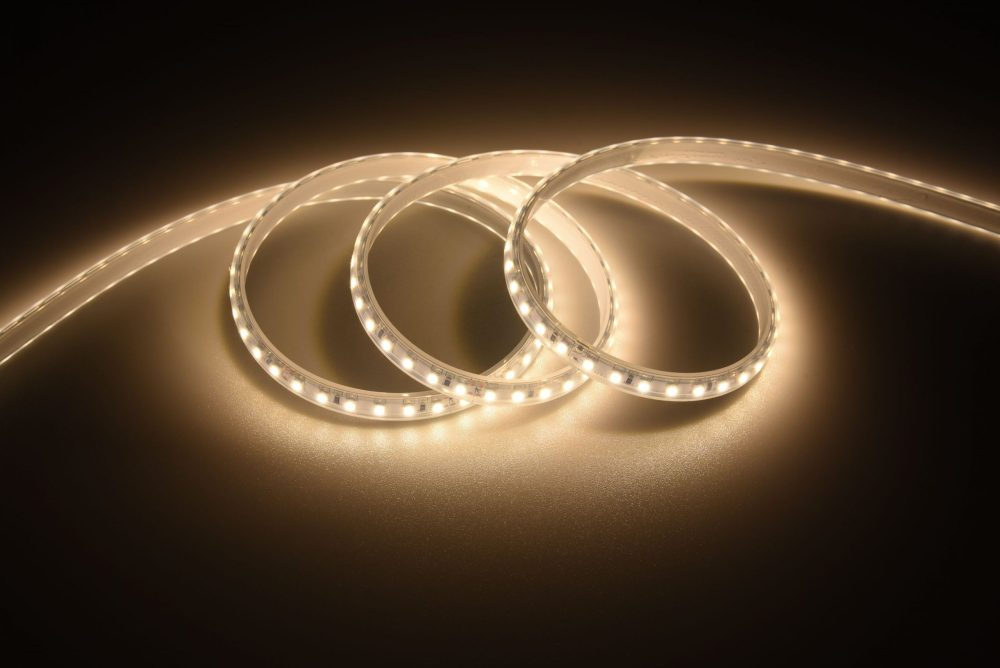
We find that a short list of questions can prevent most of these issues before an order is placed. Instead of starting with a product number, start with the project itself and work through the physical, visual, electrical, and environmental requirements.
Where Will the Neon Flex Actually Be Installed?
The first question is the location. A concealed interior cove and an exposed façade may both use flexible linear lighting, but they do not necessarily impose the same product requirements.
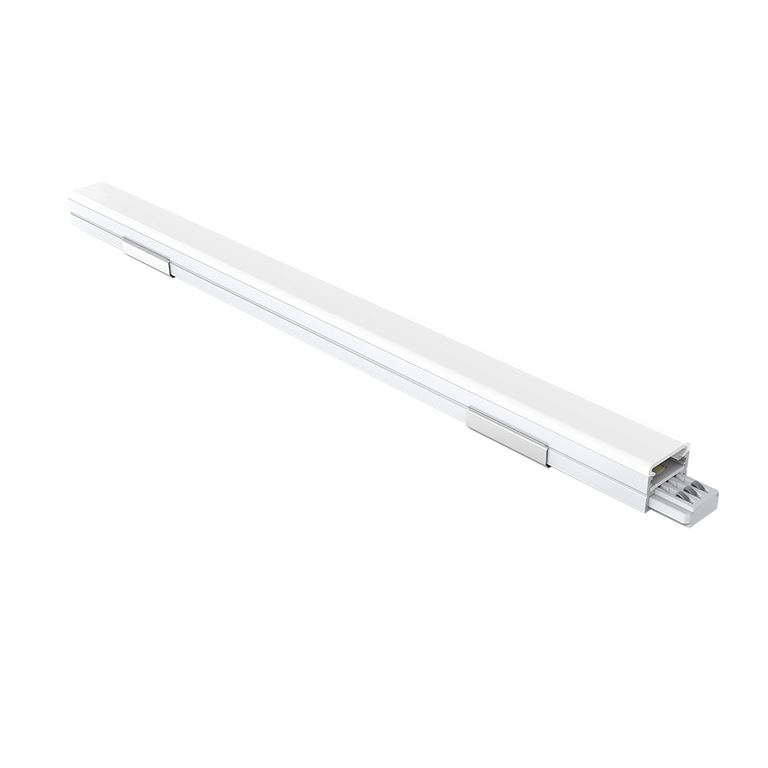
Our silicone strip-light range includes products intended for indoor and outdoor applications. One 10 × 10 mm neon-flex model, for example, is specified for architectural outlines, coves, façades, signage, and guide lighting. (LEDIA Lighting)
Next, identify whether the product will be visible. If the silicone body itself forms part of the design, its dimensions and illuminated surface become part of the architectural appearance. If it is hidden inside a recess, the installation may place greater emphasis on light output and fit.
This distinction helps narrow the product range before technical specifications become overwhelming.
What Shape and Cutting Pattern Does the Design Require?
A second question is surprisingly practical: how exactly does the light need to follow the architecture?
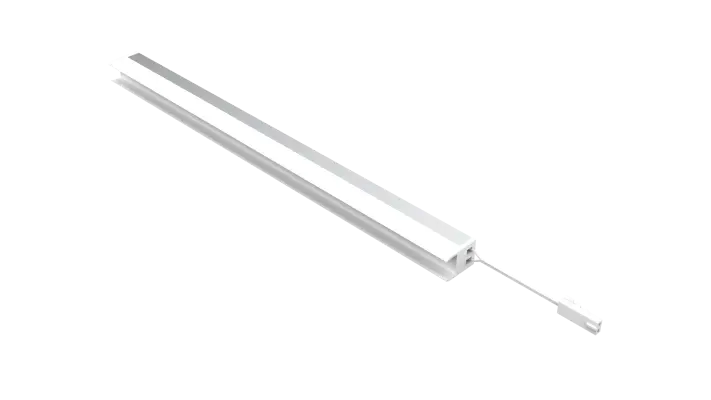
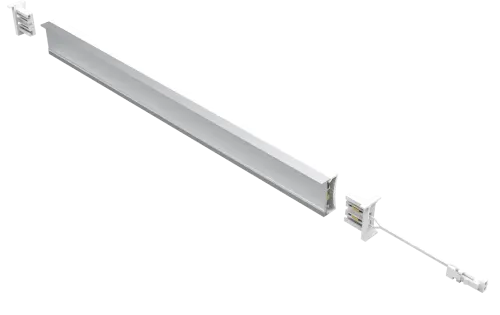
Curves, corners, irregular outlines, signage, and narrow recesses can place different demands on the flexible body. Our products include different silicone profiles, including solid, hollow, arc-shaped, and narrow configurations. The catalog currently lists multiple dimensions and constructions within the silicone strip-light category. (LEDIA Lighting)
Cutting is equally important. One 6 × 12 mm model is specified with an 8.3 mm minimum cutting length and six LEDs per cutting unit, while a 10 × 10 mm hollow-extrusion model is specified with an 8.3 mm cutting length and one LED per unit. (LEDIA Lighting) (LEDIA Lighting)
Those details matter when the finished line has precise dimensions. A buyer should therefore ask not only, “Can it bend?” but also, “Can it be cut and joined where the design requires?”
How Should the Finished Line of Light Look?
Appearance should be defined before choosing the light source configuration.
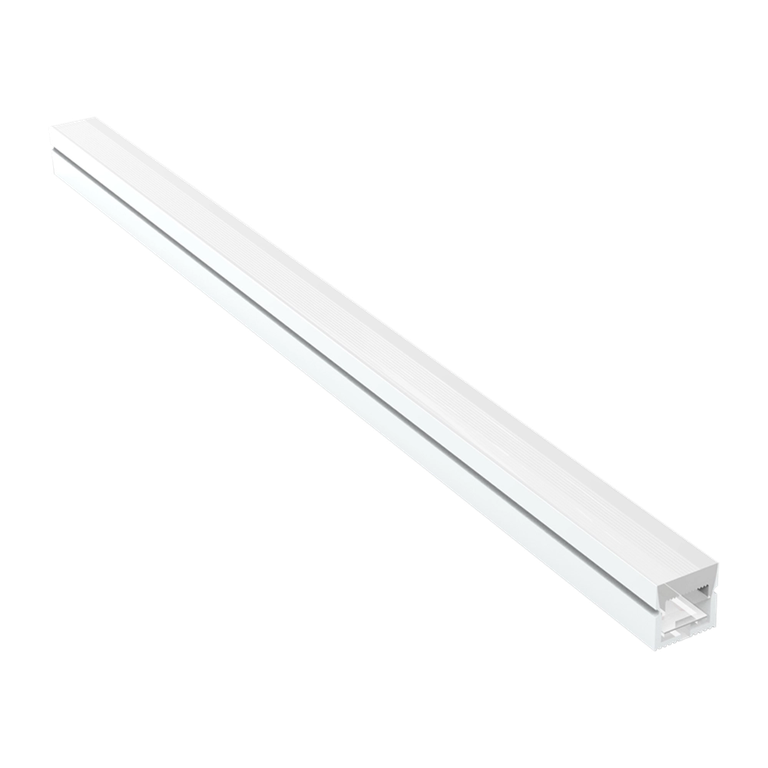
A major reason to consider a silicone LED strip light is the continuous appearance created by its flexible silicone construction. Our 6 × 12 mm product is described as providing smooth, continuous illumination and an even surface appearance, while its flexible body is designed for curves, corners, and irregular surfaces. (LEDIA Lighting)
The next question is color. The same product lists 2700K, 3000K, 4000K, and 6500K options, with CRI80 and CRI90 configurations. (LEDIA Lighting) A project should establish its desired visual character before treating these specifications as interchangeable choices.
Color-changing projects require another decision. The published product specifications include options such as red, green, blue, white, and RGB on selected models. (LEDIA Lighting)
What Electrical Details Need to Be Fixed Before Ordering?
Electrical compatibility should be confirmed while the design is still being developed, not after the physical product has been selected.
Start with voltage and power consumption. The 6 × 12 mm product referenced above is specified for DC24V, with rated-power options of 8W and 10W per meter. Its listed continuous length is 10 meters. (LEDIA Lighting)
A different silicone product may have a different electrical specification, so the voltage should always be checked against the exact model. The 10 × 10 mm hollow model is also specified for DC24V but lists 12W and 14W per meter. (LEDIA Lighting)
That information affects power-supply planning and helps the project team calculate the electrical requirements of the intended run. It also prevents a common procurement mistake: assuming that products within the same broad category share identical electrical characteristics.
What Does the Site Expect the Product to Withstand?
The final question concerns the environment. Ask what the installed product will encounter throughout its service life.
Our silicone neon range includes products specified at IP67, while published specifications also provide storage and working temperature ranges for individual models. The 6 × 12 mm product, for example, lists a working temperature of -40°C to 50°C. (LEDIA Lighting)
The 10 × 10 mm hollow model is also rated IP67 and lists UV and flame resistance among its features. (LEDIA Lighting)
These specifications should be matched to the actual installation rather than treated as universal characteristics of every silicone neon strip. Outdoor exposure, moisture, temperature, physical placement, and the required protection level all need to be considered against the exact product being specified.
A project is much easier to specify once these questions have clear answers. First identify the installation location, then establish the shape and cutting requirements. Decide what the illuminated line should look like, confirm the electrical configuration, and finally verify the environmental conditions.
This sequence is essential because a silicone LED strip light is built into a broader architectural build, not treated as a separate part. Success depends on selecting a product that fits the structure and power layout while hitting the right visual mark in its actual environment.
By running through these considerations before requesting a quotation, project teams can streamline the entire spec process. At LEDIA Lighting, this enables us to cross-reference your precise project needs with the right silicone neon configurations, avoiding recommendations based strictly on looks or product groupings.
That preparation also makes it easier to identify when a standard product is sufficient and when a project needs a more specific configuration. The result is a much more controlled path from the first lighting concept to the finished installation.