Successful lighting projects begin with the right questions. For lighting designers, contractors, furniture manufacturers, and commercial buyers, selecting integrated lighting involves more than choosing an attractive fixture. Dimensions, installation methods, light quality, electrical compatibility, and maintenance all influence the final result. Asking these questions early helps reduce installation difficulties, control project costs, and achieve consistent lighting across different applications.
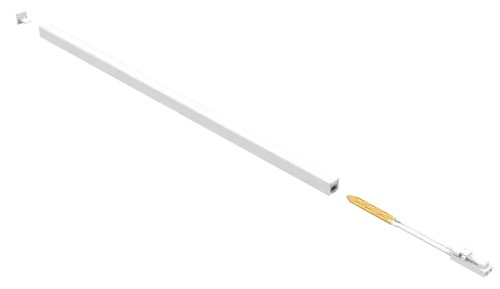
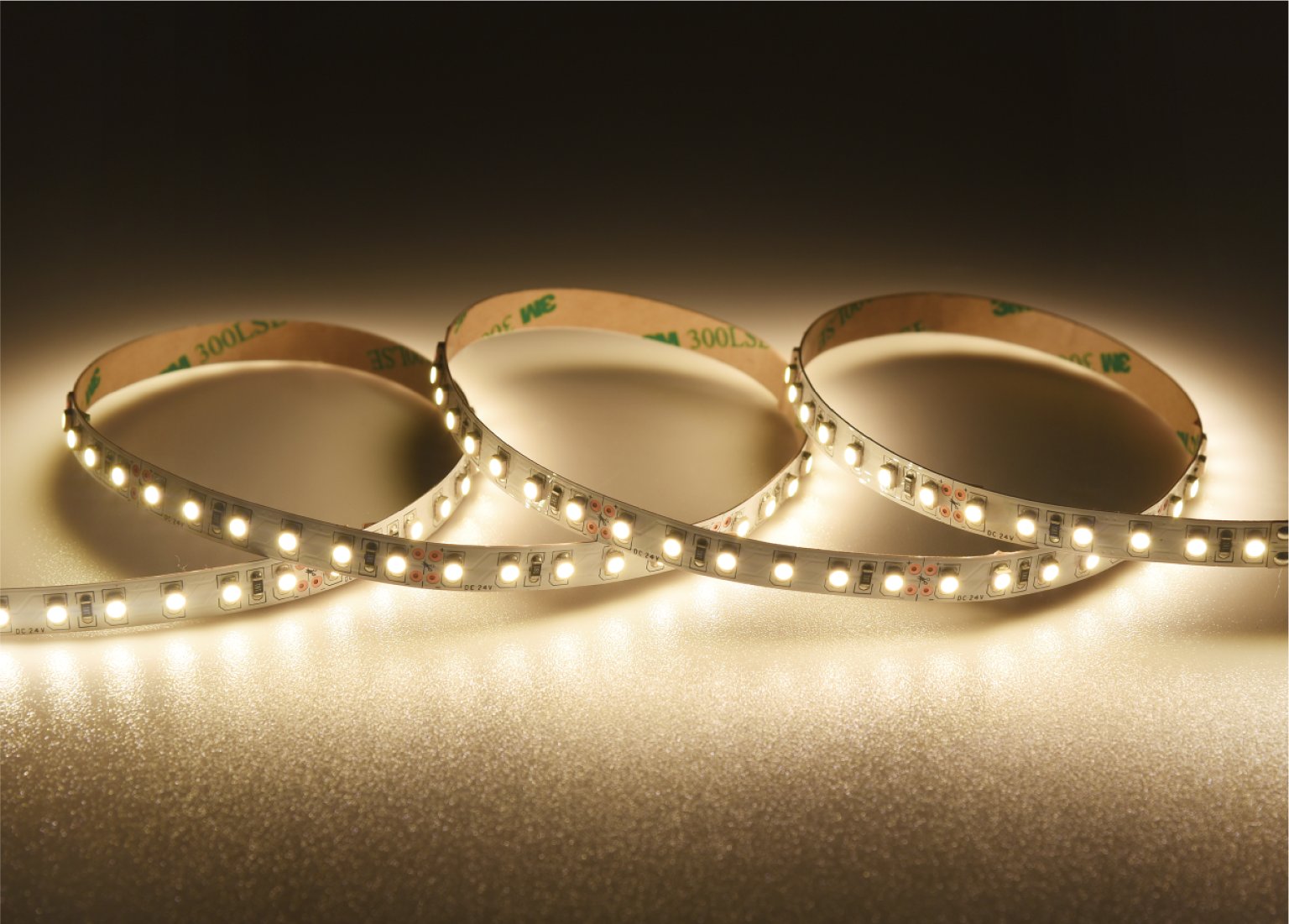
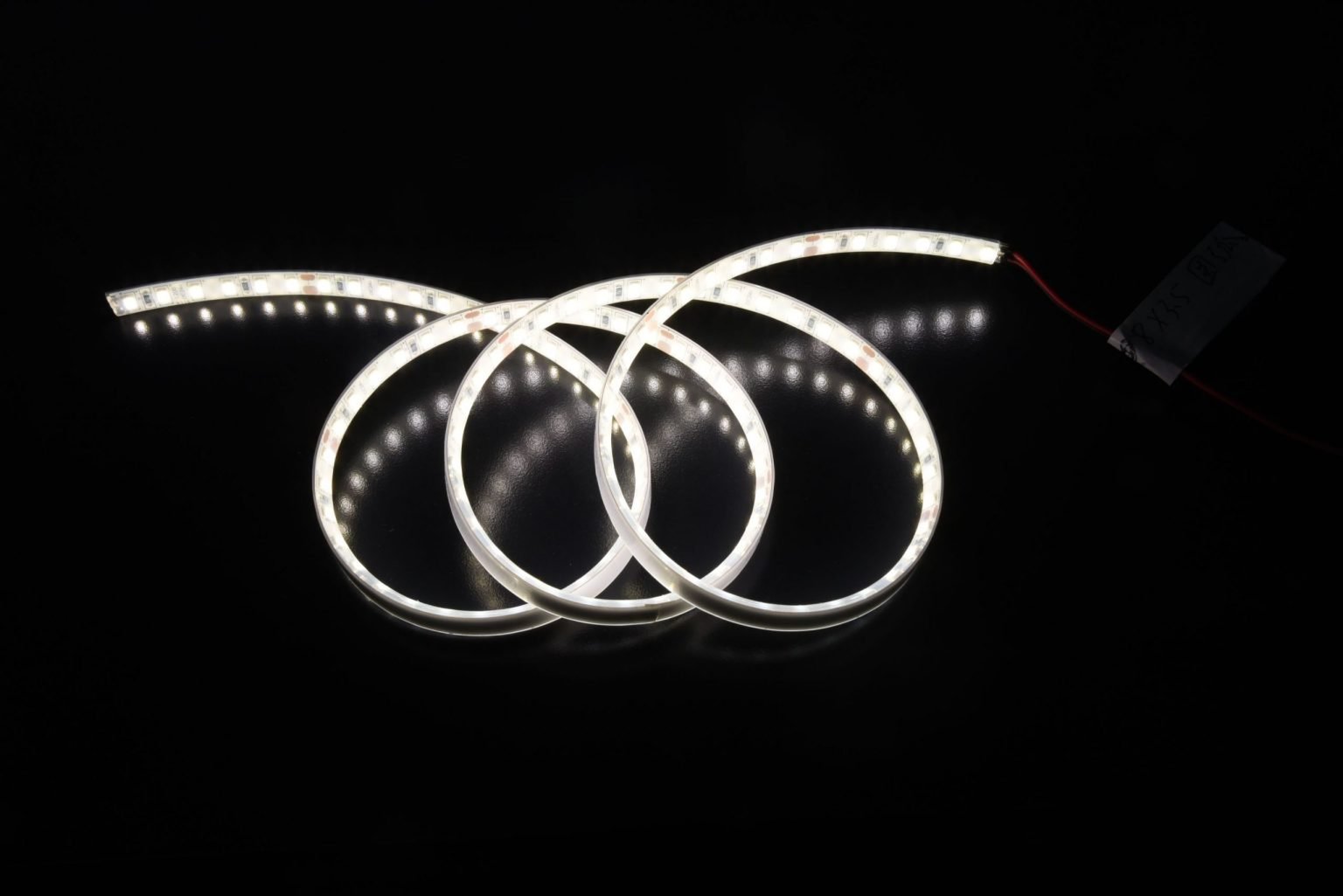
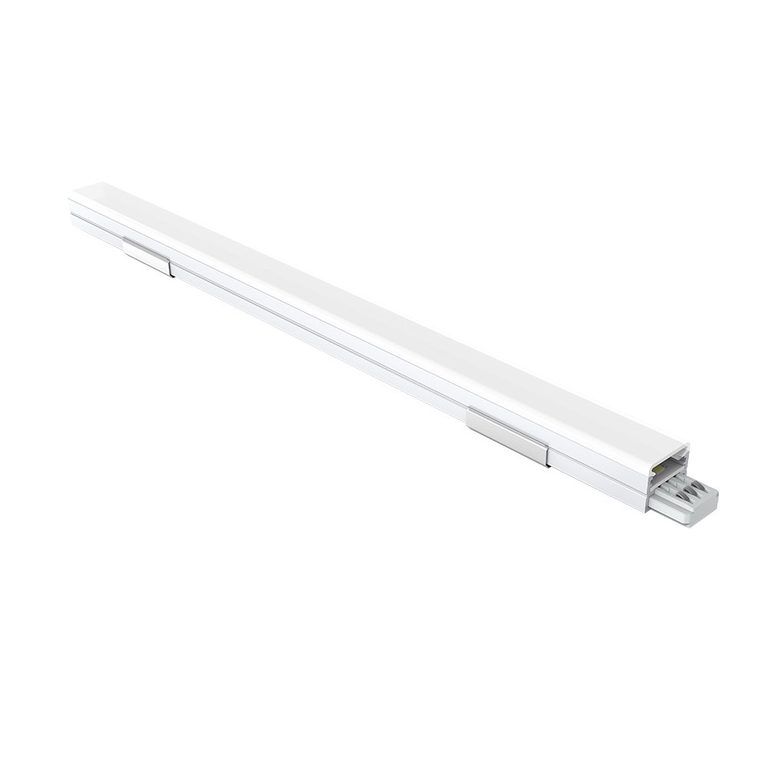
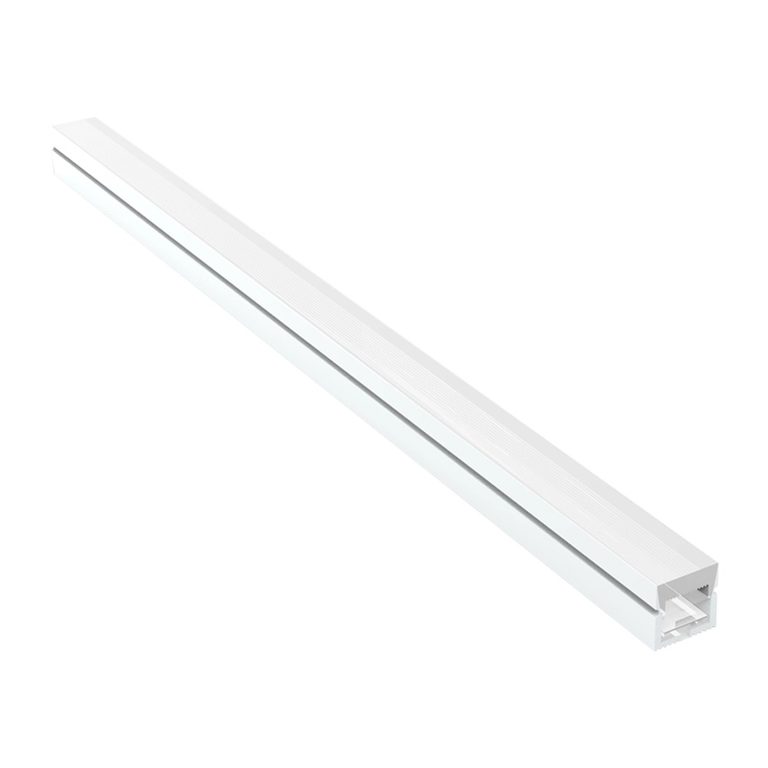
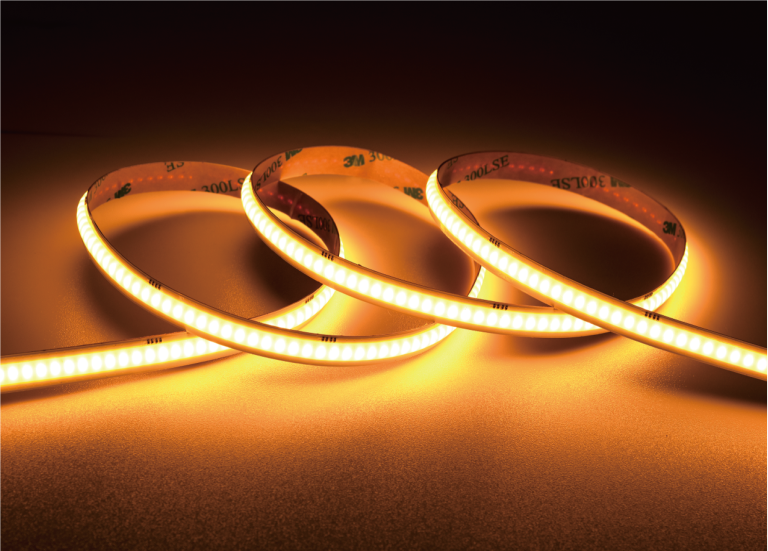
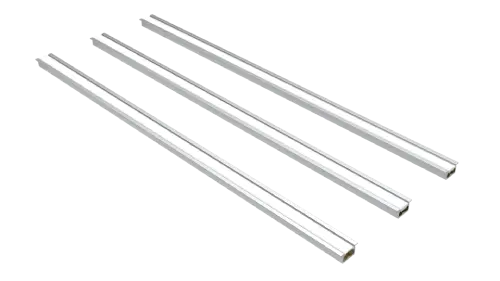
At LEDIA Lighting, we approach lighting projects by considering both application requirements and installation conditions. As a professional LED linear light manufacturer, we provide strip lights, linear fixtures, cabinet lights, high-bay lights, and tri-proof lighting. Our F02 built-in aluminum strip light is designed to support furniture and retail applications where clean integration and convenient installation matter.
Where Will the Lighting Be Installed?
The first question is about the application. Will the lighting be installed inside kitchen cabinets, beneath shelves, within wardrobes, or along retail display fixtures? Each location presents different requirements for available space, illumination, accessibility, and installation.
For example, under-cabinet lighting should provide useful illumination across kitchen work surfaces. Wardrobe lighting should make clothing and accessories easier to identify, while retail display lighting should help merchandise attract attention. Identifying the application helps determine the appropriate recessed LED profile, dimensions, and lighting arrangement.
How Much Installation Space Is Available?
Before selecting a product, measure the available installation area. Check the groove width, depth, mounting surface, and clearance around doors, hinges, shelves, and other furniture components.
A recessed installation requires coordination between the lighting component and the furniture or architectural structure. If the available space is insufficient, installers may need to modify the original design, increasing labor and project costs.
We recommend confirming dimensions before production or installation. A sample assembly can also help contractors evaluate whether the selected product fits the prepared opening and creates the intended appearance.
What Installation Method Does the Project Require?
Installation efficiency is particularly important for contractors and manufacturers handling repeated furniture units or large retail projects. Ask whether the lighting requires soldering, special connectors, complicated assembly, or additional mounting accessories.
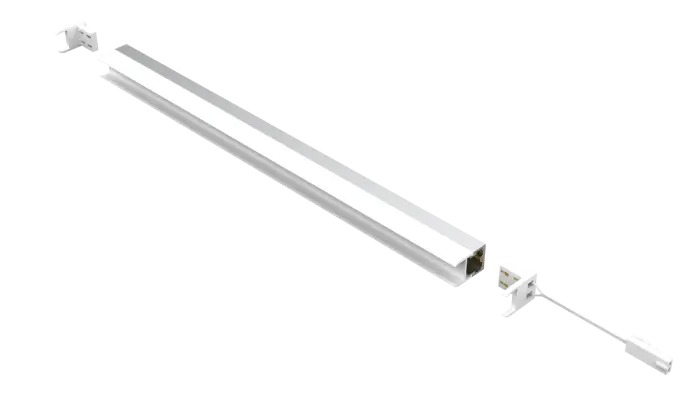
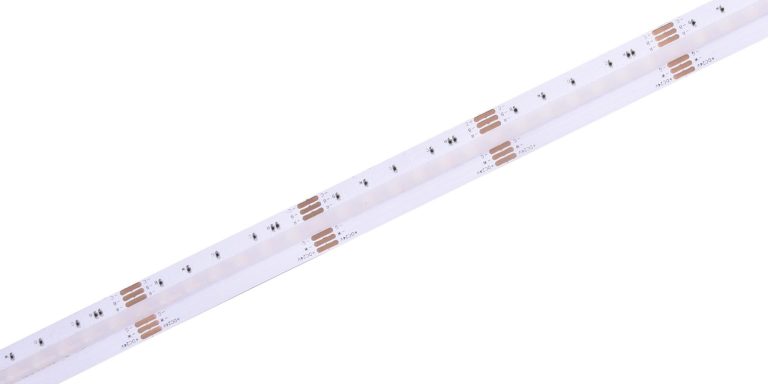
Our F02 built-in aluminum strip light features a patented quick plug-in design that supports soldering-free installation. Its plug-and-play connection helps simplify assembly and reduce installation time and labor requirements.
The product also supports free cutting, allowing installers to adjust the strip to different furniture dimensions. This flexibility is useful when working with customized wardrobes, kitchen cabinets, and display shelves.
What Light Quality Is Required?
Light quality directly influences how people perceive colors, materials, and interior details. Two important specifications to examine are the color rendering index (CRI) and correlated color temperature (CCT).
CRI indicates how accurately a light source renders object colors compared with a reference source. Higher CRI values are particularly useful in retail displays, clothing storage, and other applications where color recognition matters. Our F02 offers CRI greater than Ra90, supporting accurate color presentation in furniture and retail environments.
CCT describes whether light appears warmer or cooler. The appropriate selection depends on the atmosphere and function of the space. A recessed LED profile should therefore be specified with both visual appearance and application requirements in mind.
Does the Product Support Adjustable Lighting?
Another useful question concerns lighting flexibility. Will the project require different lighting atmospheres for different applications, or will one fixed color temperature be sufficient?
Adjustable CCT gives designers more freedom when coordinating lighting with furniture finishes, interior materials, and changing usage requirements. For example, a wardrobe may benefit from a different lighting atmosphere than a kitchen cabinet or retail display.
Our F02 incorporates a two-wire CCT function that provides two selectable color temperatures. This feature allows project teams to adapt the lighting ambiance without selecting an entirely different fixture for each application.
When evaluating recessed LED strip lighting, buyers should also confirm how the CCT function operates, what components are required, and whether the selected power supply and controls are compatible.
How Will the Lighting Be Maintained?
Maintenance is often overlooked during the initial design stage. However, accessibility can influence the long-term practicality of an installation, particularly in commercial environments where interruptions may affect daily operations.
Before approving a product, consider where electrical connections and power supplies will be located. Determine whether installers can access these components without dismantling large sections of furniture or damaging surrounding finishes.
Also examine the housing material and its thermal characteristics. Aluminum profiles help transfer heat away from LED circuit boards, but actual thermal performance depends on the complete assembly, including LED power, ventilation, and installation conditions.
Can the Solution Support Different Project Dimensions?
For B2B buyers, product adaptability can influence procurement efficiency and installation costs. Standardized furniture dimensions may simplify purchasing, but customized projects often require different strip lengths and installation arrangements.
Our F02 addresses this requirement through its free-cutting design. Installers can adjust the product to the required length for different furniture configurations, helping reduce unnecessary material and accommodate customized installations.
When specifying recessed LED strip lighting, confirm the manufacturer’s cutting instructions, connection requirements, and available product lengths. These details help ensure that the selected solution matches the project drawings and installation schedule.
Make Better Lighting Decisions Before Installation
Choosing integrated lighting becomes easier when project teams address application, dimensions, installation, light quality, flexibility, and maintenance before finalizing specifications. These questions help prevent avoidable design changes and improve coordination between manufacturers, designers, distributors, and installers.
At LEDIA Lighting, we develop lighting solutions for furniture, retail, and other commercial applications. Our F02 built-in aluminum strip light combines free cutting, patented quick plug-in installation, CRI greater than Ra90, and two-wire CCT adjustment. We aim to help project partners achieve practical, visually consistent lighting through products designed around real installation requirements.