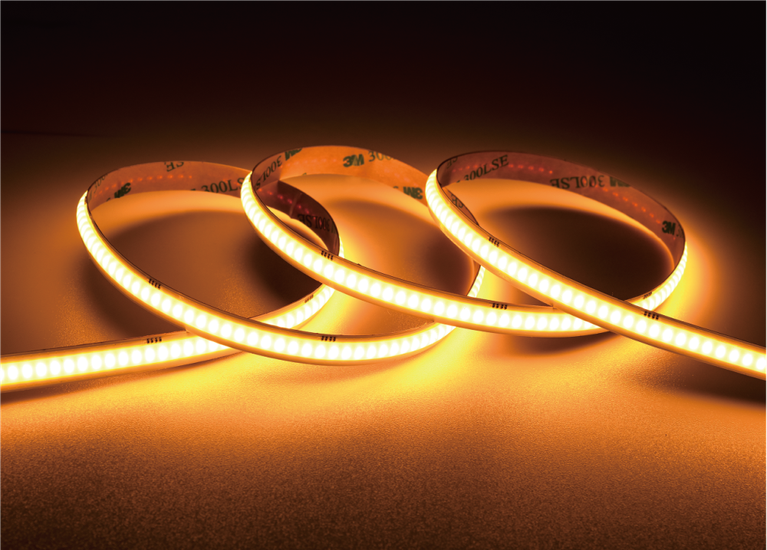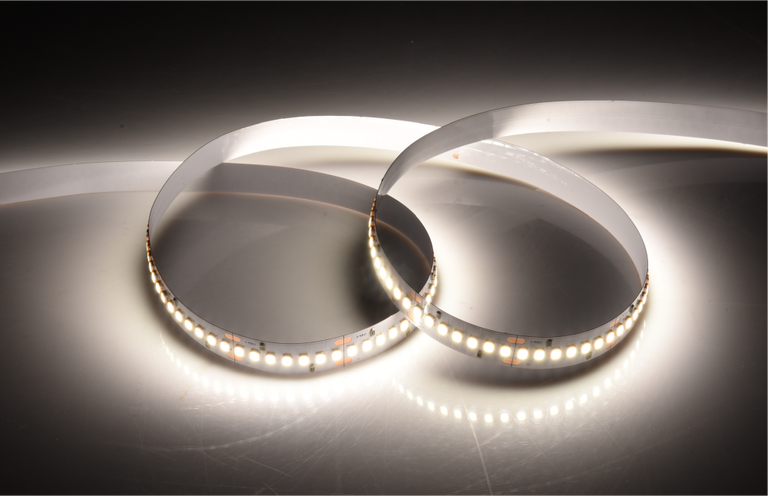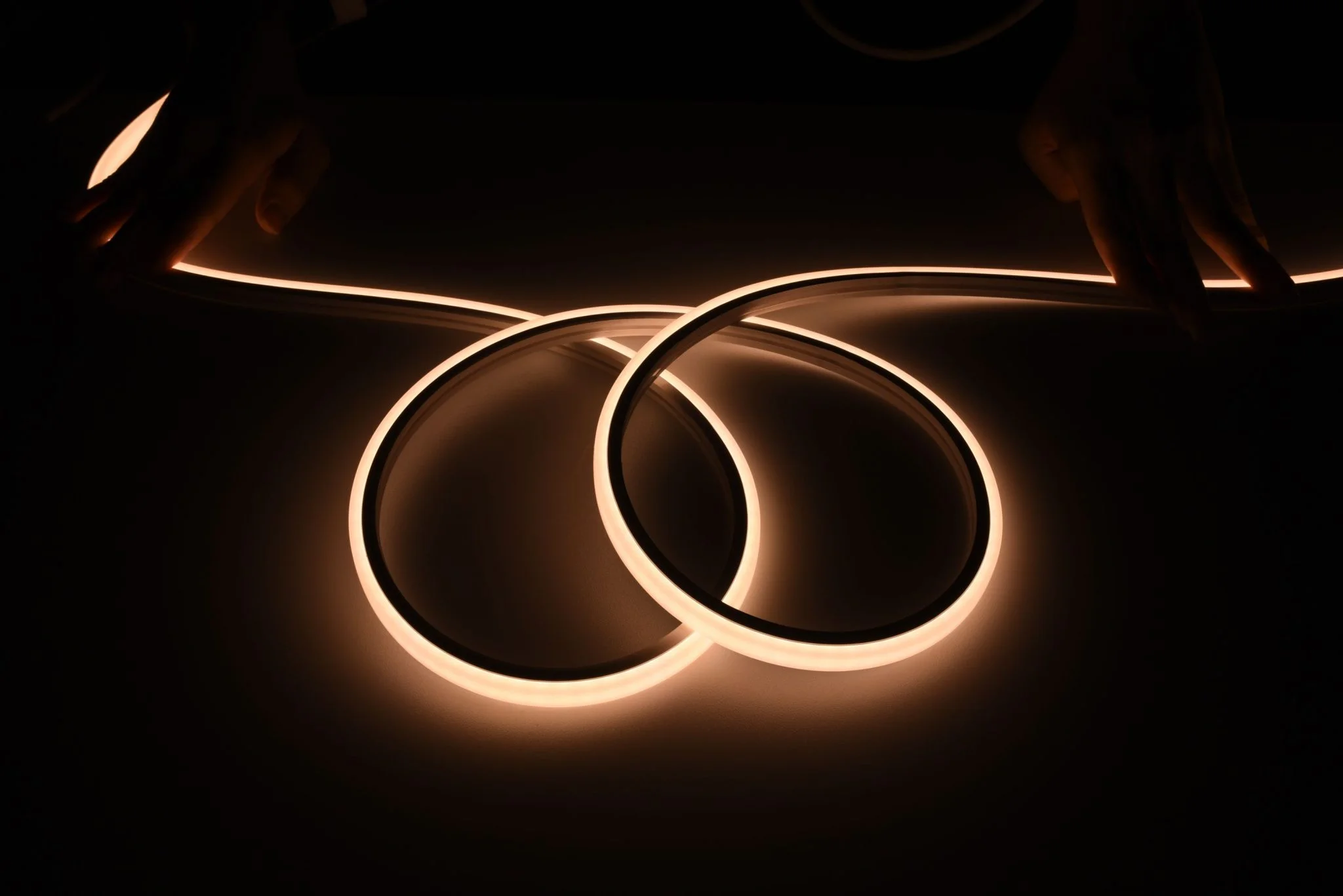
Retail lighting does not always need a complicated fixture layout to change how a display looks. A carefully positioned strip can outline a shelf, draw attention to a product, or add a continuous glow around a display structure without taking visual attention away from the merchandise.
We find that the most effective retail ideas often come from using light selectively rather than simply making an entire display brighter. Silicone LED strip light is particularly useful when the design calls for a continuous line of illumination, flexible positioning, or a clean decorative edge.
Put the Light Where Customers Naturally Look
A retail display usually has one or two areas that deserve more attention than the rest. Instead of distributing light evenly across the entire fixture, place the strip around the area you want customers to notice first.
A simple example is a shelf carrying a featured product. A strip positioned along the front or underside of the shelf can create a defined illuminated edge while keeping the merchandise as the visual focus.
The same idea can work around a display niche. Light placed along the perimeter can separate the featured area from the surrounding wall and create a subtle visual boundary.
This approach is useful because the lighting follows the merchandising hierarchy. The brightest or most distinctive visual element does not necessarily need to occupy the largest area; it simply needs to appear where attention is intended to go.
Use a Clean Line to Frame the Merchandise
A continuous illuminated line can turn an ordinary retail fixture into a more deliberate visual element. Rather than pointing light directly at every product, use the strip to define the shape of the display itself.
For example, a rectangular shelving unit can be outlined along selected edges. A recessed product wall can use light around its internal border. A counter can receive an illuminated line underneath its front edge to make the structure appear lighter and more defined.
The objective is not to outline every available surface. Selective framing generally creates a cleaner result because the eye can distinguish the illuminated feature from the rest of the store.
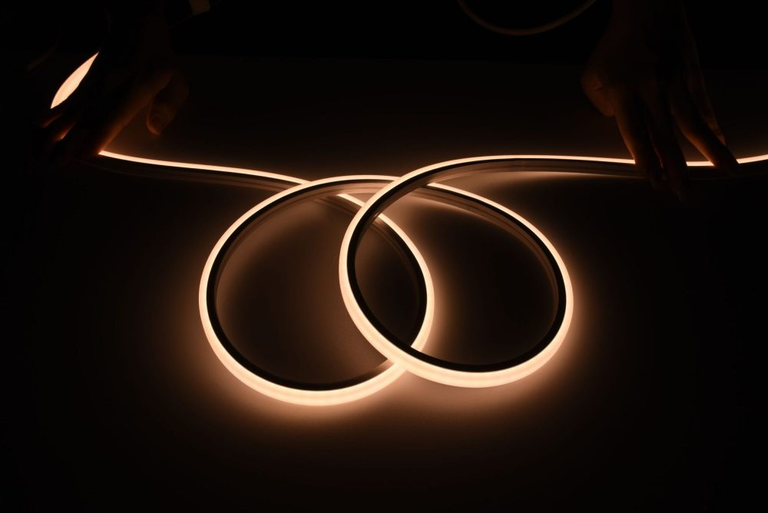
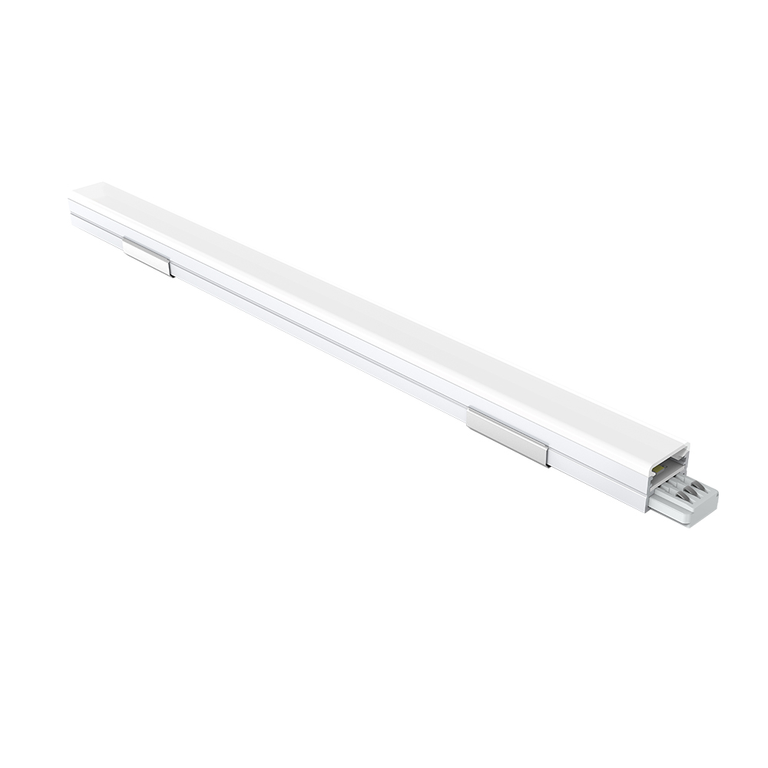
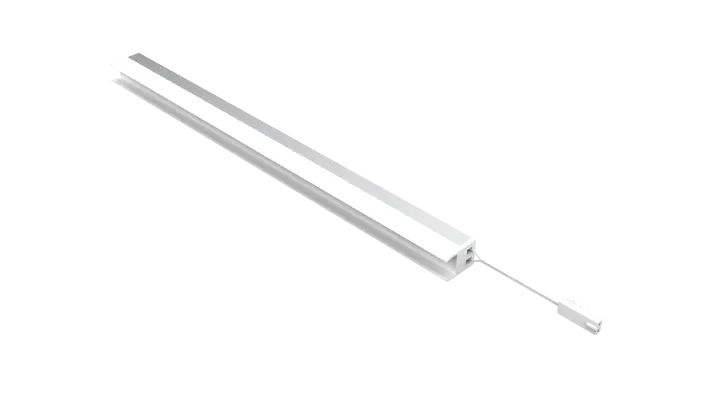
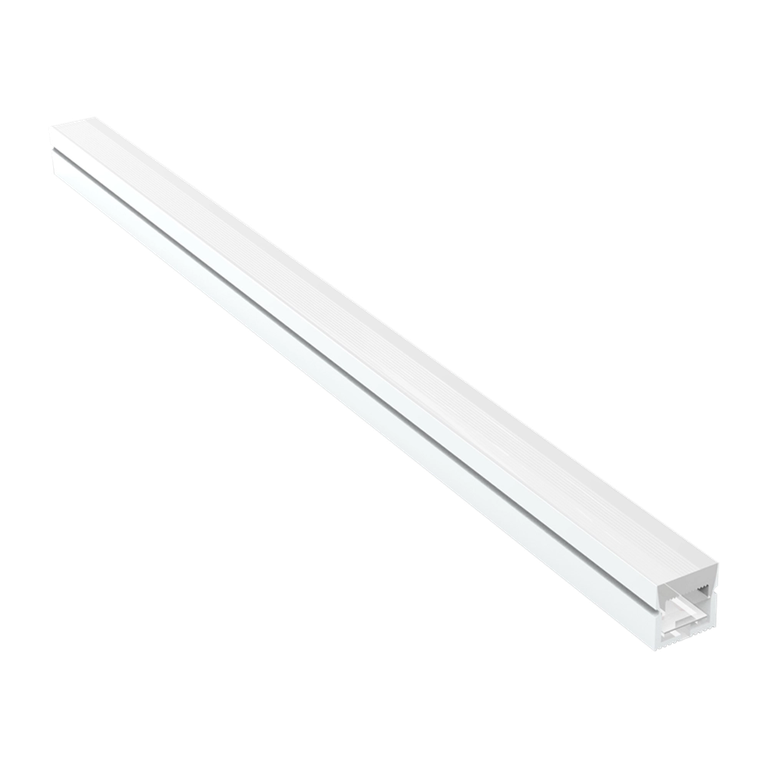
Our silicone strip range includes different profiles and constructions, including models designed for continuous surface illumination. One 6 × 12 mm model is described as providing a seamless, dot-free lighting effect and a slim, flexible form.
Let Curves and Corners Become Part of the Display
Straight shelves are not the only places where retail lighting can be used. Curved counters, rounded display structures, arches, and irregular decorative features can become more visually distinctive when the lighting follows their shape.
Flexible silicone LED strip can be useful for this type of design because the silicone body is designed to bend and conform to different shapes. LEDIA’s silicone strip range includes bendable products intended for curves, corners, and irregular surfaces.
A simple curved line can also create a stronger visual identity than several separate straight fixtures. For a branded display, the lighting can follow the outline of a feature or architectural element without introducing a series of visible breaks.
The key is to let the shape guide the lighting. Instead of forcing a conventional fixture into a curved feature, the strip can become part of the geometry of the display.
Hide the Source and Keep the Display Looking Continuous
Retail displays often look better when customers notice the illuminated surface rather than individual LED points. A continuous light effect can make a shelf, niche, or architectural edge appear more refined.
Silicone construction can help create this type of appearance. Certain LEDIA silicone strip products are designed with structures that provide continuous surface illumination, while the product range includes different shapes such as solid, hollow, and arc configurations.
Installation position remains important. A strip should be placed where the illuminated effect supports the merchandise without creating distracting glare or exposing the light source unnecessarily.
For a display shelf, this might mean positioning the strip underneath the shelf rather than directly beside the customer’s line of sight. For an architectural outline, the light may work better when recessed or visually integrated into the surrounding structure.
Use Different Display Zones Instead of One Bright Wash
A retail environment rarely needs every product area to receive exactly the same lighting treatment. Dividing a display into zones can create a clearer visual hierarchy.
One section can highlight a new product, another can provide a subtle background glow, and a third can emphasize a brand message or architectural feature. Separate strip sections make it easier to create these distinctions without increasing the brightness of the entire display.
Silicone strip lighting is available in different color and CCT options within LEDIA’s product range. For example, the published specifications of one model include 2700K, 3000K, 4000K, and 6500K options, along with multiple color choices.
For most retail projects, the important point is consistency within each visual zone. Mixing lighting characteristics without a clear design reason can make a display feel fragmented rather than intentionally layered.
Keep the Lighting Design Easy to Install and Adjust
A good retail concept also needs to survive installation. Displays are frequently changed, moved, or rebuilt, so lighting should not create unnecessary complexity for the installation team.
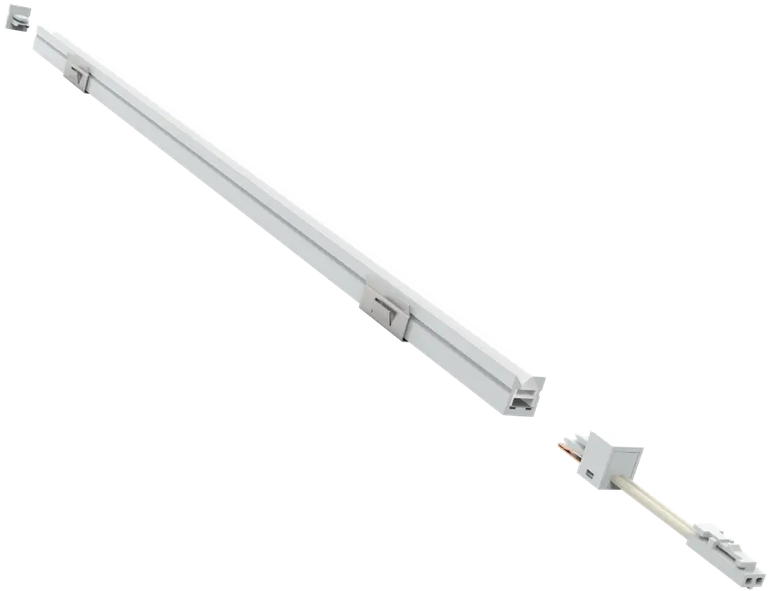
Start by identifying where each strip section will terminate and how it will receive power. Separate runs should be clearly identified on the installation drawing, particularly when a display contains several shelves or illuminated zones.
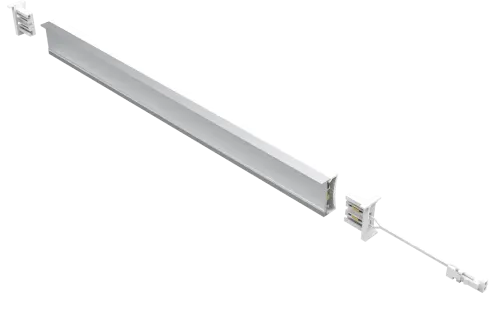
Cutting and joining requirements should also be confirmed before installation. One LEDIA silicone strip model, for example, specifies an 8.3 mm minimum cutting length and a 10 m continuous length. Other products in the range have different configurations, so the selected model should always be checked against the actual display design.
Environmental conditions should not be overlooked either. LEDIA’s silicone strip category includes products with IP67 and IP68 ratings, while individual models have their own specified protection ratings. The appropriate rating should be selected according to the actual retail environment rather than assumed from the category name.
For us at LEDIA Lighting, the strongest retail lighting concepts are usually the ones that make the design look simpler, not more complicated. A strip can frame a shelf, trace a curve, separate a display zone, or add a continuous glow without becoming the dominant feature.
That is why silicone LED strip light works well as a design tool for retail displays. Instead of asking where more light is needed, start by asking what deserves attention and what shape or boundary could help communicate it.
A flexible silicone LED strip can then follow that design intention—around a shelf, along a curved fixture, inside a display recess, or across a defined architectural edge. The result is a retail lighting concept that uses a relatively simple lighting element to create a more deliberate presentation.
When the lighting is planned around the merchandise rather than added afterward, even a straightforward display can gain clearer hierarchy, cleaner lines, and a more intentional visual identity.