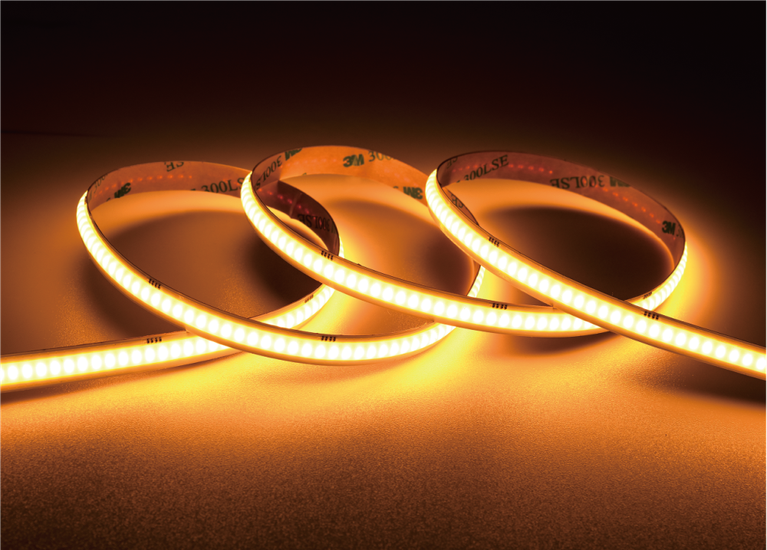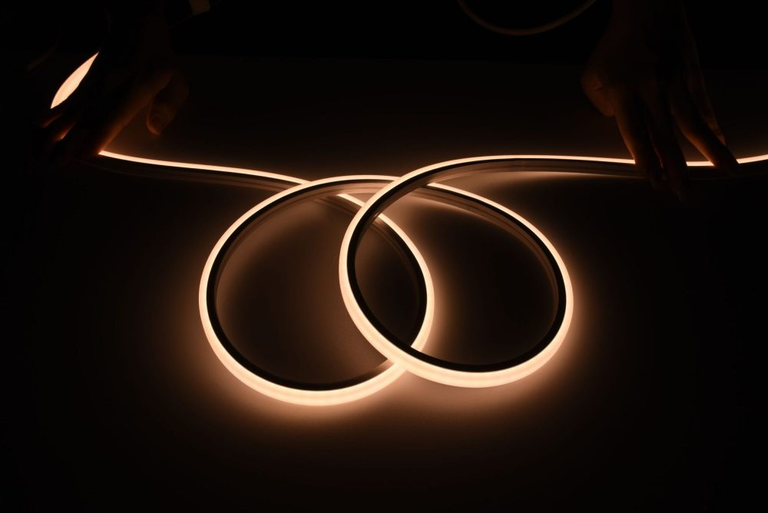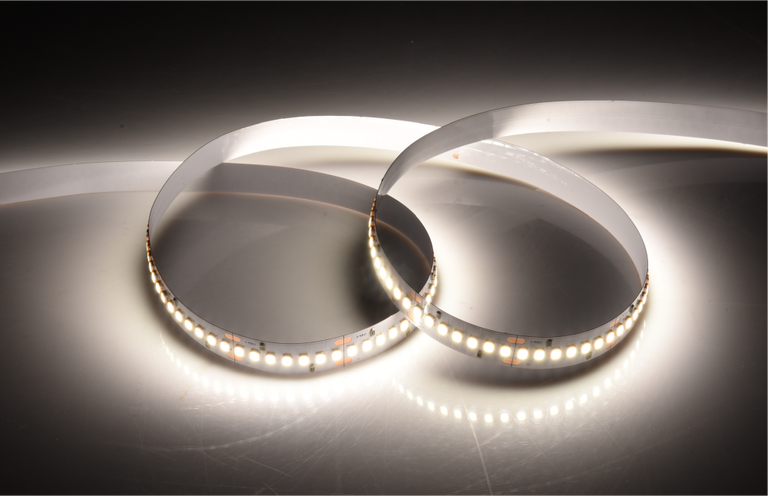
Built-in LED lighting becomes most useful when it solves a design problem that conventional fixtures leave visible. A cabinet can look unfinished when a light source interrupts its lines. A retail shelf can lose impact when the illumination stops short of the product. A wardrobe may need light that fits the furniture rather than being attached to it afterward. Here, illumination becomes part of the structure.
Put the Light Inside the Element You Already Want to Highlight
The effective way to use built-in lighting is to place it where the architecture or furniture already creates a natural lighting position. Instead of adding a visible fixture beneath a cabinet, we can integrate the light into the cabinet itself. The same approach works in wardrobes, shelving, displays, and other built-in furniture.
This changes the visual role of the light. It no longer needs to look like an independent object. The fixture can become part of the joinery, allowing the illuminated surface or product to attract attention while the hardware stays visually quiet. LEDIA Lighting’s F02 is designed specifically around built-in furniture and retail scenarios, including wardrobes, closets, and kitchen cabinets.
Use a Recessed Position to Make the Light Part of the Furniture
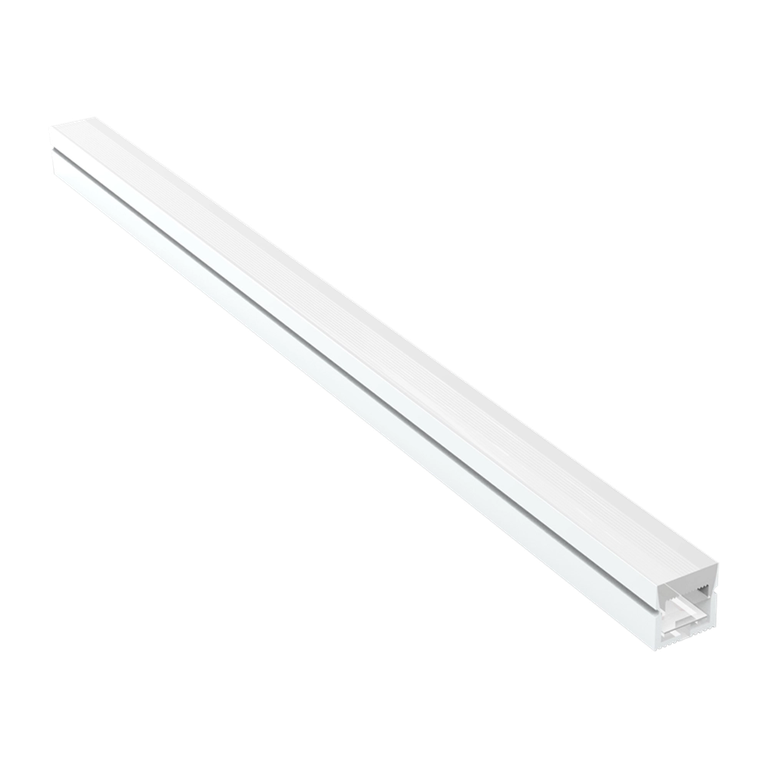
A recessed LED profile is particularly useful when the goal is to make the lighting line feel integrated rather than attached. It establishes a controlled position for the light source and a cleaner relationship with the surrounding material.
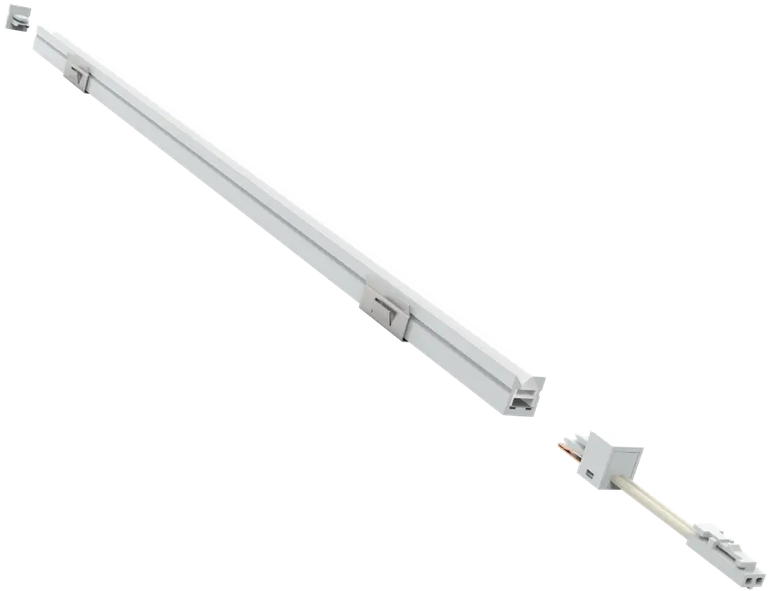
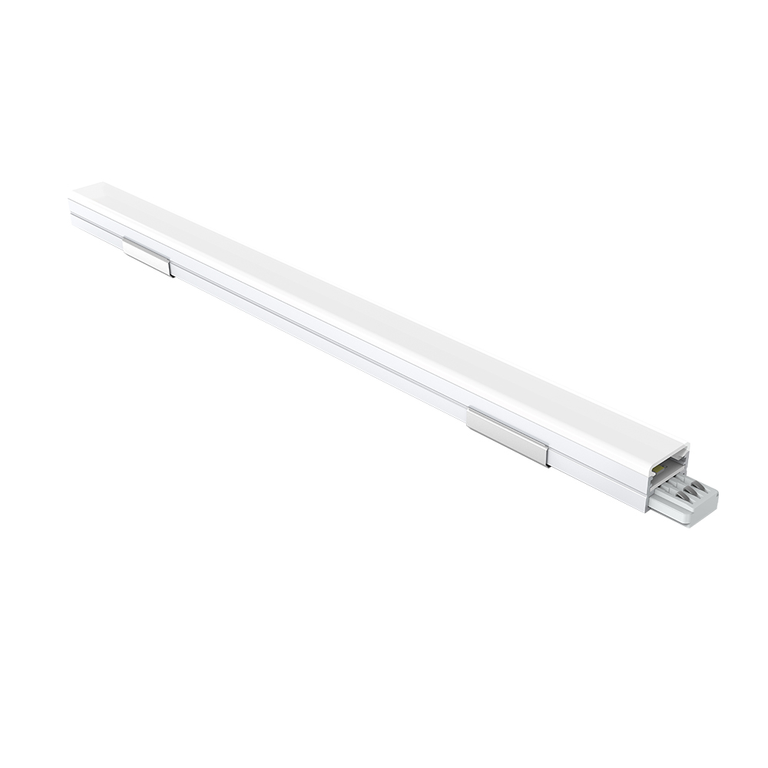
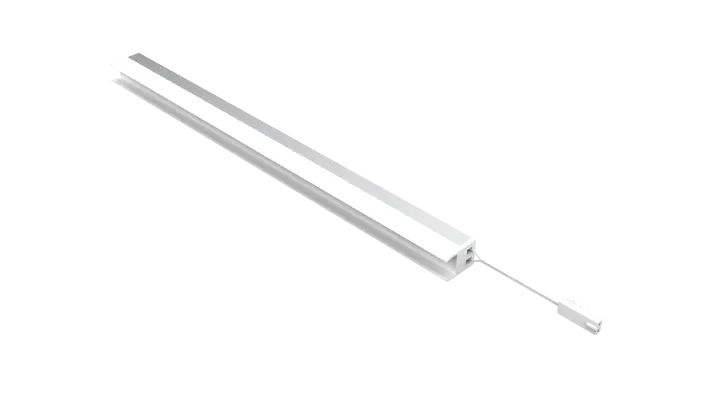
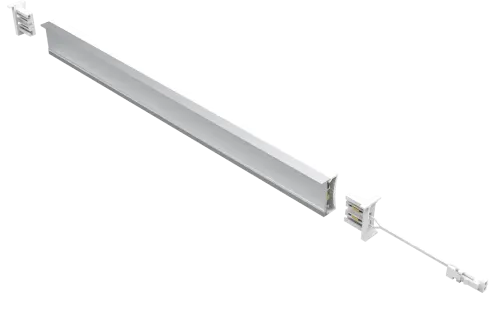
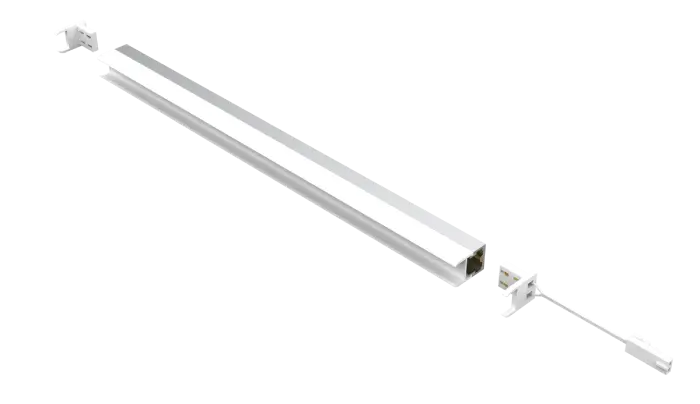
Our F02 design uses an aluminum housing and a patented housing structure with a quick plug-in terminal. The manufacturer states that it does not require a separate aluminum profile and supports welding-free installation. Aluminum also provides heat dissipation for the LED PCB. A recessed LED profile therefore needs to fit the construction process, not simply produce light.
Let the Length Follow the Actual Furniture Dimensions
Furniture rarely follows a single universal dimension. A wardrobe section may be shorter than the next one, while a retail display can change from one fixture to another. Fixed-length lighting can therefore create unnecessary gaps, visible joints, or wasted material.
The F02 is designed for free cutting, allowing the length to be adapted to different installation requirements. LEDIA Lighting also states that lengths up to 3 meters can be delivered, which can reduce waste and labor compared with managing many shorter pieces. This makes the lighting easier to coordinate with actual furniture dimensions.
Change the Atmosphere Without Changing the Fixture
Built-in lighting does not have to provide only one visual mood. A cabinet may need a practical working light during one situation and a warmer decorative atmosphere in another. Retail environments can also use different color temperatures to change how a display feels without physically replacing the lighting hardware.
The F02 uses a two-wire CCT configuration, with a model offering a changeable range from 2700K to 5000K. Its listed models also provide CRI above Ra90. The value is being able to adapt the light while keeping the fixture integrated. This is one reason built in LED lights can become part of the design strategy rather than simply an added source of brightness.
Make Installation Easier Before the Project Reaches the Site
A built-in lighting idea can look simple in a drawing but become difficult during installation if every section requires custom soldering or complicated profile work. We therefore pay attention to how the product connects as much as how it looks after installation.
The F02 uses a quick connector and plug-and-play, soldering-free connection approach. Its product page specifically positions this as a way to simplify installation and save labor. This matters when many lighting sections must be installed consistently.
Use the Lighting to Reveal Details Rather Than Decorate Everything
Built-in LED lighting works best when it has a specific visual job. A wardrobe light can make stored items easier to see. Shelf lighting can separate products from a darker background. Cabinet lighting can emphasize the depth of a surface or create a softer transition between materials.
We do not recommend illuminating every available recess. Stronger results come from identifying what the light should reveal and integrating the source there. The approach keeps the lighting intentional rather than turning every furniture edge into a glowing line.
Build the Specification Around the Finished Piece
The final product choice should follow the dimensions, material, installation method, and visual requirements of the furniture. With built in LED lights, we need to consider where the housing will sit, how the cable will be routed, what length each section requires, and whether one CCT or an adjustable option better suits the finished environment.
LEDIA Lighting treats these details as part of the product. The F02 combines free cutting, aluminum housing, high CRI, and a soldering-free connection in one built-in format. This helps the lighting feel like part of the furniture rather than an accessory.
Conclusion
Simple built-in lighting does not require complicated visual effects. Strong project ideas often come from putting the light exactly where the furniture or display already needs it. A recessed LED profile can keep the source visually integrated, while adjustable color temperature and adaptable length can give the finished installation more control.
The goal behind LEDIA Lighting’s built in LED lights isn’t simply to brighten up a space—it’s to elevate how specific surfaces perform, look, and feel. When you design the lighting right from the start, the installation stays neat and the final look is much easier to manage.