Selecting suitable LED lighting for a commercial or industrial project involves more than comparing prices and brightness. Buyers must consider the installation environment, lighting objectives, layout complexity, and total project scale. For distributors, contractors, architects, and lighting wholesalers, making these decisions early can improve procurement efficiency and reduce installation challenges.
When sourcing LED strip lights wholesale, understanding the relationship between product specifications and project requirements is essential. Different applications may require different lighting technologies, protection levels, and installation configurations. By evaluating these factors systematically, buyers can select products that balance performance, cost, and long-term reliability.
Start with the Application: What Type of Lighting Does the Project Need?
The intended application should be the starting point for product selection. Decorative lighting, workplace illumination, and industrial lighting have different technical priorities. Choosing products according to their actual functions helps avoid unnecessary specifications and unsuitable installations.
Decorative and Architectural Applications
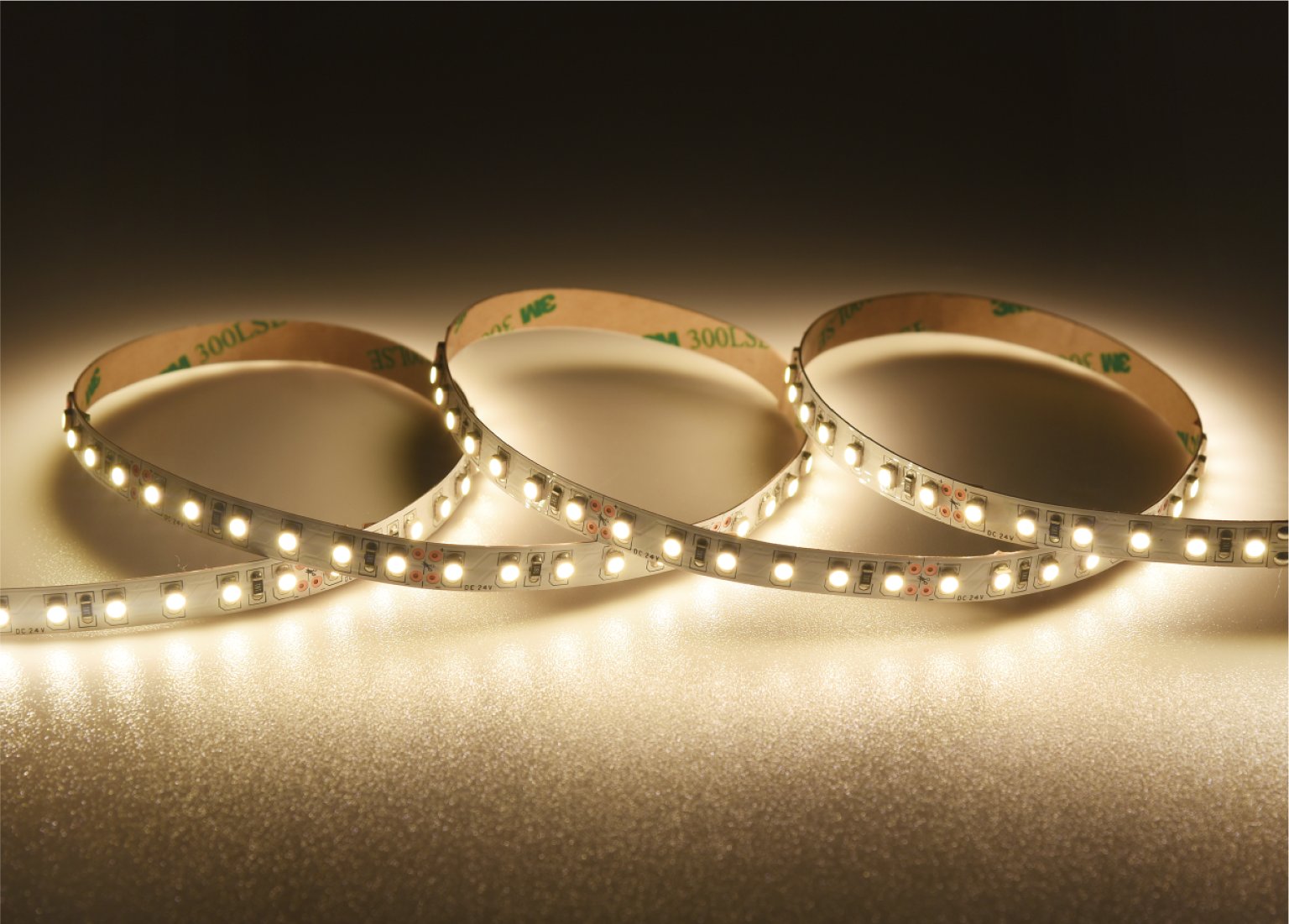
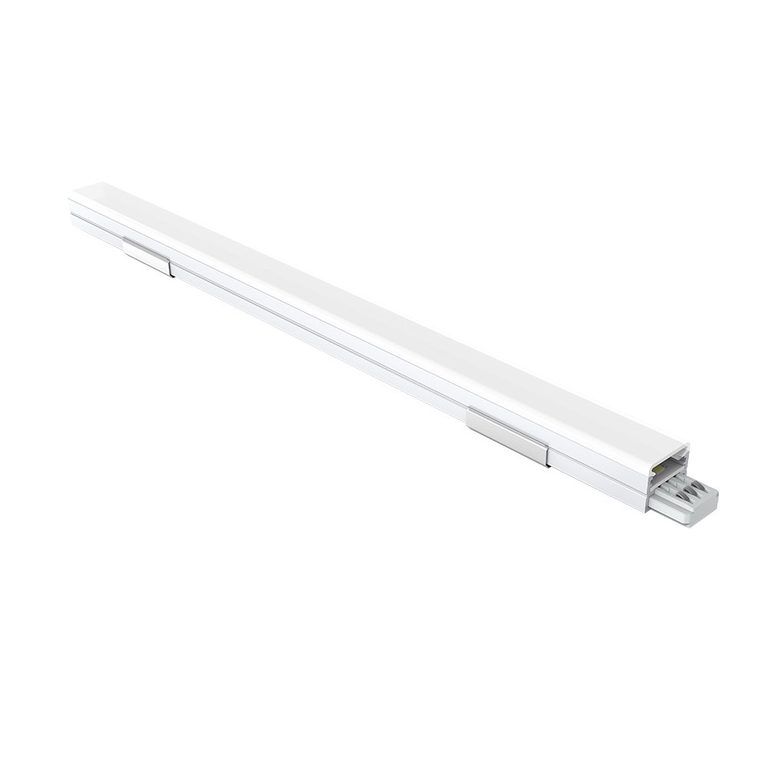
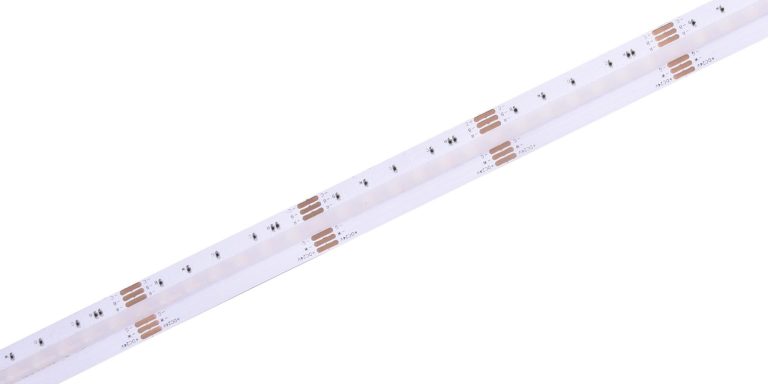
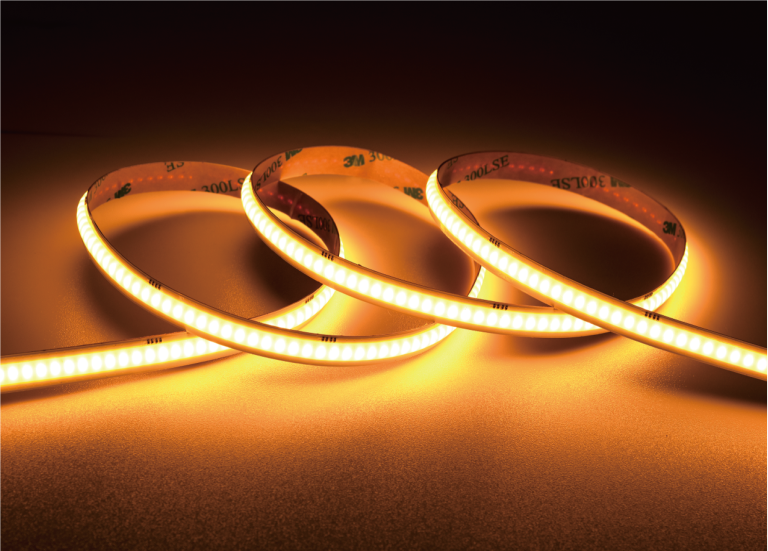
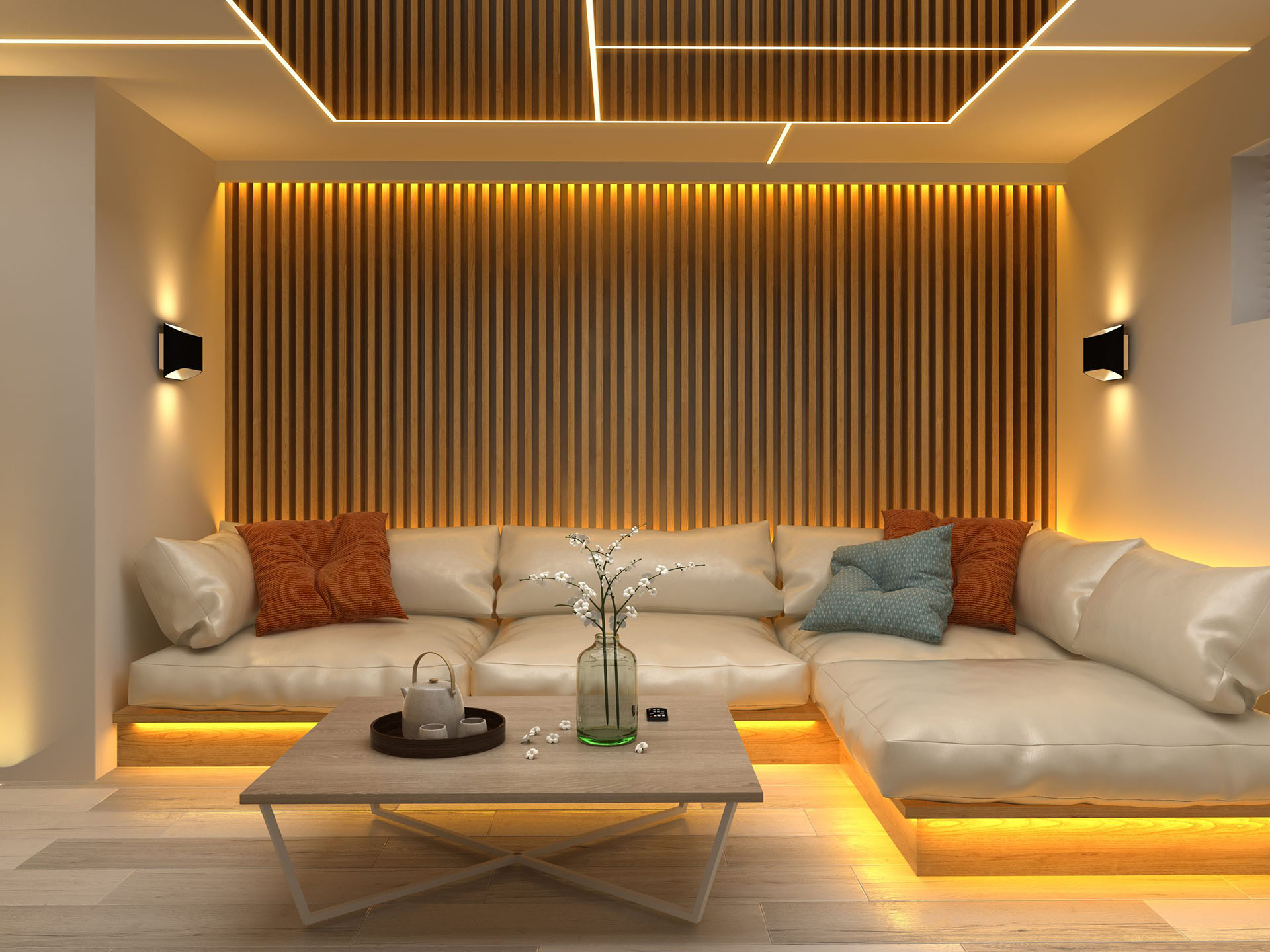
For retail displays, cabinets, shelves, and architectural details, visual consistency is often a priority. COB LED strip lights provide continuous, dot-free illumination, making them suitable for installations where the light source is directly visible or positioned behind narrow diffusers.
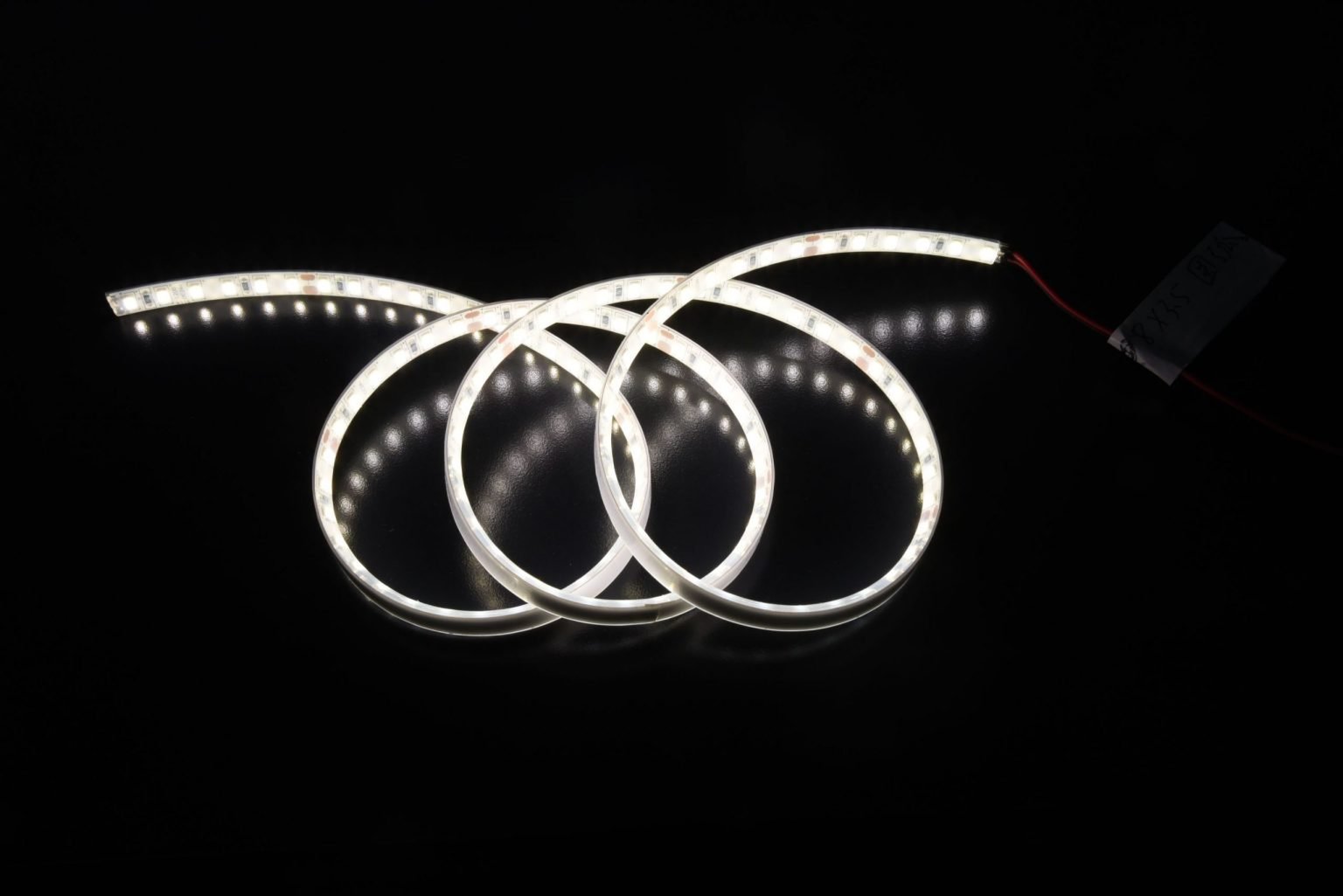
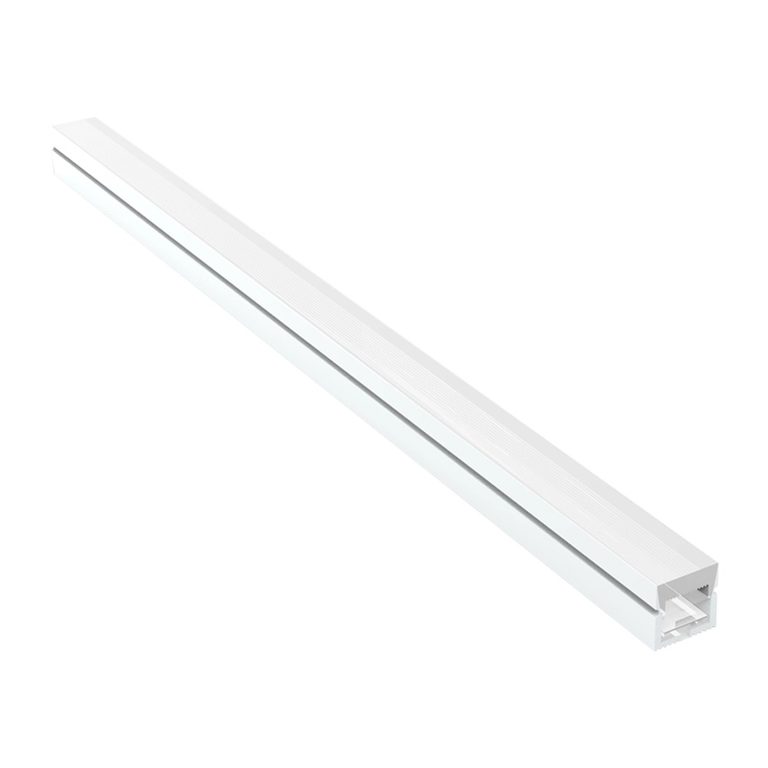
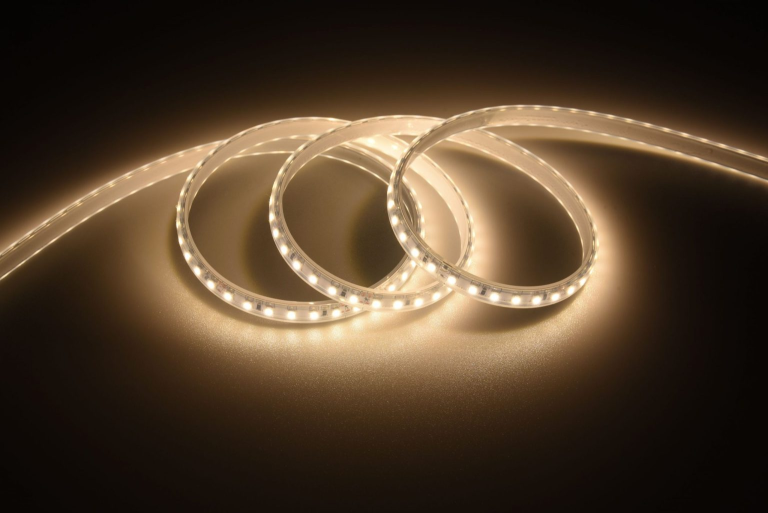
Silicone strip lights are another option for projects involving curved surfaces, decorative outlines, and indoor or outdoor architectural accents. Their flexible construction allows designers to create lighting arrangements that follow different shapes.
Commercial Office Environments
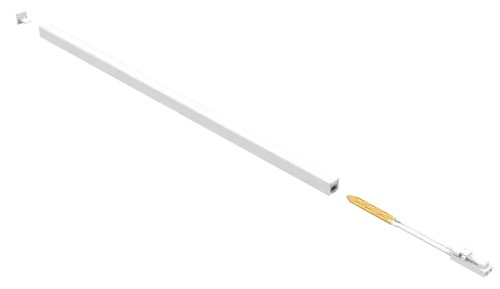
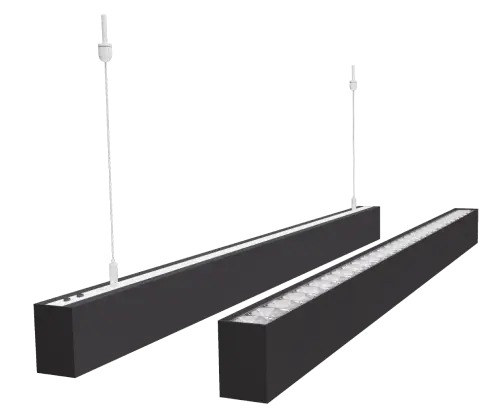
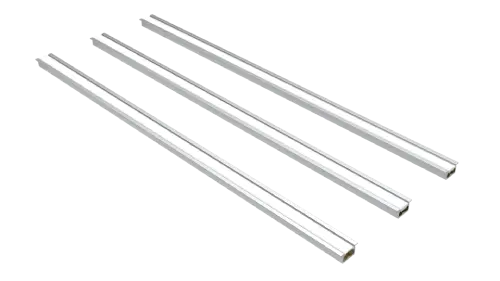
Office lighting requires attention to visual comfort, uniform illumination, and energy consumption. LED linear fixtures are commonly used in open offices, meeting rooms, corridors, and reception areas.
Rather than selecting one fixture for every space, project planners should evaluate ceiling height, mounting arrangements, required illumination, and control systems. Different office zones may benefit from different linear lighting configurations.
Industrial and Utility Spaces
Warehouses, parking garages, production facilities, and underground passages require practical lighting solutions that can accommodate demanding operating conditions.
Tri-proof lighting is particularly relevant in environments where protection against dust and moisture is important. Buyers should examine the product’s IP rating, construction, mounting method, and maintenance requirements before confirming specifications.
Evaluate the Layout Before Ordering
Once the application is established, the next step is understanding the physical lighting layout. A suitable product must fit the available installation space and provide the required light distribution.
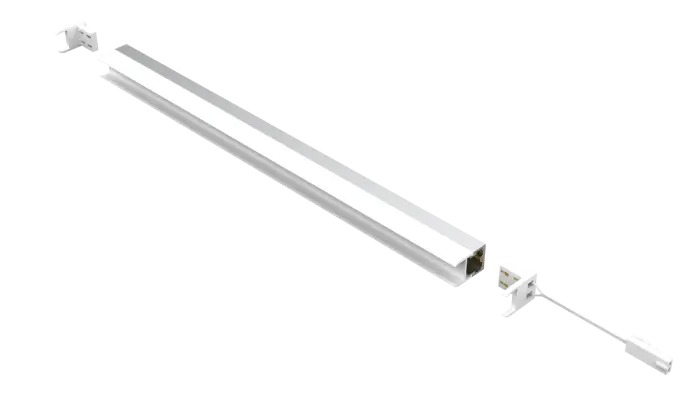
Start by measuring the total installation length and identifying straight runs, corners, curves, and connection points. For strip lighting, also check the cutting unit and available joining accessories. These details influence material requirements and help minimize unnecessary waste.
Power distribution deserves equal attention. Long strip installations may require multiple power feeds to manage voltage drop and brightness differences. Buyers should calculate the connected load, select compatible power supplies, and plan cable routes before installation.
For linear fixtures, consider ceiling structures, suspension heights, fixture spacing, and electrical connection positions. A detailed layout drawing gives suppliers a clearer understanding of the project and supports more accurate quotations.
Match Product Specifications with Project Requirements
Technical specifications help buyers compare products beyond their appearance and initial purchase price. When evaluating LED strip lights wholesale, several parameters deserve particular attention:
Color temperature: Select warm, neutral, or cool white according to the intended atmosphere and application.
Color rendering: Higher CRI options may be appropriate for retail displays and environments where accurate color presentation matters.
Luminous efficacy: Compare light output against power consumption rather than relying on wattage alone.
IP rating: Match protection levels to actual exposure conditions, including dust and moisture.
Voltage and power: Confirm compatibility with the electrical system and calculate the total connected load.
Installation dimensions: Check strip width, fixture length, mounting accessories, and available space.
Working with experienced LED linear light manufacturer partners also helps buyers clarify technical differences between product categories. This is especially important when a project combines flexible strips, office fixtures, and industrial luminaires.
Adjust Procurement Strategies to Project Size
Project quantity influences product selection, pricing negotiations, production scheduling, and delivery arrangements. Small installations may prioritize flexible purchasing and readily available standard products, while large developments often require coordinated specifications and more detailed production planning.
For small projects, standardized products can simplify procurement and replacement. Medium-sized commercial developments may benefit from a combination of standard and customized lighting configurations.
Large-scale projects require more comprehensive planning. Buyers should provide estimated quantities, installation schedules, technical drawings, and delivery destinations when requesting quotations. When sourcing LED strip lights wholesale, consolidating product requirements can also improve order coordination and help reduce inconsistencies between different project areas.
Before placing a bulk order, consider requesting samples for installation testing. This allows contractors to evaluate brightness, color appearance, mounting compatibility, and connection methods under actual project conditions.
Choose a Supplier with Reliable Manufacturing and Quality Control
Product consistency becomes increasingly important when purchasing lighting in volume. Buyers should evaluate manufacturing capabilities, quality management procedures, testing resources, certifications, and customization support.
When comparing LED linear light manufacturer options, it is useful to examine whether suppliers can support both standard orders and project-specific requirements. Production capacity and quality-control processes are particularly relevant when multiple batches must maintain consistent specifications.
At LEDIA Lighting, we provide LED COB strip lights, silicone strip lights, office linear lights, and tri-proof lighting for commercial and industrial applications. Our manufacturing capabilities include automated production equipment and more than 20 production lines, supporting monthly strip-light production of approximately 1.5 million meters.
We also maintain ISO 9001 and ISO 14001 certifications, with quality control applied throughout production and product testing. For buyers seeking LED strip lights wholesale, we offer standard and customized lighting options to accommodate different installation requirements.
Building a More Efficient Lighting Procurement Plan
Successful lighting procurement depends on matching products with applications, understanding installation layouts, and planning quantities according to project scale. Buyers should evaluate technical specifications, supplier capabilities, quality management, and delivery coordination before making purchasing decisions.
At LEDIA Lighting, we support distributors, contractors, and project buyers with flexible LED strip and linear lighting solutions. By working with an experienced LED linear light manufacturer, businesses can make more informed sourcing decisions and develop lighting specifications that meet both functional and commercial objectives.