A successful LED strip project depends on more than lumen output. For architects, lighting distributors, contractors, and OEM buyers, the strip must fit the installation space, deliver the intended visual effect, and suit the operating environment. Width, flexibility, cuttability, color rendering, light uniformity, and protection level all influence the final result. Choosing an LED strip supplier that can discuss these factors at specification stage can reduce installation changes.
Start With the Installation Space
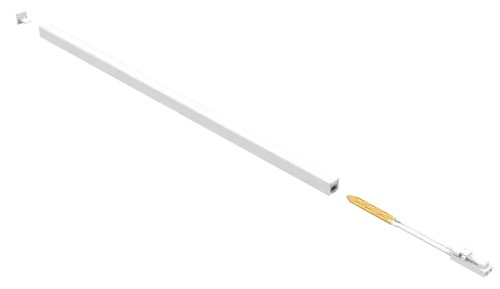
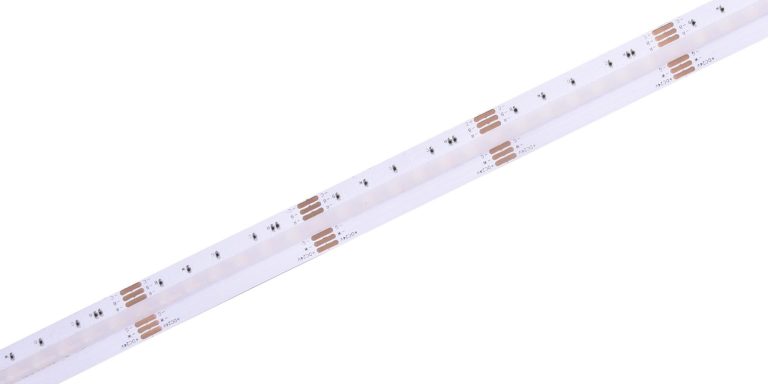
Physical dimensions should be reviewed before selecting a strip. Narrow channels, furniture grooves, display details, and architectural recesses may leave little room for the light source. A super-narrow strip can simplify integration where a conventional board would be too wide.
Installation also affects how the strip should be supported and connected. The project team should confirm the available channel, bending direction, wiring route, power requirements, and maintenance access. For longer installations, these details should be agreed during design.
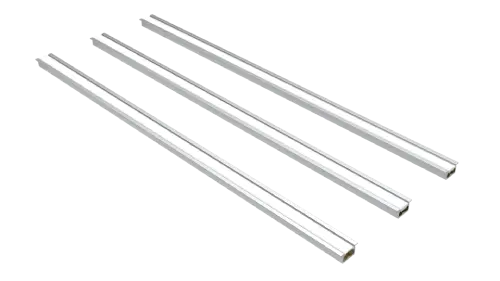
We recommend evaluating a sample inside the actual profile or mounting location. A strip that looks suitable on paper may produce a different appearance once installed behind a diffuser or inside a shallow recess. Testing helps buyers verify fit and light quality.
Use Light Uniformity to Shape Appearance
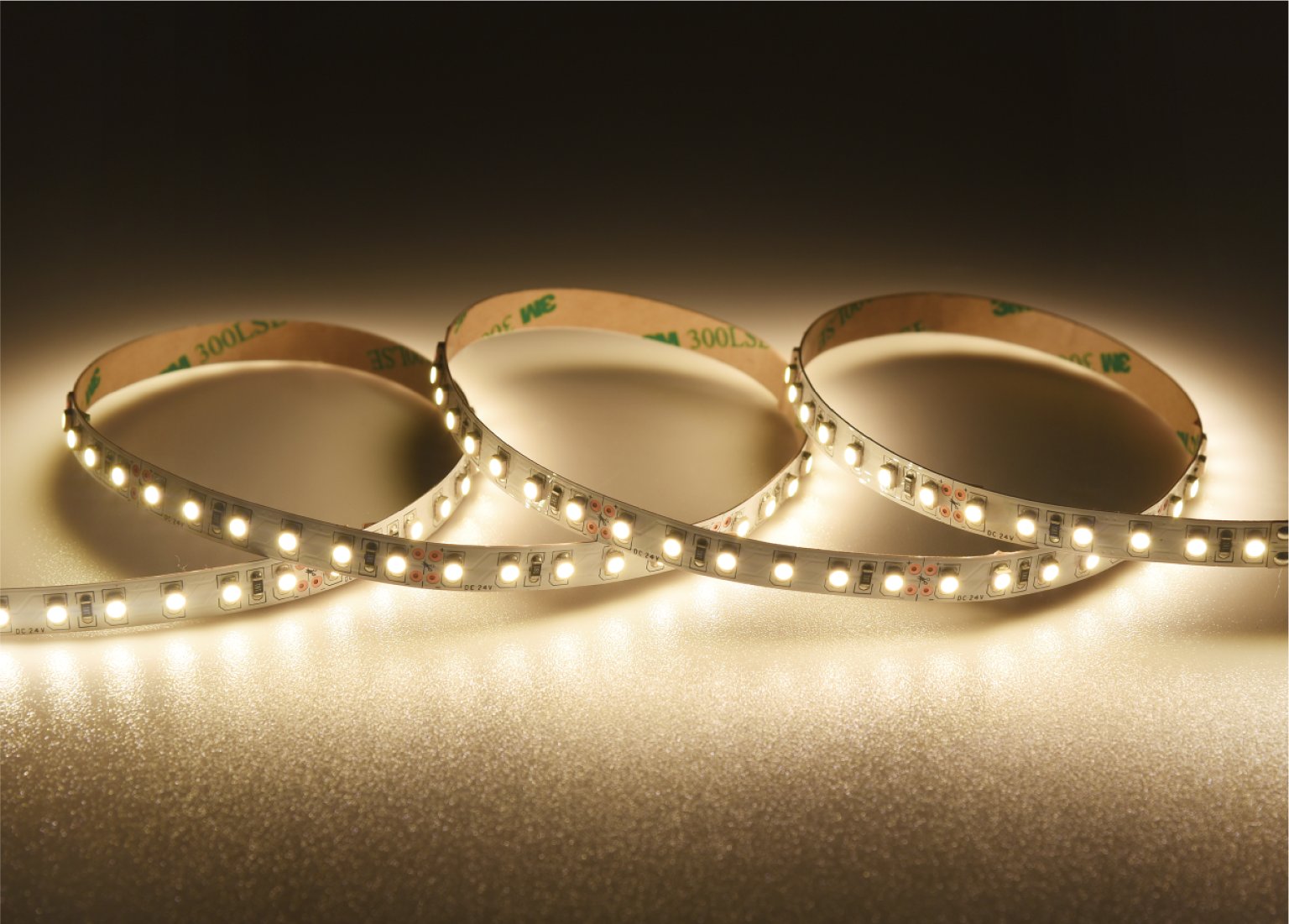
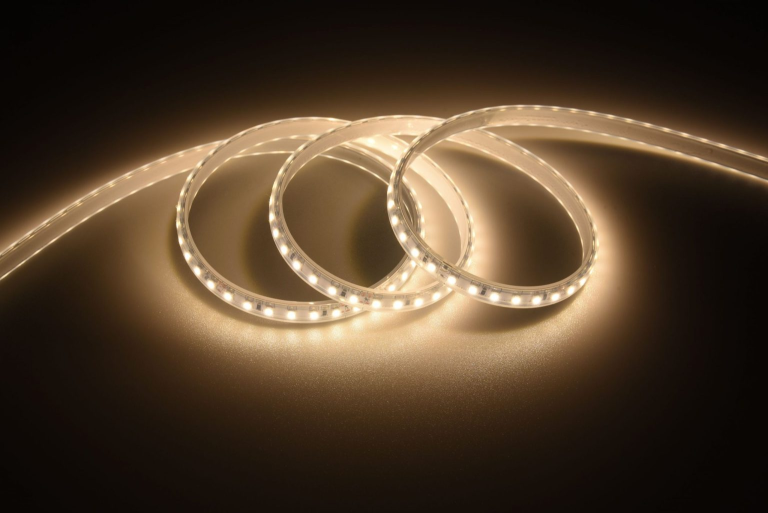
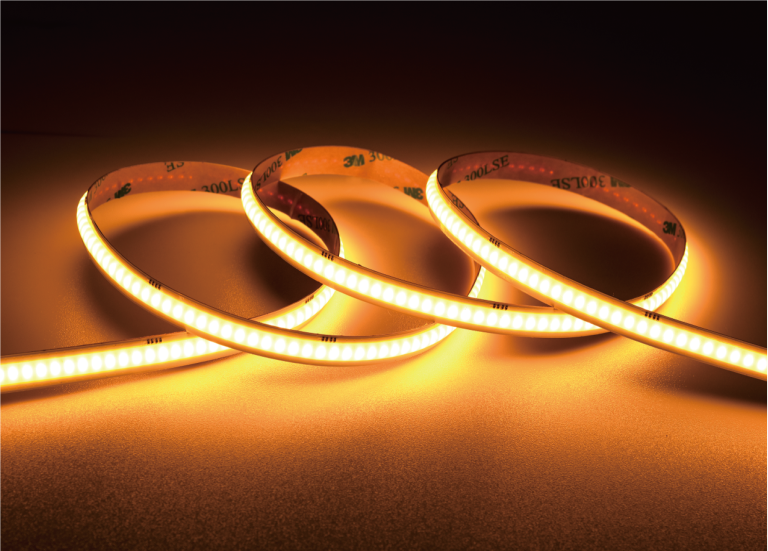
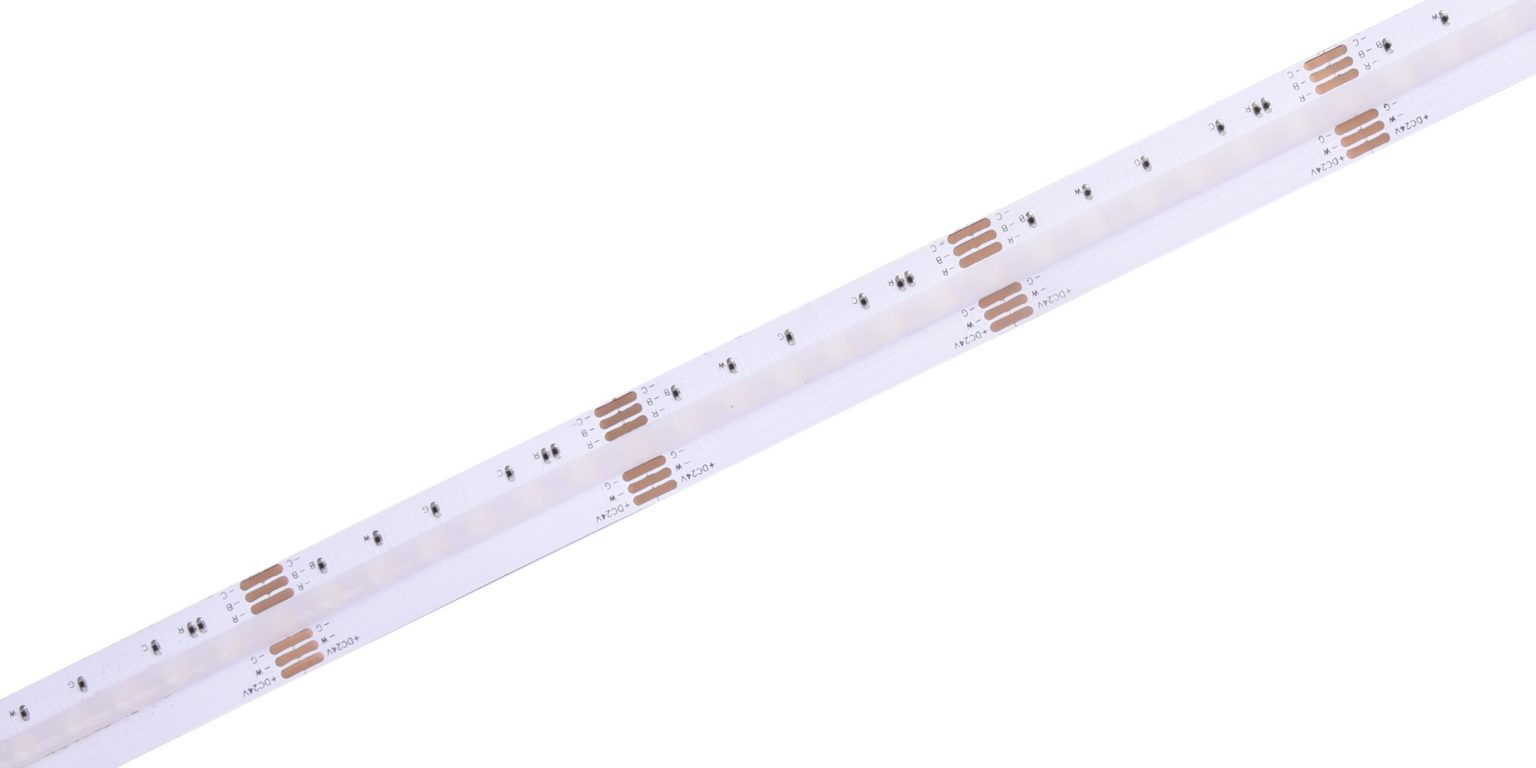
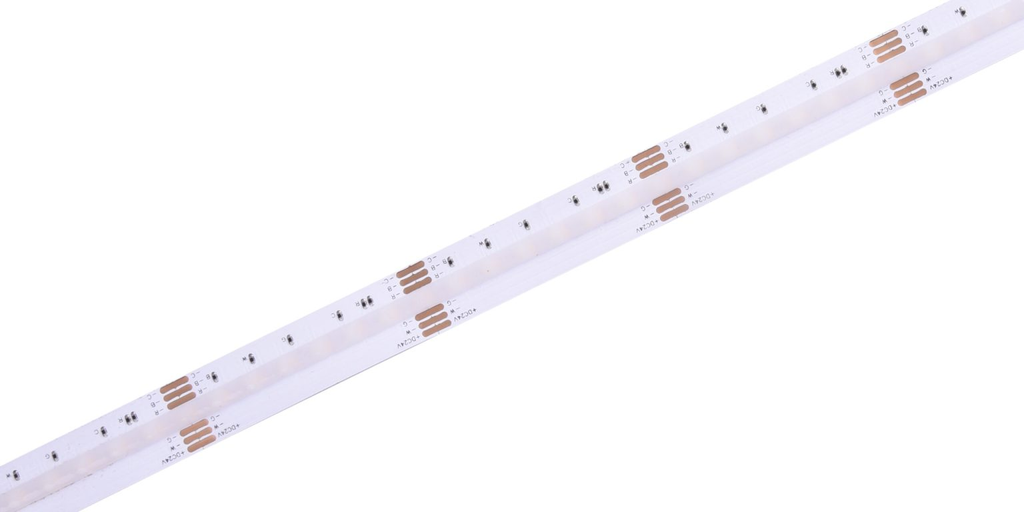
Visible LED dots can distract from clean architectural lines, especially in direct-view applications or shallow diffusers. COB construction helps create a more continuous appearance by distributing light-emitting elements along the strip.
For projects where the light source may be seen, uniformity should be treated as a design requirement. Continuous-looking illumination can support cabinet details, retail displays, decorative coves, and other applications where a smooth line is more important than a segmented source.
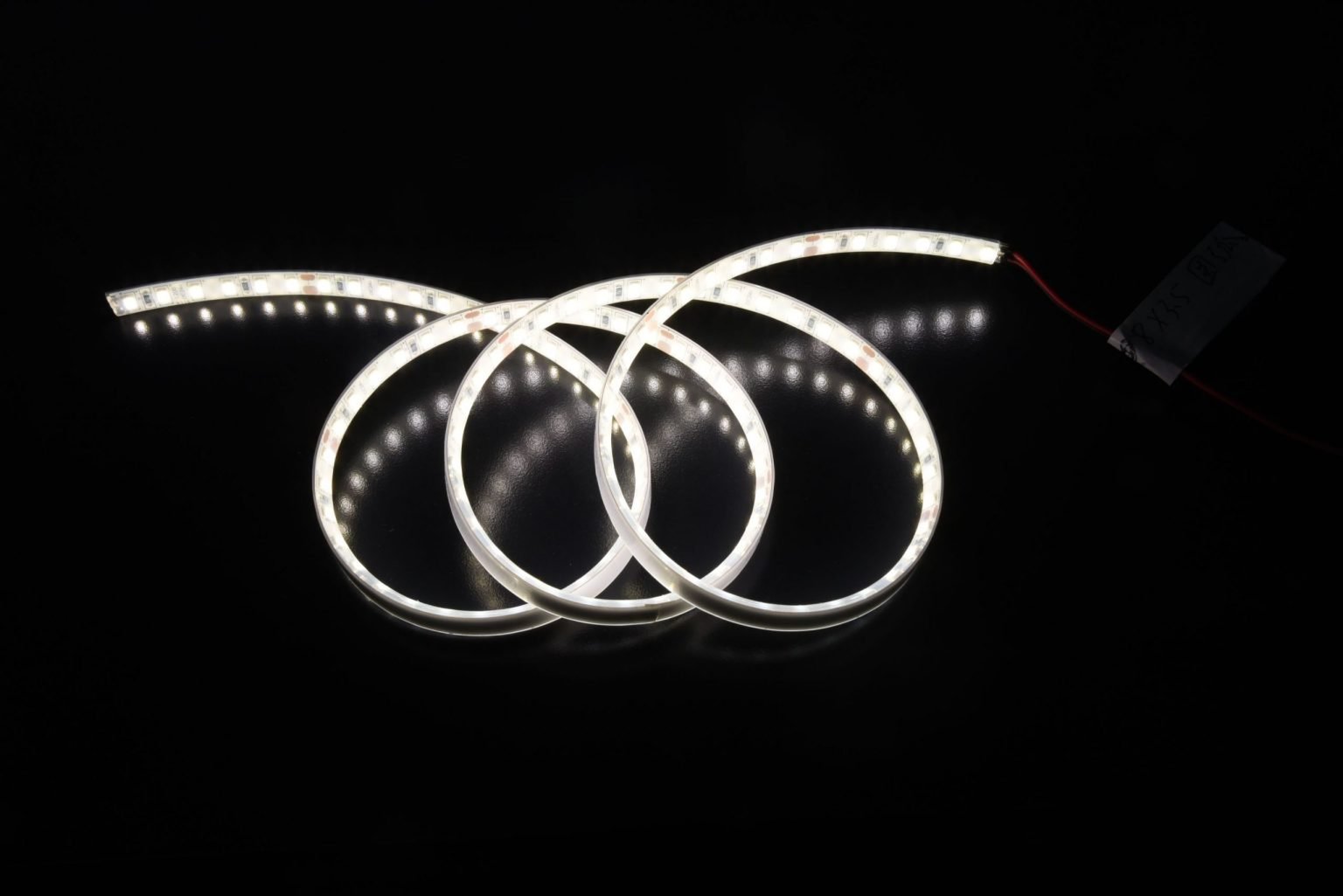
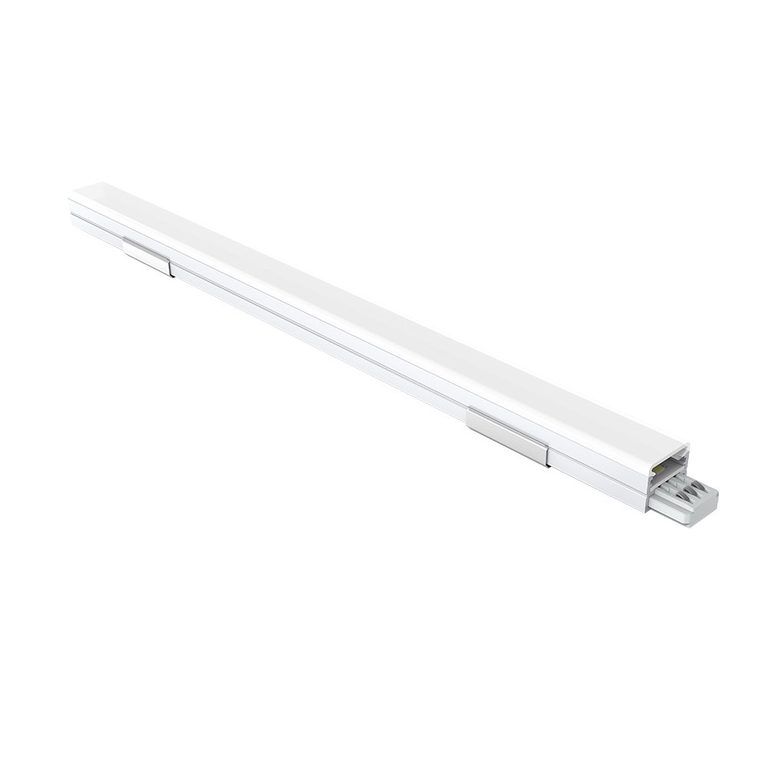
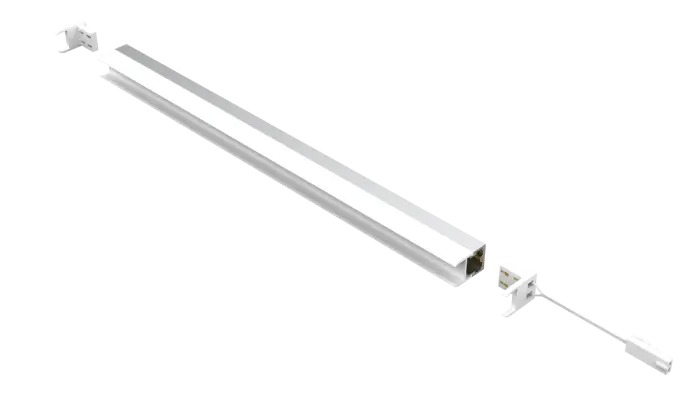
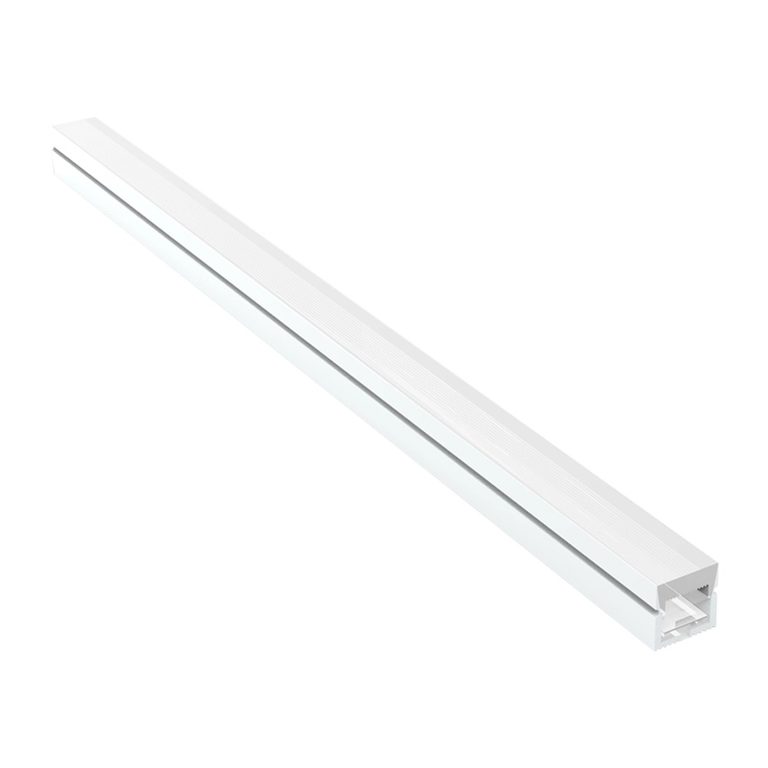
Our COB Free Cut Series is designed around this requirement. It delivers uniform, dot-free light in a super-narrow format, making it suitable for concealed cove lighting, narrow grooves, display cabinets, and decorative profiles where precise installation and a seamless lighting effect matter.
The series offers CRI 80+, CRI 90+, and CRI 95+ options to suit different applications: CRI 80+ works well for general ambient lighting, CRI 90+ helps merchandise, furniture, and interior finishes appear more natural, while CRI 95+ is ideal for color-sensitive settings such as premium retail displays and high-end interior projects.
Match CRI and Efficiency to the Project
Color rendering matters when lighting affects merchandise, materials, finishes, or interior colors. Retail environments may require stronger color fidelity than decorative areas, while offices and residences can have different priorities. Buyers should therefore specify the required CRI rather than selecting only by wattage or price.
Our COB Free Cut Series offers CRI 90+ performance with efficacy up to 120 lm/W, while CRI 80+, 90+, and 95+ options are available. This gives distributors and specifiers flexibility to select an appropriate performance level.
When evaluating an LED strip supplier, compare efficacy, optical performance, dimensions, and warranty together. A higher efficacy figure can be valuable, but it should not replace consideration of appearance, installation constraints, and color quality.
Select Protection for the Environment
IP protection should correspond to actual installation conditions. Dry indoor applications can use an appropriate indoor-rated product, while locations exposed to moisture, water, or outdoor conditions may require higher protection. Consider connectors, cable exits, mounting details, and installation methods too.
Our COB Free Cut Series is offered in IP20, IP65, IP67, and IP68 versions. This range supports office, residential, retail, and decorative lighting requirements. Rather than automatically choosing the highest rating, buyers can align protection with the environment.
Plan for Procurement and Repeatability
For business projects, product selection is also a supply-chain decision. A suitable LED strip supplier should provide consistent specifications, technical information, samples, and clear communication through quotation and production. These factors matter even more when the same design is deployed across multiple locations.
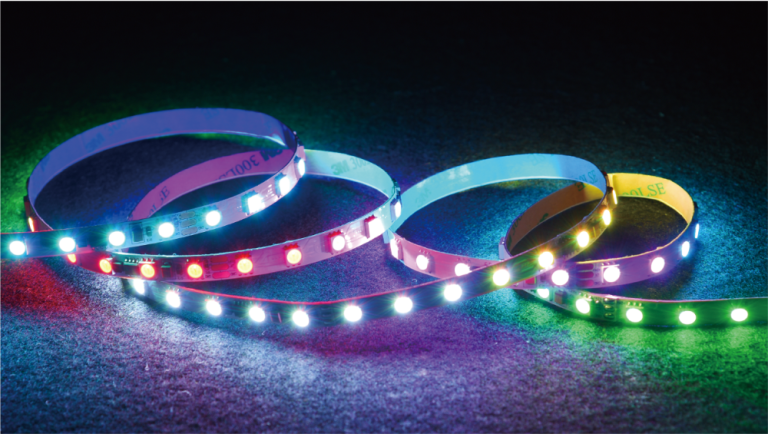
For RGB LED strip lights wholesale programs, buyers should define color effects, installation conditions, dimensions, controls, and packaging before volume orders. The product must fit the installation and deliver a repeatable visual result.
We approach RGB LED strip lights wholesale requirements from a project perspective, considering how the strip will be installed and used rather than treating it as an isolated component. We support customized lighting requirements across commercial and residential applications.
Build the Specification Before the Order
A clear specification can prevent installation problems. Procurement teams should document strip dimensions, CRI, CCT or color requirements, protection level, application, quantity, and required accessories. Samples should be checked for fit and appearance before mass production, especially when the strip will be visible or installed in a demanding profile.
For RGB LED strip lights wholesale, the specification should also cover the desired control system and color behavior. Clear documentation keeps buyers, manufacturers, designers, and installers aligned.
Our COB Free Cut Series carries a three-year warranty and is available in configurations for different installation environments. We can discuss product selection according to project conditions.
Make Installation and Appearance Work Together
Choosing LED strip lighting is ultimately a balance between physical integration and visual performance. A narrow format may solve a space constraint, while dot-free COB construction can improve exposed or shallow installations. CRI, efficacy, and IP protection then help refine the specification for the intended environment.
For distributors and contractors, an LED strip supplier that understands these connections can simplify procurement. For RGB LED strip lights wholesale projects, the same principle applies: define installation and appearance first, then select the configuration that can deliver both.
At LEDIA Lighting, we support this process with LED strip manufacturing, product development, testing, and customized solutions for commercial, residential, retail, office, and decorative applications. By considering installation requirements and appearance together, project teams can make informed choices and create lighting systems that are practical to install and consistent with the design intent.