Cabinet lighting has moved beyond a decorative extra. For kitchen units, wardrobes, closets, display cabinets, and other built-in furniture, integrated illumination can improve visibility while keeping the furniture’s lines clean. For project buyers, the challenge is choosing a lighting format that fits limited spaces, delivers consistent light, and does not create unnecessary installation work. LED light strips for furniture offer one flexible approach, especially when recessed integration is planned from the beginning.
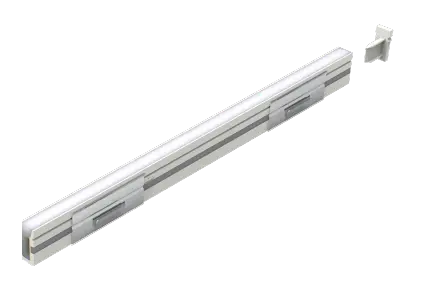
What Recessed Furniture Lighting Actually Does
Recessed furniture lighting means placing the light source within or behind a cabinet component rather than leaving a fixture visibly mounted on the surface. The result is a cleaner appearance and less visual clutter. Recessed solutions can also direct light toward shelves, countertops, drawers, or cabinet interiors, depending on the installation position.
For kitchen applications, lighting beneath wall cabinets can reduce shadows on work surfaces. Professional lighting guidance also shows the value of combining general, task, and accent lighting rather than treating cabinet illumination as a single decorative feature. This makes LED light strips for furniture useful for both functional and visual purposes.
Why Strip Lighting Fits Built-In Cabinets
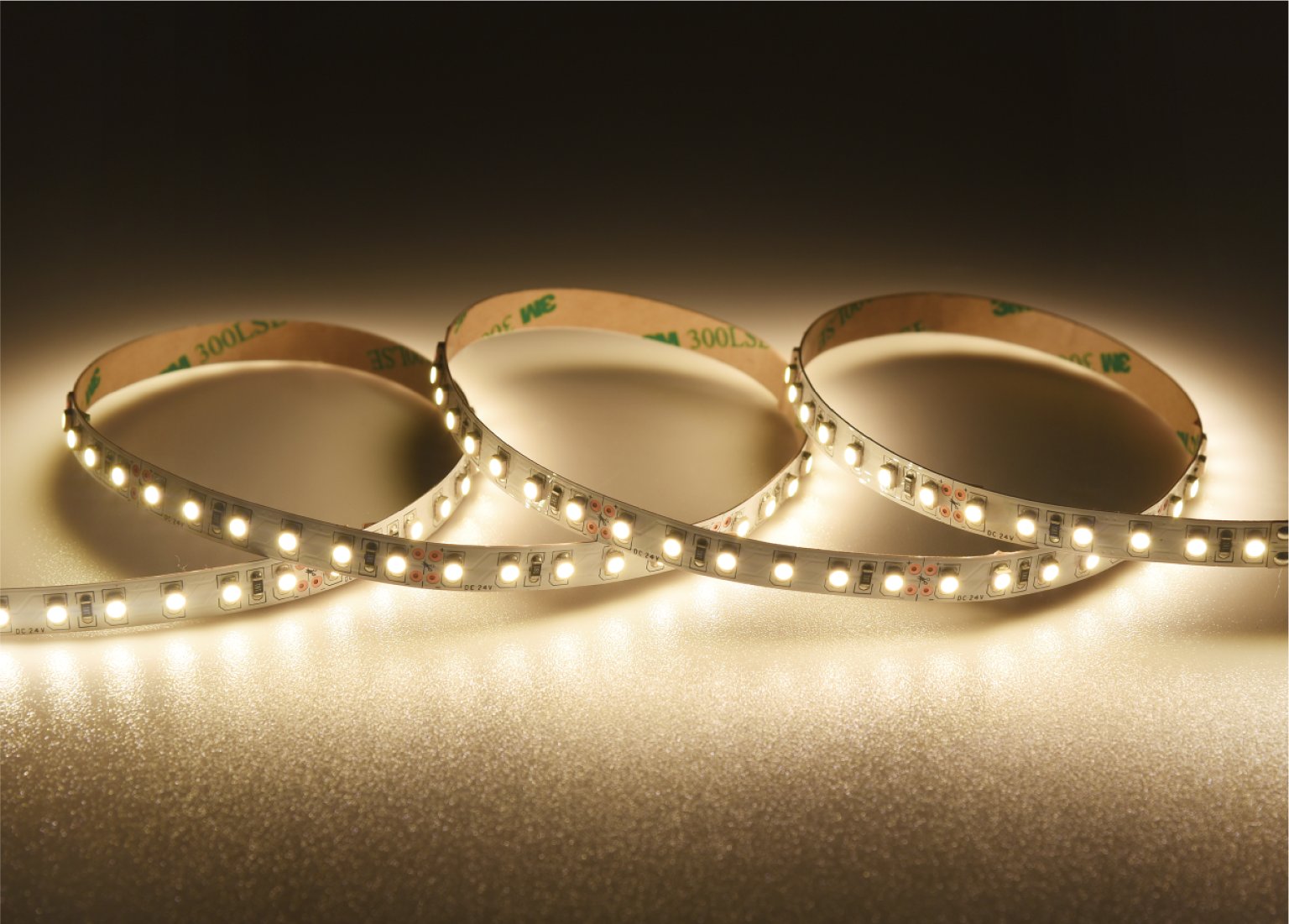
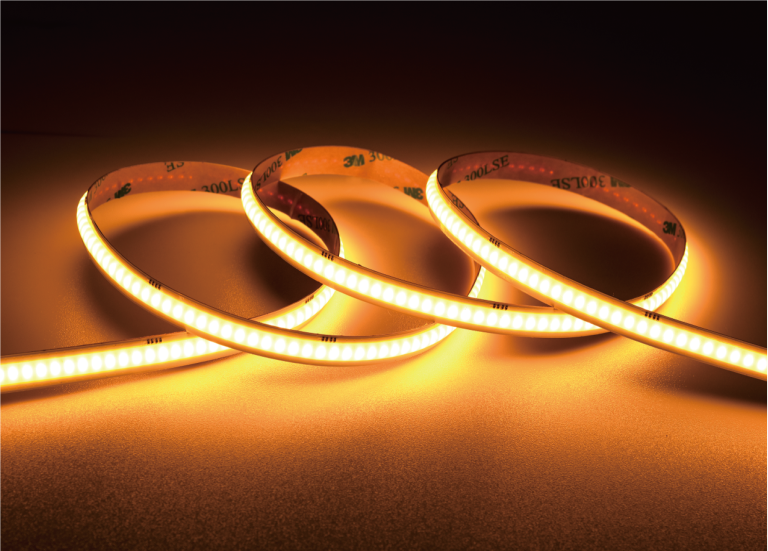
Strip lighting is particularly adaptable because it can follow long, narrow furniture sections and accommodate different cabinet geometries. Compared with isolated light points, a continuous strip can create a more uniform visual line when the installation and diffusion are properly designed.
The choice of light quality still matters. The U.S. Department of Energy notes that CRI measures color fidelity and generally recommends at least CRI 80 for interior lighting. Buyers should therefore review the actual product specification instead of selecting only by appearance or price.
Planning the Recessed Position
Placement should be decided before cabinet fabrication. A strip hidden too far inside a cabinet may illuminate the rear panel more than the usable area, while one placed where users can see the light source may create unwanted glare. For countertops, the goal is generally to illuminate the working surface while minimizing shadows.
Furniture manufacturers should also consider cable routes, power supply locations, access for maintenance, and the dimensions of the recess. These details affect installation time and the finished appearance. A well-planned free strip light arrangement can be especially useful when cabinet lengths or shapes differ from one project to another.
A Flexible Built-In Option from LEDIA Lighting
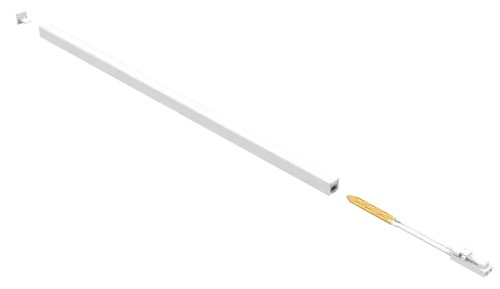
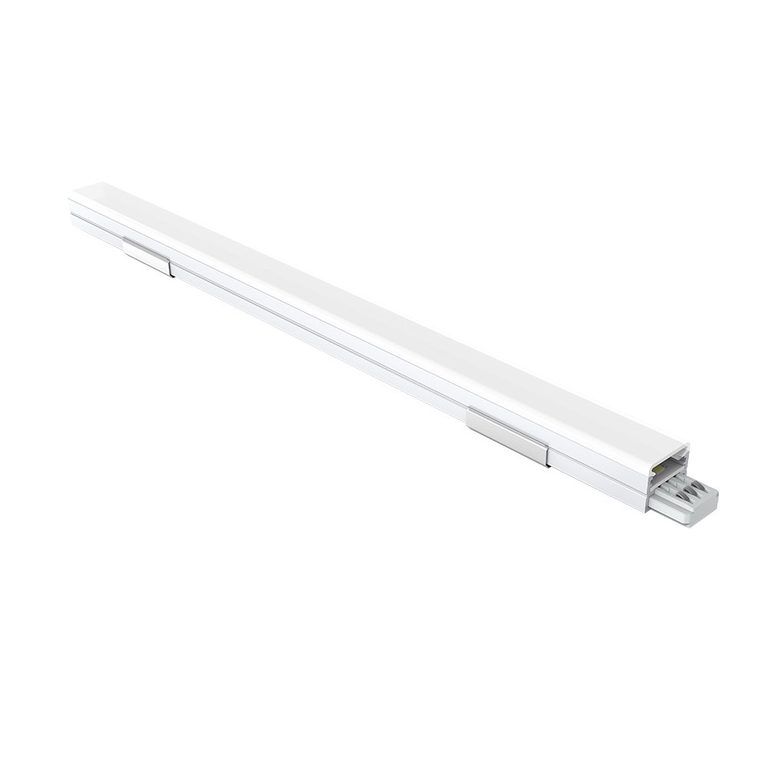
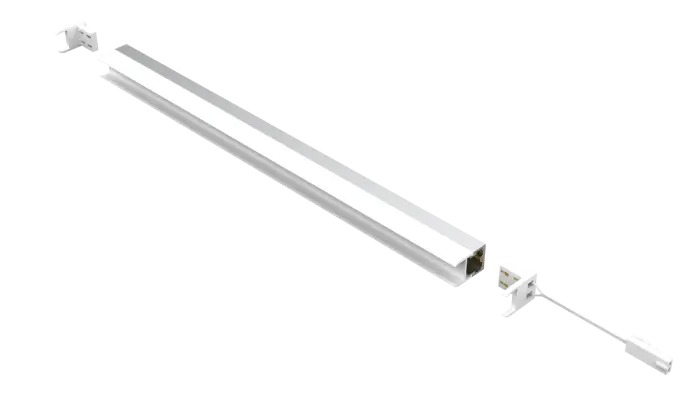
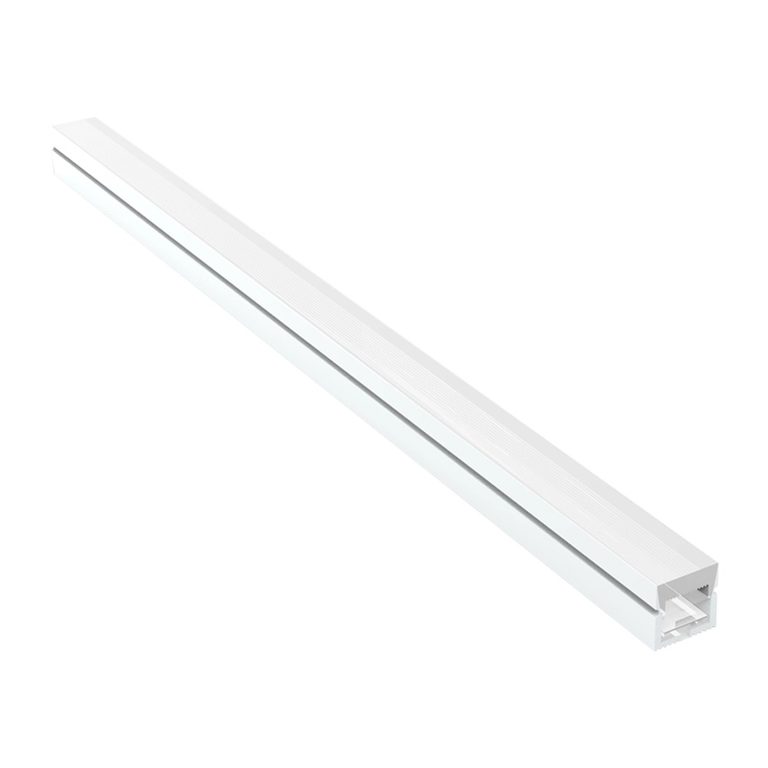
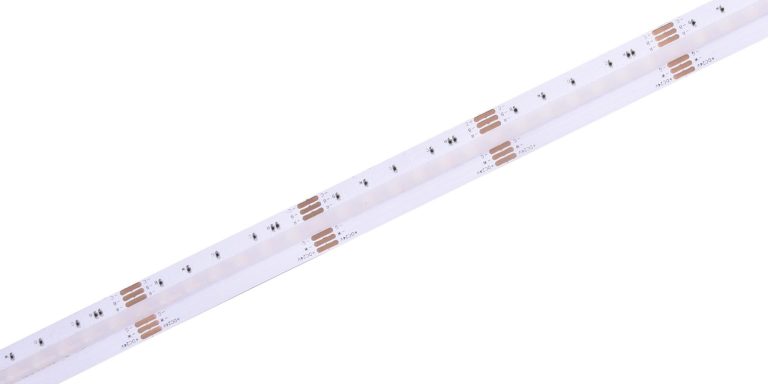
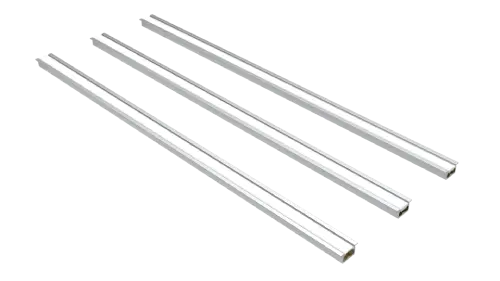
For projects requiring a streamlined installation method, we offer our Built-in Silicone Light E11 as a cabinet-oriented solution. The 12V/24V back-lit silicone strip uses a patented design with a quick plug-in terminal, eliminating welding during installation. It also does not require aluminum profiles, which can simplify integration into whole-house cabinet projects.
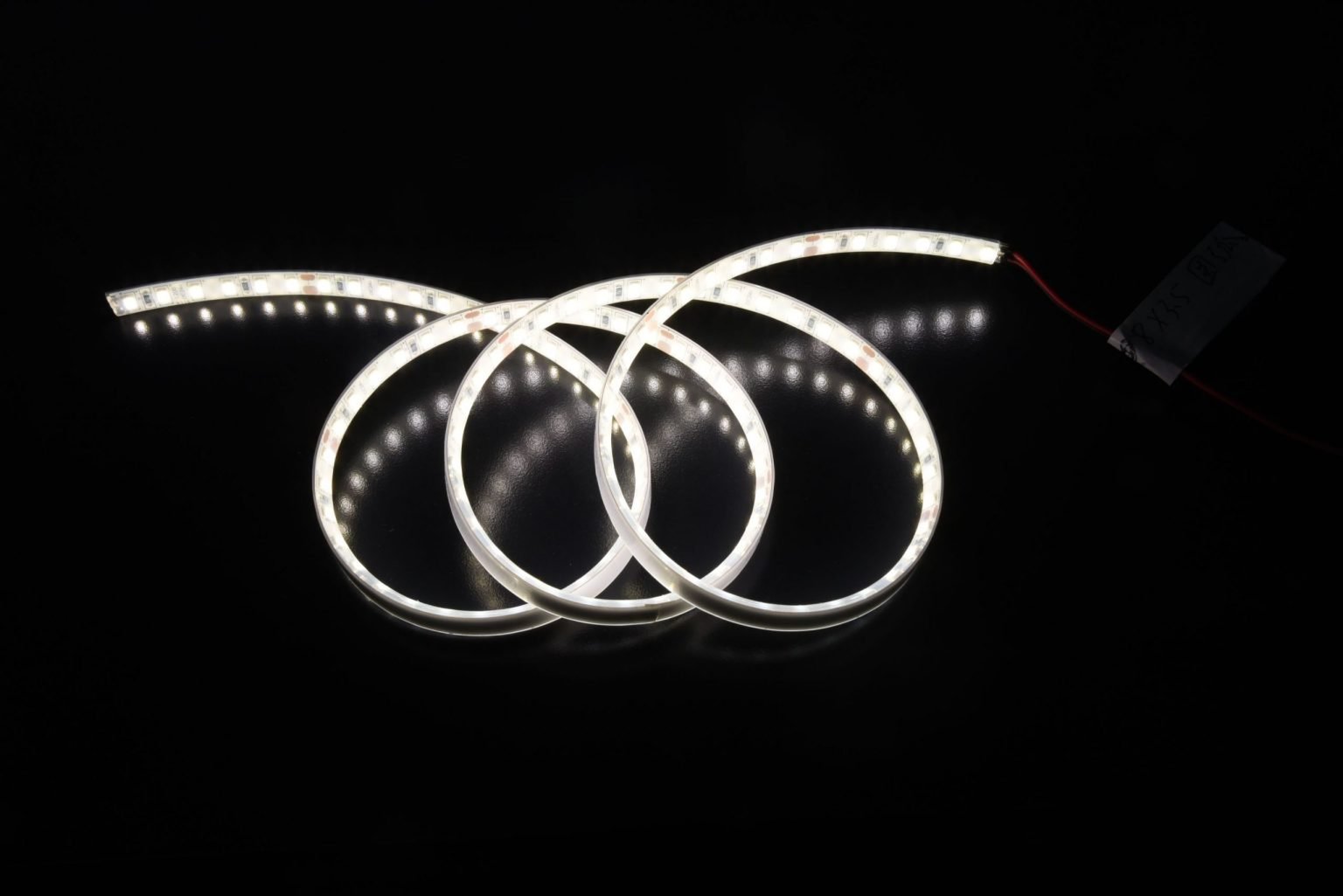
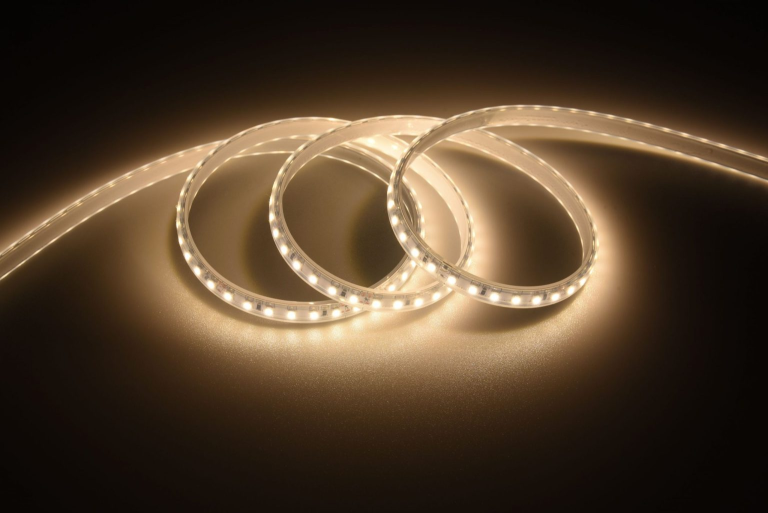
The E11 uses double-color silicone extrusion to create a neon-like light effect with even illumination. The silicone is designed to be eco-friendly and anti-yellowing. Its ability to be cut at any length helps accommodate different cabinet dimensions and installation requirements without forcing every project into a fixed-size fixture.
Reducing Waste and Installation Work
For business buyers, installation efficiency can be as important as the lighting effect. The E11 is delivered in a whole roll, helping reduce material waste and potentially lowering labor costs when projects involve many different cabinet lengths. Instead of preparing numerous fixed-length pieces, installers can adapt the strip to the required dimensions on site.
The system can also be combined freely with a driver, controller, and terminal according to the application. This gives furniture manufacturers and contractors more flexibility for different control configurations. A free strip light concept can therefore support customized cabinet layouts without requiring a completely different lighting product for every furniture module.
Where This Approach Works Best
Integrated silicone strips can be considered for wardrobes, closets, kitchen cabinets, and other built-in furniture. In a wardrobe, continuous illumination can make shelves and hanging areas easier to see. In kitchen cabinetry, carefully positioned strips can support task or accent lighting.
Configuration depends on furniture structure, lighting function, available power, and control requirements. For commercial projects, these decisions should be finalized alongside cabinet drawings rather than after production begins. This reduces the risk of visible wiring, unsuitable recess dimensions, or difficult installation access.
What Buyers Should Check Before Ordering
A procurement checklist should cover voltage, dimensions, cutting requirements, light distribution, material construction, connection method, driver compatibility, and control options. Buyers should also confirm installation requirements and whether the supplier provides the accessories needed for the planned system.
For LED light strips for furniture, consistency between samples and mass production is another important consideration. Buyers should evaluate the actual finished light effect, extrusion quality, connector arrangement, and installation process before approving a large order. Clear technical drawings and installation instructions can reduce communication problems between lighting suppliers and furniture manufacturers.
Making Cabinet Lighting Easier to Integrate
Recessed cabinet illumination works best when lighting, furniture construction, and electrical planning are treated as one system. Strip-based solutions can provide the flexibility needed for varied cabinet sizes, while careful placement helps control glare and improve usable illumination. For buyers, the most valuable product is not simply one that looks attractive, but one that reduces installation complexity and adapts to real project requirements.
We at LEDIA Lighting designed the E11 around these practical needs, combining 12V/24V operation, a welding-free quick plug-in terminal, cut-to-length flexibility, and optional system components. By using a silicone-based format without aluminum profiles, we aim to make LED light strips for furniture easier to integrate into wardrobes, closets, kitchen cabinets, and other built-in applications.