A successful lighting installation begins long before products arrive on site. For architects, contractors, signage manufacturers, and lighting distributors, planning means translating a design idea into measurable dimensions, suitable materials, reliable electrical connections, and a workable installation sequence. A silicone LED strip light can create continuous architectural lines across curves and edges, but its performance depends on how carefully the project is specified. Early coordination helps prevent rework, uneven illumination, and avoidable maintenance.
Start with the Space and the Intended Lighting Effect
First, identify what the lighting needs to achieve. Border lighting may define a building entrance, cove lighting can add depth to a ceiling, and signage illumination needs to maintain a clear outline without distracting bright points. Record the length of each run, corner positions, mounting surface, viewing angle, and distance from the power supply.
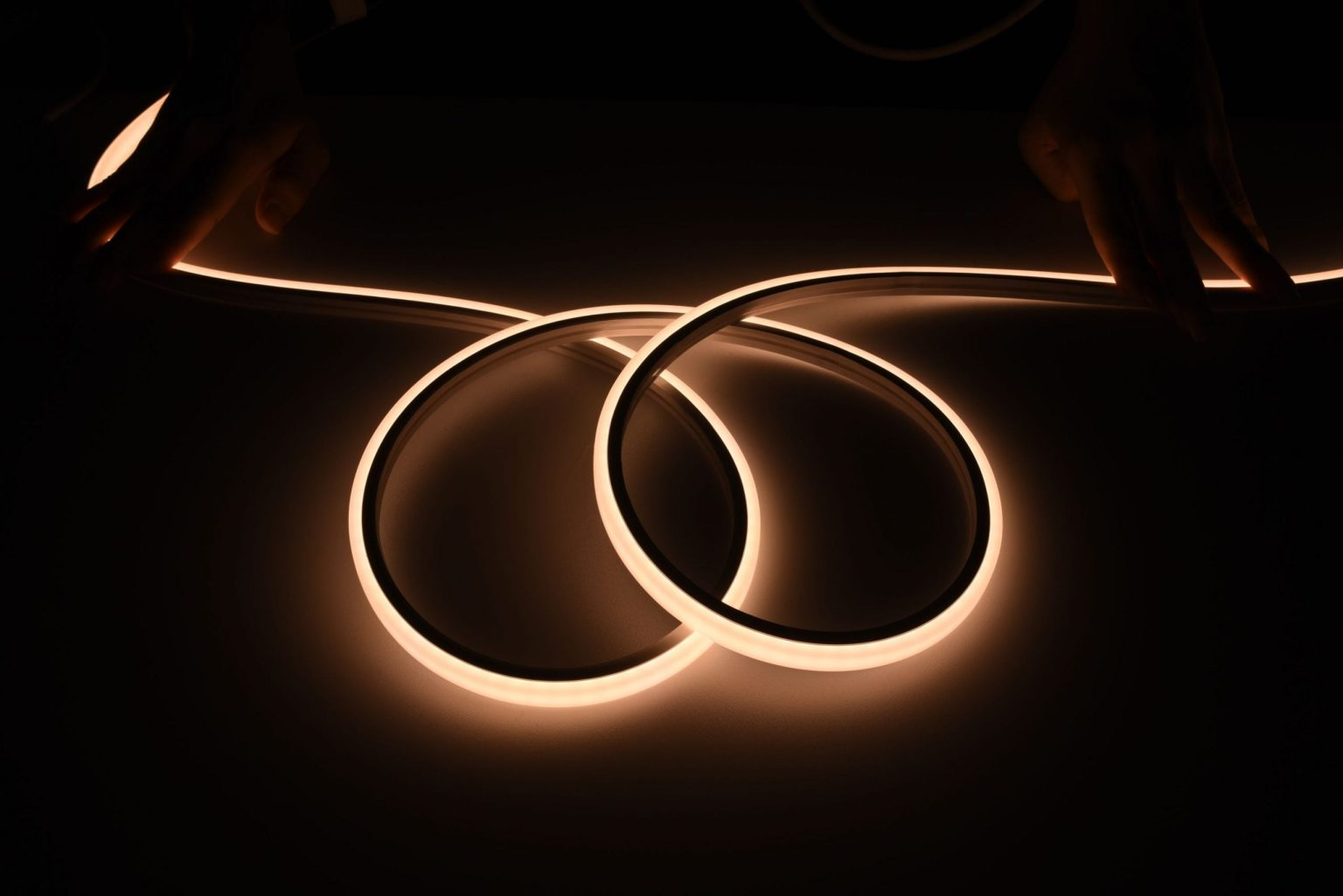
A flexible silicone LED strip is useful where a design follows curves or needs a soft, continuous appearance. However, flexibility does not mean it can be bent in every direction or installed under any mechanical stress. Check the product’s bending orientation and minimum bend radius with the manufacturer, then include those limits in the drawings.
Select the Profile, Light Output, and Protection Level
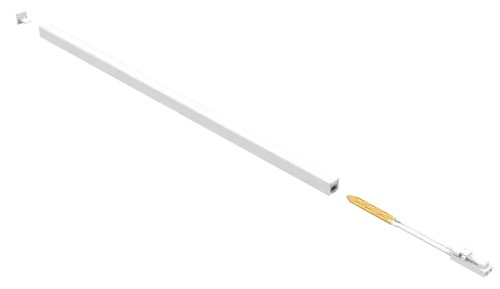
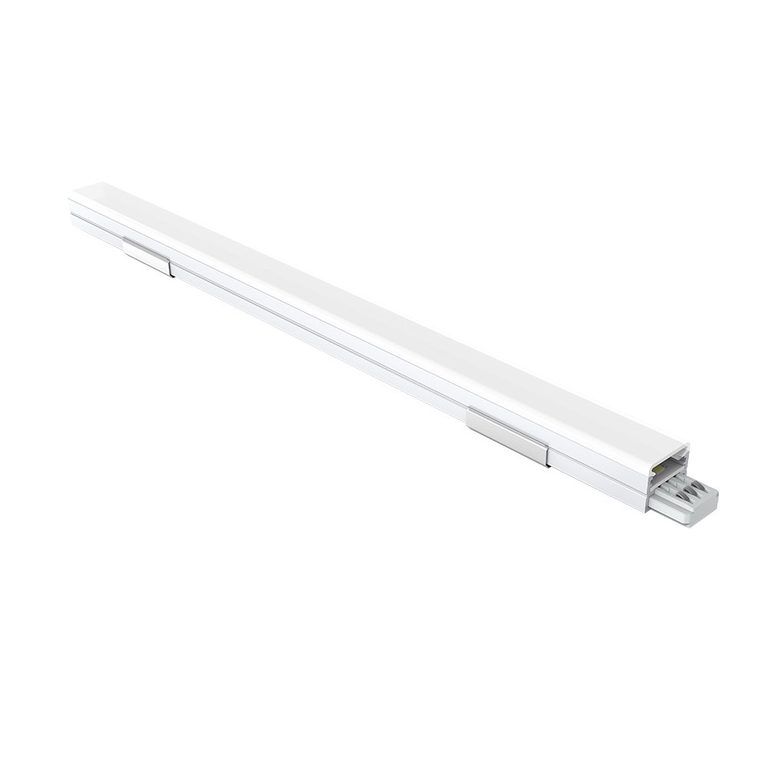
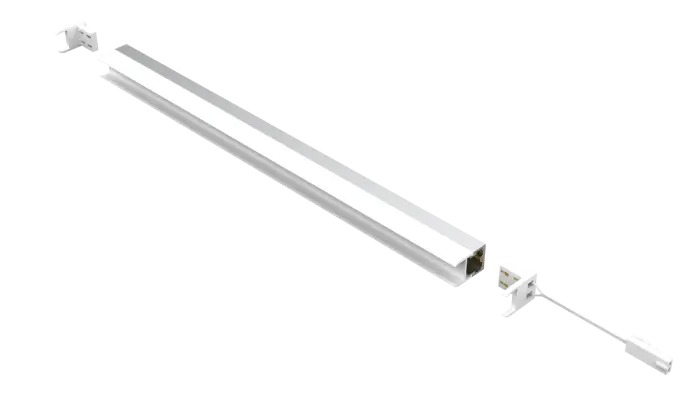
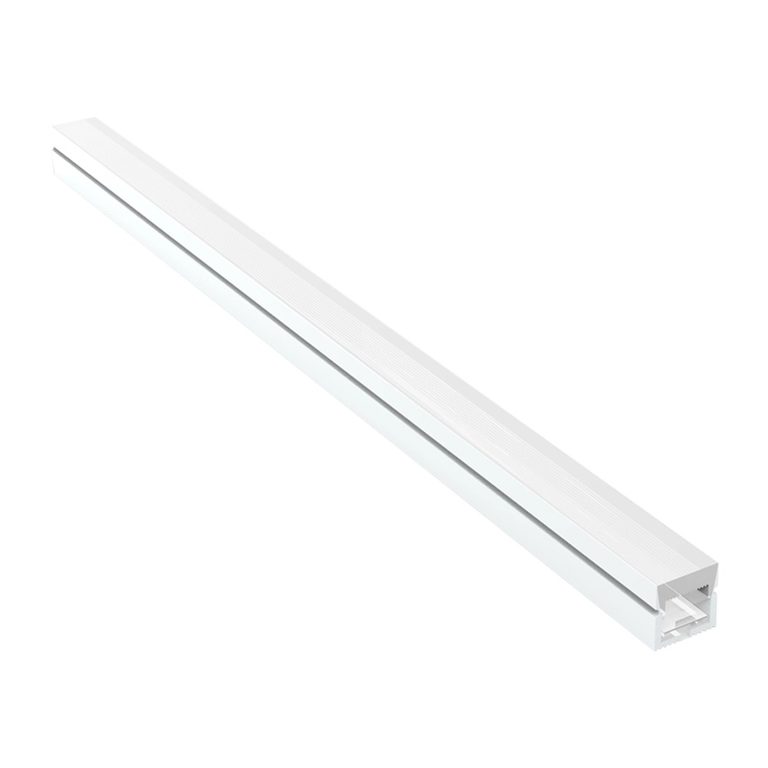
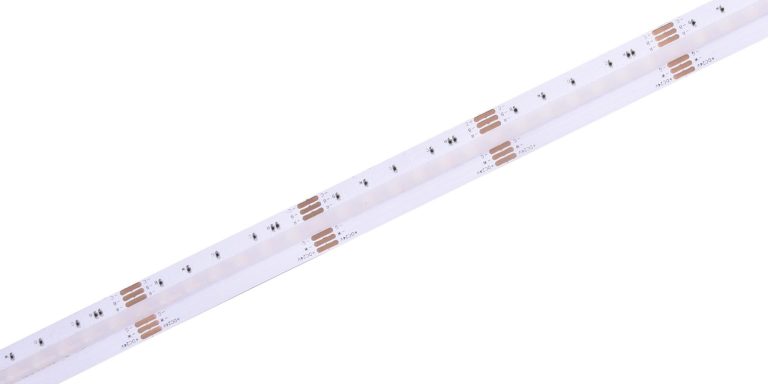
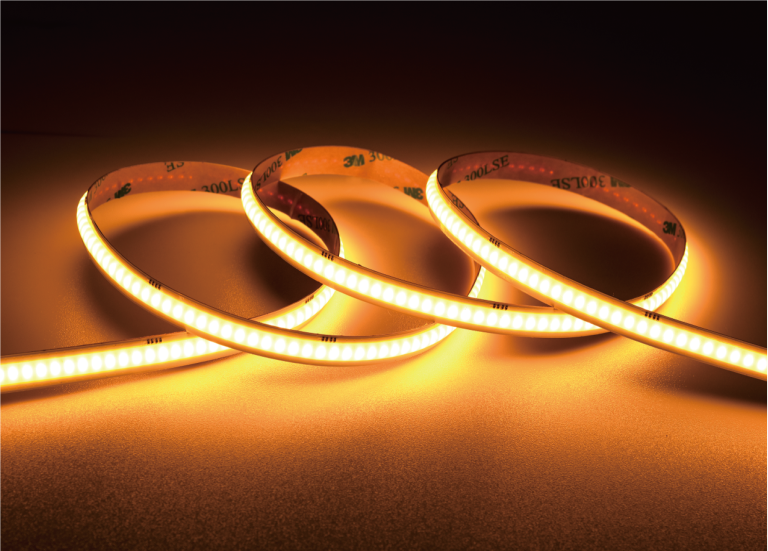
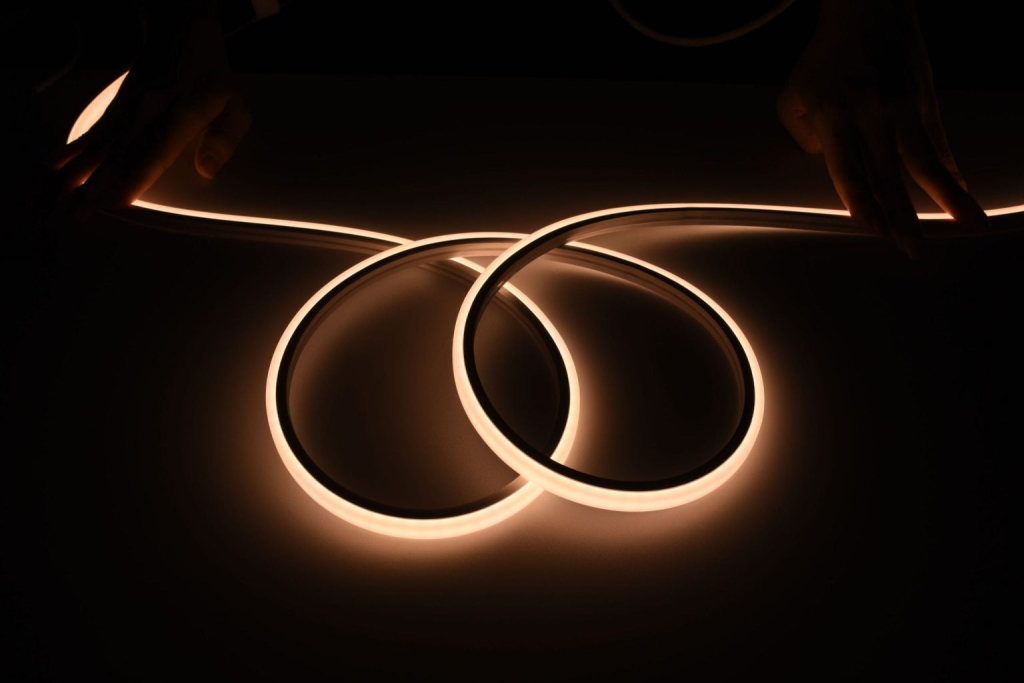
The cross-section affects both appearance and installation space. LEDIA Lighting’s LD-FR-SJS-DC24V-XXXX-144-10*10mm Neon Flex uses a slim 10 × 10 mm hollow silicone extrusion. Its three-sided wide lighting effect supports applications where light needs to be visible across more than one viewing direction. The continuous output is designed to avoid visible dark dots.
Environmental protection must match the installation. The product is rated IP67 and is described as UV and flame-resistant. These properties make it relevant to indoor and outdoor border lighting, architectural outlines, coves, facades, signage, and guide lighting. Still, confirm the complete system’s suitability for the site’s exposure, local electrical codes, and installation details.
Calculate Lengths, Cutting Points, and Connections
Accurate measurement reduces material waste and helps installers prepare consistent runs. Measure each route along its actual path, including bends and returns, rather than relying only on straight-line dimensions. Add allowances for connectors, end treatments, and the route to the power supply. Mark every section on the installation drawing before ordering.
The model’s published minimum cutting length is 8.3 mm, with a one-LED cutting unit. Its product information also lists a continuous length of up to 10 meters. A flexible silicone LED strip should be cut only at the manufacturer’s designated points and sealed or connected using compatible accessories. Never assume that a cut section retains its original ingress protection without the correct finishing method.
The product supports free cutting and joining as described by the manufacturer, but the project team should still define joint locations and access points. Where possible, keep connections away from highly visible corners and areas exposed to standing water or physical impact.
Plan the Power Supply and Electrical Layout
This neon flex operates at DC 24V and is listed at 12W or 14W per meter. Calculate the connected load using the selected wattage and total installed length, then choose a compatible power supply with appropriate capacity and operating conditions. For a silicone LED strip light, the electrician should also assess cable size, voltage drop, feed locations, circuit protection, and access for maintenance.
Long runs can experience voltage drop, which may cause brightness variation. Follow the manufacturer’s maximum-run guidance and consider multiple feed points where the design requires them. Keep power supplies accessible and ventilated, and ensure all connections are made according to the product instructions and applicable electrical regulations.
Coordinate Mounting and On-Site Installation
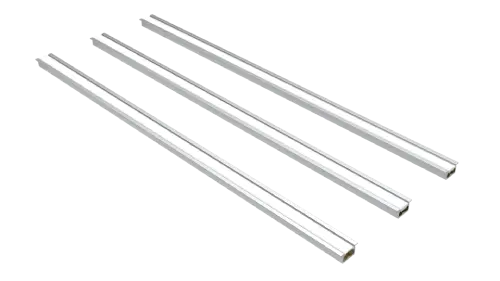
Before installation, check that the substrate is clean, dry, stable, and suitable for the selected mounting method. Confirm the channel or fixing arrangement, alignment references, corner transitions, and cable exits. For facade and signage projects, coordinate with cladding, waterproofing, and sign-making teams so that the lighting does not interfere with drainage or building details.
A silicone LED strip light should be handled without twisting, stretching, or forcing it around a corner. Installers should follow the specified bending direction and use compatible connectors and end caps. A dry fit and a short lighting test before final fixing can reveal alignment, color, or connection problems while adjustments are still straightforward. A flexible silicone LED strip can help accommodate curved design details when its bending limits are respected.
Build Testing and Maintenance into the Project
Commissioning should include visual checks for continuous illumination, consistent color, secure connections, and correct control operation. For outdoor applications, inspect seals and cable entries carefully. Record the product model, installed lengths, power supply details, wiring layout, and maintenance access points for the handover package.
LEDIA Lighting’s 10 × 10 mm hollow neon flex is produced through pure silicone extrusion and automated production, and the product carries a five-year warranty. A flexible silicone LED strip selected for a project should always be assessed against its actual operating conditions; warranty coverage does not replace correct installation, compatible components, or routine inspection.
Turn the Lighting Plan into a Reliable Installation
Good project planning connects the design intent with measurable site conditions. Confirm the route, profile size, light output, protection rating, cutting plan, electrical load, mounting method, and commissioning steps before work begins. This process helps contractors coordinate trades, control installation costs, and deliver a consistent result.
At LEDIA Lighting, we support indoor and outdoor projects with strip lights and other LED lighting products. Our silicone neon range includes the LD-FR-SJS-DC24V-XXXX-144-10*10mm model for architectural outlines, coves, facades, signage, and guide lighting. By reviewing project requirements early, we help customers identify suitable products and move from concept to installation with clearer specifications.