A well-planned interior rarely depends on one bright ceiling fixture. Layered illumination helps define zones, guide movement, highlight materials, and make everyday tasks more comfortable. Linear lighting is a practical way to introduce these layers because it can follow architectural edges, furniture, and display surfaces without adding visual clutter. For commercial projects, the best results come from matching the lighting effect to the space, then coordinating product selection, installation, and controls.
At LEDIA Lighting, we support indoor projects with LED strip lights and linear luminaires. Our manufacturing experience informs our approach to consistency, customization, and quality evaluation.

Create Soft Ambient Light Along Ceilings
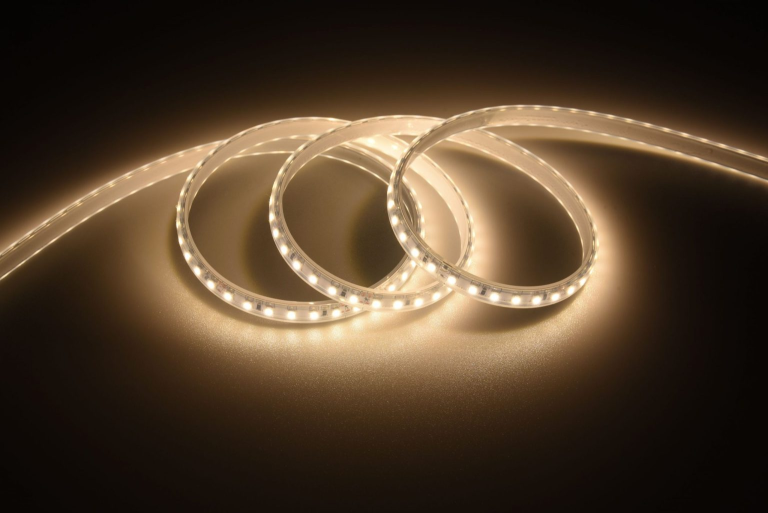
One straightforward application is concealed cove lighting. A strip installed inside a ceiling recess can direct light onto the ceiling, producing a softer ambient layer than a row of exposed point sources. This approach works well in hotel corridors, reception areas, meeting rooms, and residential common spaces where designers want a calm atmosphere.
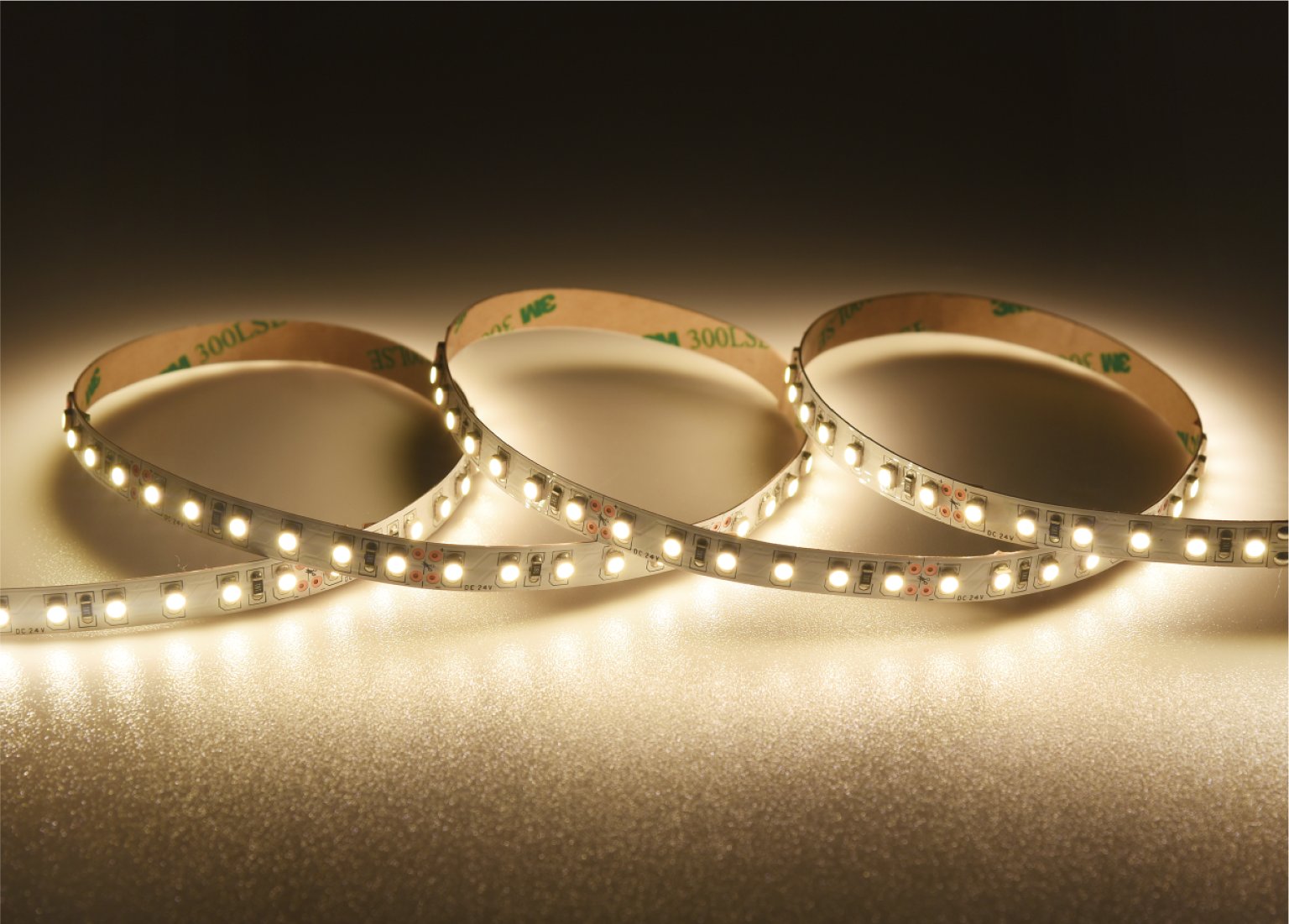
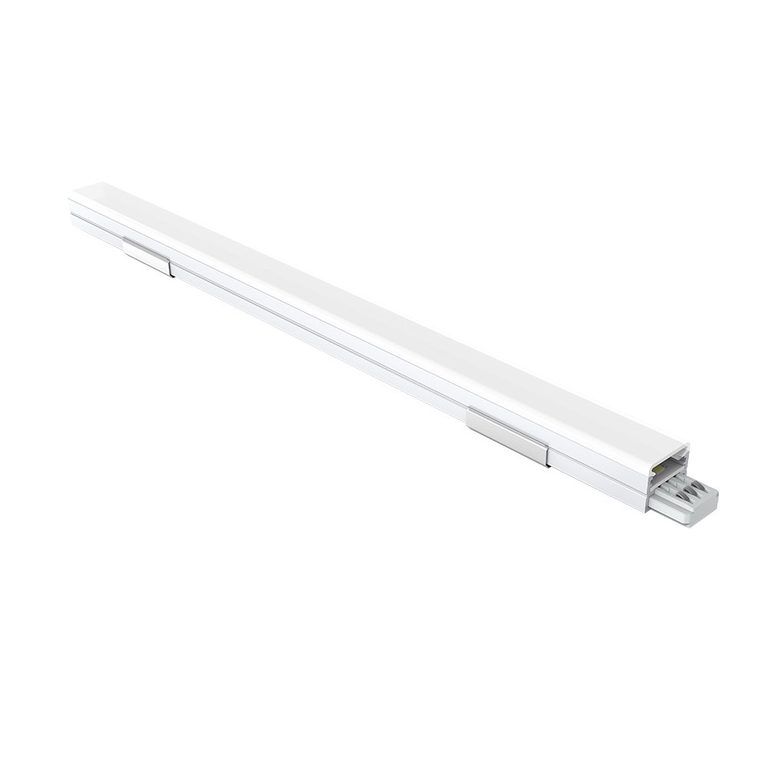
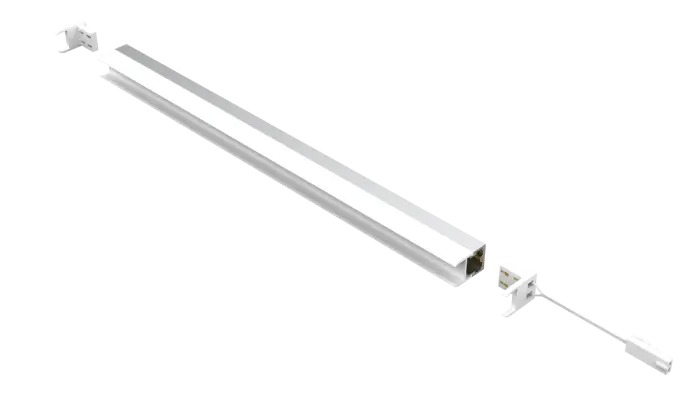
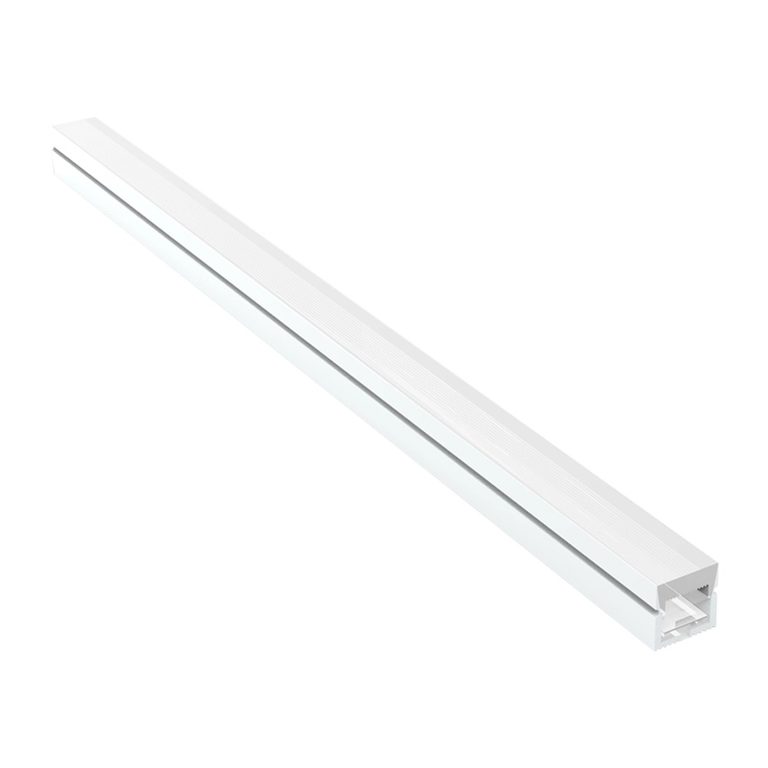
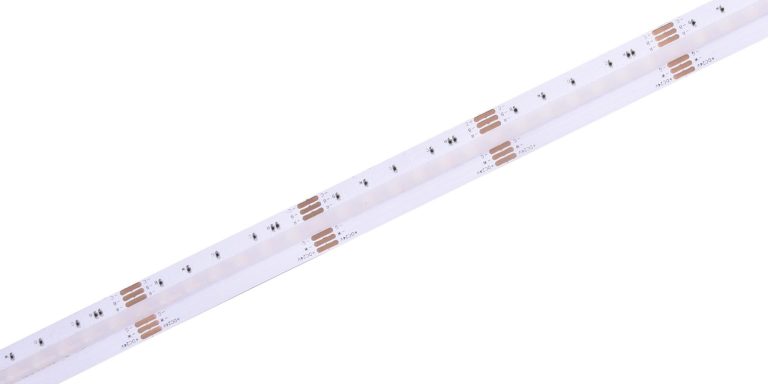
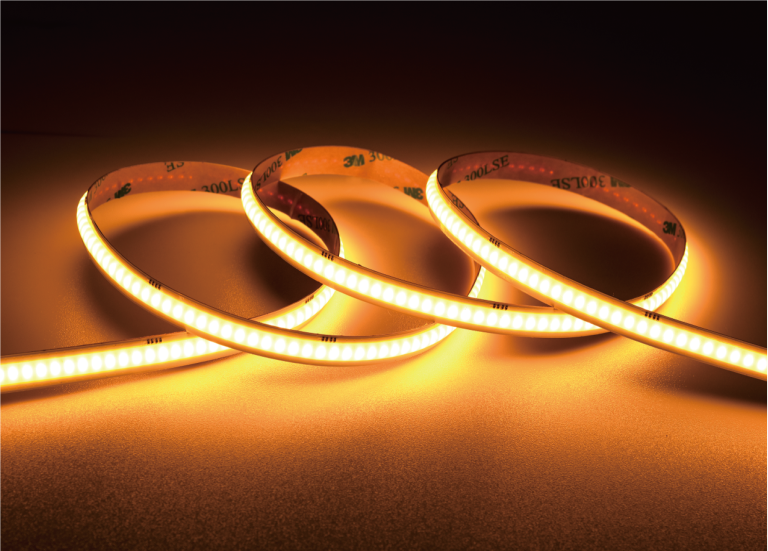
When specifying LED linear lighting strips for a cove, consider recess depth, ceiling distance, and viewing angle. These dimensions determine whether the light blends smoothly or creates visible bright spots. A sample helps confirm the effect before installation across the project. This is especially useful when LED linear lighting strips repeat across multiple rooms.
Add Practical Light to Cabinets and Shelving
Under-cabinet lighting is useful in kitchens, pantry areas, hospitality counters, and workplace refreshment points. A strip mounted toward the front of a cabinet can illuminate the work surface, while a position closer to the back may emphasize the backsplash. Shelving in retail stores, libraries, and showrooms can also benefit from integrated light that improves product visibility.
Choose output and color quality according to the surface. Avoid direct views of LED points, and use a suitable profile or diffuser when needed. For long shelves, plan cable routes and driver access before the joinery is manufactured.
Define Architecture with Wall and Floor Details
Linear light can make architectural features easier to read. A narrow run along a wall reveal, stair edge, or corridor detail creates a visual guide and can help people recognize changes in level. Wall grazing can also bring out the texture of stone, brick, or decorative panels, although the position and beam spread should be tested because close illumination may exaggerate surface imperfections.
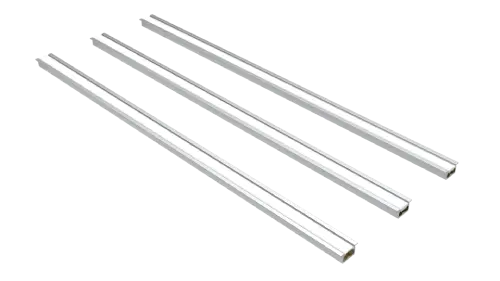
Coordinate the strip, channel, and finish with interior materials. Shield the source where glare could affect circulation or seated occupants. Near floor level, confirm cleaning access and impact protection.
Use Linear Lighting to Organize Work and Retail Areas
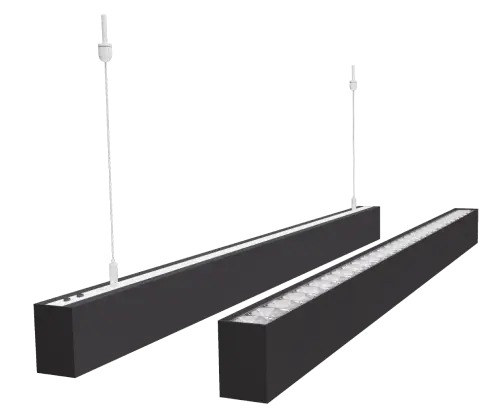
In offices, linear luminaires can help establish a clear lighting rhythm above desks, collaboration tables, and circulation routes. In retail environments, linear accents can outline display zones or draw attention to selected merchandise. These layers should complement general lighting.
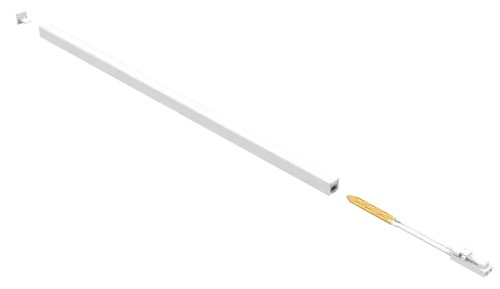
Before choosing LED linear lighting strips or complete fixtures, define the task, mounting height, illuminance, and control strategy. Consider glare, uniformity, color rendering, and dimming. Coordinate the plan with ceiling services, sprinklers, HVAC, signage, and furniture to avoid conflicts.
Evaluate the Manufacturing and Quality Behind the Product
Project teams need a supply partner able to maintain consistency across samples, batches, and deliveries. Selecting an LED linear light factory also means reviewing its testing capability and production controls. As an experienced LED linear light factory, we operate automated equipment including high-speed SMT, automatic welding, and waterproof processing systems. More than 20 production lines cover our LED strip manufacturing process, with a stated monthly capacity of approximately 1.5 million meters.
We also operate dedicated luminaire production lines with a monthly capacity of up to 10,000 pieces, supporting standard production and customized linear lighting projects. Our testing and development work covers safety, performance, and electromagnetic compatibility. Our laboratories are recognized through UL WTDP, IECEE, and national CNAS certification, providing a technical foundation for product evaluation.
When comparing suppliers, ask about material checks, in-process inspection, final testing, and traceability. Confirm that reports and certifications apply to the specified configuration. An LED linear light factory should clarify customization limits, lead times, packaging, and documentation early.
Plan the Details Before Installation
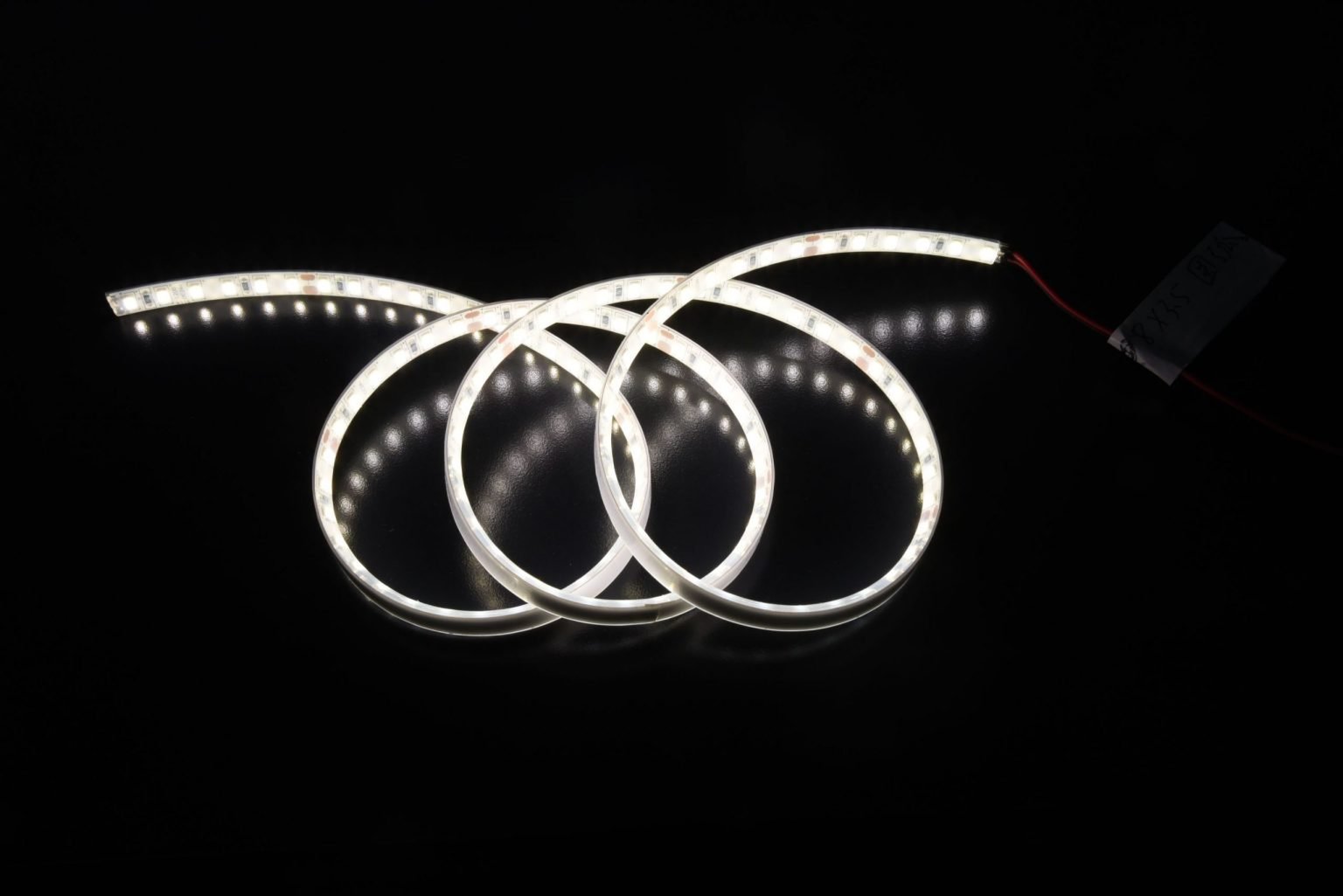
Confirm strip voltage, power per meter, maximum run length, driver location, dimming compatibility, and protection rating. Long runs may need additional power feeds for consistent brightness. In wet or dusty areas, verify the full assembly, including connectors and cut ends, rather than relying only on the strip rating.
Prepare a mock-up using the intended profile, diffuser, finish, and control gear. Review it from normal viewing positions and test planned dimming levels. This helps stakeholders agree on appearance before installation.
Turn Simple Linear Details into a Cohesive Interior
Indoor linear lighting can do much more than add a decorative line. It can soften ceilings, improve task visibility, emphasize architectural materials, and organize commercial spaces. By selecting LED linear lighting strips according to the intended effect and coordinating installation details early, project teams can create interiors that are functional as well as visually consistent.
At LEDIA Lighting, we combine strip and luminaire manufacturing with automated production, dedicated testing, and support for customized requirements. As an LED linear light factory, we help project partners evaluate suitable options and plan dependable lighting solutions for indoor environments.