Lighting plans for retail, furniture, and commercial interiors rarely follow one standard dimension. Shelving widths, cabinet depths, display layouts, and joinery details can change from one project to another. That makes flexibility valuable at the specification stage. A recessed LED profile can help integrate linear light into furniture and architectural details while keeping the installation visually controlled. For buyers, the decision is about balancing fit, installation, appearance, and project efficiency.
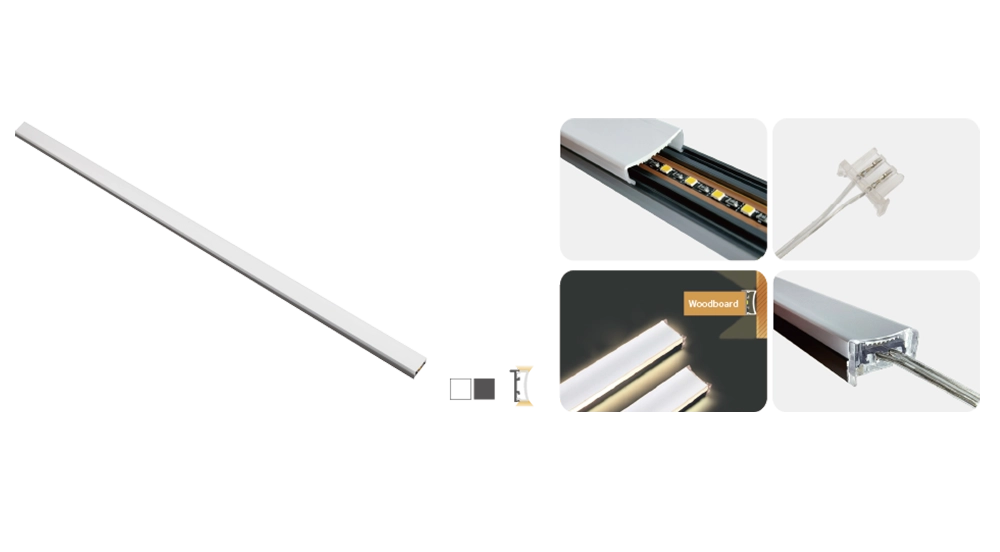
Why Recessed Integration Matters in Project Design
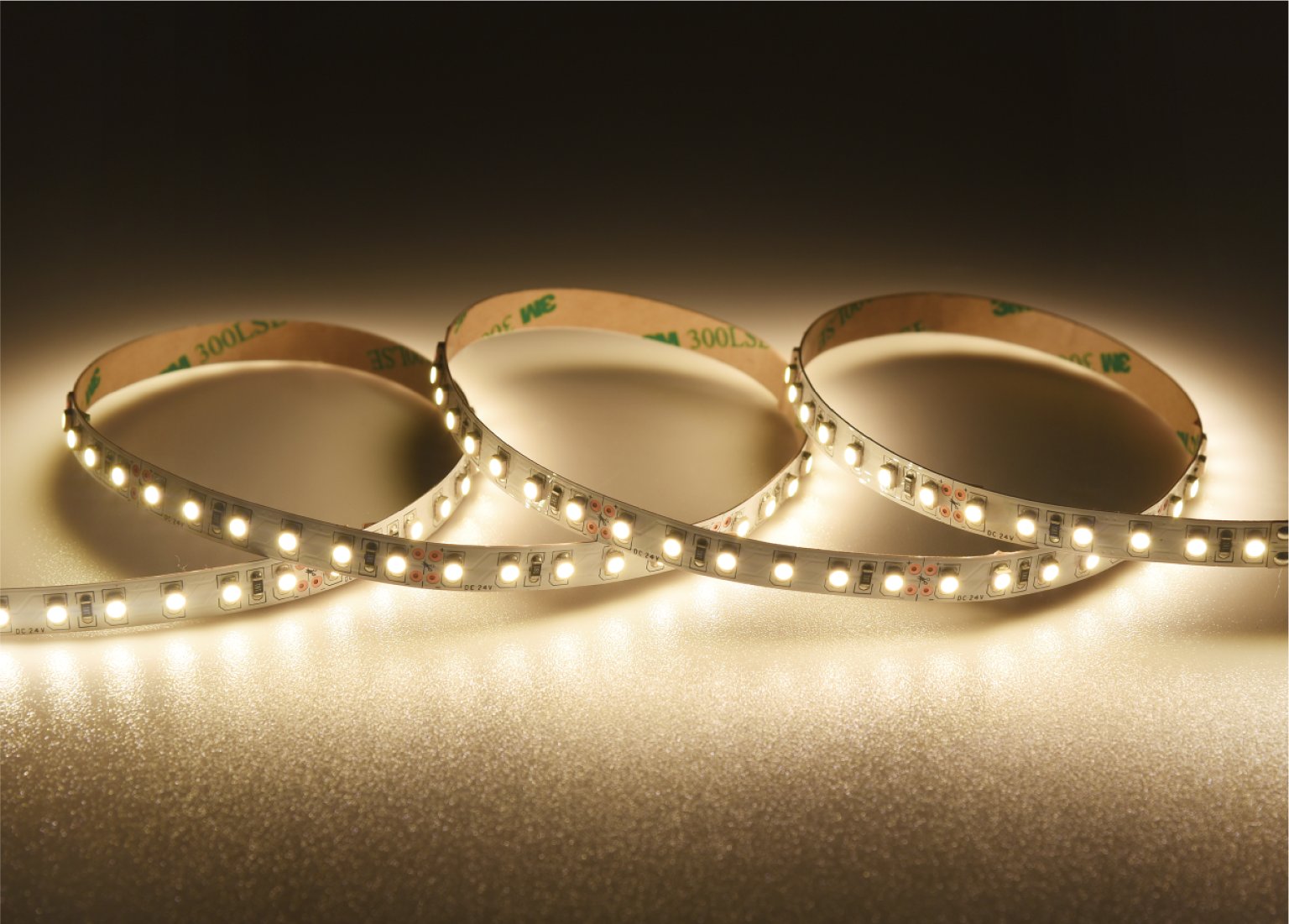
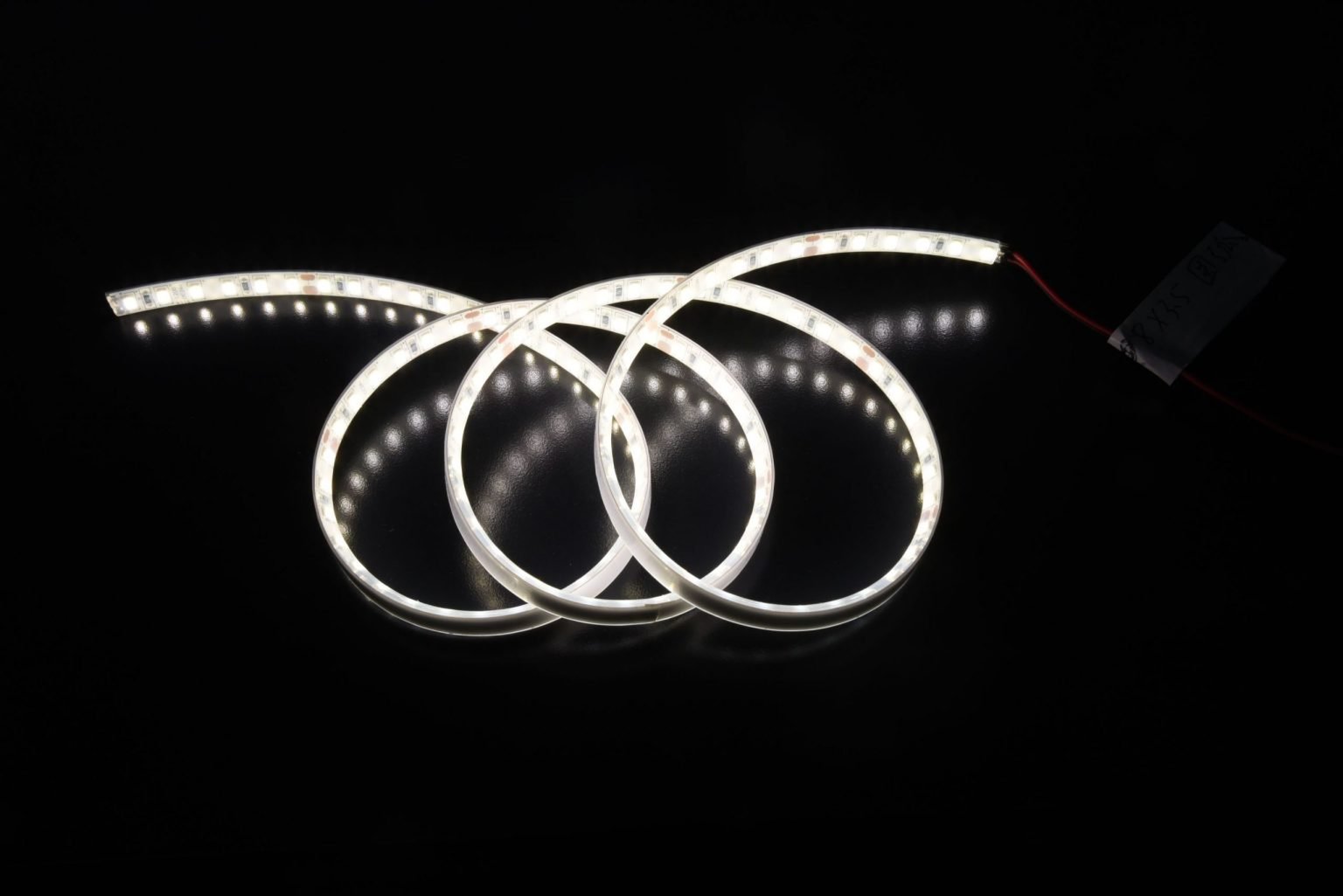
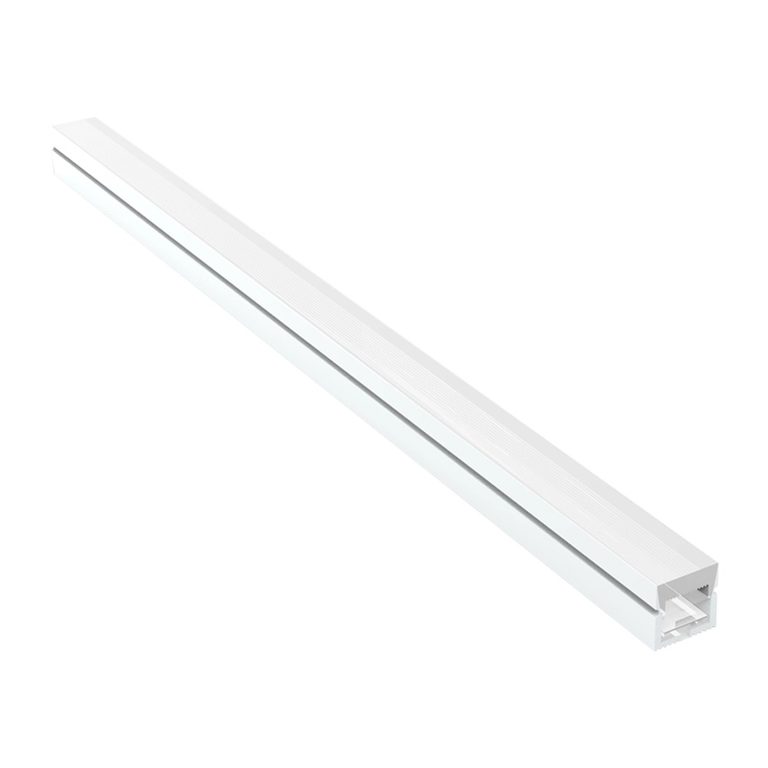
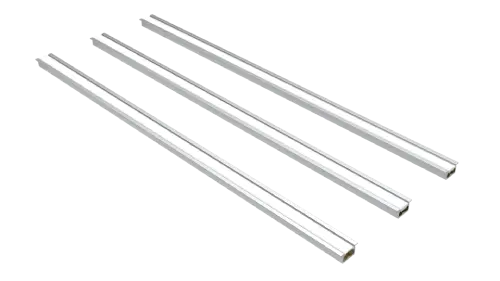
A recessed LED profile places the lighting system within a prepared channel rather than leaving the strip exposed on a surface. Aluminum profiles can protect LED strips and support heat dissipation, while compatible covers can help create a more finished appearance. These characteristics suit cabinetry, shelving, displays, and other millwork.
Integration can also support consistent design across repeated furniture units. A lighting detail that sits flush with a shelf or cabinet can be easier to reproduce than an improvised surface-mounted solution. The final selection depends on channel dimensions, strip compatibility, mounting method, and required light distribution.
Matching the Profile to Flexible Layouts
Flexible lighting plans often involve different run lengths. A display may need one length, while a cabinet or wardrobe requires another. Field-cuttable aluminum channels are used for furniture, shop windows, displays, and similar applications, showing why cut-to-size systems can be useful when dimensions vary.
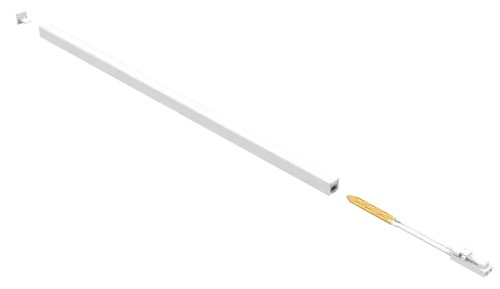
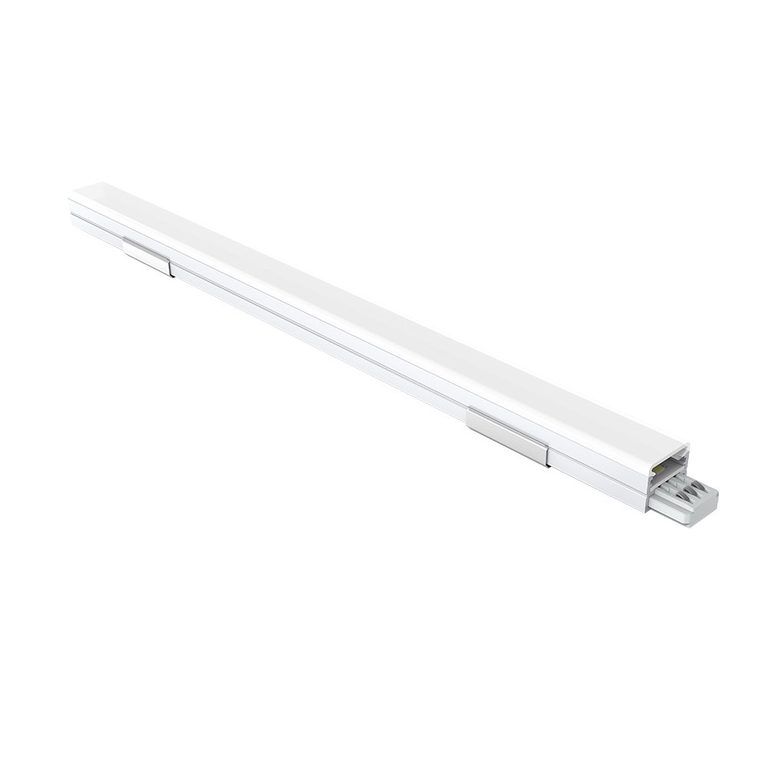
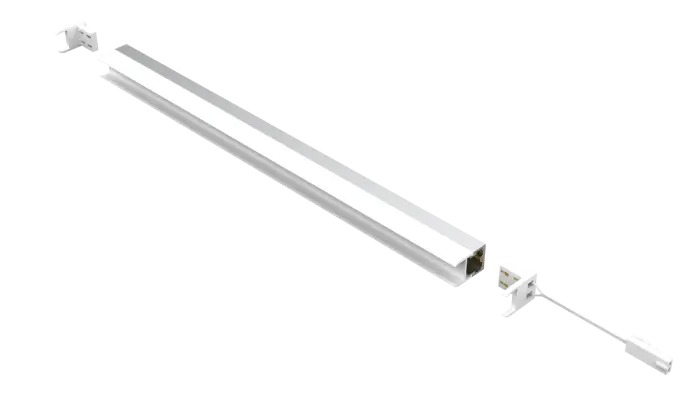
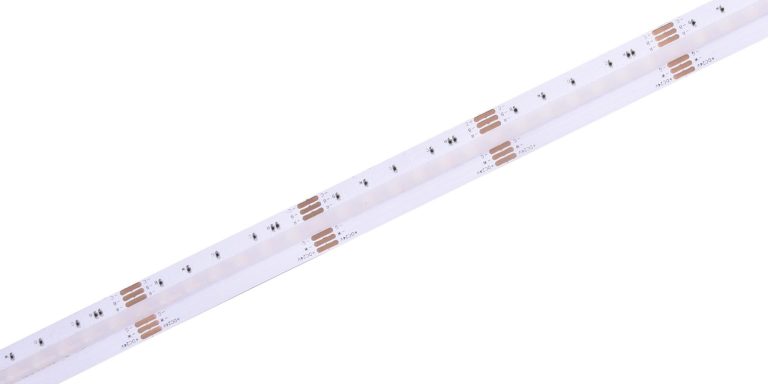
Our F02 Built-in & Free cutting Alu Profile Strip Light is designed around this requirement. Its patented quick plug-in design supports free cutting and soldering-free installation. We can adapt the lighting length to different furniture and retail details without making every run dependent on a fixed factory length.
Installation Efficiency as a Procurement Consideration
Labor can become a significant project variable when many lighting sections must be assembled. Traditional strip-light preparation may involve cutting, wiring, and soldering at multiple points. A plug-and-play approach can simplify those steps, although installers must still follow the specified electrical and connection requirements for the complete system.
F02 uses a soldering-free, quick-install connection that helps reduce assembly time and installation labor. For contractors and purchasing teams, this matters when a project includes numerous cabinets, shelves, or display sections. Faster assembly does not replace planning, but it can make a repeatable installation process easier to manage.
Supporting Adjustable Lighting Intent
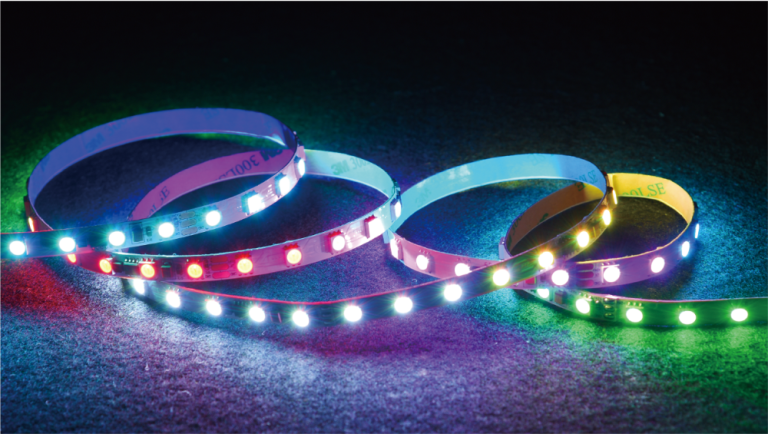
Different commercial spaces may call for different visual atmospheres. Retail displays can need focused, attractive illumination, while furniture lighting may be expected to blend into the surrounding interior. Color temperature selection therefore becomes part of the specification rather than an afterthought.
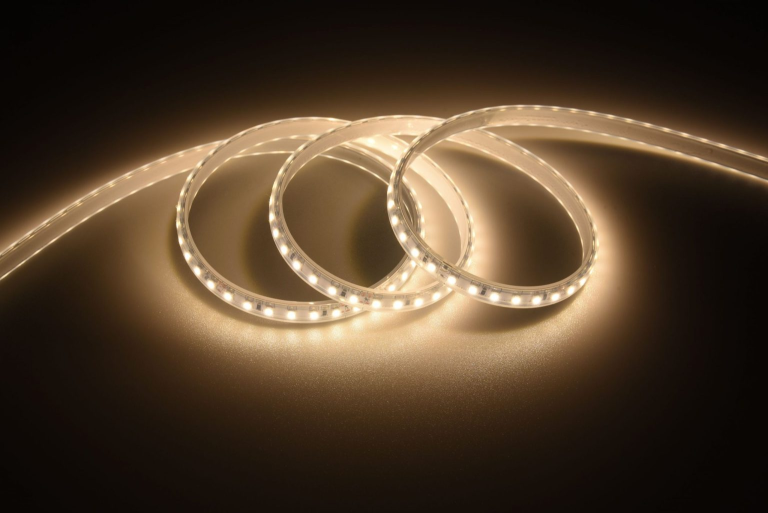
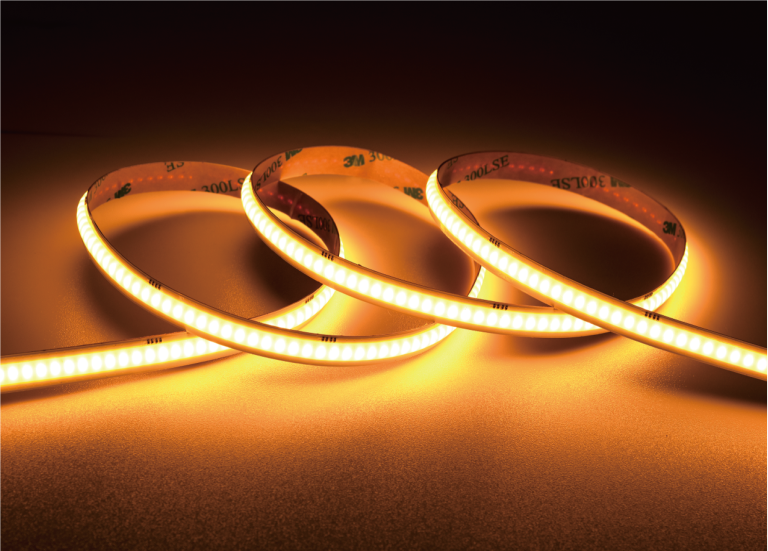
Our F02 incorporates 2-wire CCT functionality, allowing the lighting ambiance to be adjusted for different furniture and retail settings. Buyers can evaluate the required CCT range and control arrangement alongside installation details before finalizing the specification.
Where Showcase LED Lighting Fits Best
showcase LED lighting is relevant when the light source needs to emphasize merchandise, cabinetry, collectibles, or display details without dominating the visual composition. Recessed integration can keep the luminous line close to shelves or cabinet structures, helping designers create a cleaner relationship between the light and displayed objects.
For this reason, F02 is suitable for showcase LED lighting as well as under-cabinet, closet, and wardrobe applications. Its built-in format gives project teams a practical option when lighting needs to be incorporated into furniture rather than added as a visible external fixture.
Planning for Repetition and Project Scale
Large projects magnify small installation decisions. If a retail rollout contains dozens or hundreds of similar display units, differences in cutting, connection, or assembly can affect labor consistency and scheduling. Buyers should review how easily the lighting detail can be repeated across the project.
A recessed LED profile can support this approach when its dimensions and installation process suit the furniture construction. With F02, free cutting allows lengths to be prepared for different installation requirements, while the quick plug-in connection reduces reliance on soldering. These characteristics can help teams develop a more repeatable workflow.
A Practical Specification Checklist
Before purchasing, we recommend confirming the recess dimensions, required strip length, connection method, CCT requirement, and intended application. Buyers should also verify how the profile interfaces with the furniture material and whether access for installation or future service has been considered. For retail projects, the relationship between the light source, merchandise, and surrounding surfaces also matters.
It is also useful to distinguish between a profile selected for technical fit and one selected for the complete lighting effect. Aluminum construction, compatible LED strips, optical treatment, wiring, and controls all influence the finished result. The profile should therefore be evaluated as part of the lighting system rather than as an isolated accessory.
Making Flexible Lighting Plans Easier to Execute
Project buyers often choose recessed solutions because they provide a practical bridge between design intent and installation realities. The ability to fit different dimensions, integrate lighting into furniture, simplify assembly, and adjust the lighting character can make a system more adaptable across changing project requirements.
With F02, we at LEDIA Lighting combine a built-in aluminum strip-light format with free cutting, soldering-free quick installation, and 2-wire CCT adjustment. These features support applications ranging from wardrobes and cabinets to showcase LED lighting. For teams specifying repeated furniture and retail details, selecting the right system can help turn a flexible lighting concept into a more manageable installation plan.