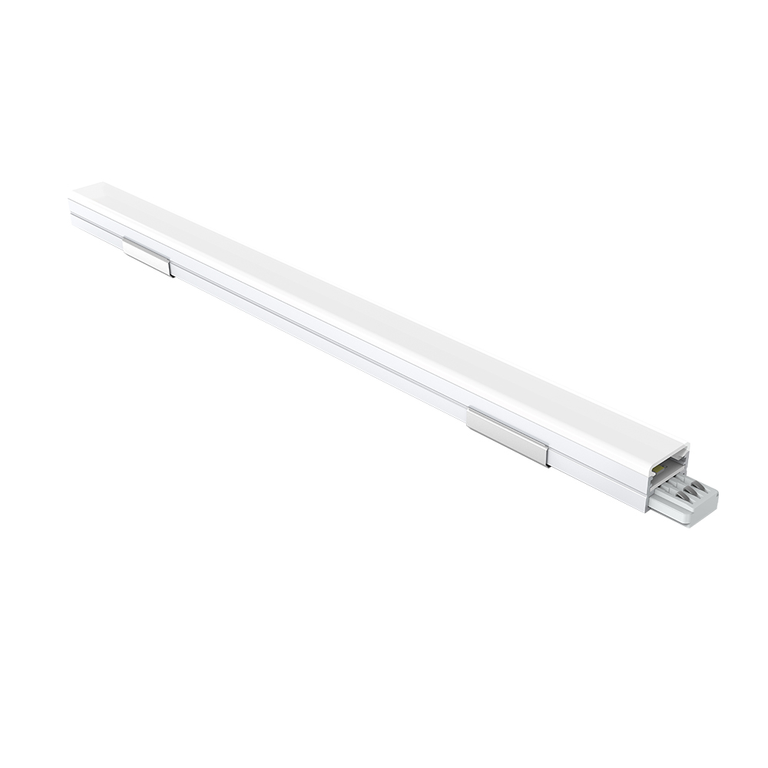
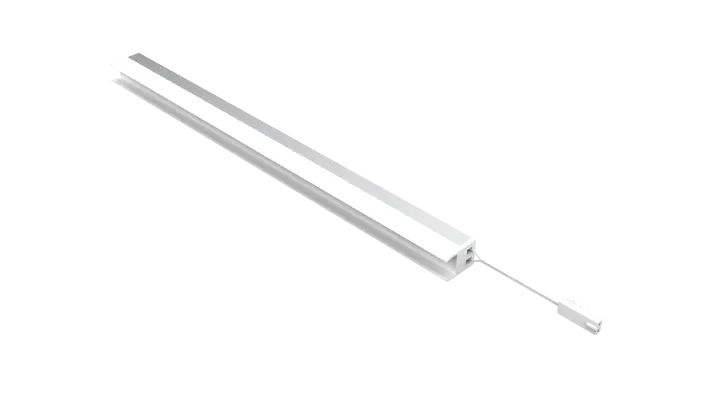
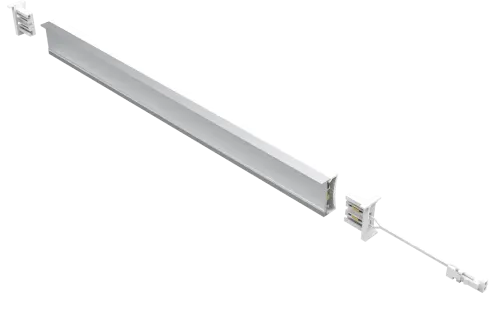
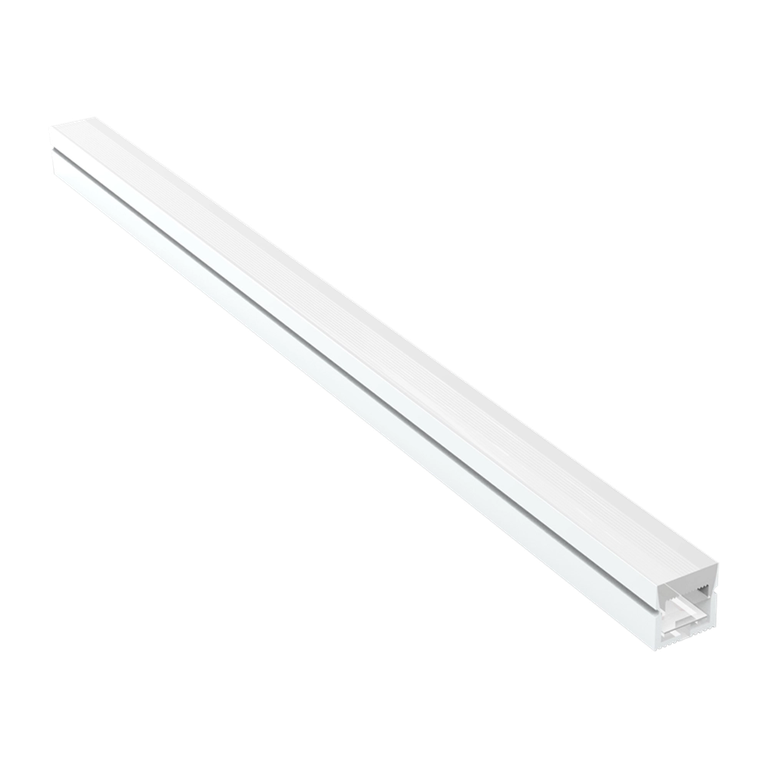
Wholesale LED strip lights can serve very different purposes depending on where they are installed. A retail shelf may need a narrow source to illuminate merchandise, while a hotel ceiling may require a concealed line of indirect light. In a home, the same basic format can disappear beneath a kitchen cabinet or inside a wardrobe.
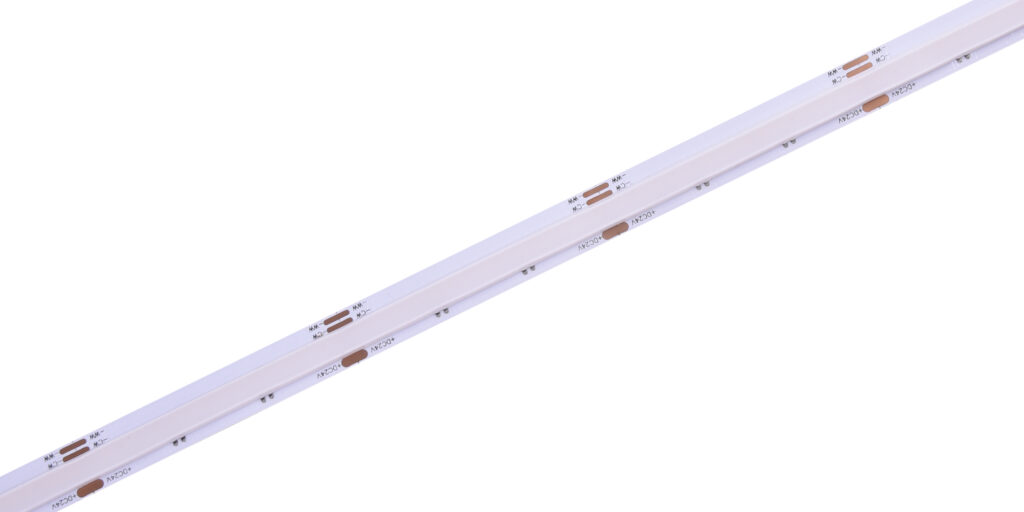
That versatility makes strip lighting particularly useful for projects containing repeated details. Instead of treating it as an alternative to every conventional fixture, we can look at where its compact form, flexible routing, and installation options solve a specific problem. LED COB strip lights then add another option when the appearance of the light line becomes a priority.
Use Strip Lighting Where Fixtures Have No Room
Some of the most useful strip-light installations are found in spaces that were never designed to accommodate a conventional luminaire.
Cabinet interiors, shelving, counters, coves, furniture recesses, and narrow architectural gaps often leave only limited installation depth. A complete fixture may be physically difficult to fit or may become too visible once installed. A strip can occupy a much smaller space and be integrated into the surrounding construction.
Commercial interiors contain plenty of these situations. Hotel wardrobes can use concealed illumination, reception counters can incorporate a light line beneath an edge, and office furniture can include lighting without adding another visible fixture to the room.
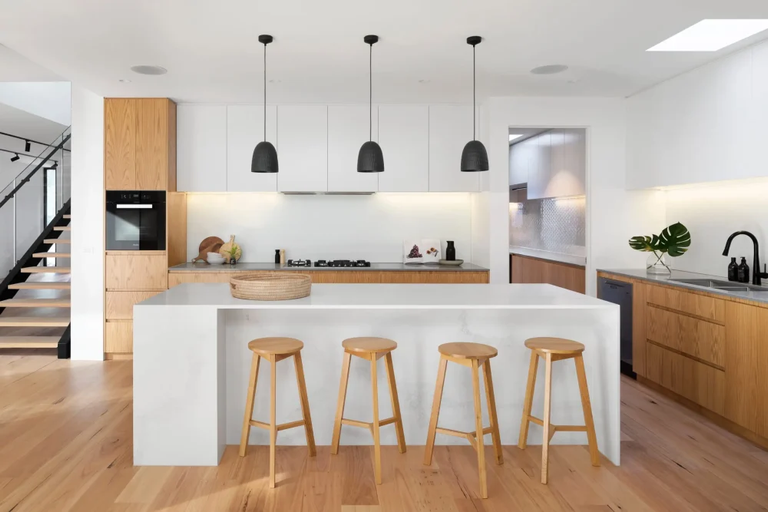
Residential kitchens provide an equally straightforward example. Under-cabinet lighting can illuminate a work surface while keeping the source relatively unobtrusive. Similar details can be incorporated into bookcases, storage units, bathroom cabinets, and media furniture.
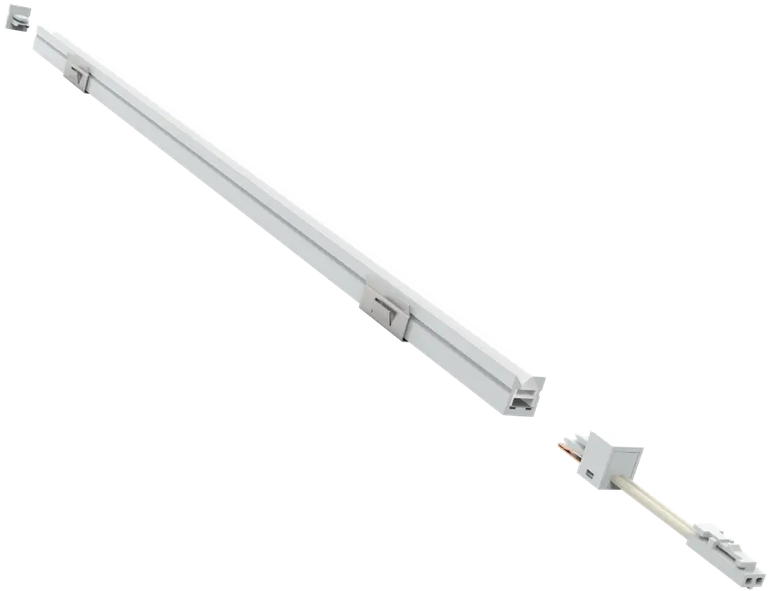
For projects involving many identical units, LEDIA Lighting sees an additional procurement advantage: the same lighting detail can be specified repeatedly rather than treated as a one-off installation. Its product range includes regular strip, silicone strip, furniture lighting, and other linear formats for different integration requirements.
Turn Shelves and Displays Into Light Sources
Retail lighting changes significantly when the product itself becomes the focal point.
A ceiling-mounted fixture can illuminate a store generally, but merchandise positioned inside a shelf or display cabinet may need light much closer to the viewing area. Installing a narrow strip within the display structure can place illumination exactly where it is needed without adding a large fixture to the customer’s field of view.
The approach works for supermarkets, fashion stores, showrooms, hospitality counters, and display cabinets. Repeated shelving dimensions also make the application suitable for projects where contractors need multiple identical lighting sections.
Our selection process at LEDIA Lighting starts with the display construction rather than simply choosing the brightest strip available. The available mounting space, viewing angle, desired visual effect, power arrangement, and surrounding materials can all influence the appropriate specification.
Color quality can also matter in merchandise environments because the lighting affects how products appear. Rather than assuming that one strip specification works across every display, the project should establish its visual requirement first and then select the relevant product characteristics.
Wholesale purchasing becomes particularly practical when the same display system is reproduced across a store, multiple branches, or a larger commercial development. Consistent product specifications can simplify installation and replacement planning.
Follow Architectural Lines Instead of Fighting Them
Some lighting details are defined by the shape of the architecture itself.
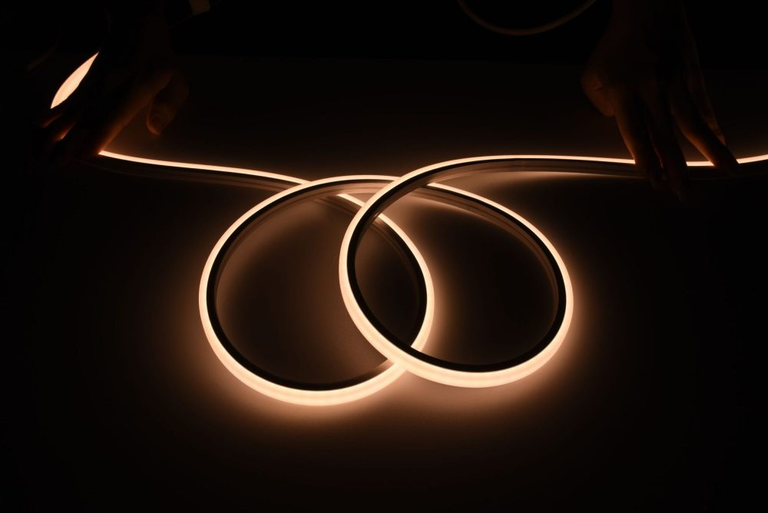
Curved counters, recessed ceilings, wall niches, illuminated edges, and decorative joinery can create paths that are difficult to address with rigid fixtures. Flexible strip products can follow an appropriate route around these elements, provided the product’s bending limitations and installation requirements are respected.
Here, the objective is often less about illuminating a large area and more about establishing a controlled line of light. The source may sit inside an aluminum profile, behind a diffuser, within a recess, or directly inside a purpose-built architectural detail.
Whether a project calls for standard illumination or dynamic styling, we at LEDIA Lighting offer a diverse lineup of regular, COB, digital, dual-color, RGB, and wall-washer strips to ensure our portfolio meets any visual effect beyond a simple white light line.
A project should still distinguish between straight and curved installations. Flexibility does not mean unlimited bending, and the manufacturer’s specified bending direction and minimum bending diameter should be checked before the layout is finalized.
For architectural projects, that planning stage can make a substantial difference. Lighting should be coordinated with the profile, recess, wiring route, and access strategy before the ceiling, furniture, or wall element is completed.
Repeat Small Lighting Details Across Residential Projects
Residential applications may look smaller than commercial installations, but developers can face the same procurement challenge when identical layouts are repeated.
An apartment project might contain the same kitchen configuration across dozens of units. Wardrobes, bathroom mirrors, shelving, headboards, and built-in cabinets can all require similar linear lighting details. Individually, each installation may use a modest amount of strip; collectively, the project can require a substantial quantity.
That is where LED strip lights wholesale sourcing becomes more relevant. Instead of purchasing every installation separately, a contractor can establish a standard specification and calculate quantities across the development.
Consistency is valuable here. The strip, profile, power arrangement, mounting method, and related components need to work together across repeated units. A specification that is easy to reproduce can reduce unnecessary variation between apartments and simplify future maintenance.
The same principle applies to residential builders working on multiple projects with similar design language. Once a particular cabinet or furniture detail has been approved, the lighting specification can potentially be carried into subsequent developments, subject to the requirements of each project.
Make COB a Choice for Visible Light Lines
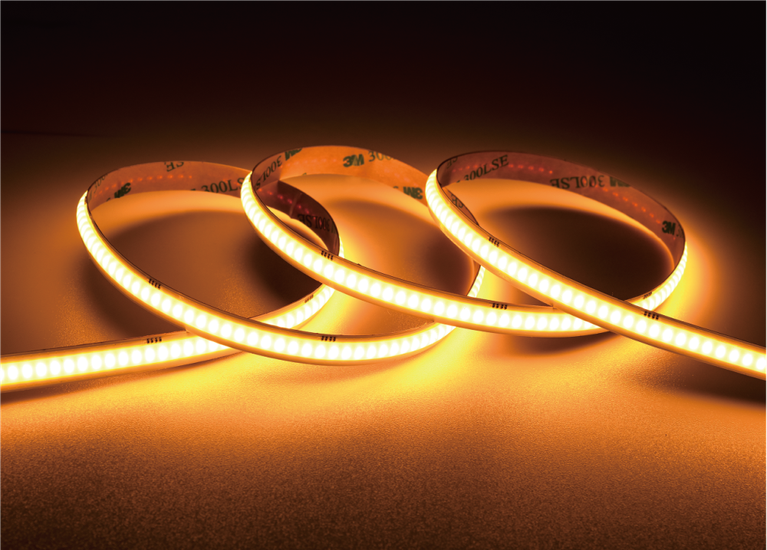
COB strip lighting deserves consideration when the light source itself may be visible or when a more continuous appearance is central to the design.
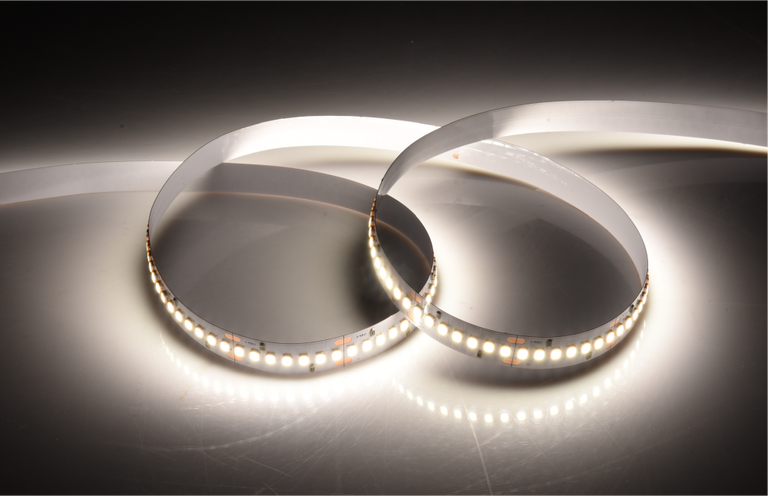
Traditional strip constructions can show individual LED points under certain viewing conditions, particularly without suitable optical treatment. COB technology is designed around a different LED arrangement that can produce a more continuous-looking light-emitting surface.
LEDIA Lighting describes its COB range as dot-free and offers multiple configurations, including different widths, color temperatures, CRI options, and bending specifications depending on the model. Exact performance characteristics vary by product, so the individual model should be reviewed against the project specification.
That makes COB particularly relevant to visible furniture edges, architectural lines, decorative coves, and other installations where a dotted appearance would conflict with the intended result. It is not automatically the best choice for every project; optical requirements, output, installation environment, power, and budget still need to be evaluated.
The broader lesson is that strip lighting should be selected according to how it will actually appear and function after installation. A concealed cabinet source, a retail shelf, and a visible architectural line may all use strip lighting, but they do not necessarily need the same construction.
Keeping wholesale orders tightly connected to the actual architecture is a priority we achieve by first mapping out repeated lighting details and then matching the precise strip format to each application—making even large-scale orders much easier to organize.
Commercial and residential projects ultimately benefit from strip lighting for the same reason: it can bring illumination into places where a conventional fixture is physically or visually inconvenient. Once the application is defined, wholesale quantities become easier to calculate, and technologies such as COB can be introduced where their particular visual characteristics are genuinely useful.
Shifting the focus away from bulk volume, we help contractors and distributors move beyond simply buying the largest quantity of a single strip. Instead, we assist in building a repeatable lighting package where every strip serves a clearly defined purpose in the finished project.